When it comes to choosing the right tires for your vehicle, size matters—not just for performance but also for your budget. If you’re debating between 18-inch and 20-inch tires, you’re probably wondering how much each will cost and what you’re really paying for.
Understanding the price differences can help you make a smarter choice that fits both your ride and your wallet. Ready to uncover the true cost behind 18 vs 20 inch tire prices? Keep reading to find out what you need to know before making your decision.
Price Differences
Price differences between 18 inch and 20 inch tires can affect your budget. Knowing these costs helps in planning your purchase wisely. Tire size impacts the price due to materials and manufacturing processes. Smaller tires often cost less than larger ones.
Average Cost Of 18 Inch Tires
The average cost of 18 inch tires ranges from $100 to $200 each. These tires fit many mid-size cars and SUVs. Their price suits drivers wanting quality without high costs. Availability of options also keeps prices competitive for 18 inch tires.
Average Cost Of 20 Inch Tires
20 inch tires usually cost between $150 and $300 each. Larger tires need more material and stronger design. They often come with advanced features for better performance. The higher cost reflects their size and technology.
Factors Influencing Tire Prices
Tire price depends on brand, tire type, and quality. Performance tires cost more than standard all-season tires. Seasonal tires for winter or summer add to the price. Retailer location and demand also impact tire costs. Tire warranties and tread life can influence value too.

Credit: cityofharrah.com
Performance Impact
Choosing between 18 and 20 inch tires affects your car’s performance. Tire size changes how your vehicle handles, how much fuel it uses, and how smooth your ride feels. Understanding these impacts helps you pick the right tires for your needs.
Handling And Grip Variations
20 inch tires often provide better grip on dry roads. They have a wider surface area that touches the ground. This helps with cornering and quick turns. On the other hand, 18 inch tires usually offer more flexibility. They absorb bumps better and perform well on rough roads. Smaller tires can also improve steering response in some cars.
Fuel Efficiency Considerations
Smaller 18 inch tires generally use less fuel. They weigh less and create less rolling resistance. This means the engine works easier, saving gas. Bigger 20 inch tires add weight and drag. This can lower your fuel economy. For daily driving, 18 inch tires might be more cost-effective.
Ride Comfort Differences
18 inch tires tend to provide a softer ride. Their taller sidewalls cushion road bumps better. This reduces vibrations inside the car. In contrast, 20 inch tires have shorter sidewalls. They feel firmer and can transmit more road noise. This might make the ride less comfortable on rough surfaces.
Durability And Maintenance
Durability and maintenance are key factors when choosing between 18 and 20 inch tires. These aspects affect how long your tires last and how much money you spend on upkeep. Understanding these points helps you make a smart choice for your vehicle and budget.
Tread Life Expectations
18 inch tires usually have a thicker sidewall. This can lead to better shock absorption and longer tread life. 20 inch tires often have a lower profile. This may cause faster tread wear, especially on rough roads. Tire tread life depends on driving habits and road conditions too.
Repair And Replacement Costs
Repairs on 18 inch tires are often cheaper. Parts and labor costs tend to be lower. 20 inch tires can cost more to fix. Replacement prices are also higher for larger tires. Budget for these differences when planning your tire expenses.
Seasonal Tire Options
Both 18 and 20 inch tires come in seasonal types. Winter tires protect better on snow and ice. Summer tires offer good grip in warm weather. 18 inch tires have more variety in sizes and brands. This can make finding seasonal tires easier and more affordable.
Buying Tips
Choosing between 18 and 20 inch tires involves more than just size and price. Knowing where to find good deals, which brands offer value, and the right time to replace tires helps you make smart choices. These tips save money and keep your vehicle safe on the road.
Where To Find Best Deals
Online stores often have lower prices than local shops. Check websites like Tire Rack or Discount Tire for sales. Seasonal discounts and holiday offers can cut costs. Local tire shops sometimes match online prices and offer free installation. Compare prices before buying to get the best deal.
Brands Offering Value
Some brands balance cost and quality well. Michelin, Goodyear, and Bridgestone are popular for durability and performance. Budget-friendly brands like Hankook and Cooper offer good tires at lower prices. Read reviews and ratings to find brands that last long and fit your budget.
When To Replace Tires
Replace tires every 3 to 6 years, depending on use. Check tread depth; replace tires below 2/32 inch for safety. Look for cracks, bulges, or uneven wear. Bad tires reduce grip and increase accident risk. Regular checks keep you safe and save money in the long run.
Long-term Cost Analysis
Choosing between 18 and 20 inch tires means thinking beyond the sticker price. The long-term costs can add up. This section breaks down those costs. It helps you understand which size fits your budget over time.
Total Cost Of Ownership
Big tires often cost more upfront. 20 inch tires usually have higher prices than 18 inch tires. They wear out faster too. This means you might buy new ones sooner. Fuel costs can rise with bigger tires. Heavier wheels demand more energy from the engine. Maintenance can also cost more. Brakes, suspension parts, and wheel alignment might need extra care.
Impact On Vehicle Resale Value
Tire size can affect how buyers see your car. Some prefer the look of bigger wheels. This can boost resale value slightly. Others see larger tires as costly to maintain. This might lower the car’s appeal. Matching tires to the vehicle’s style keeps value steady. Stock or common sizes often sell faster. Custom or rare sizes could limit buyers.
Cost Vs Performance Trade-offs
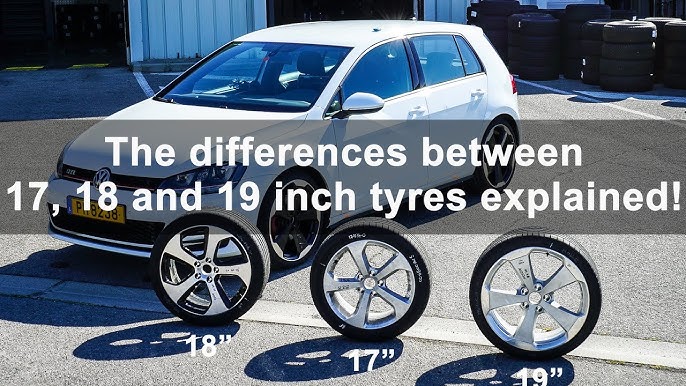
20 inch tires may improve handling and style. They offer better grip on smooth roads. But ride comfort might drop. Larger tires often feel rougher on bumps. 18 inch tires provide softer rides and better fuel economy. Performance gains with bigger tires come at a price. Think about how you drive and where. Balance cost with what fits your needs best.
Credit: www.youtube.com

Credit: www.reddit.com
Frequently Asked Questions
What Is The Price Difference Between 18 And 20 Inch Tires?
20 inch tires generally cost 10-30% more than 18 inch tires. Larger sizes use more material and advanced manufacturing. Prices also vary by brand and tire type.
Are 20 Inch Tires Worth The Extra Cost?
20 inch tires offer better handling and style but are pricier. If performance and aesthetics matter, the cost can be justified. For budget or comfort, 18 inch tires may be better.
How Does Tire Size Affect Fuel Efficiency?
Larger tires like 20 inch may slightly reduce fuel efficiency. They add weight and rolling resistance. However, the difference is often minimal for daily driving.
Can I Replace 18 Inch Tires With 20 Inch Tires?
Upgrading from 18 to 20 inch tires requires compatible rims and suspension. Check your vehicle specs to avoid fitment and safety issues.
Conclusion
Choosing between 18 and 20 inch tires depends on your needs and budget. Smaller tires usually cost less and last longer. Bigger tires can look better but often come with a higher price. Think about how you use your vehicle and what fits your wallet.
Both sizes have pros and cons. Take time to compare prices and features before buying. This way, you get the best value for your money.