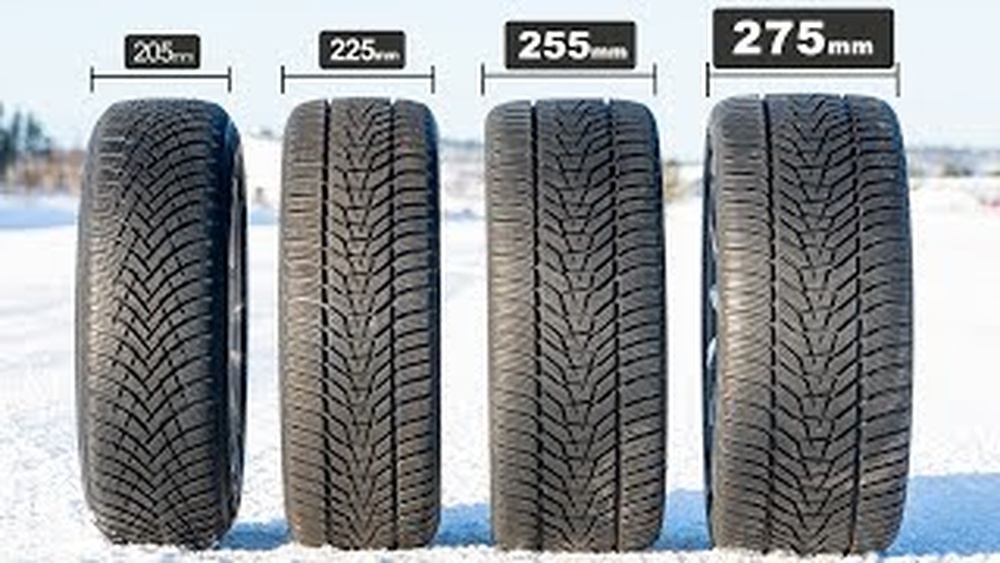
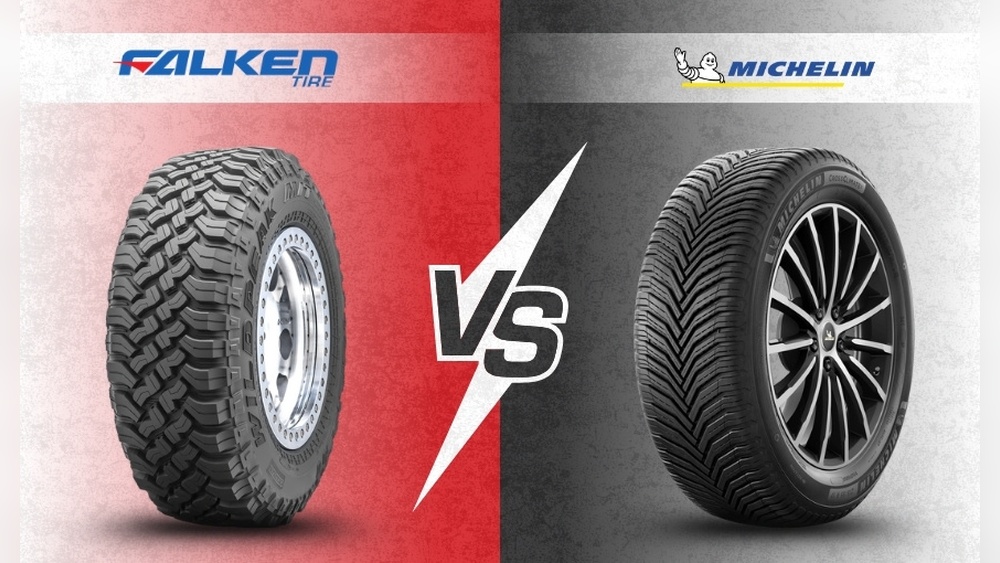
Choosing the right tire size can make a huge difference in how your vehicle handles, feels, and looks. If you’ve been wondering whether to go with 265 or 285 tires, you’re not alone.
These numbers might seem small, but they affect your ride more than you think. You’ll discover the key differences between 265 and 285 tires, so you can make the best choice for your driving style and needs. Keep reading to find out which tire size fits you perfectly.
Tire Size Basics
Tire size matters for your vehicle’s performance and look. Understanding the basics helps you choose the right tire. Two common sizes are 265 and 285. Each affects your vehicle in different ways. Let’s explore how width and profile differ and what these mean for your vehicle’s dimensions.
Width And Profile Differences
The first number in tire size shows the width in millimeters. A 265 tire is 265 mm wide. A 285 tire is 285 mm wide. The wider 285 tire offers more contact with the road. This can improve grip but may affect fuel efficiency.
The second number shows the aspect ratio or profile. It is the tire’s height as a percentage of its width. Both 265 and 285 tires can have different profiles. A higher profile means a taller sidewall, which affects ride comfort and handling.
Impact On Vehicle Dimensions
Choosing between 265 and 285 tires changes the vehicle’s overall size. Wider tires add width to your car’s stance. This may require wider fenders or cause rubbing on suspension parts.
Also, a taller tire changes the overall diameter. This can affect speedometer accuracy and ground clearance. Always check your vehicle’s specifications before upgrading tire size.

Credit: www.discountedwheelwarehouse.com
Performance On The Road
The choice between 265 and 285 tires affects how your vehicle performs on the road. Tires impact speed, control, and safety. Understanding these differences helps you choose the right tire size for your driving style and conditions.
Acceleration And Speed
Tires with a width of 265 offer less rolling resistance. This means the car can accelerate faster and reach higher speeds more easily. Narrower tires weigh less, which also helps improve fuel efficiency.
On the other hand, 285 tires have a larger contact patch. This can slow acceleration slightly due to increased friction with the road. The wider surface provides better grip but may reduce top speed marginally.
Handling And Stability
Wider 285 tires give better handling and stability on curves. The larger footprint increases road contact, which improves grip. This means safer turns and better control at high speeds.
Smaller 265 tires offer lighter steering and easier maneuvering. They perform well on dry roads and are less prone to hydroplaning in wet conditions. However, they may not provide as much stability in sharp turns as 285 tires.
Grip And Traction
Grip and traction are key for tire performance. They affect safety and driving comfort. Tires with better grip hold the road tightly. This helps in quick turns and stops. Traction matters on all surfaces, dry or wet.
Dry Surface Performance
On dry roads, both 265 and 285 tires offer good grip. The 285 tire has a wider surface. This means more rubber touches the road. It can provide better stability and control. The 265 tire is narrower but still grips well. It often feels more responsive in sharp turns. Both sizes handle dry surfaces confidently.
Wet And Off-road Conditions
Wet roads are tricky for tires. The 285 tire’s wider width helps push water away faster. This reduces slipping chances. It also improves traction on muddy or loose dirt paths. The 265 tire performs well too but may lose grip sooner. Narrower tires cut through water and mud easier. Both have strengths depending on road type and weather.
Credit: www.reddit.com
Fuel Efficiency And Wear
Fuel efficiency and tire wear are key factors in choosing between 265 and 285 tires. Both sizes affect how your vehicle uses fuel and how long the tires last. Understanding these effects helps you pick the right tire for your needs.
Rolling Resistance Effects
Rolling resistance is the force that tires face when rolling on the road. Wider tires, like 285, usually have higher rolling resistance. This means the engine works harder to move the vehicle. Higher resistance leads to more fuel use. Narrower tires, such as 265, have less rolling resistance. They help save fuel by making the engine’s job easier. Choosing tires with lower rolling resistance can improve your gas mileage.
Tire Longevity
Tire size affects how quickly tires wear out. Wider tires spread the vehicle’s weight over a larger area. This can reduce the pressure on each part of the tire. Sometimes, this means 285 tires wear slower. But wider tires can also generate more heat. Heat speeds up tire wear. Narrower 265 tires might wear faster on rough roads. Driving style and road conditions also impact tire life. Proper maintenance keeps any tire lasting longer.
Cost And Availability
Cost and availability play a big role when choosing between 265 and 285 tires. Many buyers want to know which option fits their budget. Also, they want to find tires easily without long waits. This section breaks down the price differences and market options for both tire sizes.
Price Comparison
265 tires usually cost less than 285 tires. The smaller width means less rubber and lower production costs. Prices vary by brand and tire type, but 265 tires stay more budget-friendly. 285 tires often carry a higher price tag. They require more material and may have extra features. Choosing 285 tires means paying more upfront for wider tires.
Market Options
265 tires have a wider market presence. Many car models use this size, making them easy to find. Stores and online shops stock many 265 tire options. 285 tires are less common but still available. They cater to trucks and SUVs needing wider tires. Finding 285 tires might take more searching and sometimes ordering. Both sizes have quality options, but 265 tires win in availability.

Credit: www.youtube.com
Choosing The Right Tire
Choosing the right tire is key for safety and performance. Tires affect how your vehicle handles and feels on the road. Picking between 265 and 285 tires depends on several important factors. Knowing what suits your needs helps you drive better and avoid problems.
Both sizes offer different benefits. The best choice depends on how you drive and what your vehicle can handle. Understanding these points makes tire shopping easier and smarter.
Matching Tire To Driving Style
Driving style plays a big role in tire choice. A 265 tire offers good balance and better fuel efficiency. It suits daily city driving and light highway use. A 285 tire is wider and gives more grip. It is ideal for aggressive driving or off-road trips. Choose a tire that matches how you use your vehicle.
Vehicle Compatibility
Check if your vehicle supports the tire size. Using a wrong size can cause damage or reduce safety. Consult your owner’s manual or a tire expert. The 265 tire fits most mid-size trucks and SUVs. The 285 tire fits larger trucks or vehicles with wider rims. Proper fit ensures better performance and longer tire life.
Frequently Asked Questions
What Are The Main Differences Between 265 Vs 285 Tires?
265 tires are narrower and lighter, offering better fuel efficiency. 285 tires are wider, providing improved traction and handling on rough terrain. The choice depends on your vehicle type, driving style, and road conditions.
Which Tire Size Is Better For Off-road Driving?
285 tires are generally better for off-road due to their wider surface area. They offer enhanced grip and stability on uneven terrain compared to 265 tires, making them ideal for rugged conditions.
How Does Tire Width Affect Fuel Efficiency?
Narrower tires like 265 reduce rolling resistance, improving fuel efficiency. Wider tires such as 285 increase drag and weight, which can lower gas mileage slightly. Choosing depends on balancing performance and economy.
Can I Replace 265 Tires With 285 Tires On My Vehicle?
You can replace 265 tires with 285 if your vehicle supports the wider size. Check clearance and wheel specifications to avoid rubbing or handling issues. Consult your vehicle manual or a tire expert first.
Conclusion
Choosing between 265 and 285 tires depends on your needs. The 265 tire offers better fuel economy and smoother rides. The 285 tire provides more grip and a tougher look. Think about your driving style and road conditions. Both sizes have pros and cons worth considering.
Pick the tire that fits your vehicle and driving habits best. Remember, the right tire helps with safety and performance. Take your time to decide what suits you. Your choice can affect comfort, control, and fuel use. Choose wisely for a better driving experience.