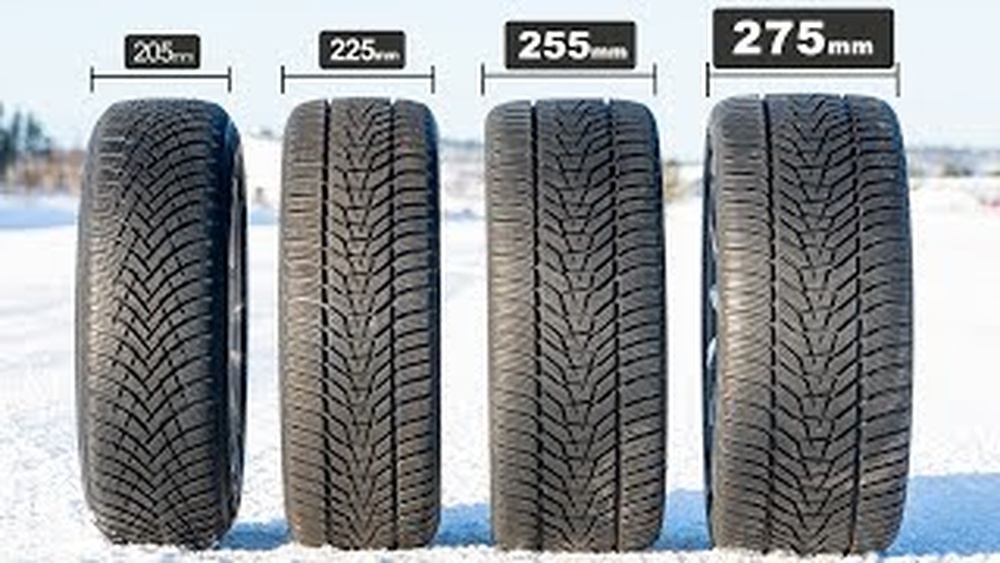
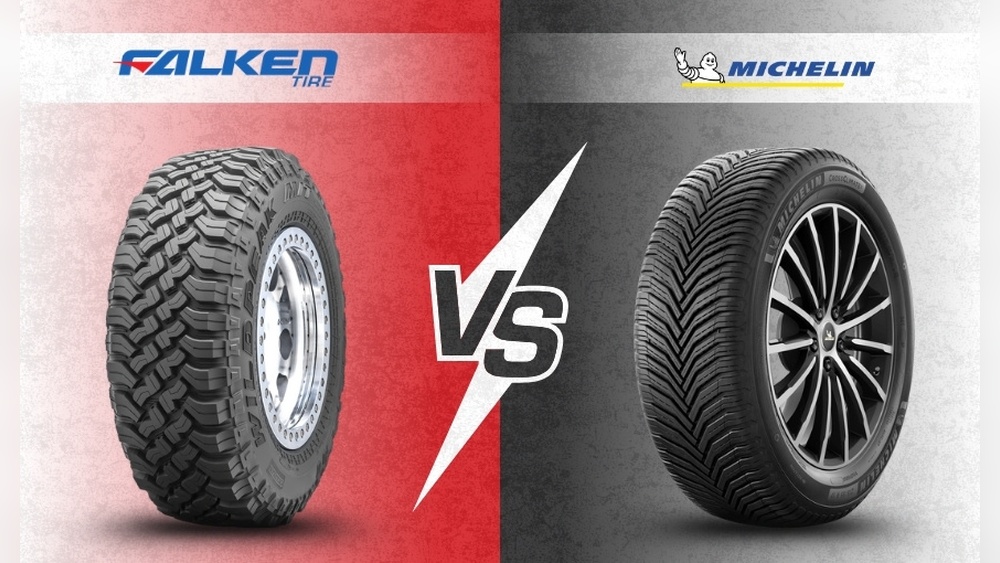
When it comes to choosing the right tires for your vehicle, the numbers on the sidewall can be confusing. You might be wondering: should you go with 285 tires or stick with 265?
This decision isn’t just about numbers—it affects your ride, handling, and even safety. You’ll discover the key differences between 285 vs 265 tires, helping you make the best choice for your driving needs. Keep reading to find out which size fits you perfectly and why it matters more than you think.
Tire Size Basics
Tire size matters a lot for your vehicle’s performance and safety. Understanding tire numbers helps you choose the right size. It affects grip, fuel efficiency, and ride comfort. Let’s break down the basics of tire sizes to see what the numbers mean.
Decoding Tire Numbers
Tire sizes have a set of numbers like 285/65R18. The first number, 285, is the tire width in millimeters. It shows how wide the tire is from sidewall to sidewall.
The second number, 65, is the aspect ratio. It tells the tire’s height as a percentage of its width. A 65 means the height is 65% of 285 mm.
The letter “R” means the tire has radial construction. The last number, 18, is the wheel diameter in inches. It fits the rim size your tire will mount on.
Width And Diameter Impact
A wider tire, like 285, offers better road grip. It helps with handling and braking on dry surfaces. A narrower tire, such as 265, can perform better in wet or snowy conditions.
The diameter affects the ride height and speedometer accuracy. Larger diameter tires raise the vehicle’s height. They can change how your speed shows on the dash.
Choosing between 285 and 265 tires depends on your driving needs. Consider road conditions and vehicle type before deciding.
Performance Differences
Performance differences between 285 and 265 tires affect your driving experience. Tire width changes how your car reacts on the road. It impacts acceleration, speed, handling, and stability. Understanding these factors helps you pick the right tire size for your needs.
Acceleration And Speed
285 tires have a wider contact patch with the road. This increases grip but also adds rolling resistance. Rolling resistance can slow down acceleration slightly. The extra weight of wider tires also affects speed. In contrast, 265 tires are lighter and have less rolling resistance. This allows for quicker acceleration and better top speed in many cases.
Handling And Stability
Wide 285 tires offer better stability in corners. They provide more traction, which helps reduce slipping. This improves control during sharp turns or fast driving. However, wider tires may feel less responsive on quick steering inputs. Narrower 265 tires respond faster to steering changes. They give more precise handling but less grip in tight turns. Both sizes improve stability over standard tires but differ in feel and control.
Grip And Traction
Grip and traction are key factors in choosing between 285 and 265 tires. They affect safety, handling, and overall driving experience. Tires with better grip hold the road firmly. Traction helps the vehicle move smoothly without slipping. The width of the tire influences both grip and traction.
Wet Surface Performance
On wet roads, tire grip is crucial to prevent slipping. The 285 tire has a wider surface that touches the road. This can improve grip by spreading water away faster. The 265 tire is narrower and may cut through water more easily. Both sizes use tread patterns to channel water and avoid hydroplaning. The wider 285 tire often offers better stability on wet surfaces.
Dry Surface Traction
Dry road traction depends on the contact patch size and tire compound. The 285 tire’s larger footprint increases grip on dry roads. This helps in cornering and quick acceleration. The 265 tire, being narrower, has less contact area but can be lighter. It may provide quicker response but less grip in sharp turns. Overall, the 285 tire gives stronger traction on dry surfaces.

Credit: www.youtube.com
Fuel Efficiency Effects
Tire size affects fuel use. Choosing 285 tires can lower mileage compared to 265 tires. Wider tires create more road friction, using extra fuel.
Choosing between 285 and 265 tires impacts your vehicle’s fuel efficiency. Tire size affects how much energy your engine uses to move the car. Bigger tires need more power to roll, which can lower mileage.
Fuel efficiency matters for saving money and reducing emissions. Understanding how these tire sizes affect fuel use helps you make a better choice.
Rolling Resistance And Fuel Use
Rolling resistance is the force tires need to keep moving. Wider tires, like 285s, have higher rolling resistance. This means the engine works harder and burns more fuel. Narrower 265 tires offer less resistance and often use less fuel.
Weight Differences And Impact
285 tires usually weigh more than 265 tires. Extra weight increases the effort needed to accelerate. More weight means more fuel consumption. Lighter tires help the engine perform better and save fuel.
Speed And Aerodynamics
Wider tires create more wind drag. This drag reduces fuel efficiency at higher speeds. The 265 tires have less surface area, so they cut through air easier. Less drag means better mileage on highways.
Overall Fuel Efficiency Considerations
265 tires tend to offer better fuel economy than 285 tires. The smaller width and lighter weight help save fuel. Choose tires based on your driving needs and fuel goals.
Ride Comfort And Noise
Ride comfort and noise play a big role in choosing between 285 and 265 tires. These factors affect your driving experience every day. Comfort means how smooth the ride feels. Noise means how loud the tires sound on the road. Both depend on tire width and design.
Ride Comfort Differences Between 285 And 265 Tires
Wider tires like the 285 have more surface touching the road. This can make the ride feel firmer. The tire sidewalls on 285 tires may be shorter, causing less cushion over bumps. Narrower 265 tires often have taller sidewalls. They absorb shocks better, giving a softer ride.
Noise Levels Of 285 Vs 265 Tires
Larger tires tend to create more road noise. The 285 tires push more air and road texture. This can make the cabin louder. The 265 tires usually make less noise. Their narrower width means less air disturbance and quieter driving.
What Affects Tire Noise Besides Size?
Tread pattern and rubber compound also change noise levels. Tires with aggressive treads can sound louder. Smooth tread designs help reduce noise. Soft rubber compounds absorb sound better than hard ones. Size is just one part of the noise puzzle.
Wear And Longevity
Tire wear and longevity matter a lot for drivers. These factors affect safety and how often tires need replacement. Choosing between 285 and 265 tires can change how long your tires last. Understanding how each tire size wears helps make a smart choice.
285 Tires Wear Characteristics
285 tires have a wider surface area on the road. This spreads pressure evenly, reducing some wear. They tend to wear slower on dry roads. But extra width can cause more heat build-up. Heat can speed up tire wear in hot conditions.
265 Tires Wear Characteristics
265 tires have a narrower tread than 285 tires. They create less heat while driving. This can help them last longer in warm weather. On rough surfaces, 265 tires may wear faster. Their smaller size can also cause uneven wear if not aligned well.
Factors Affecting Tire Longevity
Tire longevity depends on more than size. Driving habits greatly affect how fast tires wear. Regular tire rotation and proper inflation extend tire life. Road conditions and climate also play a key role. Both 285 and 265 tires need good care to last longer.
Vehicle Compatibility
Choosing between 285 and 265 tires depends on your vehicle’s compatibility. Tires must fit well to ensure safety and performance. Not all cars can handle wider tires like 285. Understanding your vehicle’s limits helps avoid costly issues.
Fitment Considerations
Tire width affects how tires fit on your wheels. A 285 tire is wider than a 265 tire. Wider tires need wider rims for proper fit. Check your vehicle’s manual for recommended tire sizes. Using the wrong tire size can cause rubbing or poor handling. Always measure your wheel width before buying tires.
Suspension And Clearance
Your vehicle’s suspension must allow extra tire width. Wider tires may touch suspension parts or the car body. This can cause damage or affect steering. Clearance space is crucial, especially on turns. Some vehicles need suspension upgrades for wider tires. Measure the gap between tires and wheel wells before upgrading.
Credit: www.4runners.com
Cost Comparison
Comparing the cost of 285 and 265 tires helps you make a smart choice. The price difference affects your budget and overall value. Understanding these costs can guide your purchase decision.
Prices vary by brand, tire quality, and size. Larger tires often cost more due to extra materials and production costs. Budget and needs will influence which tire fits best.
Initial Purchase Price
285 tires usually cost more than 265 tires. The wider design needs more rubber and stronger construction. This adds to the price at the store.
265 tires are smaller and use less material. They tend to be cheaper upfront. For buyers on a tight budget, 265 tires may be the better option.
Fuel Efficiency Impact
Wider tires like the 285 can lower fuel efficiency. They create more road resistance. This can increase fuel costs over time.
265 tires are narrower and lighter. They often help save fuel. This reduces expenses during driving.
Maintenance And Replacement Costs
285 tires may wear out faster due to their size and weight. They might need replacing sooner. This raises long-term costs.
265 tires usually last longer and cost less to replace. Maintaining them can be cheaper. This saves money in the long run.
Choosing The Right Tire
Choosing the right tire is important for safety and performance. Tires affect how your vehicle handles, brakes, and rides. Picking between 285 and 265 tires depends on several factors. These include your driving style and the conditions you usually face. Understanding these can help you make the best choice.
Driving Style Factors
Your driving style shapes the kind of tire you need. If you drive fast or take sharp turns often, wider tires like 285 may offer better grip. They provide more contact with the road. For calm, everyday driving, 265 tires can be enough. They are lighter and may improve fuel efficiency. Think about how often you drive hard or smoothly.
Climate And Road Conditions
Climate plays a big role in tire choice. In wet or snowy areas, tires with good traction matter most. Sometimes, narrower tires like 265 cut through snow better. Wider tires like 285 can struggle in deep snow or rain. Road conditions also count. Rough roads may wear wider tires faster. Smooth roads allow wider tires to perform well. Match your tires to the weather and roads you face.
Credit: www.reddit.com
Frequently Asked Questions
What Are The Main Differences Between 285 And 265 Tires?
285 tires are wider, offering better traction and stability. 265 tires are narrower, providing improved fuel efficiency and easier handling. The choice depends on vehicle type, driving needs, and road conditions.
Do 285 Tires Affect Fuel Economy Compared To 265?
Yes, 285 tires generally reduce fuel economy due to increased rolling resistance. Narrower 265 tires help maintain better gas mileage by lowering drag and weight.
Can I Fit 285 Tires Instead Of 265 On My Vehicle?
Fitting 285 tires depends on your vehicle’s clearance and wheel specs. Always check manufacturer recommendations to avoid rubbing or handling issues.
How Do 285 Tires Improve Off-road Performance Over 265?
285 tires offer a larger contact patch and better grip on uneven terrain. They provide enhanced traction and durability for off-road driving compared to 265 tires.
Conclusion
Choosing between 285 and 265 tires depends on your needs. Wider 285 tires offer better grip and stability on rough roads. Narrower 265 tires usually give better fuel efficiency and a smoother ride. Consider your vehicle type and driving style before deciding.
Both sizes fit many trucks and SUVs well. Remember, tire size affects handling and comfort too. Pick the one that matches your driving habits and road conditions best. This way, you get the most from your tires. Simple choices lead to better drives.