Choosing the right tires can make a huge difference in how your vehicle feels and performs. If you’ve been torn between 285 vs 315 tires, you’re not alone.
You want the best grip, comfort, and style without guessing which size fits your needs. This guide will help you understand the real impact of each tire size on your ride. By the end, you’ll know exactly which one suits your driving style and vehicle perfectly.
Keep reading to make a confident choice that boosts your driving experience.

Credit: mohrpolster.at
Tire Size Basics
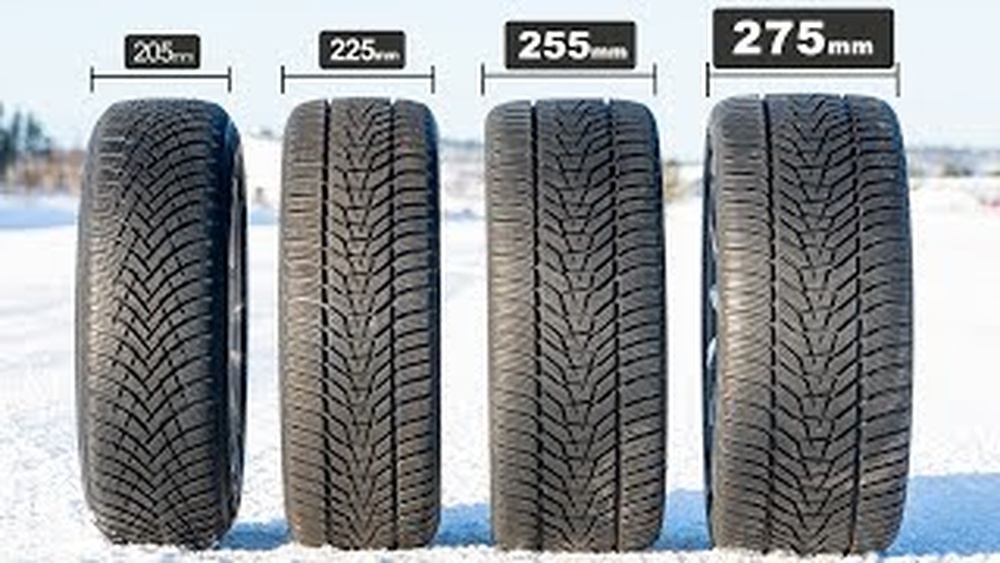
Tire size is more than just numbers on a sidewall. It tells you about the tire’s width, height, and fit. Understanding tire size helps you choose the right tires for your vehicle. This guide compares 285 and 315 tires by looking at basic tire size facts.
Decoding Tire Numbers
Tire numbers follow a simple code. The first number shows the tire’s width in millimeters. For example, 285 means the tire is 285 mm wide. The second number is the aspect ratio. It shows the tire’s height as a percentage of its width. A lower number means a shorter sidewall. The last part is the wheel diameter in inches. This tells you what size rim the tire fits.
Impact On Vehicle Fit
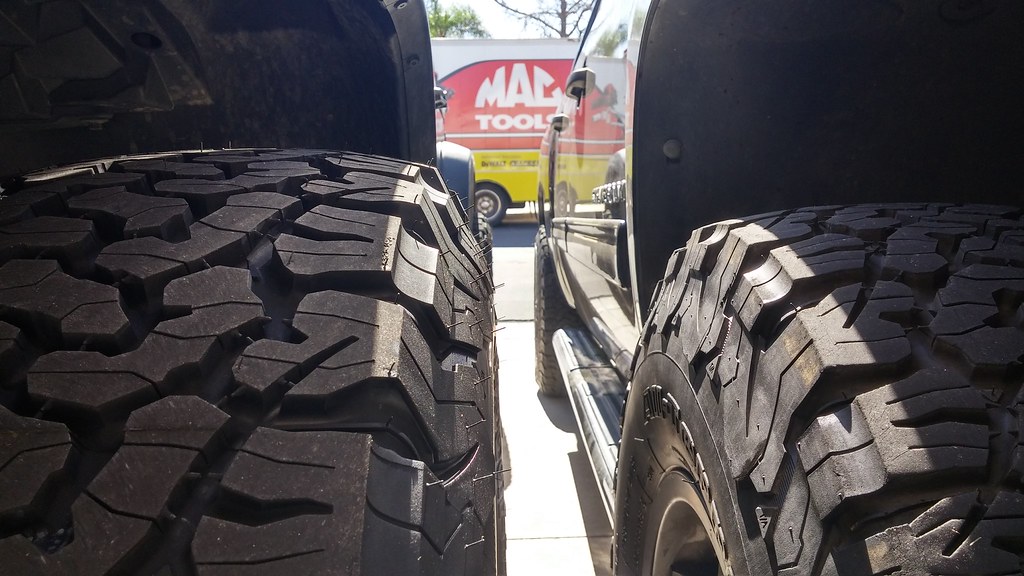
Tire width affects how a tire fits on your vehicle. A 315 tire is wider than a 285 tire by 30 mm. Wider tires may not fit all vehicles without changes. They can rub against fenders or suspension parts. Check your vehicle’s wheel well space before choosing wider tires. Also, wider tires can change handling and fuel efficiency. Proper fit ensures safe driving and good performance.
Performance Comparison
Choosing between 285 and 315 tires affects how your vehicle performs on the road. Tire size impacts driving feel and safety. This section compares their performance to help you understand the differences.
Handling And Grip
Wider 315 tires offer more surface contact with the road. This improves grip, especially during sharp turns and cornering. The 285 tires, being narrower, provide easier steering and better control on tight roads. Both sizes perform well, but 315 tires give extra stability at higher speeds.
Acceleration And Braking
285 tires are lighter and cause less rolling resistance. This helps your car accelerate faster and brake more quickly. The 315 tires add weight and surface friction, which can slow down acceleration. Braking distance may increase slightly with 315 tires, but the added grip helps maintain control during hard stops.
Fuel Efficiency
Narrower 285 tires use less energy to roll. This improves fuel efficiency and lowers fuel costs. The wider 315 tires require more power to move, reducing mileage per gallon. Choosing 285 tires can save fuel, especially for daily driving and long trips.
Durability Factors
Durability is a key factor when choosing between 285 and 315 tires. Tires must withstand tough road conditions and last long. Durability depends on several elements like tread life, sidewall strength, and resistance to wear. These features help tires perform better and keep you safe on the road.
Tread Life
Tread life means how long the tire tread lasts before wearing out. A deeper tread usually means longer life. The 315 tires often have a wider tread, offering more surface area. This can help spread the wear and extend the tread life. Proper maintenance also affects tread life significantly.
Sidewall Strength
The sidewall protects the tire from impacts and damage. Thicker sidewalls resist cuts and punctures better. The 315 tires generally have stronger sidewalls due to their size. This adds extra durability, especially on rough roads or off-road conditions. Strong sidewalls also help in carrying heavier loads.
Resistance To Wear
Wear resistance means how well a tire withstands abrasion and rough surfaces. Tires with good rubber compounds resist wear longer. The 285 tires often use advanced rubber blends to improve wear resistance. This helps keep the tire in good shape over time. Regular checks keep wear even and avoid premature damage.
Off-road Vs On-road Use
Choosing between 285 and 315 tires depends on where you drive most. Off-road and on-road uses require different tire features. Understanding these differences helps pick the right tire size for your vehicle and driving style.
Traction In Different Terrains
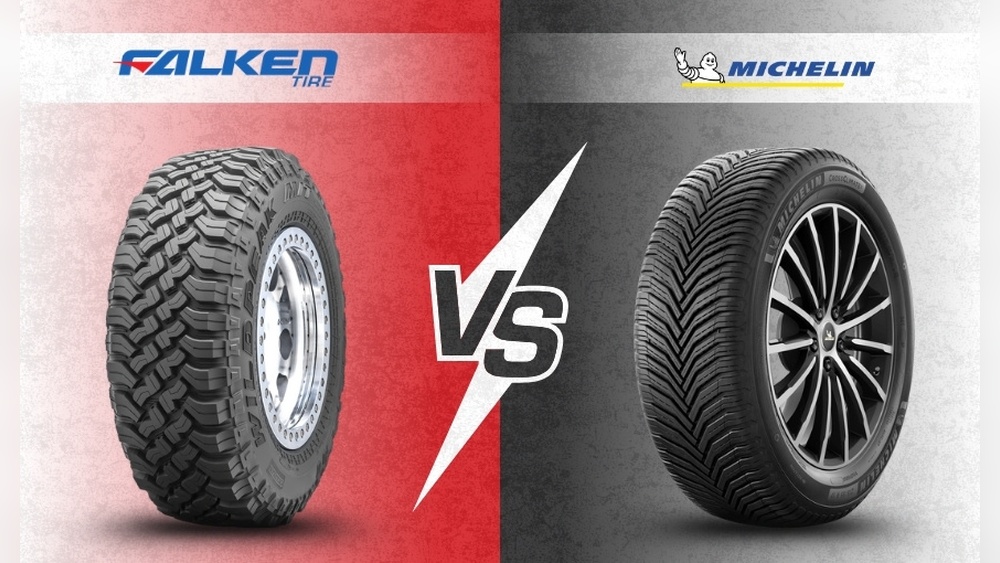
Off-road driving needs tires with strong grip on loose surfaces. Larger 315 tires offer better traction on mud, sand, and rocks. They cover more ground and dig deeper into rough terrain.
285 tires work well on paved roads and light off-road trails. They provide enough grip for daily driving and occasional dirt paths. Smaller size means easier control on smooth surfaces.
Comfort And Noise Levels
On-road comfort is important for long drives. 285 tires tend to be quieter and smoother on highways. They absorb bumps better and cause less road noise.
315 tires can be noisier on pavement due to bigger tread blocks. They may feel rougher on smooth roads but perform well off-road. Expect more vibration and sound with wider tires.
Cost Considerations
Cost matters a lot when choosing between 285 and 315 tires. It affects your budget both now and later. Understanding these costs helps you pick the best tire for your needs. Let’s explore the main cost areas to consider.
Initial Purchase Price
285 tires usually cost less than 315 tires. The price difference comes from size and material use. Bigger tires like 315 use more rubber and take more work to make. This raises their price at the store.
Choosing 285 tires can save money upfront. But price varies by brand and tire quality. Look for deals and sales to get the best price.
Long-term Maintenance
315 tires may wear faster due to their wider contact with the road. This can mean replacing tires sooner. More frequent replacements increase long-term costs.
285 tires often last longer and use less fuel. This reduces wear and saves money on gas. Proper care like regular rotation and alignment lowers maintenance costs for both sizes.
Credit: www.wranglerforum.com
Choosing The Right Tire
Choosing the right tire is key for safe and smooth driving. Tires affect how your vehicle handles roads, weather, and loads. Picking between 285 and 315 tires means thinking about several important points. Understanding these will help find the best fit for your ride and needs.
Vehicle Compatibility
Every vehicle has tire size limits set by the maker. Using the wrong size can harm your car’s performance. Check the owner’s manual or tire label for recommended sizes. A 285 tire fits many trucks and SUVs well. A 315 tire is wider and suits bigger trucks or off-road vehicles. Make sure the tire matches your wheel size and does not rub the body or suspension parts.
Driving Style And Needs
Your driving habits matter in tire choice. For city driving, a 285 tire often offers good fuel efficiency and comfort. For rough roads or heavy loads, a 315 tire gives better traction and durability. Sports driving may need wider tires like 315 for more grip. Think about the roads you drive daily and what you expect from your tires. This helps pick tires that match your style and keep you safe.

Credit: www.youtube.com
Frequently Asked Questions
What Are The Main Differences Between 285 And 315 Tires?
285 tires are narrower, lighter, and offer better fuel efficiency. 315 tires are wider, provide more traction, and enhance off-road performance. The choice depends on your vehicle type and driving needs.
Which Tire Size Offers Better Traction, 285 Or 315?
315 tires offer better traction due to their wider contact patch. This improves grip on loose or uneven surfaces. 285 tires provide decent traction but are better suited for everyday driving.
How Do 285 And 315 Tires Affect Fuel Efficiency?
285 tires generally improve fuel efficiency because of less rolling resistance. Wider 315 tires increase drag and weight, reducing fuel economy. Choose 285 tires if fuel savings matter most.
Can 315 Tires Fit On Vehicles Designed For 285 Tires?
315 tires may not fit without modifications. They require wider rims and more clearance. Always check your vehicle’s specifications before upgrading tire size.
Conclusion
Choosing between 285 and 315 tires depends on your needs. The 285 tires offer better fuel efficiency and smoother rides. The 315 tires provide more grip and handle rough roads well. Consider your vehicle type and driving style before deciding.
Both sizes have pros and cons to think about. Pick the tire that fits your daily use and budget. This way, you ensure safety and good performance on the road. Simple choices lead to better driving experiences.