Choosing the right tires can make a huge difference in your driving experience. If you’ve come across the terms 99V and 99H tires, you might be wondering which one suits your needs best.
These codes might seem confusing, but understanding them can help you pick tires that improve your safety, comfort, and performance on the road. Keep reading, and you’ll discover what sets 99V and 99H tires apart—and which one is the perfect match for your vehicle.

Credit: e-catalog.com
Tire Speed Ratings Explained
Tire speed ratings show the maximum speed a tire can safely handle. They help drivers choose tires that match their vehicle’s performance. Speed ratings also affect tire durability and ride quality. Understanding these ratings ensures safer driving and better tire use.
Decoding 99v Rating
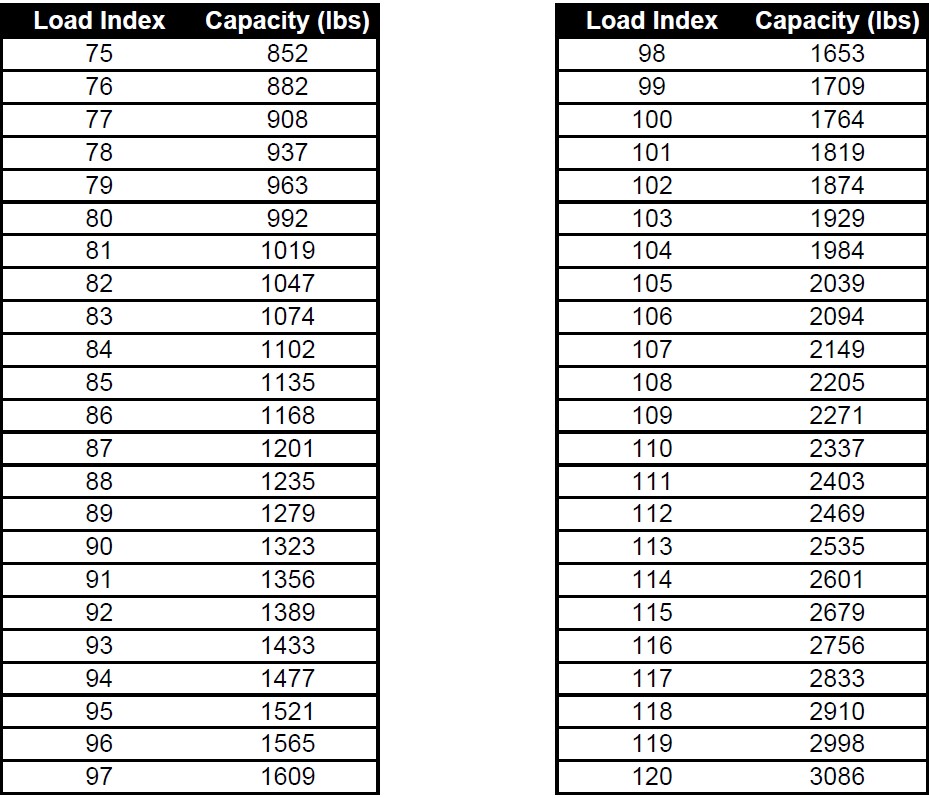
The number 99 in 99V is the load index. It means the tire can carry up to 1,709 pounds. The letter V is the speed rating. It means the tire is safe up to 149 mph (240 km/h). Tires with 99V are common on sporty cars and sedans. They offer a good balance of speed and load capacity.
Features Of 99h Rating
Like 99V, 99H also has a load index of 99. This means it carries the same weight as 99V tires. The letter H is the speed rating for 130 mph (210 km/h). These tires suit cars that need strong load capacity but lower top speed. 99H tires often provide a smoother ride and longer wear.
Credit: thelandautorepair.com
Performance Differences
Understanding the performance differences between 99V and 99H tires helps in choosing the right fit for your vehicle. These ratings indicate the speed and load capacity, but they also affect how the tires perform in daily driving. Knowing these differences can improve your driving experience and safety.
Handling And Stability
99V tires offer better handling at higher speeds. They provide more grip on curves and turns. This makes driving smoother and safer on highways. 99H tires focus more on comfort and stability at moderate speeds. They are ideal for city driving and regular roads. The choice depends on your typical driving conditions.
Speed Capabilities
The 99V rating means the tire can handle speeds up to 149 mph (240 km/h). This suits drivers who want extra speed and performance. The 99H rating supports speeds up to 130 mph (210 km/h). It fits well for everyday driving without the need for high-speed performance. Choosing the right speed rating keeps you within safe limits.
Impact On Fuel Efficiency
99H tires often provide better fuel efficiency due to their design. They have lower rolling resistance, which reduces fuel use. 99V tires may use slightly more fuel because they are built for speed and grip. The difference is small but can add up over time. Consider your priority—fuel savings or performance—when selecting tires.
Safety Considerations
Safety is a key factor when choosing between 99V and 99H tires. Both types offer different benefits and risks. Understanding these differences helps you pick the best tire for safe driving. This section looks closely at braking, traction, and heat resistance.
Braking Performance
Braking strength varies between 99V and 99H tires. The 99V tires usually stop quicker on dry roads. They have better grip, which helps reduce stopping distance. The 99H tires also perform well but slightly slower. Faster braking means less chance of accidents.
Wet And Dry Traction
Traction is how well tires stick to the road. 99V tires provide strong traction on dry surfaces. They also handle wet roads well, lowering the risk of slipping. 99H tires give good traction too but may not be as reliable in heavy rain. Good traction keeps you stable and safe.
Heat Resistance
Heat affects tire safety and lifespan. 99H tires have higher heat resistance than 99V tires. This makes 99H better for long drives or hot weather. Overheated tires can wear out fast or fail. Choosing the right heat resistance keeps your tires safe and durable.
Tire Longevity And Durability
Tire longevity and durability play a vital role in choosing the right tires for your vehicle. Both 99V and 99H tires offer strong performance, but their lifespan and toughness can differ. Understanding these differences helps you pick tires that last longer and withstand rough road conditions.
Wear Patterns
Wear patterns show how evenly tires lose tread over time. 99V tires often have a design that spreads pressure evenly. This helps reduce uneven wear and extends tire life. 99H tires may wear faster on sharp turns or hard braking. Their tread design focuses more on grip than even wear. Regular tire rotation can improve wear patterns for both types.
Resistance To Damage
Resistance to damage means how well tires handle cuts, cracks, and impacts. 99V tires usually have tougher sidewalls that resist punctures better. They handle rough roads and small debris with less risk of damage. 99H tires focus on speed and handling, so their rubber can be softer. This makes them more prone to damage on rough surfaces. Choosing tires with good damage resistance saves money on repairs and replacements.
Cost Comparison
Cost plays a big role in choosing between 99V and 99H tires. Understanding the price and value helps you make a smart choice. This section compares their costs clearly and simply.
Price Differences
99V tires usually cost a bit more than 99H tires. This is because 99V tires offer higher speed ratings. Their materials and design can add to the price. On the other hand, 99H tires are often cheaper. They target drivers who want good performance without a high cost. Prices depend on brands and stores too. But overall, expect to pay more for 99V tires.
Value For Money
99V tires give better speed and handling. This can be worth the extra price for many drivers. They also last longer on highways and fast roads. 99H tires suit daily driving and city use. They save money upfront but may wear faster at high speeds. Think about how you drive. Spending more on 99V tires can save money later. Choose the tire that fits your needs and budget best.
Choosing The Right Tire
Choosing the right tire makes a big difference in your driving. Tires affect safety, comfort, and fuel efficiency. Knowing the differences between 99V and 99H tires helps you pick the best option. Consider your driving style, vehicle type, and road conditions before buying.
Driving Habits
Your driving style impacts tire choice. If you drive fast or take sharp turns, 99V tires offer better speed and handling. For regular city driving and highway use, 99H tires provide a smooth and quiet ride. Think about how often and where you drive daily.
Vehicle Compatibility
Check your vehicle’s manual for tire recommendations. 99V tires fit sports cars and smaller vehicles well. 99H tires suit sedans and family cars. Using the right tire size and speed rating keeps your vehicle safe and stable on the road.
Climate And Road Conditions
Road and weather conditions affect tire performance. 99V tires work well on dry and wet roads but may wear faster in rough conditions. 99H tires handle well in moderate climates and provide good grip on wet surfaces. Match tires with the usual weather and roads you drive on.
Credit: integratire.com
Frequently Asked Questions
What Does 99v Mean On Tire Labels?
99V indicates the tire’s load index (99) and speed rating (V). Load index 99 supports 775 kg per tire. Speed rating V means the tire can safely handle speeds up to 149 mph (240 km/h). It helps ensure proper tire performance and safety.
How Does 99h Tire Differ From 99v Tire?
99H tires have the same load index (99) but a different speed rating (H). Speed rating H supports speeds up to 130 mph (210 km/h). Thus, 99V tires allow higher speeds than 99H tires, affecting performance and safety.
Which Tire Is Better For High-speed Driving, 99v Or 99h?
99V tires are better for high-speed driving due to a higher speed rating (149 mph). 99H tires are suitable for moderate speeds up to 130 mph. Choose 99V if you frequently drive fast or on highways.
Can I Replace 99v Tires With 99h Tires?
Replacing 99V with 99H tires is possible but not recommended for high-speed use. 99H tires have lower speed limits, potentially reducing safety and performance. Always follow your vehicle manufacturer’s tire specifications for best results.
Conclusion
Choosing between 99V and 99H tires depends on your driving needs. 99V tires offer better handling at higher speeds. 99H tires provide good performance for everyday driving. Both types ensure safety and comfort on the road. Think about your usual speed and road conditions.
This helps pick the right tire for your vehicle. Good tires improve your driving experience and safety. Keep your tires well-maintained for the best results. Tires matter. Choose wisely. Drive safely.