Choosing the right tire size can make a big difference in how your vehicle handles, looks, and performs. If you’ve been wondering whether to go with 225 or 255 tires, you’re not alone.
These two sizes are popular choices, but they offer different benefits and trade-offs that can affect your driving experience. You’ll discover exactly how 225 and 255 tires compare, so you can make the best decision for your car and your needs.
Keep reading to find out which tire size fits you perfectly.
Tire Width Basics
Tire width is a key factor in how a tire performs on the road. It affects grip, comfort, and even fuel efficiency. Choosing between 225 and 255 tires means understanding these differences. This section explains what these numbers mean and how they impact your vehicle’s handling.
What Do 225 And 255 Mean?
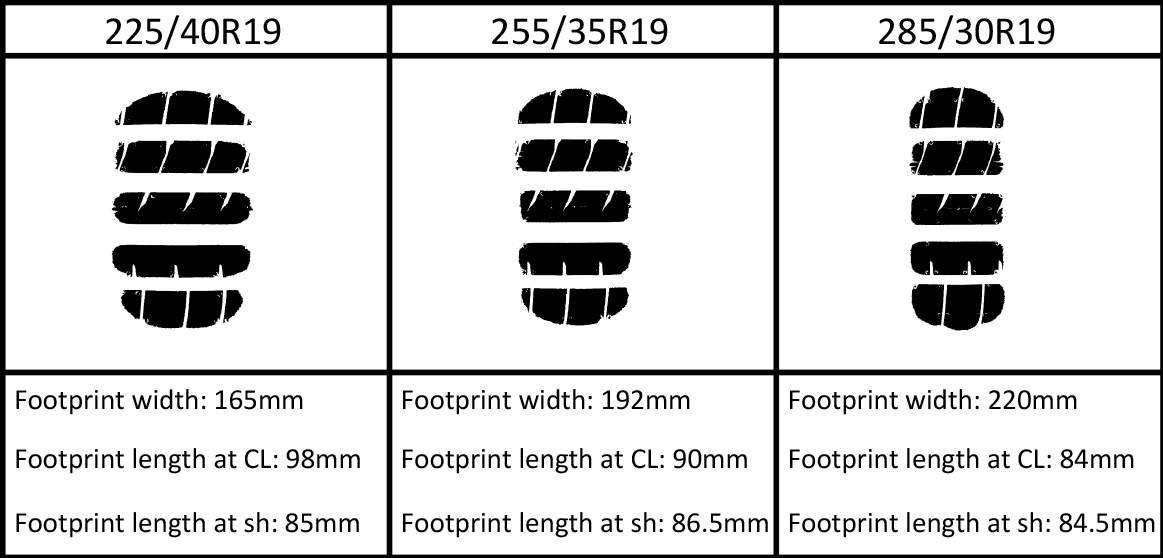
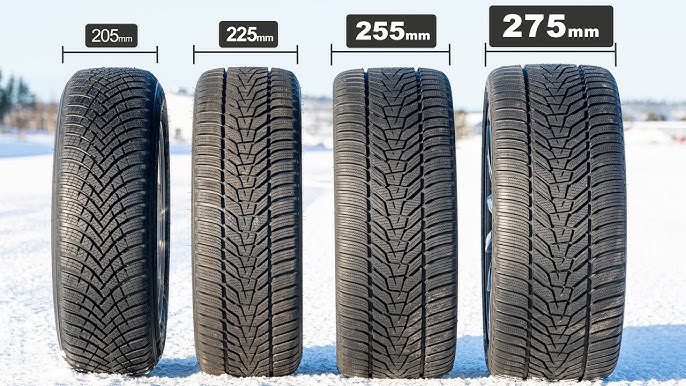
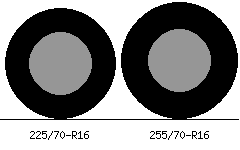
The numbers 225 and 255 refer to the tire width in millimeters. A 225 tire is 225 millimeters wide from sidewall to sidewall. A 255 tire is 255 millimeters wide. This means the 255 tire is wider by 30 millimeters. Wider tires cover more road surface. This can affect traction and stability.
Impact On Vehicle Handling
Wider tires like the 255 provide better grip on dry roads. They help the car corner more sharply and feel stable at high speeds. Narrower tires such as 225 can perform better in wet or snowy conditions. They cut through water and snow more easily. Wider tires can increase road noise and reduce fuel efficiency. The choice depends on driving style and road conditions.
Credit: www.tyrereviews.com
Performance Differences
Choosing between 225 and 255 tires affects how your vehicle performs. These differences matter for drivers who want better control and speed. Tires change how a car feels on the road. Small changes in width can make a big difference in driving experience.
Understanding these performance differences helps you pick the right tire for your needs. Below, we explore how each tire size impacts acceleration, speed, cornering, and stability.
Acceleration And Speed
225 tires are narrower and lighter. This helps the car accelerate faster because there is less rolling resistance. The engine does not work as hard to turn the wheels.
255 tires are wider and heavier. This adds more grip but can slow acceleration slightly. The extra weight means the engine uses more power to move the tires.
Top speed is usually similar for both sizes. But 225 tires may offer a small advantage in reaching speed quickly.
Cornering And Stability
255 tires have a larger contact patch with the road. This improves grip during cornering. The car feels more stable and planted in turns.
225 tires offer less grip in tight corners. The narrower surface can cause slight slipping at high speeds.
For straight-line driving, 225 tires feel lighter and easier to steer. For sharp turns, 255 tires provide better control and confidence.
Grip And Traction
Grip and traction are key factors in tire performance. They affect how your car handles on different roads. The size of the tire, such as 225 vs 255, plays a role in these qualities. Wider tires usually offer better grip but may behave differently in various conditions. Let’s explore how these two tire sizes perform on dry roads and in wet or snowy weather.
Dry Road Grip
On dry roads, wider tires like 255 provide a larger contact patch. This means more rubber touches the road. The result is better grip and improved handling. Drivers notice sharper turns and quicker stops with wider tires. The 225 tires have less surface area, which can mean less grip. However, they often feel lighter and may offer better fuel efficiency.
Wet And Snow Conditions
In wet or snowy conditions, grip depends on tire design and size. Wider tires like 255 can spread water better but may also float on water, risking hydroplaning. Narrower 225 tires cut through water more easily, offering better control. In snow, 225 tires dig deeper and grip better in slippery spots. The 255 tires may struggle more in deep snow due to their size.
Credit: www.youtube.com
Fuel Efficiency Impact
Choosing between 225 and 255 tires affects your car’s fuel efficiency. Tires with different widths create different levels of friction with the road. This friction influences how much energy your car uses to move.
Fuel efficiency means how far your car can travel using a certain amount of fuel. Tires that create less resistance help save fuel. Wider tires tend to have more resistance, which can lower fuel efficiency.
Rolling Resistance Differences
Rolling resistance is the force that tires need to keep rolling. Narrower tires like 225 usually have less rolling resistance. They use less energy to move, which helps save fuel. Wider tires like 255 have more surface contact with the road. This increases rolling resistance and uses more fuel.
Weight And Its Effect On Fuel Economy
Wider tires often weigh more than narrower ones. Extra weight means your engine works harder. This leads to higher fuel consumption. Lighter tires reduce the load on your engine. This helps maintain better fuel efficiency.
Aerodynamics And Tire Width
Tire width changes the airflow around your car. Narrow tires create less air drag. This means your car moves easier through the air. Wider tires increase air drag. More drag means the engine uses more fuel to keep speed.
Ride Comfort And Noise
Ride comfort and noise are key factors in choosing the right tire width. Tires affect how smooth and quiet your drive feels. Both 225 and 255 tires have unique impacts on comfort and road noise.
Impact Of Tire Width On Ride Comfort
Wider tires, like 255, offer better grip but can feel stiffer. Narrower tires, such as 225, often absorb bumps better. They provide a softer, smoother ride on rough roads. The tire sidewall height also matters for comfort. Taller sidewalls flex more, cushioning the ride.
Noise Levels Between 225 And 255 Tires
Wider tires tend to create more road noise. The larger contact area touches the road more firmly. Narrow tires usually produce less noise while driving. Tire tread patterns also influence how loud tires are. Quiet tires make long drives more pleasant.
Balancing Comfort And Noise For Your Drive
Choosing between 225 and 255 tires depends on your priorities. Pick 225 tires for quieter, softer rides. Choose 255 tires for better handling but more noise. Consider road types and driving style to find the best fit.
Compatibility And Fitment
Choosing between 225 and 255 tires affects your car’s performance and safety. Compatibility and fitment are key to making the right choice. Tires must match your wheels and car body to avoid problems. Understanding these factors helps you pick tires that fit well and work properly.
Wheel Size Requirements
Tire width relates closely to wheel width. A 225 tire fits wheels about 7 to 8.5 inches wide. A 255 tire needs wider wheels, usually 8.5 to 10 inches. Using a tire on a wheel too narrow or wide can cause poor handling. Always check your wheel width before choosing tire size.
Proper wheel and tire pairing ensures good grip and safety. It also helps maintain your car’s original driving feel.
Clearance Issues
Wider tires like 255 need more space inside the wheel well. Check for enough room around the tire to avoid rubbing on suspension parts or fenders. Lack of clearance can damage your tires and car parts.
225 tires usually have fewer clearance problems. Wider tires might require adjusting or modifying your car. Measuring space before buying tires avoids costly fixes later.
Cost Considerations
Cost is a key factor when choosing between 225 and 255 tires. It affects your budget from the start and during the life of the tires. Understanding different costs helps you pick the right tire without surprises.
Price Differences
225 tires usually cost less than 255 tires. The smaller width means less material is used. This lowers the price for manufacturing and selling. You can expect to pay more for 255 tires due to their larger size. Prices vary by brand and tire type. Checking prices from several sellers gives you the best deal.
Maintenance And Longevity
225 tires often last longer because they weigh less. They use less fuel and reduce wear on suspension parts. This can lower maintenance costs over time. 255 tires may wear faster, especially on rough roads. They need more fuel, which adds to running costs. Regular checks and proper care help all tires last longer. Keep tire pressure correct and rotate tires to avoid uneven wear.
Credit: www.tacomaworld.com
Choosing The Right Tire Width
Choosing the right tire width matters for safety and performance. The width affects grip, handling, and comfort. Picking between 225 and 255 tires depends on several factors. Understand your needs before making a choice. This helps match the tire to your driving habits and vehicle.
Driving Style And Needs
Your driving style influences the best tire width. Narrower tires, like 225, often provide better fuel economy. They work well for city driving and smooth roads. Wider tires, such as 255, offer more grip on turns. They suit aggressive driving or sporty cars. Consider how you drive daily to decide.
Vehicle Type And Usage
The type of vehicle matters for tire size. Smaller cars usually fit 225 tires well. Larger vehicles or trucks may need 255 tires for stability. Think about where you drive most. Rough roads or off-road paths may require wider tires. This adds durability and control to your ride.
Frequently Asked Questions
What Are The Main Differences Between 225 And 255 Tires?
225 tires are narrower than 255 tires, affecting grip and fuel efficiency. 255 tires offer better traction but may reduce mileage slightly. The size difference impacts handling, ride comfort, and vehicle aesthetics.
How Does Tire Width Affect Vehicle Performance?
Wider tires like 255 provide more road contact, improving grip and cornering. Narrower 225 tires typically offer better fuel economy and a smoother ride. Tire width influences steering response and overall driving experience.
Can I Replace 225 Tires With 255 Tires Safely?
Yes, if the vehicle’s wheel wells and rims support 255 tires. Check manufacturer guidelines for compatible tire sizes. Improper fitment may affect handling, safety, and speedometer accuracy.
Which Tire Size Is Better For Fuel Efficiency?
225 tires are generally better for fuel efficiency due to less rolling resistance. Wider 255 tires increase drag and weight, which can reduce mileage. Choose based on your priority between performance and economy.
Conclusion
Choosing between 225 and 255 tires depends on your needs. Wider tires, like 255, offer better grip and a bold look. Narrower 225 tires often give better fuel economy and smoother rides. Think about your driving style, road type, and budget.
Both sizes work well but serve different purposes. Pick the one that fits your car and how you drive. Simple choices lead to safer, more comfortable trips every time.