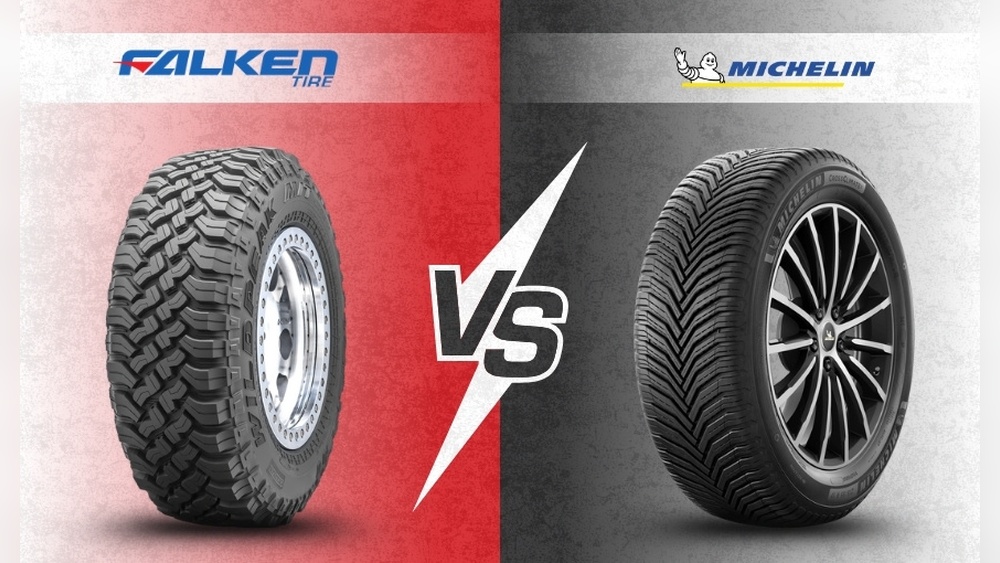
Choosing the right tires can make a big difference in your driving experience. When it comes to top brands, Continental and Michelin often stand out.
But which one is truly better for your needs? You want tires that offer safety, durability, and value for your money. This article will help you see the key differences between Continental and Michelin tires so you can make the best choice for your vehicle and your peace of mind.
Keep reading to discover what sets these two giants apart and which tire fits your driving style perfectly.
Brand Histories
Understanding the history of a tire brand helps to know its values and strengths. Both Continental and Michelin have long histories. These stories show their growth and commitment to quality. Let’s explore their legacies and journeys.
Continental’s Legacy
Continental began in Germany in 1871. It started by making rubber products. Soon, it focused on tires for bicycles and cars. Continental grew quickly with new technology and strong engineering. The brand became known for safety and durability. Today, Continental makes tires for many vehicles worldwide.
Michelin’s Journey
Michelin started in France in 1889. The founders were brothers who loved innovation. They created the first removable tire for cars. Michelin also introduced the radial tire, a major advance. The brand is famous for quality and performance. Michelin tires are used in many racing events and everyday driving.
Performance Metrics
Performance metrics reveal how well tires work on roads. They help drivers choose the best tire for safety and comfort. Continental and Michelin are top brands. Comparing their grip, braking, and handling shows their strengths.
Grip And Traction
Grip means how well tires hold the road surface. It affects driving on wet or dry roads. Continental tires offer strong grip in wet conditions. They use special rubber compounds to improve traction. Michelin tires provide excellent grip on dry roads. Their tread design helps maintain steady contact with the road. Both brands reduce slipping but differ in focus areas.
Braking Distance
Braking distance is the length a car travels before stopping. Short braking distances mean safer drives. Continental tires often show shorter stops on wet roads. Their tread patterns channel water away quickly. Michelin tires excel in dry braking tests. Their rubber compounds increase friction for faster stops. Choosing tires depends on usual driving conditions.
Handling And Stability
Handling is how well a tire responds to steering. Stability means the tire keeps the car steady at speed. Continental tires provide firm handling on curves. Their sidewalls are designed to reduce flex. Michelin tires offer smooth stability on highways. They balance comfort with control effectively. Both brands deliver reliable performance for daily driving.
Tire Durability
Tire durability matters a lot for safety and cost. Durable tires last longer and resist damage better. Both Continental and Michelin offer strong durability, but they differ in details. Understanding these differences helps in choosing the right tire for your needs.
Tread Life
Continental tires often have a good tread life. They use strong rubber compounds to slow down wear. Michelin tires usually last longer on the road. Their tread design helps spread pressure evenly. This reduces fast wear and tear. Both brands provide tires that can handle many miles.
Resistance To Wear
Resistance to wear means how well tires fight damage. Continental tires resist cuts and scrapes well. Their materials protect the tire’s surface from rough roads. Michelin tires focus on heat resistance. This helps prevent cracking and breaking over time. Each brand uses special technology to keep tires strong.
Warranty And Support
Continental offers warranties that cover tread life and defects. They provide roadside assistance in some cases. Michelin also gives solid warranty coverage. Their support includes free tire replacement for some issues. Both brands aim to back their products with good service. Checking warranty details is important before buying.
Fuel Efficiency
Fuel efficiency is a key factor in choosing the right tires. It affects how much fuel your vehicle uses. Better fuel efficiency means fewer trips to the gas station and lower fuel costs. Both Continental and Michelin offer tires that aim to reduce fuel consumption. Let’s explore how they compare.
Rolling Resistance
Rolling resistance is the force that tires use to roll on the road. Lower rolling resistance helps tires move easier. Continental tires focus on materials that reduce this resistance. Michelin also uses special compounds to lower rolling resistance. Both brands work hard to keep this number low. Lower resistance means the engine uses less energy.
Impact On Mileage
Lower rolling resistance tires improve mileage. Continental tires often show good fuel savings in tests. Michelin tires also offer strong mileage performance. The difference between the two is usually small. Both brands help drivers save fuel over time. Choosing either can lead to better fuel economy than standard tires.
Comfort And Noise
Comfort and noise are key factors in choosing tires. They affect your driving experience every day. Tires that offer a smooth ride and low noise make trips more enjoyable. Both Continental and Michelin focus on these aspects. Let’s explore how they compare in ride smoothness and noise levels.
Ride Smoothness
Continental tires provide a soft and stable ride. They absorb bumps well on rough roads. This reduces vibrations inside the car. Michelin tires also deliver a comfortable ride. They use special materials to soften impacts. Both brands aim to keep your drive smooth and steady. Yet, Continental tires tend to feel slightly softer on uneven surfaces.
Noise Levels
Noise from tires affects your peace inside the cabin. Continental tires use tread designs that cut down road noise effectively. Their quiet ride helps reduce fatigue on long drives. Michelin tires are also known for low noise output. They focus on patterns that minimize sound waves. Overall, both offer quiet rides, but Michelin tires often have a slight edge in noise reduction.
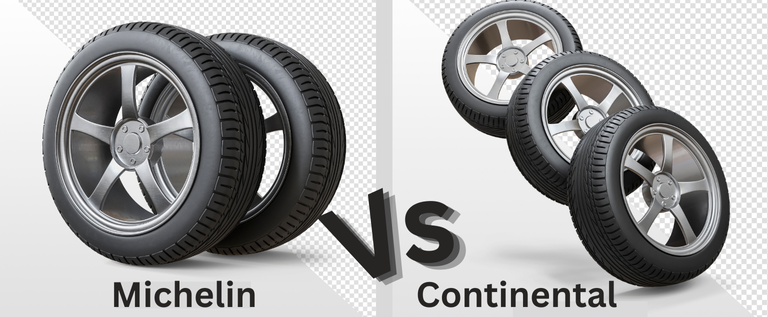
Credit: www.eagletyres.com.au
Price And Value
Choosing between Continental and Michelin tires involves more than just quality. Price and value play a big role in decision-making. Both brands offer different price points and benefits. Understanding cost and long-term value helps pick the right tire for your needs.
Cost Comparison
Continental tires usually cost less than Michelin tires. The price difference varies by tire type and size. Continental offers affordable options for budget buyers. Michelin tires tend to be pricier but come with advanced features. The initial cost is higher for Michelin, but many find it worth the price.
Long-term Value
Michelin tires often last longer than Continental tires. Their durability can save money over time. Continental tires also provide good wear life but may need replacing sooner. Fuel efficiency is another factor. Michelin tires often improve gas mileage, lowering running costs. Continental tires perform well but may not match Michelin’s fuel savings. Consider how long tires last and how they affect fuel use. This helps calculate true value beyond just the purchase price.
Specialized Tire Options
Tires from Continental and Michelin offer a variety of options for different driving needs. Each brand specializes in tires designed for specific conditions. Choosing the right type helps improve safety and performance. This section compares their specialized tire options across key categories.
Winter Tires
Continental winter tires focus on strong grip on snow and ice. Their tread patterns clear slush quickly. Michelin winter tires use advanced rubber that stays soft in cold weather. Both brands offer durable tires for cold climates. Continental tends to emphasize stability. Michelin highlights better braking on icy roads.
All-season Tires
All-season tires from Continental balance wet and dry road performance. They provide steady traction year-round. Michelin all-season tires aim for a smooth ride and long tread life. These tires handle light snow well. Both brands suit daily driving in mixed weather. Continental tires often feel firmer. Michelin tires offer more comfort.
Performance Tires
Continental performance tires deliver sharp handling and quick response. They fit sporty cars and sedans. Michelin performance tires focus on speed and cornering control. These tires use technology from racing. Both brands create tires that improve driving fun. Continental tires usually give more road feedback. Michelin tires provide excellent grip at high speeds.

Credit: www.youtube.com
Customer Feedback
Customer feedback plays a key role in choosing between Continental and Michelin tires. It shows real experiences from drivers. This feedback helps to understand how each brand performs on the road. It also highlights strengths and weaknesses.
User Reviews
Many drivers praise Continental tires for their strong grip on wet roads. They say these tires offer good control and safety. Some users mention quieter rides with Continental. A few note faster tread wear in rough conditions.
Michelin tires get high marks for durability and fuel efficiency. Users often share stories of long-lasting tread life. They report smooth rides and good performance in dry conditions. Some users find Michelin tires a bit pricey but worth the cost.
Expert Opinions
Tire experts note Continental’s advanced technology for wet traction. They point out Continental’s balanced performance in many weather types. Experts appreciate the brand’s focus on safety features.
Michelin receives praise for innovation in tire compounds and tread design. Experts highlight Michelin’s strength in fuel-saving and comfort. They often recommend Michelin for drivers seeking long-term value.
Final Verdict
Choosing between Continental and Michelin tires depends on what you need most. Both brands offer strong options, but each shines in different areas. Let’s break down the final verdict to help you decide.
Best For Daily Driving
Continental tires are great for daily use. They provide a smooth, quiet ride. Their tires last long and handle wet roads well. This makes them safe and comfortable for everyday trips.
Best For Performance
Michelin stands out in performance. Their tires offer excellent grip and control at high speeds. They work well on dry and wet surfaces. Sporty drivers often choose Michelin for better handling and safety.
Best Overall Choice
Michelin offers the best balance of comfort, durability, and performance. Their tires perform well in many conditions. Continental is strong but leans more towards comfort and safety. For most drivers, Michelin is the top pick.
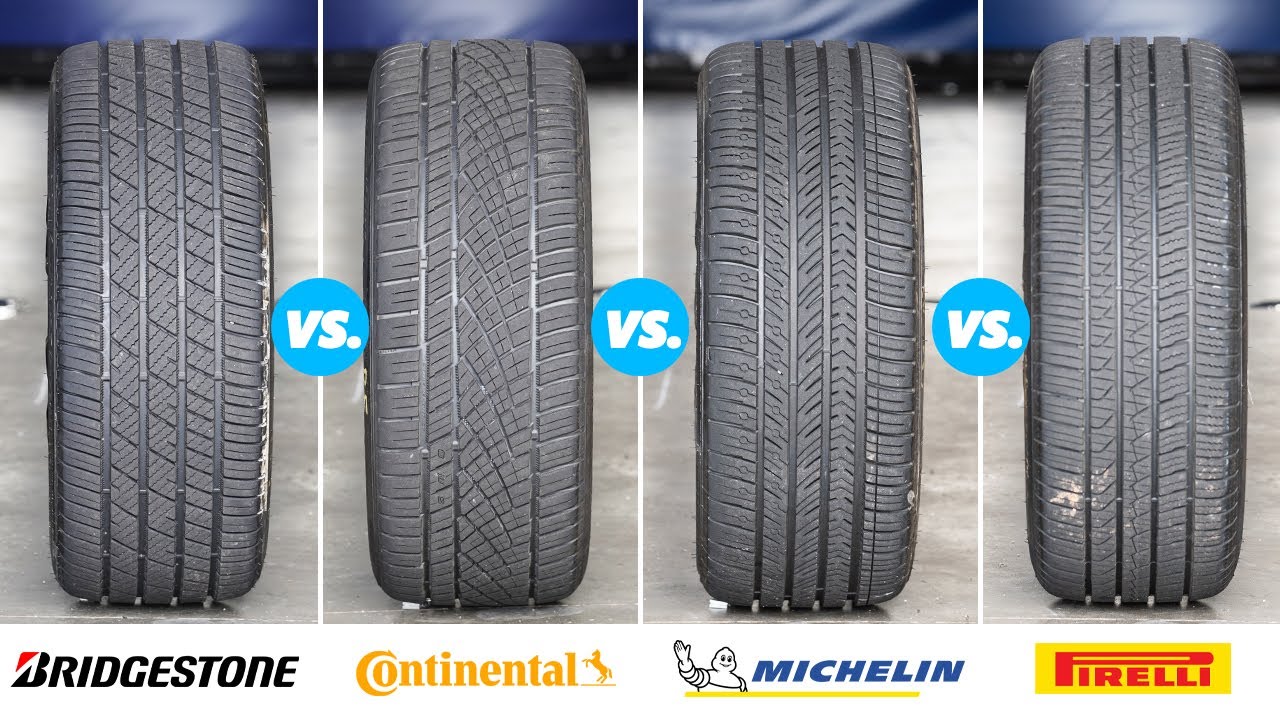
Credit: www.youtube.com
Frequently Asked Questions
Which Tire Brand Offers Better Wet Traction, Continental Or Michelin?
Continental tires generally provide superior wet traction due to advanced tread designs. Michelin also performs well but Continental often excels in wet conditions, enhancing safety and control on rainy roads.
Are Continental Tires More Durable Than Michelin Tires?
Michelin tires are known for their exceptional durability and long tread life. Continental tires also offer good durability, but Michelin often leads in lifespan, making them a cost-effective choice for long-term use.
How Do Continental And Michelin Tires Compare In Fuel Efficiency?
Michelin tires typically provide better fuel efficiency thanks to low rolling resistance technology. Continental tires are competitive but Michelin’s innovations often result in noticeable fuel savings over time.
Which Brand Has Better Tire Options For Performance Vehicles?
Both brands offer excellent performance tires. Michelin is favored for high-speed stability and precision. Continental excels in handling and braking. Choice depends on specific vehicle needs and driving style.
Conclusion
Both Continental and Michelin offer strong tire choices for drivers. Continental excels in wet and winter conditions. Michelin stands out for long tread life and comfort. Price varies but both provide good value. Think about your driving style and road needs.
Choose the brand that fits your priorities best. Safe and smooth rides depend on the right tires. Trust your judgment and drive with confidence.