When it comes to choosing the right tires for your vehicle, you want the best mix of performance, safety, and value. You’ve probably come across Toyo Tires and Yokohama Tires, two big names that promise quality and reliability.
But which one truly fits your driving needs? This comparison will help you see the key differences and benefits of each brand, so you can make a confident choice. Keep reading to discover which tires will keep you rolling smoothly and safely on the road.

Credit: www.youtube.com
Toyo Tires Overview
Toyo Tires is a well-known tire brand with a strong presence worldwide. It offers a variety of tires for different vehicles and driving needs. Many drivers trust Toyo Tires for their quality and performance. The brand focuses on safety, durability, and a smooth ride.
Understanding Toyo Tires helps you see how it compares to other brands. Here is an overview of its history, key models, and performance features.
Brand History And Reputation
Toyo Tires started in Japan in 1945. It grew quickly by making reliable tires. The brand now sells tires in over 100 countries. Toyo Tires is known for innovation and quality. It often appears in motorsports, proving its strength. Customers value Toyo for long-lasting and safe tires.
Key Tire Models
Toyo offers many tire models for cars, trucks, and SUVs. The Proxes series is popular for sporty driving. Open Country tires suit off-road adventures and trucks. The Extensa line targets daily driving with comfort. Each model meets different needs and road types. This variety helps drivers find the right tire.
Performance Features
Toyo Tires focus on grip, handling, and quiet rides. Their tread designs improve traction on wet and dry roads. Many tires use advanced rubber compounds for longer wear. They also reduce road noise for comfort. Toyo’s tires often have strong sidewalls to resist damage. These features ensure safety and reliability on all trips.
Yokohama Tires Overview
Yokohama Tires is a well-known tire brand with a strong global presence. It offers a wide range of tires for cars, trucks, and SUVs. The brand is popular for its quality, durability, and performance. Below is a detailed look at Yokohama Tires through its history, popular lines, and performance features.
Brand History And Reputation
Yokohama Rubber Company started in 1917 in Japan. It grew to become one of the top tire makers worldwide. The company focuses on innovation and technology. It has earned respect for making reliable and safe tires. Many drivers trust Yokohama for daily driving and racing alike.
Popular Tire Lines
Yokohama offers tires for different needs. The ADVAN series is popular for sports cars and performance driving. The Geolandar line targets SUVs and off-road vehicles. The BluEarth series focuses on eco-friendly and fuel-efficient tires. Each line has several models to fit various budgets and vehicles.
Performance Attributes
Yokohama tires provide excellent grip on wet and dry roads. They offer good handling and stability at high speeds. The tires often feature advanced tread designs to reduce noise. Many models deliver long tread life and fuel savings. Comfort and safety remain key strengths for Yokohama tires.
Tread Design And Grip
Tread design and grip are key for tire performance. They affect handling, safety, and driving comfort. Good tread patterns help tires stay on the road in different conditions. Both Toyo and Yokohama focus on unique tread designs to improve grip and control.
Toyo Tread Patterns
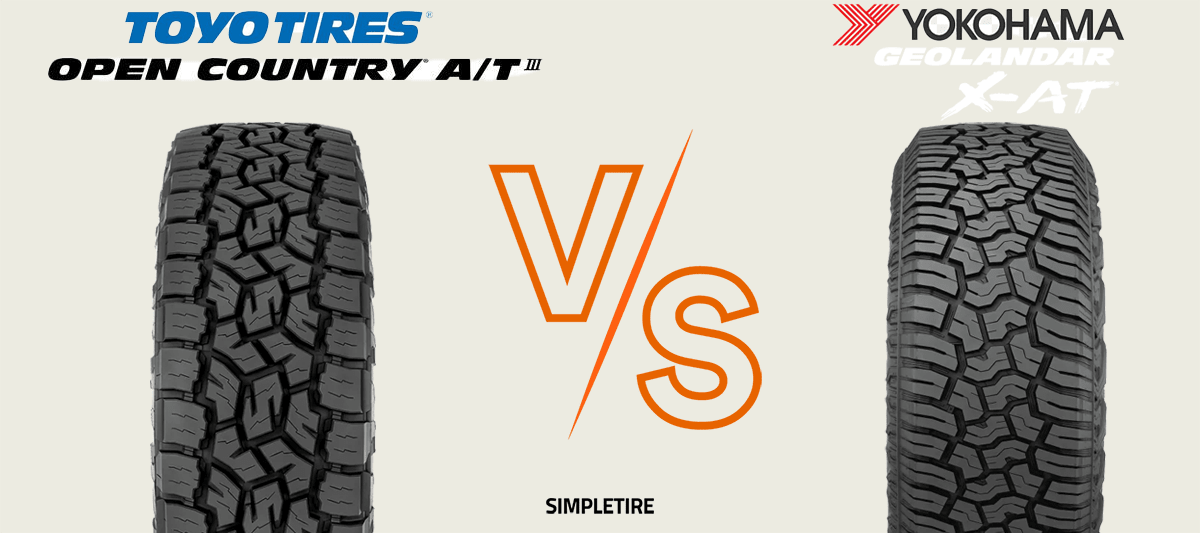
Toyo tires often have aggressive tread designs. Their patterns include wide grooves and large blocks. These features help move water and dirt away from the tire. Toyo uses special designs for off-road and street tires. This variety supports strong grip on wet and dry roads.
Yokohama Tread Patterns
Yokohama tires feature precise and balanced tread patterns. Their designs focus on smooth water evacuation and quiet rides. Yokohama uses asymmetric and directional tread styles. These patterns improve stability and reduce road noise. The tread also helps with even wear over time.
Impact On Traction
Tread patterns directly affect traction on different surfaces. Toyo’s deep grooves enhance grip on rough or wet terrain. Yokohama’s designs offer better control on highways and city roads. Both brands aim to reduce slipping and improve braking. The right tread helps keep drivers safe and confident.
Handling And Stability
Handling and stability are key for safe and confident driving. Tires affect how your vehicle responds to turns, speed changes, and road conditions. Good handling means the car moves smoothly and predictably. Stability keeps the vehicle steady on straight roads and curves. Both Toyo and Yokohama make tires focused on these traits. Their designs aim to balance grip, control, and comfort.
Toyo Handling Characteristics
Toyo tires offer sharp and responsive handling. Their tread patterns help maintain strong road contact. This improves control during fast turns and sudden moves. The tires deliver good grip on dry and wet roads. Drivers feel the car reacts quickly to steering inputs. Toyo tires also reduce road noise, enhancing driving comfort. The sidewalls are firm, which helps with corner stability. Overall, Toyo tires support confident and precise driving.
Yokohama Handling Traits
Yokohama tires focus on smooth and stable handling. Their designs provide steady grip, especially on wet surfaces. Yokohama tires absorb road bumps well, adding comfort. They offer reliable traction for both city and highway driving. The tires help keep the vehicle balanced on curves. Yokohama’s rubber compounds improve wet-weather safety. These tires give drivers a calm and controlled ride. The handling feels natural and secure.
Comparative Analysis
Toyo excels in sharpness and quick response. Yokohama shines in smoothness and steady grip. Toyo may suit drivers who like sporty handling. Yokohama fits those preferring comfort and balance. Both brands perform well in wet conditions. Toyo edges ahead in corner precision. Yokohama leads in ride comfort and stability. Your choice depends on driving style and road types. Both offer solid handling and stability features.
Wet And Dry Performance
Wet and dry performance are key factors when choosing tires. They affect safety, control, and driving comfort. Different tire brands offer varied results on wet roads and dry surfaces. Understanding how Toyo and Yokohama perform helps you pick the right tire.
Toyo Performance In Wet Conditions
Toyo tires provide solid grip on wet roads. Their tread design channels water away quickly. This reduces the risk of hydroplaning. Drivers feel confident during heavy rain. Toyo tires maintain good traction on slippery surfaces. They offer stable braking and cornering in wet weather.
Yokohama Performance In Dry Conditions
Yokohama tires excel on dry roads. They deliver strong handling and fast response. The rubber compound enhances road contact. Drivers enjoy smooth rides and sharp turns. Yokohama tires also perform well at high speeds. They provide reliable braking on dry pavement.
Performance In Various Weather
Both Toyo and Yokohama handle different weather well. Toyo leans slightly toward wet road safety. Yokohama shines on dry, warm days. Each brand uses special compounds for weather changes. Both offer tires designed for summer and all-season use. This ensures balanced performance year-round.
Credit: simpletire.com
Durability And Wear
Durability and wear are key factors in choosing the right tires. They affect safety, performance, and cost over time. Tires with good durability last longer and handle wear better. This saves money and reduces the need for frequent replacements. Comparing Toyo Tires and Yokohama Tires on these points helps find the best option for your needs.
Toyo Tire Longevity
Toyo Tires are known for lasting many miles. They use strong rubber compounds that resist wear. Their tread designs also help spread pressure evenly. This prevents fast wear in specific areas. Toyo Tires often perform well on rough roads. Many drivers report good tire life under normal conditions.
Yokohama Tire Lifespan
Yokohama Tires focus on durability through advanced materials. Their tires often include special polymers to extend life. They balance grip and wear resistance carefully. Yokohama tires can last long on highways and city roads. Users find them reliable for both wet and dry conditions.
Factors Affecting Durability
Several things affect how long tires last. Road type and driving habits play a big role. Rough roads and aggressive driving cause faster wear. Proper tire maintenance also matters a lot. Keeping correct air pressure and regular rotations help. Weather conditions can speed up tire aging. Both Toyo and Yokohama recommend following care guidelines for best results.
Price And Value
Price and value play a major role in choosing the right tires. Buyers want tires that fit their budget and last long. Both Toyo and Yokohama offer options that balance cost with quality. Understanding their pricing helps find the best fit for your needs.
Toyo Pricing Strategy
Toyo Tires usually set prices in the mid-range market. They aim to offer good quality without high costs. Toyo focuses on durable tires that serve daily drivers well. Their pricing reflects solid performance with reasonable lifespan.
Yokohama Pricing Overview
Yokohama Tires tend to have a wider price range. Some models are affordable, while others are premium. This brand targets drivers who want advanced technology. Their prices match features like better grip and longer tread life.
Cost Vs Performance
Both brands deliver value, but in different ways. Toyo offers steady performance for a fair price. Yokohama provides extra features but at a higher cost. Choose based on which fits your budget and driving style best.
Customer Reviews And Feedback
Customer reviews and feedback offer real insights about Toyo and Yokohama tires. They reveal how these tires perform in everyday situations. Buyers share what they liked and disliked after using them. This section explores actual user experiences and common opinions.
Toyo User Experiences
Toyo tire users often praise the strong grip on wet roads. Many say these tires handle well in rain and light snow. Drivers like the quiet ride Toyo tires provide. Some users mention that Toyo tires last a long time. A few report rough performance on ice or deep snow.
Yokohama User Opinions
Yokohama tire owners appreciate the smooth driving experience. They note good traction on dry and wet surfaces. Several users find Yokohama tires comfortable for long trips. Some reviews highlight fast wear on rough roads. A few customers wish for better noise reduction.
Common Praise And Complaints
Both brands receive praise for excellent wet road traction. Users agree they improve vehicle handling and safety. Noise levels vary, with some users finding tires quieter than others. Wear rates differ depending on driving style and road types. Complaints mostly focus on performance in harsh winter conditions.
Ideal Use Cases
Choosing the right tire depends on where and how you drive. Both Toyo Tires and Yokohama Tires offer strong benefits. Each brand suits specific driving needs and road conditions. Understanding their ideal use cases helps you make a smart choice. This section breaks down the best conditions for each tire and helps match them to your driving style.
Best Conditions For Toyo Tires
Toyo Tires perform well on dry and wet roads. They have excellent traction for city and highway driving. Their durability suits long trips and frequent use. Toyo’s designs handle sharp turns with good stability. These tires also work well in light snow, but not heavy winter conditions. Drivers who value comfort and quiet rides like Toyo Tires.
Best Conditions For Yokohama Tires
Yokohama Tires excel on rough and uneven surfaces. They offer strong grip for off-road and rugged terrains. Their tread patterns help in mud and loose dirt. Yokohama tires also provide good performance in rainy weather. Sports car drivers prefer Yokohama for their high-speed control. These tires suit drivers who need extra traction and toughness.
Choosing Based On Driving Needs
Think about your daily roads and weather. Choose Toyo Tires for smooth highways and city streets. Pick Yokohama Tires if you drive off-road or in harsh weather. Consider how often you drive and road types. Toyo fits drivers wanting comfort and quiet. Yokohama fits drivers needing grip and durability. Match tires to your driving for safety and better performance.

Credit: www.discountedwheelwarehouse.com
Frequently Asked Questions
Which Tire Brand Offers Better Performance, Toyo Or Yokohama?
Toyo Tires generally provide excellent traction and durability for everyday use. Yokohama excels in high-performance and racing tires, offering superior grip and handling. Choice depends on your driving needs and vehicle type.
Are Toyo Tires More Affordable Than Yokohama Tires?
Toyo Tires tend to be more budget-friendly with a focus on value. Yokohama Tires are often priced higher due to advanced technology and premium materials. Budget and performance priorities influence the best option.
How Do Toyo And Yokohama Tires Compare In Tread Life?
Both brands offer good tread life, but Toyo tires often last longer in regular driving. Yokohama tires may wear faster due to their softer, performance-focused compounds. Driving style and conditions also impact tread longevity.
Which Brand Is Better For Off-road Driving, Toyo Or Yokohama?
Toyo Tires are widely recognized for excellent off-road and all-terrain performance. Yokohama offers limited off-road options, mainly focusing on street and performance tires. For rugged terrain, Toyo is usually preferred.
Conclusion
Toyo Tires and Yokohama Tires both offer strong options for drivers. Toyo focuses on durability and performance on rough roads. Yokohama provides good grip and comfort for daily use. Your choice depends on your driving needs and budget. Both brands have models that suit different vehicles and weather.
Check reviews and compare prices before buying. Tires affect your safety and ride quality. Choose wisely to enjoy a smooth and safe drive.