When it comes to choosing the right tires for your vehicle, you want the best mix of safety, performance, and value. Goodyear Tires and Bridgestone Tires are two top names you’ve probably heard, but which one truly fits your needs?
You might wonder which brand offers better grip, longer tread life, or handles different road conditions more confidently. You’ll get a clear comparison that cuts through the noise and helps you decide which tire brand matches your driving style and budget perfectly.
Keep reading to find out which tire will keep you rolling smoothly and safely on every trip.

Credit: www.youtube.com
Brand Histories
Understanding the histories of Goodyear and Bridgestone helps to see their strengths. Both brands have built their reputations over many years. Their origins tell stories of innovation and growth. These stories explain why drivers trust their tires today.
Goodyear’s Legacy
Goodyear started in 1898 in Akron, Ohio. It quickly became one of America’s largest tire makers. The company focused on quality and new technology from the start. Goodyear helped shape the tire industry with many inventions. It made tires for cars, planes, and even space missions. This long history gives Goodyear a strong reputation worldwide.
Bridgestone’s Journey
Bridgestone began in Japan in 1931. It grew fast and became Asia’s biggest tire producer. The brand focused on research and global expansion. Bridgestone bought other companies to reach new markets. It now makes tires for many vehicles and motorsports. Bridgestone’s journey shows a commitment to quality and growth across the world.
Tire Technology
Tire technology plays a key role in safety and performance. Both Goodyear and Bridgestone invest in new ideas. Their efforts focus on better grip, longer wear, and fuel efficiency. Understanding their technology helps buyers make smart choices.
Innovations By Goodyear
Goodyear uses advanced rubber compounds for stronger tires. Their RunOnFlat technology lets drivers continue after a puncture. This adds safety on busy roads. The company also develops tires with special tread designs. These improve traction in wet and snowy conditions. Goodyear’s ActiveGrip technology adjusts to road surfaces. It helps maintain control in tough weather. Their focus on durability means tires last longer. This saves money and reduces waste.
Bridgestone’s Technological Advances
Bridgestone focuses on eco-friendly materials to reduce pollution. Their Ecopia series offers low rolling resistance for better fuel use. Bridgestone’s DriveGuard tires allow safe driving after a flat. This technology adds peace of mind. The company also creates tires with enhanced noise control. This makes rides quieter and more comfortable. Bridgestone uses special silica compounds for better wet grip. Their tires perform well on rain-soaked roads. Innovation in tread patterns helps improve braking and cornering.
Performance Comparison
Comparing Goodyear and Bridgestone tires on performance shows clear differences. Each brand offers unique strengths in driving quality. Understanding these helps you pick the right tire for your needs.
Performance depends on traction, handling, and response in different road conditions. These factors affect safety and comfort on every trip.
Traction And Grip
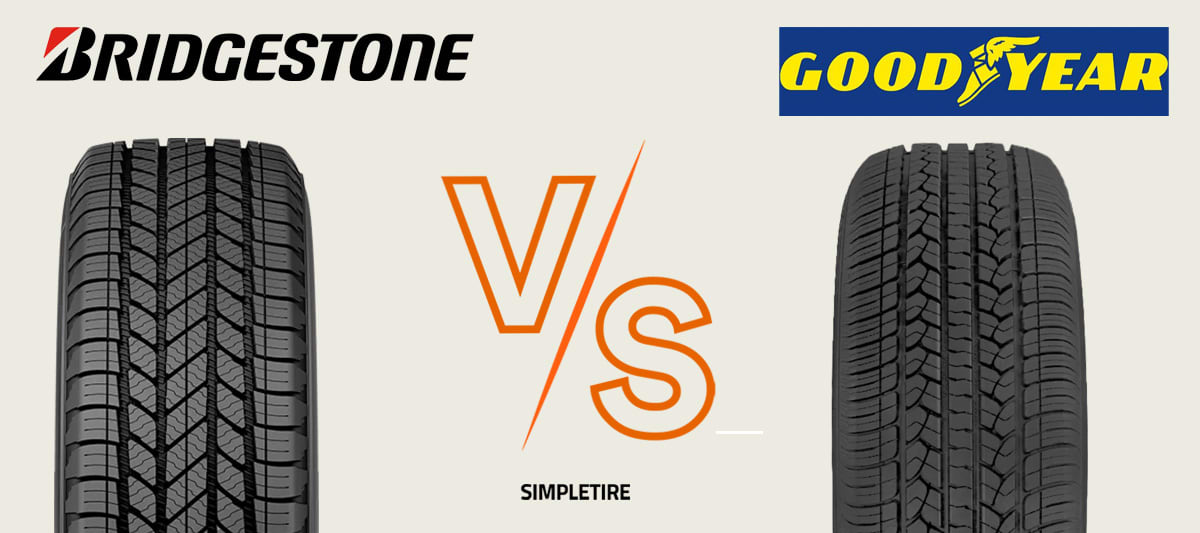
Goodyear tires provide strong traction on many surfaces. Their rubber compounds focus on maintaining grip during acceleration and braking. Bridgestone tires also deliver reliable grip but lean towards smoother road surfaces. Both brands use advanced tread designs to improve road contact. Goodyear often excels on rough terrain. Bridgestone performs well on highways and city roads.
Handling And Stability
Handling defines how well a tire responds to steering. Goodyear tires offer balanced control with firm feedback. They give a stable feel in sharp turns and quick maneuvers. Bridgestone tires provide precise steering response. Their tires absorb bumps and keep the ride smooth. Stability is strong in both brands, but Bridgestone has a slight edge in comfort. Goodyear emphasizes a sportier, more connected drive.
Wet And Dry Conditions
Driving in wet weather tests tire safety. Goodyear tires feature wide grooves to channel water away. This reduces hydroplaning risks and improves wet traction. Bridgestone tires use special compounds that enhance grip on slippery roads. Both brands perform well in dry conditions, offering good road contact and heat resistance. Goodyear tends to wear evenly over time. Bridgestone tires focus on consistent performance in all weather.
Durability And Longevity
Durability and longevity are key factors for tire buyers. Tires must last long and handle rough roads. Both Goodyear and Bridgestone offer strong choices. Their tires promise long use and solid performance. Let’s explore how they compare in these areas.
Tread Life
Goodyear tires usually have deep treads. Deep treads help tires last longer on the road. They also provide good grip in wet or dry conditions. Bridgestone tires use special rubber compounds. These compounds improve tread wear and extend tire life. Both brands offer tires designed for many miles. Yet, Goodyear often leads in tread life for highway driving. Bridgestone excels in tread life for off-road and all-terrain tires.
Wear Resistance
Wear resistance means how well tires fight damage from rough surfaces. Goodyear uses advanced materials to resist cuts and chips. This keeps tires durable on city streets. Bridgestone focuses on strong sidewalls and tread blocks. This design reduces wear from sharp objects and rough roads. Both brands build tires that stay reliable over time. Goodyear tires may show less wear on smooth roads. Bridgestone tires tend to handle tough terrains with less damage.
Comfort And Noise
Comfort and noise play a big role in choosing the right tires. They affect how smooth and quiet your ride feels. Both Goodyear and Bridgestone offer tires designed to improve comfort and reduce noise. Let’s explore how they compare in these areas.
Ride Smoothness
Goodyear tires often provide a soft, cushioned ride. Their design absorbs bumps and rough roads well. This makes long drives less tiring. Bridgestone tires also focus on smooth rides. They use special tread patterns to handle uneven surfaces. Many drivers find Bridgestone tires offer steady control and comfort. Both brands aim to keep your ride calm and steady.
Noise Levels
Noise from tires can disturb your driving peace. Goodyear uses quiet tread designs to lower road noise. This helps keep the cabin calm. Bridgestone also works to reduce tire noise. Their tires often feature noise-blocking technology. Many users say Bridgestone tires feel quieter on highways. Both brands help create a peaceful ride, cutting down unwanted sounds.
Credit: simpletire.com
Pricing And Value
Choosing between Goodyear tires and Bridgestone tires often depends on pricing and value. Understanding these factors helps buyers make smart decisions. This section breaks down the costs and warranties of both brands.
Cost Analysis
Goodyear tires usually cost a bit more than Bridgestone tires. The price difference depends on the tire model and size. Goodyear offers some high-performance tires at premium prices. Bridgestone tends to have more budget-friendly options. Both brands provide tires across many price ranges. Buyers can find affordable and mid-range tires from both companies.
Quality affects price too. Goodyear focuses on durability and technology. Bridgestone balances quality with cost. The value depends on what you need from a tire. Some drivers prefer paying more for longer-lasting tires. Others want lower prices and reliable performance.
Warranty And Support
Goodyear provides a solid warranty on most tires. Their limited tread life warranty lasts up to 60,000 miles on some models. Bridgestone offers similar warranties but varies by tire line. Both companies include roadside assistance with new tires. That adds extra peace of mind for drivers.
Customer service plays a role in value. Goodyear has a strong network of dealers and service centers. Bridgestone also has wide support and good customer care. Warranty terms and service quality help protect your investment. This support can save money if issues arise.
Customer Feedback
Customer feedback helps us understand real experiences with tires. It shows how Goodyear and Bridgestone perform in daily use. Reviews reveal strengths and weaknesses from actual users. This insight helps in making a smart choice.
User Reviews On Goodyear
Many users praise Goodyear tires for their durability. They mention long tread life and good traction on wet roads. Some drivers say Goodyear tires offer a quiet ride. A few note that these tires handle well in snow. Some customers find the price fair for the quality. A small number report faster wear under rough conditions.
User Reviews On Bridgestone
Bridgestone tires receive high marks for comfort and grip. Several users highlight excellent performance in dry and wet weather. Many say Bridgestone tires provide a smooth, quiet drive. Some appreciate the advanced technology in these tires. A few users mention slightly higher prices but feel the quality matches. Some drivers notice good fuel efficiency with Bridgestone tires.
Best Uses
Choosing the right tire depends on where and how you drive. Both Goodyear and Bridgestone offer strong options. Each brand suits different driving needs and environments. Understanding their best uses helps pick the right tire for your vehicle.
Ideal Conditions For Goodyear
Goodyear tires perform well in wet and dry roads. They handle city and highway driving smoothly. Their tires offer good grip on rainy streets. Many Goodyear models also do well in light snow. They suit drivers who want reliable all-season tires. Goodyear tires balance comfort with long tread life. They work well for daily commuting and road trips.
Ideal Conditions For Bridgestone
Bridgestone tires excel on rough and uneven roads. Their designs focus on strong traction and durability. They are a good choice for off-road and rugged terrain. Bridgestone tires often perform well in heavy snow. They suit drivers needing tough tires for winter and rough use. These tires offer good control on slippery surfaces. Bridgestone fits drivers who drive in tough conditions regularly.

Credit: www.youtube.com
Frequently Asked Questions
Which Tire Brand Offers Better Durability, Goodyear Or Bridgestone?
Goodyear tires generally offer excellent durability with strong tread life. Bridgestone also provides durable tires but focuses more on performance. Both brands produce high-quality tires, so durability depends on the specific tire model and usage conditions.
How Do Goodyear And Bridgestone Compare In Wet Traction?
Bridgestone tires are known for superior wet traction due to advanced tread designs. Goodyear also performs well in wet conditions but may slightly lag behind Bridgestone in extreme wet grip scenarios. Choosing depends on your driving environment and tire model.
Are Goodyear Tires More Affordable Than Bridgestone Tires?
Goodyear tires often come at a slightly lower price point than Bridgestone. However, pricing varies by tire type and model. Both brands offer options across different price ranges, balancing cost with performance and quality.
Which Brand Provides Better Warranty Coverage, Goodyear Or Bridgestone?
Both Goodyear and Bridgestone provide competitive warranty coverage, typically including tread life and workmanship guarantees. Specific terms vary by tire model and purchase location. Always check the warranty details before buying to understand coverage fully.
Conclusion
Both Goodyear and Bridgestone offer strong tire options. Each brand has its own strengths and features. Consider your driving needs and budget carefully. Think about tire performance in different weather conditions. Also, check for warranties and customer reviews. Choose the tires that fit your car and lifestyle best.
Quality and safety matter most on the road. Take time to compare before making a final choice. Good tires help keep you safe and comfortable. Your right decision will improve your driving experience.