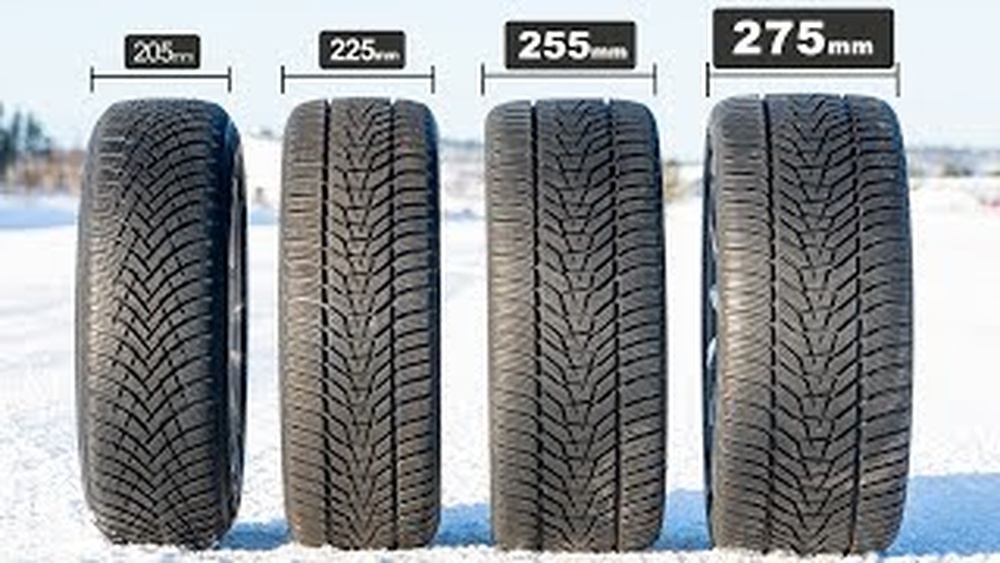
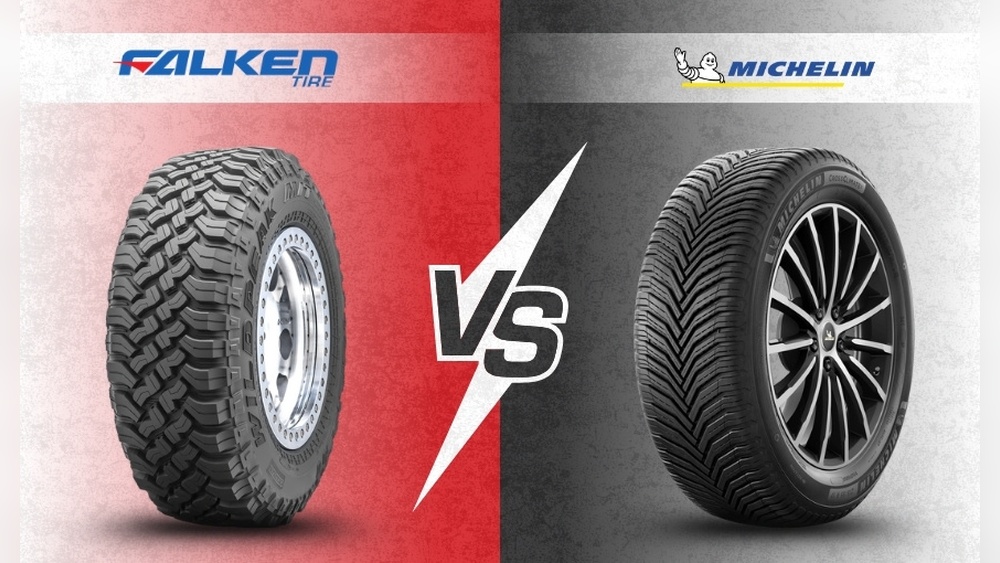
When winter roads get slippery, you need the best gear to keep your drive safe. But should you choose snow tire cables or chains?
Both options help your tires grip ice and snow, but they work differently and suit different situations. Knowing which one fits your needs can save you time, money, and stress. You’ll discover the key differences, pros, and cons of snow tire cables versus chains—so you can make the smartest choice for your safety and peace of mind this winter.
Keep reading to find out which option is right for you.
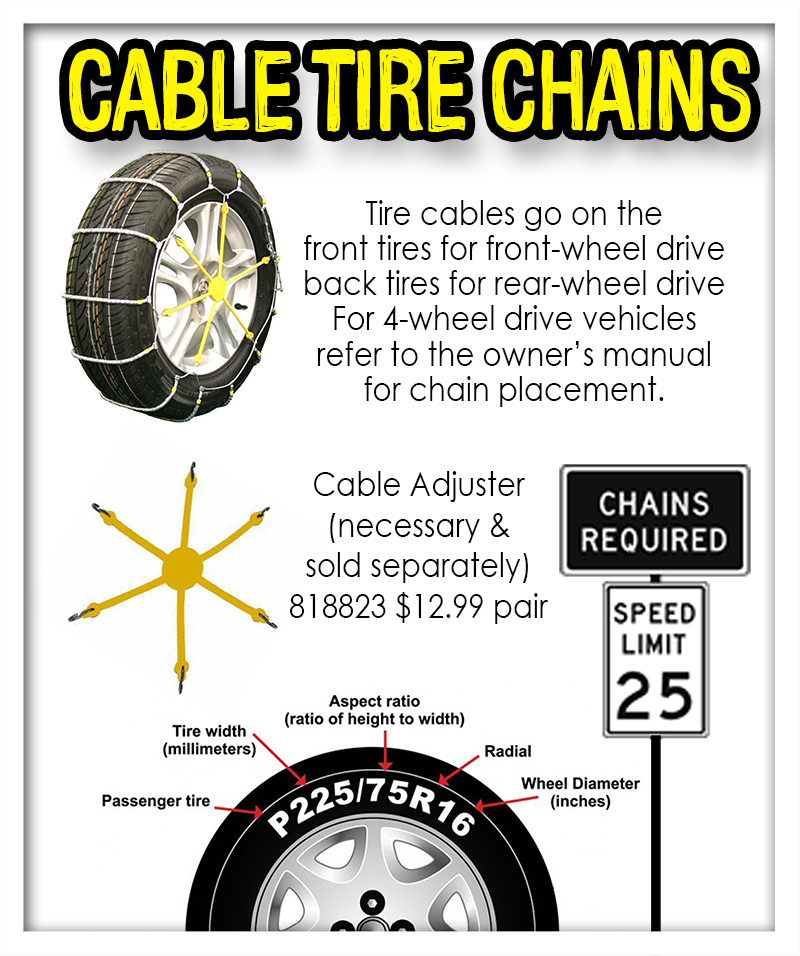
Credit: www.colehardware.com
Winter Traction Essentials
Winter driving can be tough. Snow and ice make roads slippery and risky. Staying safe means having good traction. Traction helps your tires grip the road. It prevents slipping and sliding. Two common tools for this are snow tire cables and chains. Understanding these helps you choose the right one.
Why Traction Matters
Traction is key to control on snowy roads. Without it, tires spin and slide. This causes accidents and delays. Good traction improves braking and steering. It helps drivers stay on the road safely. Especially on hills and sharp turns, traction is crucial. It reduces the chance of getting stuck or losing control.
Types Of Traction Devices
Snow tire cables and chains are popular options. Chains are metal links that wrap around tires. They offer strong grip but can be heavy and noisy. Cables are thinner and lighter. They are easier to install and cause less road damage. Both improve traction but suit different needs and conditions. Choosing depends on your vehicle, road type, and local rules.
Snow Tire Cables Features
Snow tire cables offer a practical way to boost tire grip on icy roads. They differ from traditional chains in several ways. Understanding their features helps you choose the right option for winter driving.
Material And Design
Snow tire cables usually use steel cables with a protective coating. This makes them lighter than metal chains. Their design wraps tightly around tires for better contact. The cables often have rubber or plastic components to avoid damage to wheels.
Installation Process
Installing snow tire cables is simpler and faster than chains. They are flexible and easier to fit on tires. Some models come with quick-tightening systems. This reduces time spent on the roadside in cold weather.
Performance On Ice And Snow
Snow tire cables provide good traction on ice and packed snow. They improve safety by reducing tire slippage. Cables work well for light to moderate winter conditions. For deep snow or rough ice, chains may offer stronger grip.
Tire Chains Features
Tire chains are a popular choice for winter driving. They offer strong grip on snow and ice. Understanding their features helps you choose the right option for your vehicle. These features affect safety and performance in cold weather.
Below, we explore key aspects of tire chains, including how they are made, how easy they are to use, and how well they improve traction.
Construction And Durability
Tire chains are made from metal links, usually steel. This metal is strong and can handle rough winter roads. The chains have thick links to resist breaking or bending. Some chains have a coating to stop rust. Good construction means the chains last through many winters.
Ease Of Use
Most tire chains need to be fitted by hand. This can take a few minutes and some practice. Many chains come with simple instructions and tools. Removing chains is usually easy but must be done before driving on clear roads. Chains must fit your tires well for safe use.
Traction Effectiveness
Tire chains provide excellent grip on ice and deep snow. The metal links dig into slippery surfaces to stop slipping. Chains work best on icy roads and steep hills. They improve vehicle control and braking. Chains are a reliable option for tough winter conditions.
Comparing Snow Cables And Chains
Snow tire cables and chains help vehicles move safely on icy roads. Both improve tire grip on snow and ice. Choosing the right one can change your winter driving experience. This section compares cables and chains by key factors.
Traction Performance
Chains offer strong grip on deep snow and ice. They dig into the surface for better control. Cables provide good traction but less than chains. They work well on light snow and ice. Chains suit rough winter roads better than cables.
Installation Time And Effort
Cables are lighter and easier to install. Most users can fit them quickly alone. Chains are heavier and need more time. Installation can be tricky without practice. Cables save effort and time during road stops.
Vehicle Compatibility
Cables fit most passenger cars and small SUVs. They are less likely to damage tires or rims. Chains need more clearance between tire and wheel well. Some modern cars do not allow chains. Check vehicle manual before choosing chains or cables.
Cost Considerations
Cables usually cost less than chains. They offer budget-friendly winter safety. Chains tend to be more expensive but last longer. Both require proper care to avoid damage. Decide based on your budget and usage frequency.
Safety And Maintenance Tips
Safety and proper maintenance are key for both snow tire cables and chains. They help you drive safely in snow and ice. Poor care or wrong use can cause accidents or damage. Follow simple tips to keep your cables or chains in good shape and ensure safe use.
Proper Installation Techniques
Fit the cables or chains tightly around the tires. Loose fit can cause slipping and damage. Place them on the drive wheels of the car. Check the owner’s manual for the right side to use. Test the fit by moving the car a little. Adjust if you hear noise or feel shaking. Always install cables or chains before driving on snow.
Storage And Care
After use, clean off salt, dirt, and moisture. Dry cables or chains fully to prevent rust. Store them in a cool, dry place away from sunlight. Avoid folding or bending them sharply. Keep them in a bag or box to stop tangling. Check for damage before storing. Replace any broken parts to stay safe next time.
Avoiding Common Mistakes
Do not drive too fast with cables or chains. Stay under 30 mph to avoid accidents. Avoid sudden turns or hard braking. Remove cables or chains from dry roads. Driving on clear roads wears them out fast. Never reuse damaged cables or chains. Check your vehicle’s manual for specific rules. Following these tips protects your car and yourself.
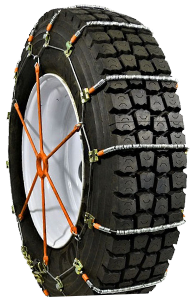
Credit: www.tirechainsrus.com
Choosing The Right Option For You
Choosing the right snow tire accessory helps you stay safe and confident on winter roads. Both tire cables and chains improve traction on ice and snow. Each option fits different needs and situations. Picking the best one depends on your driving habits, vehicle, and budget.
Driving Conditions
Roads covered in deep snow need strong traction. Chains offer better grip in heavy snow and ice. Cables work well on light snow and icy patches. If you drive mostly on city streets, cables may be enough. For mountain roads or steep hills, chains provide extra security.
Vehicle Type
Check your vehicle’s manual before choosing. Some cars, especially those with low clearance, cannot use chains. Tire cables are thinner and fit better on tight spaces. Trucks and SUVs usually handle chains without trouble. Small cars often find cables easier to install and use.
Budget And Convenience
Chains tend to cost more but last longer. Cables are cheaper and lighter to carry. Installing chains takes more time and effort. Cables are easier and quicker to put on. Consider how often you need them and how much work you want.

Credit: knowhow.napaonline.com
Frequently Asked Questions
What Are The Main Differences Between Snow Tire Cables And Chains?
Snow tire cables are lighter and easier to install but offer less traction. Chains provide superior grip and durability but are heavier and more complex to fit. Both improve winter driving safety, but chains are better for severe conditions.
Are Snow Tire Cables Or Chains Better For Icy Roads?
Chains provide better traction on icy roads due to their metal links. Cables work well on snow but may slip on ice. For icy conditions, chains are generally more reliable and safer for maintaining control.
Can I Use Snow Tire Cables Instead Of Chains Legally?
Legal requirements vary by region. Some areas accept cables as an alternative to chains, while others mandate chains only. Always check local laws before using cables to ensure compliance and safety during winter driving.
How Do Snow Tire Cables Affect Vehicle Speed Limits?
Both cables and chains often require reduced speed limits, typically 30 mph or less. Cables may allow slightly higher speeds due to flexibility. Always follow manufacturer guidelines and local laws to avoid damage and ensure safety.
Conclusion
Snow tire cables and chains both help improve winter driving safety. Cables are lighter and easier to install. Chains offer stronger grip on icy roads. Choose cables for short trips and mild snow. Pick chains for heavy snow and rough conditions.
Both protect your tires and boost traction. Think about your driving needs and conditions. Stay safe and prepared for winter roads.