Are you unsure which tire chains are best for your vehicle when winter hits? Choosing between cam and non-cam tire chains can feel confusing, but it doesn’t have to be.
The right chains can make a huge difference in your safety and driving comfort on icy roads. You’ll discover the key differences, benefits, and drawbacks of cam versus non-cam tire chains. By the end, you’ll know exactly which option fits your needs—helping you drive with confidence no matter how slippery it gets.
Keep reading to make an informed choice that protects you and your loved ones this winter.
Cam Tire Chains Basics
Cam tire chains offer a unique design for better grip on snowy or icy roads. They are different from traditional chains because of their special cam mechanism. This mechanism helps tighten the chains automatically as you drive. Understanding the basics of cam tire chains can help you decide if they fit your needs.
Cam tire chains are popular for their ease of use and reliable performance. They provide strong traction and improve vehicle safety in tough winter conditions.
How Cam Chains Work
Cam tire chains have a cam lever on each side. This lever tightens the chain around the tire. When you drive, the cam pulls the chain tighter. This keeps the chains snug on the tire. It stops the chains from slipping or coming loose.
Materials And Construction
These chains use strong steel for durability. The cam parts are made from metal or hard plastic. Steel links connect the chains for good grip. Some chains have rubber or plastic cams to reduce noise. The construction focuses on strength and easy handling.
Advantages Of Cam Chains
Cam tire chains are quick to install. You don’t need to stop and adjust them often. They fit tightly, so they stay in place longer. This means better safety on icy roads. The automatic tightening saves time and effort. Cam chains also reduce damage to tires and roads.

Credit: www.murdochs.com
Non Cam Tire Chains Features
Non cam tire chains offer a reliable option for improving tire grip in snowy or icy conditions. They have a straightforward design and work well on many types of vehicles. These chains do not use cams or tensioners, making them simpler and often easier to maintain. Understanding their features helps you decide if they fit your needs.
Design And Mechanism
Non cam tire chains have a basic design. They consist of metal links that wrap around the tire. The chains rely on tight fitting and friction to stay in place. Users must manually adjust the tension for a secure fit. This simple mechanism ensures strong traction on slippery roads.
Common Materials Used
Steel is the most common material for non cam chains. It offers durability and resistance to wear. Some chains use manganese or alloy steel for extra strength. Rust-resistant coatings help protect the chains from corrosion. These materials ensure long-lasting performance in harsh weather.
Benefits Of Non Cam Chains
Non cam chains are easy to install and remove. Their simple design means fewer parts can break or fail. They tend to be more affordable than cam chains. These chains provide good traction on snow and ice. They suit drivers who want a no-fuss, effective tire chain option.
Performance Comparison
Choosing the right tire chains affects your vehicle’s safety and control. Cam and non-cam tire chains perform differently on snow and ice. Understanding their key differences helps you pick the best option for your needs.
Performance depends on traction, ease of installation, and durability. Each type has strengths and weaknesses. This section breaks down how they compare in real-world use.
Traction And Grip
Cam tire chains provide better traction on icy roads. Their cam mechanism tightens the chain automatically. This keeps the chain snug against the tire for steady grip. Non-cam chains may loosen during use. Loose chains reduce traction and can slip.
Grip is crucial for safe driving in snow. Cam chains adapt to changing conditions. Non-cam chains work well but might require manual tightening. Drivers who want consistent grip prefer cam chains.
Installation Process
Non-cam tire chains are simpler to install. They usually require manual adjustment and fastening. This can take more time and effort. Cam tire chains have a built-in tension system. They tighten themselves after initial fitting. This saves time and reduces errors during installation.
Easy installation matters, especially in cold weather. Drivers who install chains often find cam types more convenient. Non-cam chains suit those who want a basic, low-cost option.
Durability And Maintenance
Cam chains tend to last longer due to even tension. Reduced chain movement lowers wear and tear. Non-cam chains can wear faster if not adjusted often. Loose chains may damage tires and chains themselves.
Maintenance for cam chains is lower because they stay tight. Non-cam chains need regular checking and tightening. Proper care extends the life of both types. Choosing durable chains helps avoid extra costs and troubles.
Choosing Based On Vehicle Type
Choosing the right tire chains depends greatly on your vehicle type. Different vehicles have different needs and space around the tires. This affects whether cam or non-cam chains will fit better and work more effectively. Understanding these differences helps you find the safest and most reliable option for winter driving.
Passenger Cars
Passenger cars usually have limited space between the tire and wheel well. Cam chains are often better here because they adjust easily. They fit snugly and reduce the risk of damage. Non-cam chains may be too bulky or loose for many cars. Drivers should prioritize comfort and ease of installation.
Trucks And Suvs
Trucks and SUVs have more clearance around tires. Both cam and non-cam chains can work well. Non-cam chains might offer extra durability for rough conditions. Cam chains still provide good grip and quick fitting. The choice depends on driving needs and how often chains are used.
Commercial Vehicles
Commercial vehicles need strong, reliable chains due to heavy loads. Cam chains can simplify the installation on large tires. Non-cam chains often provide the toughness required for long hauls. Safety is crucial, so chains must fit perfectly and hold firm. Choosing the right type helps avoid costly delays and accidents.
Weather And Terrain Considerations
Choosing the right tire chains depends a lot on weather and terrain. Chains must match the driving conditions to work well and keep you safe. Different chains offer different benefits depending on snow, ice, road type, and terrain.
Snow And Ice Conditions
Cam chains fit tightly around tires, giving better grip on ice. They help avoid slipping on icy roads. Non cam chains are simpler but may loosen in heavy snow. Tight fit matters most in icy weather. Choose chains that hold well without damaging tires.
Off-road And Rugged Terrain
Rough terrain needs strong, durable chains. Non cam chains often handle rocks and mud better. They are easier to fix if they break. Cam chains may wear faster on sharp surfaces. Tough chains reduce chain breaks and keep driving smooth on rough paths.
Urban And Highway Use
Chains for city or highway driving should be easy to install and remove. Cam chains offer quick fitting and a snug fit for smooth roads. Non cam chains may rattle and cause noise at high speeds. Comfort and safety are key for urban use. Chains must not damage pavement or tires.
Credit: www.youtube.com
Cost And Availability
Cost and availability are key factors when choosing between cam and non-cam tire chains. Both types serve the same basic purpose but differ in price and how easy they are to find. Understanding these differences helps buyers make smart decisions.
Price Range Comparison
Cam tire chains usually cost more than non-cam chains. The design of cam chains involves extra parts, which raises the price. Non-cam chains are simpler and tend to be cheaper. Prices for cam chains often start around $100 and can go higher. Non-cam chains can be found for under $70 in many cases. The price difference reflects the chain’s durability and ease of use.
Where To Buy
Non-cam tire chains are widely available. They can be found at most auto stores and online shops. Cam chains are less common but still sold in specialty stores and some websites. Buying online offers more choices for both types. Checking the product details ensures compatibility with your tires. Availability may vary by region and season.
Warranty And Support
Cam tire chains often come with better warranties. Manufacturers of cam chains focus on quality and may offer longer coverage. Non-cam chains usually have shorter or limited warranties. Customer support can differ too. Cam chain brands tend to provide more help and resources. Always read the warranty terms before purchasing.
Safety Tips And Best Practices
Using tire chains safely helps prevent accidents and damage. Both cam and non-cam chains need careful handling. Knowing the right steps keeps you and others safe on icy roads. Follow these tips to use tire chains correctly and avoid problems.
Proper Installation Tips
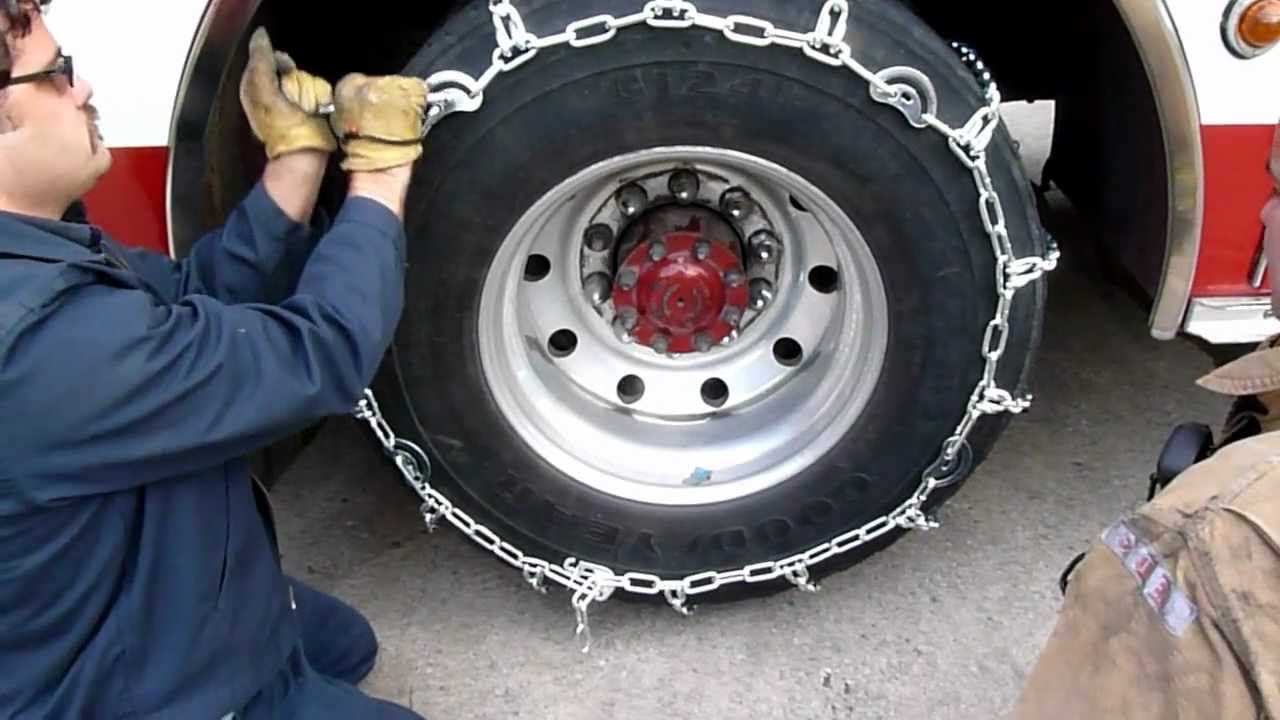
Choose a flat, safe spot to install tire chains. Lay chains flat and untangled before fitting them. Start with the drive wheels, usually the rear tires. Tighten chains evenly to avoid slipping or damage. Double-check the fit by driving a short distance and retightening.
Driving With Tire Chains
Drive slowly and smoothly on snow or ice. Avoid sudden stops or sharp turns. Keep your speed under 30 mph to protect the chains and tires. Listen for unusual sounds; they may mean the chains are loose. Remove chains on clear roads to prevent wear and road damage.
Storage And Care
Clean chains after use to remove dirt and salt. Let them dry completely to stop rust. Store chains in a dry place away from sunlight. Keep them in a bag or container to avoid tangles. Regularly inspect chains for wear or broken links before next use.

Credit: tirechain.com
Frequently Asked Questions
What Are Cam Tire Chains?
Cam tire chains use a cam system to tighten automatically. They provide a snug fit and easy installation. These chains adjust to tire size changes, improving traction in snow and ice conditions.
How Do Non Cam Tire Chains Differ?
Non cam chains require manual tightening. They lack automatic adjustment features, needing more effort to fit properly. These chains are often simpler and less expensive but may not offer the same secure fit.
Which Tire Chains Offer Better Snow Traction?
Cam tire chains generally provide better snow traction. Their automatic tightening ensures consistent grip. Non cam chains can slip if not properly adjusted, reducing traction effectiveness.
Are Cam Chains Easier To Install?
Yes, cam chains are easier to install. Their self-tightening mechanism saves time and effort. Non cam chains need manual adjustments, making installation slower and more challenging.
Conclusion
Choosing between cam and non-cam tire chains depends on your needs. Cam chains adjust easily, saving time and effort. Non-cam chains offer a simpler, budget-friendly option. Both improve traction and safety on snowy roads. Think about how often you drive in snow.
Also, consider your budget and convenience. Whichever you pick, use chains properly for the best grip. Stay safe and drive carefully this winter. Tire chains help you handle tough road conditions well.