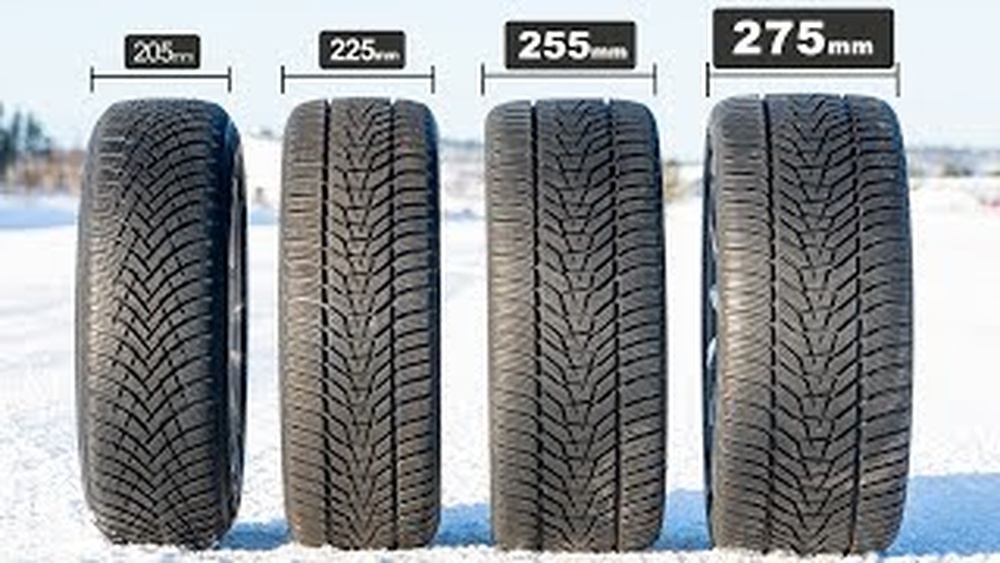
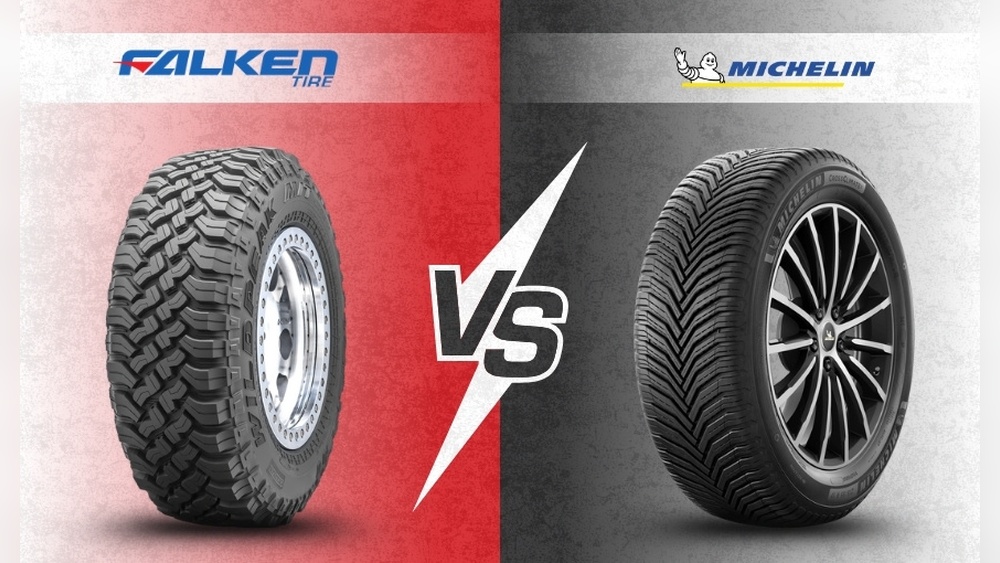
When it comes to choosing tires, you might wonder: should you go for thin tires or wide tires? This choice can change the way your bike or car handles, feels, and even performs.
You want to get the best grip, comfort, and speed—but which option truly fits your needs? By understanding the key differences between thin and wide tires, you’ll feel more confident in making the right decision. Keep reading, and discover how the right tire width can transform your ride and boost your overall experience.

Credit: www.jeepgladiatorforum.com
Tire Width Basics
Tire width plays a big role in how a bike feels and performs. It affects grip, comfort, and speed. Choosing the right width helps you enjoy your ride more. Understanding the basics of tire width makes this easier.
Tire width is measured in millimeters. It tells you how wide the tire is from one side to the other. Narrow tires are common on road bikes, while wider tires are seen on mountain and hybrid bikes.
How Tire Width Affects Ride
Narrow tires usually have less contact with the ground. This reduces rolling resistance. Bikes with narrow tires tend to be faster on smooth roads. But they may feel harsh on rough surfaces.
Wider tires offer more grip and comfort. They can absorb bumps and vibrations better. This makes the ride smoother on uneven roads or trails. Wider tires also provide better stability, especially on loose surfaces.
Common Width Sizes
Road bike tires typically range from 23mm to 32mm wide. Racing bikes often use 23mm or 25mm tires for speed. Wider tires like 28mm or 32mm suit riders who want more comfort.
Mountain bike tires are usually much wider, from 1.9 inches (about 48mm) to 2.5 inches (about 64mm) or more. Wider tires help with traction and control on rough trails. Hybrid bikes sit between road and mountain tires, often around 35mm to 45mm wide.
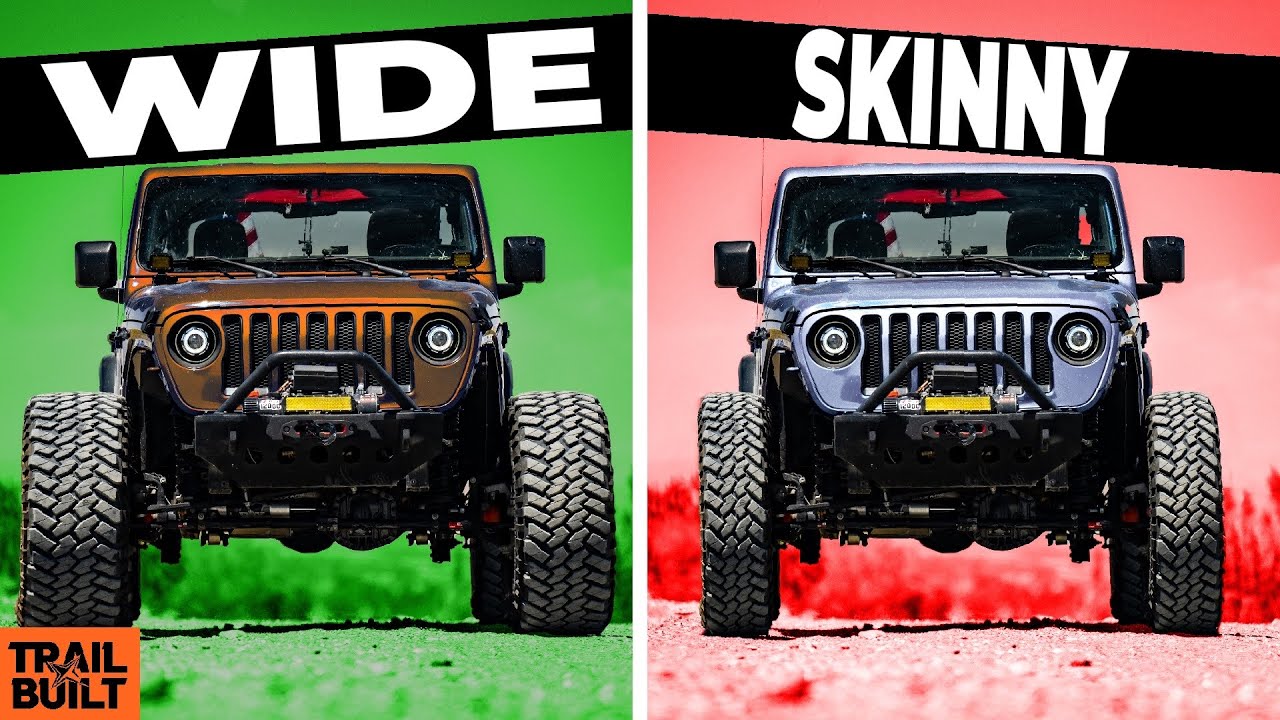
Credit: www.youtube.com
Performance Impact
Performance changes with tire width affect how a vehicle drives and feels. Thin and wide tires each change speed, control, and grip in different ways. This section explains how tire width impacts performance on the road.
Acceleration And Speed
Thin tires have less contact with the road. This reduces rolling resistance and helps the vehicle speed up faster. They work well on smooth, dry roads.
Wide tires touch more road surface. This increases grip but also adds resistance. They can slow acceleration slightly, especially on hard surfaces.
Speed depends on tire grip and friction. Thin tires often allow higher top speeds due to lower friction.
Handling And Stability
Wide tires provide better grip in turns and corners. This improves handling and stability, especially on wet or rough roads.
Thin tires are less stable in sharp turns. They can feel twitchy or loose at high speeds. Yet, they offer easier steering on smooth roads.
Wide tires help the vehicle stay steady. This is key for strong control during fast driving or sudden maneuvers.
Grip And Traction
Grip and traction are key factors for any cyclist. They affect safety, speed, and control. Tire width plays a big role in how well your bike grips the surface. Both thin and wide tires have strengths and weaknesses in grip and traction. Understanding these can help you choose the right tire for your ride.
Road Contact Differences
Thin tires have a smaller contact patch with the road. This means less surface area touching the ground. The pressure on the contact patch is higher, which helps thin tires cut through rough patches. They perform well on smooth, hard surfaces.
Wide tires have a larger contact patch. More rubber touches the road, increasing grip. This helps in loose or uneven surfaces. Wide tires spread pressure over a bigger area, improving stability and comfort.
Wet And Dry Conditions
Thin tires often perform better in dry conditions. Their narrow shape cuts through water and mud easily. This reduces slipping and keeps traction steady on dry roads.
Wide tires excel in wet or slippery conditions. The larger surface area helps them grip better on wet roads. They also offer more control on loose dirt and gravel. This makes wide tires a good choice for mixed or wet terrains.

Credit: www.youtube.com
Comfort And Ride Quality
Comfort and ride quality matter a lot when choosing between thin tires and wide tires. These factors affect how smooth and enjoyable a bike ride feels. Tires play a big role in absorbing shocks and reducing vibrations. The right tires can make a ride feel soft or harsh. Understanding these differences helps you pick tires that suit your needs.
Shock Absorption
Wide tires absorb shocks better than thin tires. They have more air volume to cushion bumps on the road. This extra cushion reduces the impact on your body. Thin tires have less air and less shock absorption. You feel every bump and crack on the road. Wide tires are better for rough roads and gravel. Thin tires work well on smooth, paved surfaces.
Vibration And Noise
Wide tires create less vibration than thin tires. The larger contact area helps smooth out road vibrations. This makes the ride quieter and calmer. Thin tires can cause more noise as they hit small stones and cracks. The vibrations can tire your hands and arms faster. Wide tires reduce this discomfort, making long rides easier. Noise and vibration levels affect how comfortable the ride feels overall.
Weight And Rolling Resistance
Weight and rolling resistance play a key role in choosing between thin and wide tires. They affect how fast and easy your bike moves. Light tires usually mean less effort to pedal. Rolling resistance is the force that slows your bike down when tires roll on the road. It depends on tire width and material. Let’s explore how these factors impact riding.
Effect On Energy Efficiency
Thin tires often weigh less, reducing the bike’s total weight. Less weight means you use less energy to keep speed. Thin tires have a smaller contact area with the road. This can lower rolling resistance on smooth surfaces. Wide tires touch more ground, which can increase rolling resistance. Yet, wider tires run at lower pressure, absorbing shocks better. This can save energy over rough roads by reducing vibrations.
Impact On Climbing
Climbing hills requires more power from the rider. Lighter tires make lifting the bike easier on climbs. Thin tires can help maintain momentum uphill. Wide tires add weight but offer more grip on loose or uneven surfaces. This extra grip can improve control when climbing steep or rough paths. The choice depends on the terrain and rider strength.
Tire Compatibility
Choosing the right tire size involves more than just preference. Tire compatibility with your bike is crucial for safety and performance. Thin and wide tires require different setups. Understanding these differences helps you pick the best tires for your bike.
Frame And Fork Clearance
The space between your bike’s frame and fork limits tire size. Thin tires fit easily in tight spaces. Wide tires need more room to avoid rubbing. Check your bike’s clearance before buying tires. Narrow frames often cannot fit wide tires. Wide tires need wider forks and stays. Lack of clearance can damage your bike and tires. Measure the space carefully to ensure proper fit.
Wheel And Rim Considerations
Rims have specific width ranges for tires. Thin tires work best on narrow rims. Wide tires need wider rims for support. Using a wide tire on a narrow rim can cause problems. The tire may not seat properly or could blow out. Rim width affects tire shape and performance. Match the tire width to the rim width. This match improves ride comfort and safety. Check your rim specifications before selecting tires.
Use Case Scenarios
Choosing between thin and wide tires depends on how you plan to use your bike. Each tire type suits different riding styles and surfaces. Knowing the right tire for your activity helps improve comfort and performance.
Road Cycling
Thin tires are common for road cycling. They reduce air resistance and roll faster on smooth pavement. Thin tires offer less weight, which helps during long rides and climbs. Wide tires can add comfort but may slow you down on paved roads.
Mountain Biking
Wide tires work best for mountain biking. They provide better grip and stability on rough trails. The extra width helps absorb shocks from rocks and roots. Thin tires struggle on loose or uneven ground and can cause slips.
Commuting And Touring
For commuting and touring, tire choice depends on road conditions. Wide tires offer more comfort on bumpy city streets and gravel paths. Thin tires are good for smooth roads but may feel harsh on rough surfaces. Touring bikes often use medium-width tires for balance.
Maintenance And Durability
Maintenance and durability are key factors when choosing between thin tires and wide tires. Understanding how each type wears and handles punctures helps you keep your bike in good shape. This also saves money on repairs and replacements. Below, we explore the wear patterns and puncture resistance of both tire types.
Wear Patterns
Thin tires often wear out faster on rough roads. They have less surface area to spread the pressure. This causes quicker tread wear, especially on sharp turns. Wide tires spread the load over a larger area. This leads to slower, more even wear on different surfaces.
Wide tires handle rough terrain better. They resist cuts and abrasions more effectively. Thin tires show signs of damage sooner. Regular checks help spot uneven wear early. This can prevent sudden tire failure during rides.
Puncture Resistance
Thin tires are more prone to punctures. Their narrow shape can squeeze into sharp objects easily. They usually have thinner sidewalls and less protective layers. Wide tires have thicker rubber and stronger sidewalls. This makes them tougher against nails, glass, and thorns.
Wide tires also run at lower pressure. This helps absorb impacts better and reduces puncture risk. Thin tires need higher pressure, which can make punctures worse. Investing in puncture-resistant tires or liners improves durability for both types.
Choosing The Right Tire Width
Choosing the right tire width is important for a comfortable and efficient ride. Thin tires and wide tires each have benefits and drawbacks. The best choice depends on your bike type, road conditions, and riding habits.
Thin tires often suit fast riding on smooth roads. Wide tires offer more grip and comfort on rough surfaces. Understanding your needs helps you pick the perfect tire width.
Matching Tires To Riding Style
Riders who prefer speed usually choose thin tires. These tires reduce air resistance and roll faster on paved roads. They work well for racing and road biking.
Wide tires are better for those who ride on trails or uneven surfaces. They provide extra stability and absorb shocks from bumps. Cyclists who value comfort often pick wider tires.
Budget And Availability
Tire prices vary based on width and quality. Thin tires are often less expensive and easier to find. Many stores stock them because road biking is popular.
Wide tires can be pricier and less common. They may require special rims or frames. Check your bike’s compatibility before buying wide tires.
Frequently Asked Questions
What Are The Main Benefits Of Thin Tires?
Thin tires reduce rolling resistance and improve speed. They are lighter and ideal for smooth roads. This makes them perfect for racing and efficient commuting.
How Do Wide Tires Affect Bike Stability?
Wide tires offer better grip and cushioning. They enhance stability on rough or loose surfaces. This makes riding safer and more comfortable on trails.
Which Tire Type Is Better For Road Cycling?
Thin tires are generally better for road cycling. They provide higher speed and efficiency on paved surfaces. However, wide tires suit rough or mixed terrains.
Do Wide Tires Increase Rolling Resistance?
Yes, wide tires usually increase rolling resistance slightly. This can reduce speed but improves comfort and traction. The trade-off benefits off-road or uneven surfaces.
Conclusion
Choosing between thin tires and wide tires depends on your ride style and road type. Thin tires suit smooth roads and help you go faster. Wide tires offer better grip and comfort on rough paths. Think about where you ride most and what feels right.
Both types have strong points to match your needs. Test them if you can. This will help you find the best fit for your bike. Keep your riding safe and fun by picking tires that match your journey.