Choosing the right tires can make all the difference in how your vehicle performs and feels on the road. When you come across terms like AT tires and HT tires, you might wonder which one suits your needs best.
Are you looking for something tough and ready for off-road adventures, or do you want a tire that offers smooth, reliable driving on highways? Understanding the key differences between AT (All-Terrain) tires and HT (Highway Terrain) tires will help you make a smart choice that matches your driving style and keeps you safe.
Keep reading to discover which tire type is right for you.

Credit: www.tirereview.com
Key Features Of At Tires
All-Terrain (AT) tires blend the qualities of off-road and highway tires. These tires suit drivers who want good performance on various surfaces. They offer a balance between comfort and traction. Understanding their key features helps you choose the right tire for your needs.
Tread Design And Pattern
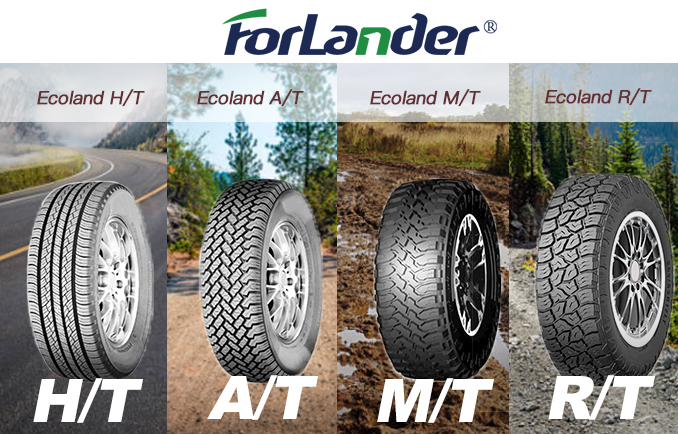
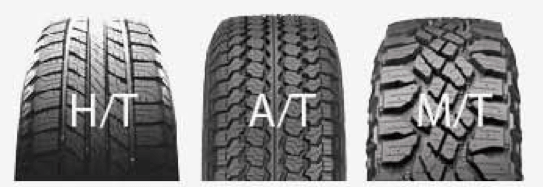
AT tires have deeper and wider tread patterns. These treads help grip loose surfaces like dirt and gravel. The design also reduces road noise on highways. Multiple sipes improve traction on wet or icy roads. This tread pattern provides better control and safety.
Durability And Construction
AT tires are built with strong sidewalls. They resist cuts and punctures on rough terrain. The rubber compound is tougher than regular tires. This makes AT tires last longer under hard use. Reinforced belts inside add stability and strength. Overall, these tires handle tough conditions well.
Performance On Different Terrains
AT tires perform well on dirt, mud, and gravel roads. They also drive smoothly on paved streets. These tires offer good traction without sacrificing comfort. They handle light off-road trails with ease. Wet and snowy roads are less of a challenge too.
Key Features Of Ht Tires
HT tires, or Highway Terrain tires, offer specific features suited for road driving. They provide a smooth and quiet ride on highways. Their design focuses on comfort and fuel efficiency. Understanding their key features helps choose the right tire for your vehicle.
Tread Design And Pattern
HT tires have a tread pattern made for paved roads. Their grooves are shallow and straight. This design helps reduce road noise. It also improves fuel economy by lowering rolling resistance. The tread blocks are tightly packed for better grip on smooth surfaces.
Durability And Construction
HT tires use strong materials for long life. They have reinforced sidewalls to resist damage from curbs. Their rubber compounds are softer to ensure a comfortable ride. These tires wear evenly, providing consistent performance over time. They handle heavy loads well, making them good for trucks and SUVs.
Performance On Different Terrains
HT tires excel on highways and city streets. They perform best on dry and wet pavement. Their design offers good traction but is not made for rough off-road use. These tires may slip on mud or loose gravel. They are ideal for drivers who mostly stay on paved roads.
Comparing Traction And Handling
Traction and handling are key factors in choosing tires. They affect safety and driving comfort. Both All-Terrain (AT) and Highway Terrain (HT) tires offer different benefits. Understanding their differences helps make the right choice.
Traction refers to how well tires grip the surface. Handling is about control and stability during driving. These qualities vary between AT and HT tires, especially on different terrains.
Off-road Performance
AT tires provide strong traction on rough surfaces. Their deep, aggressive treads dig into dirt, mud, and gravel. This design helps prevent slipping in off-road conditions. AT tires also handle uneven terrain better. They offer greater control on trails and rocky paths.
HT tires focus less on off-road grip. Their tread patterns are smoother and shallower. This limits traction on loose surfaces. HT tires may struggle on mud or sand. They are better suited for paved roads than rough terrain.
On-road Comfort And Stability
HT tires deliver a quiet and smooth ride on highways. Their design reduces road noise and vibrations. They provide strong stability on paved surfaces. HT tires improve fuel efficiency with lower rolling resistance.
AT tires may feel rougher on paved roads. Their aggressive tread can cause more noise and vibration. Handling is less precise at high speeds. AT tires trade some comfort for off-road capability. Drivers may notice a firmer ride compared to HT tires.
Fuel Efficiency And Tire Wear
Fuel efficiency and tire wear are key factors when choosing tires. Tires affect how much fuel your vehicle uses. They also impact how long your tires last. Understanding differences between AT tires and HT tires helps in selecting the best option.
Fuel Efficiency Of At Tires
All-Terrain (AT) tires have deep treads and larger blocks. These features increase rolling resistance. Higher resistance means the engine uses more fuel. AT tires are heavier than HT tires. This extra weight also reduces fuel economy. Vehicles with AT tires may need more frequent refueling.
Fuel Efficiency Of Ht Tires
Highway Terrain (HT) tires have smoother tread patterns. They offer less rolling resistance than AT tires. This design helps the vehicle use less fuel. HT tires are lighter, which improves fuel savings. They are ideal for long road trips on paved roads.
Tire Wear On At Tires
AT tires wear faster on paved roads. Their aggressive tread wears out quickly on hard surfaces. Off-road use causes even more wear. Rough terrain and sharp rocks damage AT tires. Regular maintenance can extend their life, but expect shorter tire life.
Tire Wear On Ht Tires
HT tires last longer on smooth roads. Their tread design suits highway driving. Less aggressive tread means slower wear. HT tires maintain grip and performance over time. Proper inflation and alignment increase tire lifespan.
Noise Levels And Ride Comfort
Noise levels and ride comfort are key factors when choosing tires. These aspects affect your daily driving experience. Tires differ in how much sound they produce and how smooth the ride feels. Understanding these differences helps you pick the right tires for your needs.
Noise Levels Of At Tires
All-Terrain (AT) tires usually make more noise. Their tread design has larger gaps and blocks. These patterns help with off-road grip but cause more sound on pavement. Driving on highways with AT tires can be louder. Noise can feel harsh during long trips.
Noise Levels Of Ht Tires
Highway Terrain (HT) tires are quieter. Their tread patterns are smoother and closer together. This design reduces road noise. HT tires offer a calm driving experience on paved roads. They are better for city and highway driving.
Ride Comfort With At Tires
AT tires provide a firm ride. They are built for rough surfaces and uneven roads. This firmness can feel rough on smooth pavement. The tires absorb less shock from bumps. Off-road drivers accept this trade-off for better traction.
Ride Comfort With Ht Tires
HT tires deliver a softer ride. Their design focuses on smooth road performance. They absorb bumps well, making rides more comfortable. These tires suit daily drivers and long highway trips. Comfort is a big plus for city driving.
Credit: forlander.com
Cost Considerations And Lifespan
Cost and lifespan play a major role in choosing between AT tires and HT tires. Both affect your budget and how often you replace tires. Understanding these factors helps you pick the best option for your needs.
At Tires Cost And Lifespan
AT tires usually cost more than HT tires. They have stronger materials to handle rough roads and off-road conditions. This extra strength raises their price.
These tires last long on tough surfaces. Their tread design resists cuts and chips. You get more mileage if you drive off-road often. On smooth roads, their wear might be faster.
Ht Tires Cost And Lifespan
HT tires are less expensive than AT tires. They focus on comfort and fuel efficiency for highway driving. Their design uses lighter materials to save costs.
HT tires last well on paved roads. Their tread wears evenly on highways. But they can wear out quickly on rough or muddy terrain. They are not built for heavy off-road use.
Choosing Tires Based On Driving Needs
Choosing the right tires depends on how and where you drive. Tires are made for different purposes. Some work best on smooth roads, while others handle rough terrain. Understanding your driving style helps pick the right tire. This choice improves safety, comfort, and tire life.
Urban And Highway Driving
Highway tires, also called HT tires, suit city and highway roads. They offer a smooth, quiet ride. HT tires handle paved roads well. They have tread patterns that reduce road noise. These tires provide good fuel efficiency. They also last longer on hard surfaces.
Off-road Adventures
All-terrain tires, known as AT tires, fit off-road driving. They have deeper treads for better grip on dirt and mud. AT tires are tougher and resist cuts and tears. They work well on rocky, uneven surfaces. These tires provide better traction in rough conditions. Off-road drivers need this extra durability and control.
Mixed Driving Conditions
Some drivers face both city roads and rough trails. AT tires suit mixed driving needs well. They balance comfort on highways with off-road strength. These tires handle gravel, dirt, and pavement with ease. They provide safety and flexibility. Mixed-condition drivers get the best of both worlds.
Credit: www.eureka4wd.com.au
Maintenance Tips For At And Ht Tires
Maintaining AT and HT tires ensures safety and extends tire life. Proper care helps avoid unexpected tire damage. Both tire types need regular checks and simple upkeep.
Checking Tire Pressure Regularly
Keep tire pressure at the recommended level. Underinflated or overinflated tires wear out faster. Use a tire pressure gauge for accuracy. Check pressure at least once a month.
Inspecting Tread Depth
Measure tread depth to ensure good traction. Worn-out treads reduce grip and increase slip risk. Replace tires when tread is too shallow. Use a tread depth gauge or a simple coin test.
Rotating Tires Frequently
Rotate tires every 5,000 to 7,000 miles. This balances wear across all tires. Helps improve performance and extends tire life. Follow vehicle manufacturer’s rotation pattern.
Cleaning Tires Properly
Clean tires with mild soap and water. Remove dirt and debris from grooves and sidewalls. Avoid harsh chemicals that damage rubber. Clean tires improve appearance and function.
Monitoring For Damage And Wear
Look for cuts, cracks, or bulges on tires. Damage weakens tire structure and risks blowouts. Replace damaged tires immediately. Regular checks keep driving safe.
Frequently Asked Questions
What Are The Main Differences Between At And Ht Tires?
AT tires offer better off-road traction and durability. HT tires focus on smooth, quiet rides on highways. AT tires handle rough terrain; HT tires excel on paved roads, providing better fuel efficiency and comfort.
Which Tire Type Is Best For Off-road Driving?
All-terrain (AT) tires are ideal for off-road conditions. They provide superior grip on dirt, mud, and gravel. HT tires are less suitable off-road, as they prioritize on-road performance and comfort over rugged terrain handling.
Can I Use At Tires For Daily Highway Driving?
Yes, AT tires can be used daily but may be noisier. They wear faster on highways than HT tires. HT tires are better for regular highway use due to smoother rides and improved fuel economy.
Do Ht Tires Offer Better Fuel Efficiency Than At Tires?
Yes, HT tires generally provide better fuel efficiency. Their design reduces rolling resistance on paved roads. AT tires have more aggressive tread patterns, which can increase fuel consumption slightly.
Conclusion
AT tires offer a mix of on-road and off-road use, good for varied conditions. HT tires focus on highway driving with a smooth, quiet ride. Choose based on where you drive most. Think about your vehicle and road needs. Both tires have strengths; pick what fits your daily travel.
This helps keep your drive safe and comfortable.