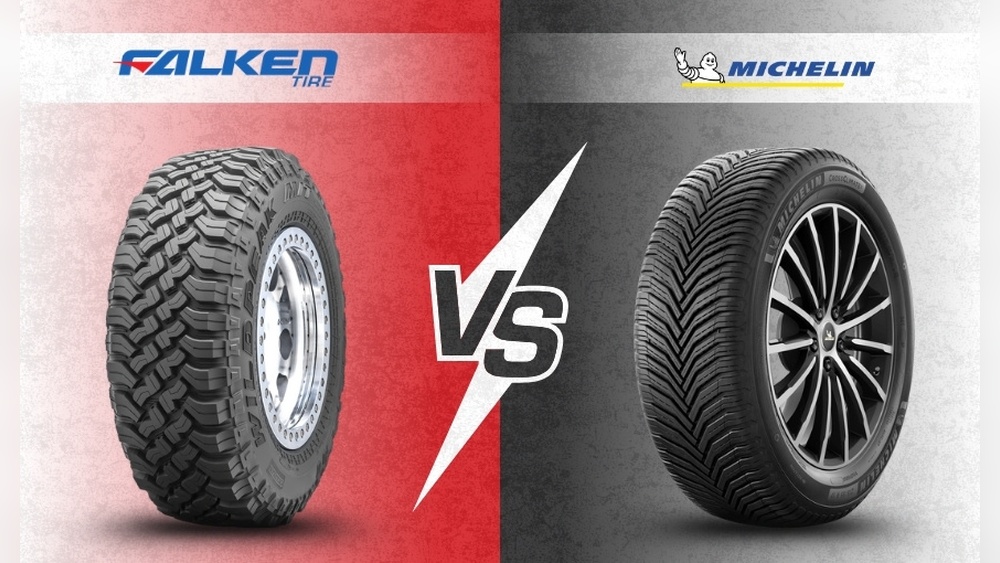
When it comes to choosing the right tires, you want to make sure you get the best value for your money without compromising safety and performance. You might have come across two popular names: Milestar Tires and Michelin.
But which one is truly the better choice for your vehicle? You’ll discover how these two brands stack up against each other in terms of quality, durability, and price. By the end, you’ll feel confident making a decision that keeps you safe on the road and gets the most out of your investment.
Keep reading to find out which tire brand suits your needs perfectly.
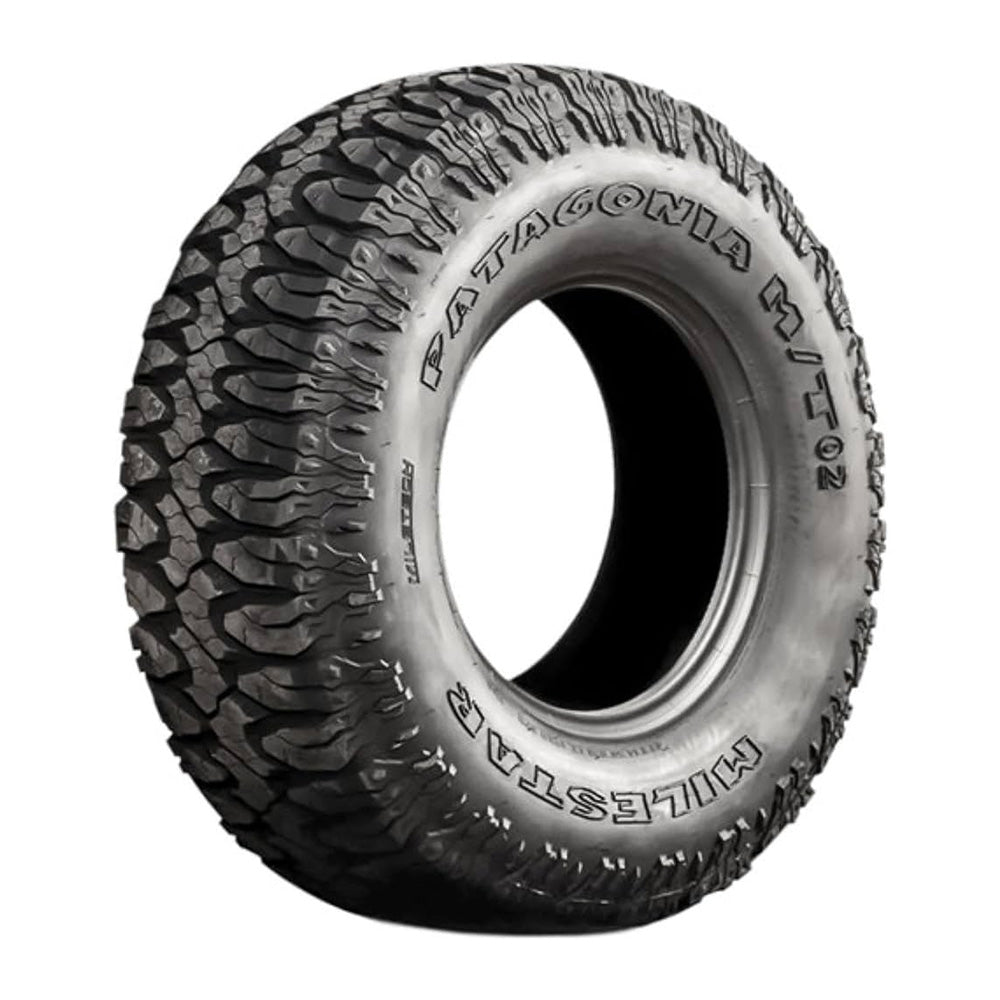
Credit: www.duallywheels.com
Brand Histories
Understanding the history of a tire brand helps in choosing the right product. Both Milestar and Michelin have unique stories. These stories show their values and experience in the tire industry. Learning about their past gives insight into what they offer today.
Milestar Origins
Milestar is a relatively young brand in the tire market. It started in the early 2000s. The brand focuses on providing quality tires at affordable prices. Milestar aims to balance performance with value. Its main goal is to serve everyday drivers and performance enthusiasts.
The brand quickly gained attention for durable and reliable tires. Milestar invests in new technology and design. This helps them compete with larger, more established brands. Their tires often come with good tread life and solid grip.
Michelin Legacy
Michelin is one of the oldest and most respected tire brands. It was founded in 1889 in France. Michelin is known for its innovation and high-quality products. The company introduced many tire advances still used today.
Michelin tires are popular worldwide for safety and performance. The brand covers many types of tires, from passenger cars to trucks. Michelin also supports motorsports to test and improve its products. Its long history adds trust and confidence for buyers.
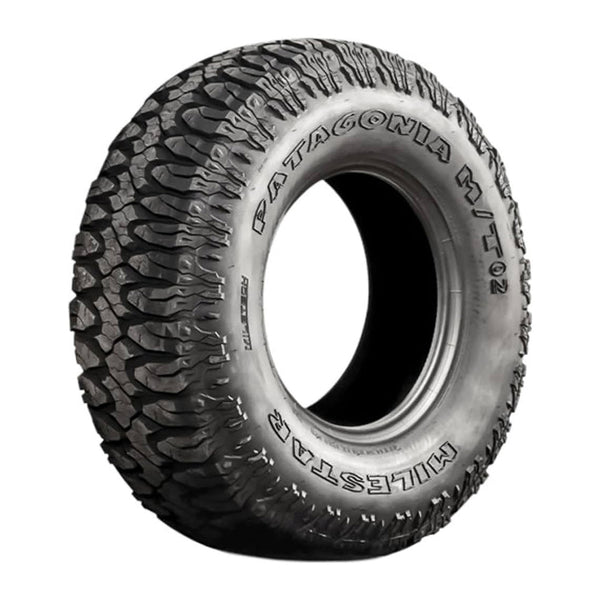
Credit: www.duallywheels.com
Product Range
Choosing the right tire brand depends on product variety. Both Milestar and Michelin offer a wide range of tires. Each brand targets different vehicle types and driving needs. Understanding their product range helps you pick the best option.
Milestar Tire Types
Milestar focuses on tires for cars, trucks, and SUVs. They offer all-season tires for daily driving. Their sport tires provide better handling and grip. Off-road tires are available for rough terrains. Milestar also produces winter tires for snowy roads. Their lineup suits budget-conscious drivers seeking reliable performance.
Michelin Tire Varieties
Michelin offers a broad selection of tires worldwide. They design tires for passenger cars, trucks, and motorcycles. Their all-season tires balance comfort and traction. High-performance tires enhance speed and control. Michelin’s winter tires improve safety on ice and snow. They also offer eco-friendly tires for better fuel efficiency. Michelin covers a wide range of driving needs with premium quality.
Performance Comparison
Performance matters most when choosing tires. It affects safety, comfort, and driving enjoyment. Comparing Milestar and Michelin tires highlights their strengths and weaknesses. This helps pick the best tire for your needs.
Wet And Dry Traction
Milestar tires offer solid traction on dry roads. They grip well on smooth surfaces. Michelin tires excel in wet conditions. Their tread design helps channel water away. This reduces slipping on rainy days. Both brands provide reliable traction, but Michelin is safer on wet roads.
Handling And Ride Comfort
Handling feels stable with both tires. Milestar tires give a firm ride. They respond well to steering changes. Michelin tires offer smoother rides. They absorb bumps better. Drivers may feel less road vibration with Michelin. Both maintain good control, but Michelin adds extra comfort.
Noise Levels
Noise can affect driving pleasure. Milestar tires tend to be louder on highways. Road noise is more noticeable inside the car. Michelin tires are quieter. They use special patterns to reduce sound. For long drives, quieter tires like Michelin improve the experience. Milestar tires are okay for short trips.
Durability And Tread Life
Durability and tread life are key factors when choosing tires. They affect safety, performance, and cost over time. Tires that last longer save money and reduce hassle. Both Milestar Tires and Michelin offer options designed to handle wear and tear effectively. Understanding how each brand performs helps in making a smart choice.
Wear Patterns
Milestar Tires show even wear across the tread surface. Their design helps reduce uneven wear on corners. This means better grip and longer life.
Michelin tires also deliver consistent wear patterns. They use advanced rubber compounds and tread designs. This keeps the tire balanced and stable over many miles.
Proper alignment and tire rotation improve wear for both brands. Regular checks extend tire life and keep driving safe.
Mileage Warranties
Milestar offers mileage warranties typically around 60,000 miles. This warranty covers defects and unusual wear.
Michelin provides mileage warranties up to 80,000 miles on some models. Their promise reflects confidence in tire durability.
Warranties show how long each brand expects their tires to last. They provide peace of mind for drivers choosing either brand.
Price And Value
Price and value are key factors when choosing tires. Both Milestar and Michelin offer options that fit different budgets. Understanding the cost and what you get for your money helps make a smart choice. This section breaks down their price points and long-term benefits.
Cost Analysis
Milestar tires are generally cheaper than Michelin tires. This makes Milestar a good option for drivers on a tight budget. You can find Milestar tires at a lower price in many stores. Michelin tires cost more but often include advanced features. The higher price reflects their focus on performance and safety. Comparing prices depends on tire size and type. Milestar offers affordable all-season tires. Michelin provides premium options with better materials.
Long-term Investment
Michelin tires often last longer than Milestar tires. This means fewer replacements over time. Longer tread life can save money in the long run. Milestar tires wear out faster but cost less upfront. Consider your driving habits before choosing. If you drive a lot, Michelin may be more cost-effective. For occasional use, Milestar can work well. Value is not just about price but durability and safety.

Credit: immanuel-ed.org
Customer Feedback
Customer feedback reveals real experiences with Milestar and Michelin tires. Reviews help understand how these tires perform on roads over time. They show strengths and weaknesses from actual users. This section shares insights from buyers to guide your choice.
Milestar Reviews
Many customers praise Milestar tires for their affordability and durability. Users report good traction on dry and wet surfaces. Some mention quiet rides and smooth handling. A few users note quick wear under heavy use. Overall, Milestar tires satisfy those on a budget. They work well for daily driving and light off-road use.
Michelin Reviews
Michelin tires receive high marks for long-lasting tread life. Customers highlight excellent grip in wet and snowy conditions. Many say Michelin tires provide a comfortable and quiet ride. Some users find them pricier but worth the cost. The brand appeals to drivers wanting reliable performance and safety. Michelin tires often suit a wide range of vehicles and needs.
Technology And Innovation
Technology shapes the quality and performance of tires. Both Milestar and Michelin invest heavily in new ideas and tools. Their innovations improve safety, durability, and comfort for drivers. This section explores the key technological advances each brand offers.
Milestar Advances
Milestar focuses on strong materials and smart design. Their tires use advanced rubber compounds for better grip. The tread patterns help water move away quickly, reducing slips on wet roads. Milestar also works on making tires last longer. Their sidewalls are tougher to resist damage from rough surfaces. These improvements aim to give drivers safe and reliable rides at a fair price.
Michelin Innovations
Michelin leads with cutting-edge research and detailed testing. They use special rubber blends that adapt to different temperatures. Their tires often have unique tread designs to boost fuel efficiency. Michelin’s technology also helps reduce road noise, making trips quieter. Their focus extends to eco-friendly materials and processes to protect the environment. Michelin tires often feature sensors to monitor tire pressure and wear for better maintenance.
Environmental Impact
Choosing tires affects the environment more than you think. Both Milestar and Michelin take steps to reduce their environmental impact. Understanding their efforts helps you make a better choice.
Sustainability Efforts
Milestar focuses on producing tires with eco-friendly materials. They aim to lower carbon emissions during manufacturing. Their plants use energy-saving technologies to cut waste.
Michelin invests heavily in green innovation. They develop tires that last longer and use less fuel. This helps reduce pollution and saves natural resources. Michelin also partners with organizations to protect forests and wildlife.
Recycling Programs
Milestar supports tire recycling in many regions. They encourage customers to return old tires for proper disposal. This reduces landfill waste and pollution.
Michelin runs a global recycling program. They work with dealers to collect and recycle used tires. The materials are turned into new products like playground surfaces and road materials. This closed-loop system lowers environmental damage.
Choosing The Right Tire
Choosing the right tire is important for safety and performance. Tires affect how your car handles on different roads. Picking the best tire means thinking about your needs and budget. Both Milestar and Michelin offer strong options. Understanding your driving style helps make the choice easier.
Driving Needs
Think about where and how you drive most. Do you drive mainly on highways or city streets? Some tires work better on smooth roads, others on rough or wet surfaces. Milestar tires often focus on value and durability. Michelin tires usually offer top performance and comfort. Match the tire to your daily driving for better control and safety.
Budget Considerations
Your budget plays a big role in tire choice. Milestar tires are often cheaper but still reliable. Michelin tires cost more but last longer and perform well. Spending more upfront can save money on replacements later. Balance cost with how long and well the tire will work for you. Choose what fits your wallet and driving needs best.
Frequently Asked Questions
What Are The Key Differences Between Milestar And Michelin Tires?
Milestar tires offer budget-friendly options with decent performance. Michelin tires focus on premium quality, durability, and advanced technology for superior grip and comfort.
Which Tire Brand Offers Better Durability And Lifespan?
Michelin tires generally provide longer tread life and better durability. Milestar tires have a shorter lifespan but are cost-effective for occasional use.
How Do Milestar And Michelin Compare In Wet Weather Performance?
Michelin tires excel in wet traction and hydroplaning resistance. Milestar tires perform adequately but may not match Michelin’s advanced wet grip technology.
Are Milestar Tires Suitable For All Vehicle Types?
Milestar tires are versatile but mainly target light trucks and SUVs. Michelin offers a wider range, including passenger cars, trucks, and performance vehicles.
Conclusion
Choosing between Milestar Tires and Michelin depends on your needs. Milestar offers good value and solid performance. Michelin provides excellent quality and long-lasting durability. Both brands have strong points to consider. Think about your budget and driving style first. Then pick the tire that fits best.
Safe driving starts with the right tires. Make your choice wisely for better road safety.