Choosing the right tires can make a huge difference in how your vehicle performs, especially when deciding between 35 and 37-inch tires. You might be wondering which size fits your needs best, whether for off-roading, daily driving, or improving your truck’s look.
This simple choice affects your ride comfort, fuel efficiency, and even safety. Stick with me, and you’ll learn exactly what sets these two tire sizes apart. By the end, you’ll feel confident making the best decision for your vehicle and your driving style.
Tire Size Basics
Tire size affects how your vehicle performs and looks. Choosing the right size matters for safety and driving comfort. Two popular sizes for off-road and truck tires are 35 and 37 inches. Understanding their basics helps you decide which fits your needs.
Diameter And Width Differences
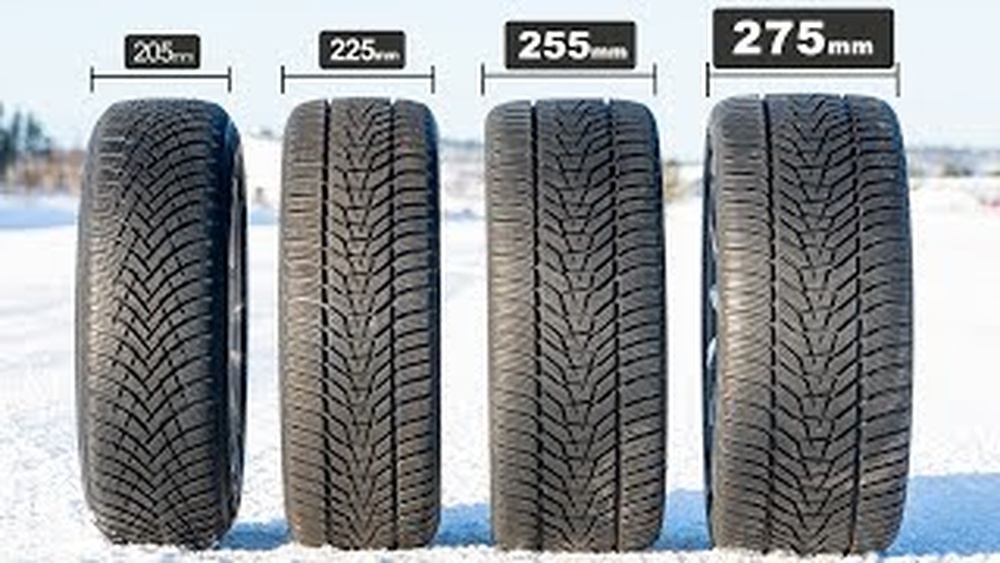
The number in tire size shows the diameter in inches. A 35-inch tire is smaller than a 37-inch tire by 2 inches in diameter. Width also changes. Typically, 35-inch tires are narrower than 37-inch tires. Wider tires offer better grip on rough roads. Larger diameter tires cover more ground per rotation. This can affect speedometer accuracy and gear ratios.
Impact On Vehicle Height
Bigger tires increase the vehicle’s height and ground clearance. A 37-inch tire raises the vehicle more than a 35-inch tire. This helps when driving off-road or through deep snow. Higher clearance means less chance of hitting rocks or obstacles. But taller tires may affect vehicle stability and handling. They can also change the center of gravity, making the vehicle feel different on turns.
Off-road Traction
Off-road traction is key for tires used on rough terrain. It affects how well your vehicle moves on dirt, mud, rocks, and other uneven surfaces. Choosing the right tire size impacts this traction significantly. Both 35 and 37 tires offer different benefits and challenges for off-road grip.
Grip On Mud And Rocks
35 tires provide solid grip on mud and rocky surfaces. Their smaller size means more tire pressure can be used. This helps the tire dig into soft mud without slipping. On rocks, 35 tires can flex well, improving contact with the surface.
37 tires cover more ground with each rotation. This larger footprint can give better traction on loose mud. On big rocks, 37s offer more stability due to their size. But they can be harder to flex in tight spots.
Handling On Loose Surfaces
Loose surfaces like sand or gravel test tire traction differently. 35 tires handle these surfaces with good balance. They maintain grip while allowing quicker steering response.
37 tires float better on soft sand because of their bigger size. This reduces chances of sinking. Yet, their bigger size can make steering slower on loose gravel.
Ride Comfort And Stability
Ride comfort and stability are key factors when choosing between 35 and 37 tires. Both sizes affect how your vehicle handles bumps, turns, and rough roads. Understanding these effects helps in picking the right tire for your needs.
Suspension Effects
Larger tires like 37-inch models add more weight to your vehicle. This extra weight can strain your suspension system. Your shocks and springs work harder to keep the ride smooth. Smaller 35-inch tires put less stress on suspension parts. This often means a softer, more comfortable ride. Suspension tuning may be needed for 37-inch tires to maintain stability. Without adjustments, the ride can feel stiff or bouncy. Proper suspension helps absorb shocks from rough terrain.
Vibration And Noise Levels
37-inch tires usually generate more vibration while driving. Their larger size causes more road contact and rolling resistance. This can lead to louder noise inside the cabin. By contrast, 35-inch tires tend to produce less vibration and noise. They roll more smoothly over pavement and off-road surfaces. Tire design and tread pattern also affect noise levels. Choosing tires with good noise reduction can improve ride comfort. Reducing vibration helps prevent driver fatigue on long trips.
Fuel Efficiency Impact
Choosing between 35 and 37 tires affects your vehicle’s fuel efficiency. Bigger tires often lead to more fuel use. Understanding this impact helps you make a smart choice. Let’s explore how tire size changes fuel consumption.
Rolling Resistance
Rolling resistance is the force that slows your tires on the road. Larger tires like 37-inch ones have more surface touching the ground. This increases rolling resistance. More rolling resistance means your engine works harder. The result is lower fuel efficiency.
Smaller 35-inch tires have less rolling resistance. They use less energy to keep moving. This helps save fuel during drives. Less resistance can give your vehicle better gas mileage.
Engine Strain
Bigger tires add weight and size to your vehicle. This causes extra strain on your engine. The engine needs more power to turn bigger tires. More power means more fuel burned.
With 35-inch tires, the engine faces less strain. It runs more smoothly and uses fuel more efficiently. Less strain also means less wear on engine parts. This can save money on repairs and fuel over time.
Compatibility And Fitment
Choosing between 35 and 37 tires depends a lot on compatibility and fitment. Both sizes affect how your vehicle handles, looks, and what changes you might need to make. Understanding these differences helps avoid problems during installation. It also keeps your ride safe and smooth.
Wheel Well Clearance
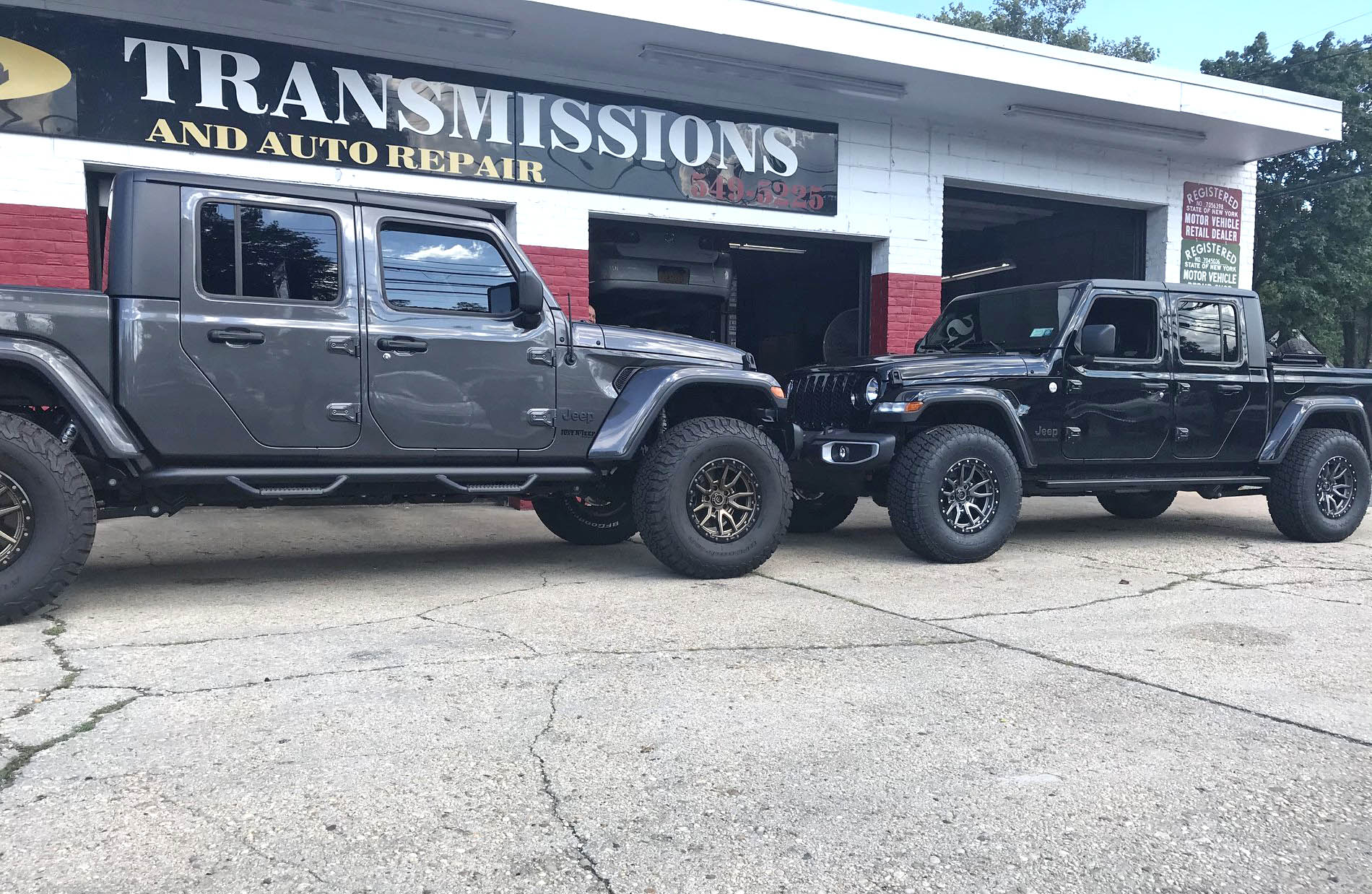
Wheel well clearance is a key factor in tire fitment. A 37 tire is larger and wider than a 35 tire. This means it needs more space inside the wheel well. Without enough clearance, the tire can rub against the fender or suspension parts. This causes damage and makes driving uncomfortable. Vehicles with stock suspension often fit 35 tires with no issues. For 37 tires, extra clearance is usually needed. Checking your vehicle’s wheel well space before upgrading helps prevent fitment problems.
Required Modifications
Installing 37 tires often requires modifications. Lift kits are common to create more space under the vehicle. This raises the body and improves clearance. You may also need to trim or roll the fender liners. Suspension components like control arms or brake lines might need adjustment. Larger tires can affect the speedometer and gearing. Upgrading these parts keeps performance balanced. A 35 tire usually fits with fewer changes. Minimal modifications keep costs and effort lower. Plan modifications carefully to maintain vehicle safety and function.

Credit: www.discountedwheelwarehouse.com
Cost And Maintenance
Cost and maintenance are key factors in choosing between 35 and 37 tires. The initial price and the upkeep affect your budget. Knowing these details helps you pick the right tire size for your needs.
Tire Price Comparison
35 tires usually cost less than 37 tires. Larger tires need more material and are harder to make. This raises the price of 37 tires. For most brands, 37 tires cost around 20% to 30% more than 35 tires.
Shipping and installation fees may also be higher for 37 tires. They are heavier and bulkier, which adds to costs. Budgeting for these extra expenses is important before buying.
Durability And Wear
35 tires often wear slower than 37 tires. The larger size of 37 tires can cause faster tread wear. This happens especially on paved roads. Off-road driving affects both sizes but impacts 37 tires more.
Maintenance tasks like rotation and balancing may cost more with 37 tires. Their weight and size put more strain on suspension parts. Regular checks keep your tires in good shape and extend their life.
Performance In Different Terrains
Choosing between 35 and 37 tires affects how your vehicle performs on different terrains. The size of the tire changes traction, stability, and control. This section explores their performance on sand, desert, snow, and ice.
Sand And Desert
35 tires offer good traction on loose sand. They dig in just enough to keep you moving forward. These tires provide better fuel efficiency due to less rolling resistance. They are easier to steer on soft surfaces.
37 tires have a wider footprint. This spreads the weight over more surface area. The result is less sinking in deep sand. They offer more floatation, which helps in dunes and soft desert terrain. Steering can be heavier but stability is improved.
Snow And Ice
35 tires perform well on packed snow. They offer enough grip for most winter roads. Their narrower profile can cut through snow layers better. This improves contact with the hard surface below.
37 tires provide extra traction on loose snow. Their larger size helps clear snow from the tread. This reduces slipping and improves control. On ice, 37 tires need good tread patterns or chains for safety. Their larger size alone does not guarantee better grip.
Credit: www.jeepgladiatorforum.com
User Experience And Reviews
User experience and reviews provide real insights about 35 vs 37 tires. They show how these tires perform in daily use and tough conditions. People share their thoughts on comfort, traction, and durability. These opinions help others choose the right tire size for their needs.
Off-road Enthusiast Feedback
Off-road drivers often prefer larger tires for better grip and clearance. Many say 37-inch tires handle rough trails with ease. They offer improved traction on rocks and mud. Some users note 35-inch tires provide a good balance of control and size. They feel lighter and easier to steer off-road. Both sizes get praise for durability, but 37s may wear faster on hard surfaces.
Professional Recommendations
Experts suggest 35-inch tires for daily driving and moderate off-roading. They fit most vehicles without major modifications. Professionals warn that 37-inch tires might require lifts or upgrades. This adds cost and complexity. They recommend 37s mainly for serious off-road use. Maintenance and fuel economy can be affected by larger tires. Specialists advise matching tire size to your driving style and vehicle setup.

Credit: www.youtube.com
Frequently Asked Questions
What Are The Main Differences Between 35 And 37 Tires?
35 tires are smaller in diameter and lighter, offering better fuel efficiency. 37 tires are larger, providing improved off-road traction and ground clearance but may reduce gas mileage.
How Does Tire Size Affect Vehicle Performance?
Larger tires like 37s improve off-road capability and ground clearance. Smaller 35s offer better handling, acceleration, and fuel efficiency on paved roads.
Can My Vehicle Fit 37 Tires Instead Of 35?
Not all vehicles can fit 37 tires without modifications. Suspension lifts and fender trimming are often required for proper clearance.
Which Tire Size Is Better For Off-roading?
37 tires are better for serious off-roading due to larger size and increased traction. 35 tires suit mild to moderate off-road conditions.
Conclusion
Choosing between 35 and 37 tires depends on your needs and vehicle. Bigger tires offer better grip and ground clearance. Smaller tires usually give better fuel economy and comfort. Think about your driving style and road conditions. Also, check if your vehicle can fit larger tires safely.
Both sizes have pros and cons to consider. The right choice helps improve your driving experience. Take time to decide what fits you best.