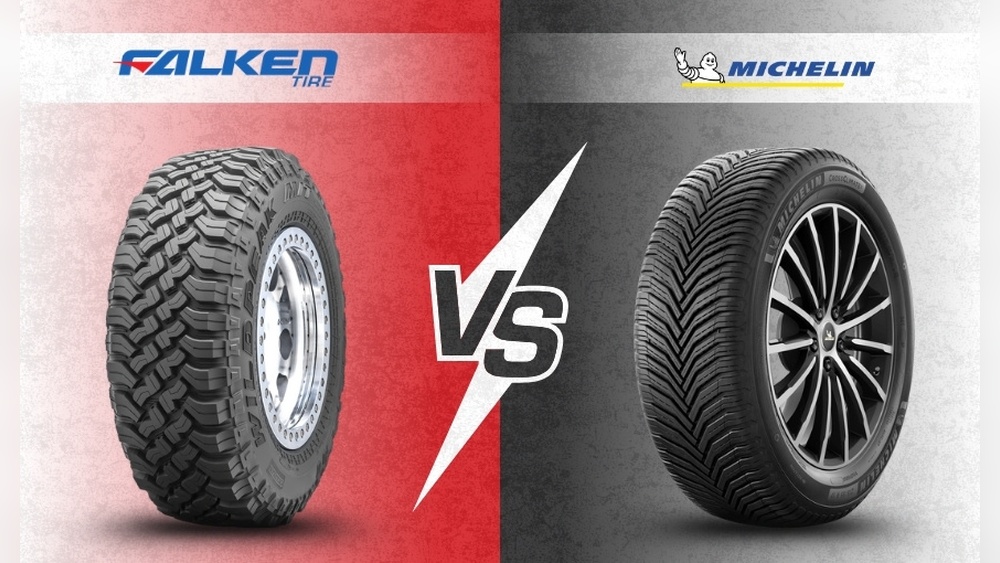
Choosing between a 285 and 305 tire can feel overwhelming, especially when you want the best performance for your vehicle. You might wonder which size offers better grip, comfort, or fuel efficiency.
Your decision impacts not just how your vehicle looks but how it drives every day. You’ll discover the key differences that matter most, helping you pick the perfect tire that fits your needs and driving style. Keep reading to make a choice you won’t regret.
Credit: www.tacomaworld.com
Tire Size Basics
Tire size is a key factor in choosing the right tires for your vehicle. Knowing the basics helps you understand what the numbers mean. It also shows how tire size affects driving and handling.
What 285 And 305 Mean
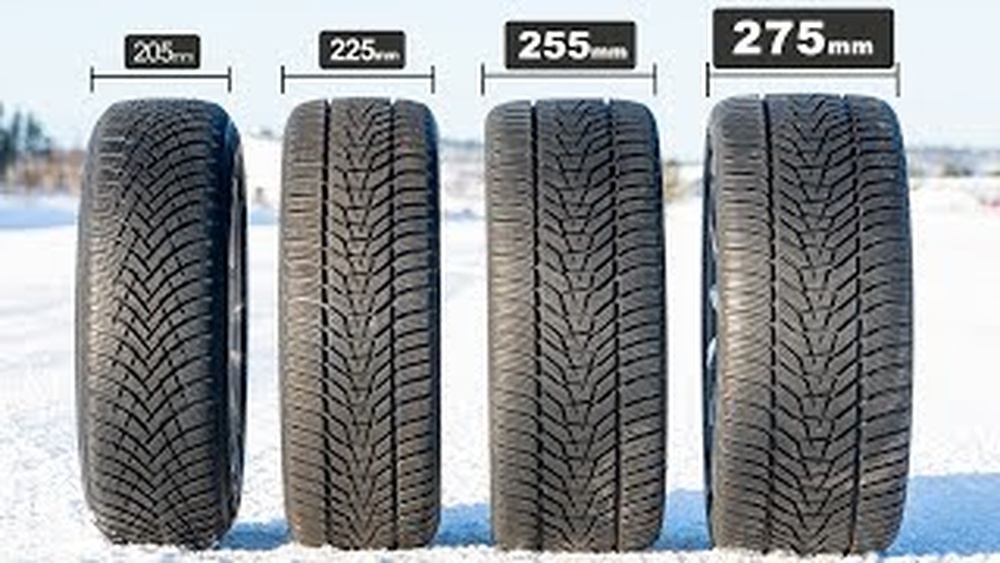
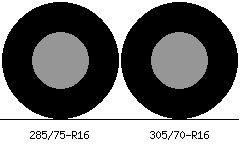
These numbers refer to the tire’s width in millimeters. A 285 tire is 285 mm wide. A 305 tire is 305 mm wide. The bigger the number, the wider the tire.
Width And Aspect Ratio
Width affects the tire’s contact with the road. Wider tires offer more grip but may reduce fuel efficiency. The aspect ratio is the height of the tire sidewall as a percentage of the width. This ratio affects the tire’s profile and ride comfort.
Impact On Vehicle Dynamics
Wider tires can improve cornering and stability. They also add weight, which can affect acceleration and braking. Narrower tires usually provide better fuel economy and a smoother ride. Tire size changes how your vehicle handles on different surfaces.
Performance Differences
Choosing between 285 and 305 tires affects your car’s performance. These sizes change how your vehicle drives on the road. Understanding the differences helps pick the right tire for your needs.
Acceleration And Speed
285 tires are narrower and lighter than 305 tires. This helps the car accelerate faster. Narrow tires reduce rolling resistance, making it easier to gain speed. On the other hand, 305 tires have more contact with the road. This can slow down acceleration slightly but offers better power delivery on some cars.
Handling And Cornering
305 tires provide more grip because of their wider surface. This improves handling in turns and corners. The car feels more stable and confident on curves. 285 tires are easier to steer and feel lighter. They allow quicker direction changes but with less grip on sharp corners.
Braking Efficiency
Wider 305 tires help shorten stopping distances. More rubber on the road means better traction during braking. This adds safety, especially in wet conditions. 285 tires still perform well but may take slightly longer to stop. The difference is small but important for some drivers.
Grip And Traction
Grip and traction define how well tires hold the road. These factors affect safety, handling, and overall driving comfort. Choosing between 285 and 305 tires means understanding their grip on different surfaces. Each size has unique strengths and weaknesses. Let’s explore how they perform in dry, wet, and off-road conditions.
Dry Surface Grip
On dry roads, wider tires like the 305 offer more contact with the ground. This increases grip and helps with cornering and braking. The 285 tires have less surface area, which might reduce grip slightly. However, they often provide quicker steering response. Both sizes perform well but 305 tires have an edge in pure dry traction.
Wet And Slippery Conditions
Water on the road reduces tire grip. Wider tires like 305 can struggle more with water displacement. This may increase the risk of hydroplaning. The 285 tires, being narrower, can cut through water better. This improves traction and safety on wet roads. Proper tire tread and quality also play big roles in wet conditions.
Off-road Capabilities
Off-road driving demands strong traction on uneven surfaces. The wider 305 tires spread the vehicle’s weight more evenly. This helps prevent sinking in soft terrain like mud or sand. The 285 tires are lighter and easier to control in tight spots. For rough trails, 305 tires offer better stability, but 285 tires provide more nimbleness.

Credit: www.youtube.com
Fuel Economy And Wear
Fuel economy and tire wear are key factors in choosing between 285 and 305 tires. Tires affect how much fuel your vehicle uses. They also determine how long your tires last. Understanding these points helps you make a smart choice.
Rolling Resistance Effects
Rolling resistance is the force that tires use to roll on the road. Bigger tires like 305s often have higher rolling resistance. This means the engine works harder and uses more fuel. Smaller tires like 285s usually have less rolling resistance. This helps improve fuel economy by reducing engine effort.
Tire Longevity Comparison
Tire size can affect how long a tire lasts. Larger tires like 305s may wear faster due to more surface area touching the road. Smaller 285 tires often wear more evenly and last longer. Driving habits and road conditions also play a big role in tire wear.
Cost Implications
Bigger tires tend to cost more upfront and to replace. More frequent replacements increase total costs over time. Smaller tires usually have lower prices and last longer. Choosing the right size can save money on fuel and tire costs.
Installation Considerations
Choosing between 285 and 305 tires involves several important installation factors. These factors affect how well the tires fit and perform on your vehicle. Careful attention to these details helps avoid problems after installation.
Compatibility With Vehicle
Not all vehicles can fit 285 or 305 tires easily. Check your vehicle’s manual for recommended tire sizes. Tires too wide may rub against the body or wheel wells. Wheel width also matters. The rim must match the tire width for a safe fit.
Suspension And Clearance
Wide tires need more space around suspension parts. The 305 tire is wider and may require suspension changes. Without enough clearance, tires can hit suspension or fenders during turns. Lift kits or spacers can create extra space but need expert fitting.
Impact On Speedometer Accuracy
Tire size changes affect speedometer readings. Bigger tires cover more ground per rotation. This causes the speedometer to show slower speeds than actual. Calibration of the speedometer is necessary after installing larger tires. It ensures accurate speed and distance measurements.
Choosing The Right Tire
Selecting between 285 and 305 tires depends on several important factors. These factors help match the tire to your needs.
Consider how you drive, where you drive, and your budget. Each plays a key role in the best choice.
Driving Style Preferences
Your driving style affects tire performance and wear. A 285 tire suits everyday driving and better fuel economy.
For aggressive driving or heavy loads, a 305 tire offers more grip and stability. It handles corners and rough roads better.
Climate And Terrain Factors
Climate impacts tire traction and durability. In hot, dry areas, 285 tires provide quicker response and less heat build-up.
For muddy, snowy, or rocky terrain, 305 tires deliver stronger traction and resistance to damage. They work well off-road.
Budget And Maintenance
285 tires usually cost less and consume less fuel. They also wear evenly with routine care.
305 tires cost more and may reduce fuel efficiency. Maintenance can be higher due to increased wear and tear.
Credit: www.mustang6g.com
Frequently Asked Questions
What Is The Size Difference Between 285 And 305 Tires?
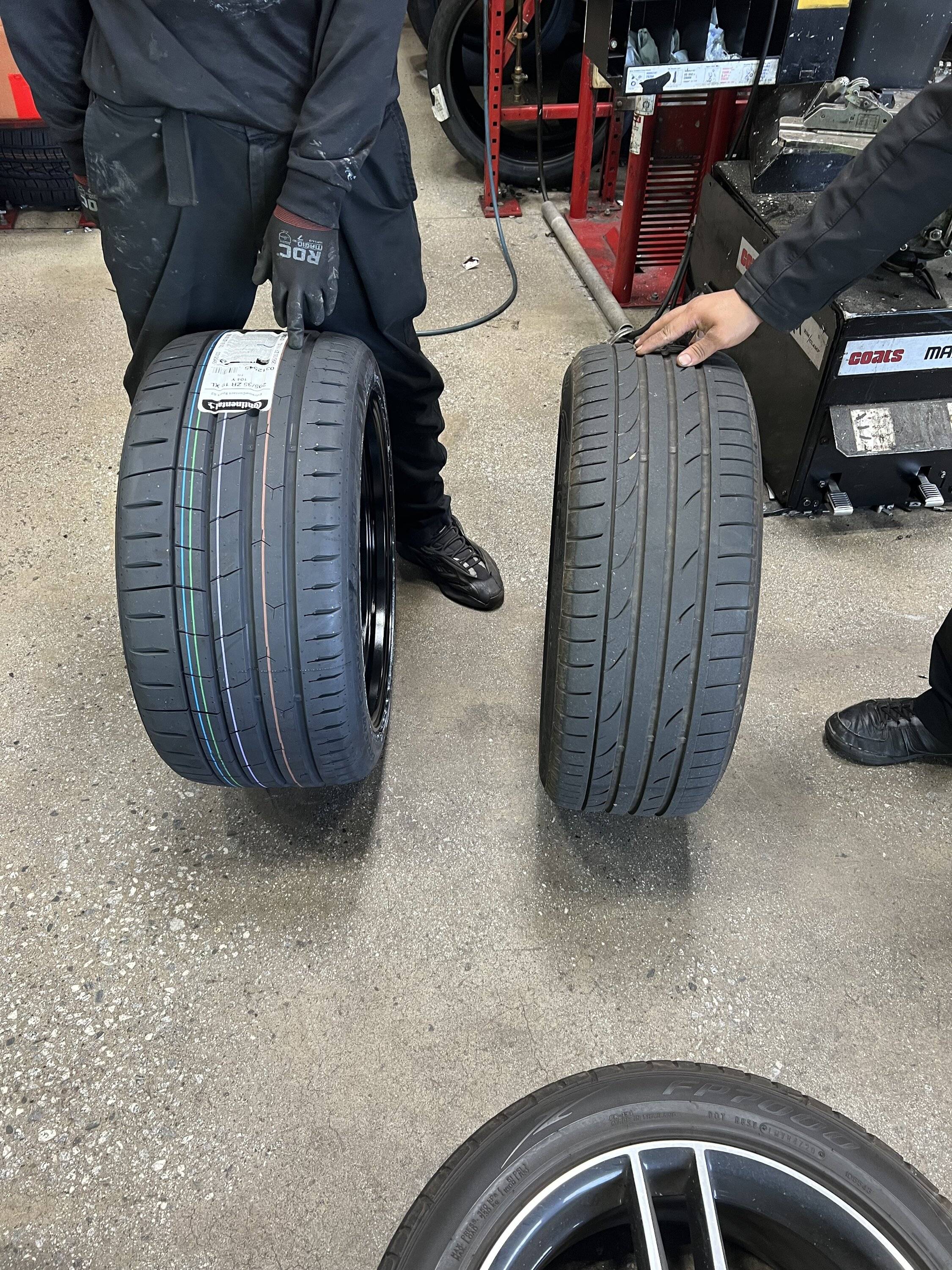
The 305 tire is wider by 20 millimeters compared to the 285 tire. This width difference affects traction, handling, and appearance. The 305 offers better grip due to increased contact with the road. However, it may also impact fuel efficiency and fitment.
Which Tire Is Better For Off-road Driving, 285 Or 305?
The 305 tire is generally better for off-road use due to its wider tread. It provides improved traction on loose surfaces like mud and sand. The 285 tire is narrower, offering less grip but better maneuverability on tight trails.
How Does Tire Width Affect Fuel Economy?
Wider tires like the 305 create more rolling resistance, reducing fuel efficiency slightly. The narrower 285 tire typically offers better mileage due to less friction. However, the difference in real-world driving may be minimal depending on conditions.
Can I Fit 305 Tires On Wheels Made For 285?
Usually, 305 tires require wider wheels than 285 tires for proper fitment. Using a 305 on a wheel designed for 285 can cause poor tire seating and handling issues. Always check wheel width specifications before upgrading tire size.
Conclusion
Choosing between 285 and 305 tires depends on your needs. Wider tires like 305 offer better grip on rough roads. Narrower 285 tires usually give better fuel efficiency and smoother rides. Consider your vehicle type and driving conditions carefully. Each size has its strengths and fits different situations.
Think about what matters most: comfort, performance, or fuel savings. Both tire sizes can work well if matched right. Decide wisely to get the best from your tires.