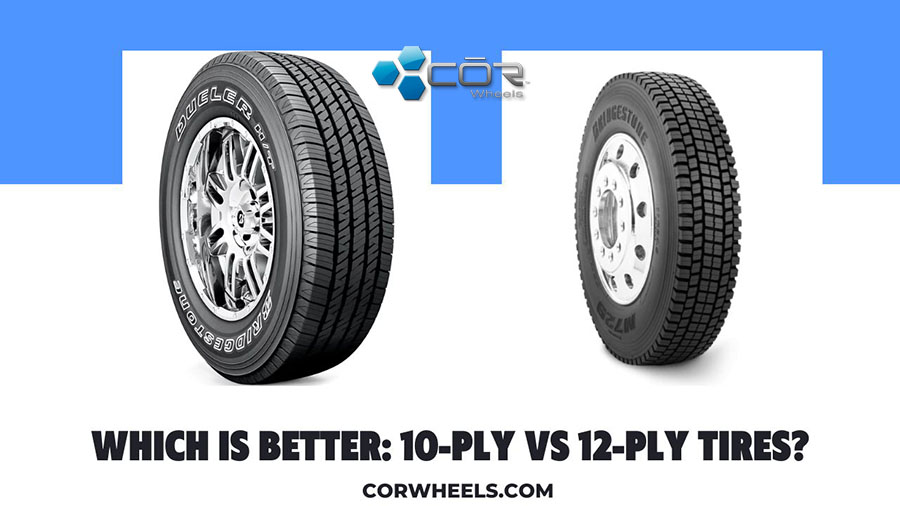
When it comes to choosing tires for your vehicle, you might have come across the terms “10 ply” and “12 ply” tires. But what do these numbers really mean for you and your ride?
Picking the right tire can affect your safety, performance, and even your wallet. If you’re wondering which option suits your needs best, you’re in the right place. You’ll discover the key differences between 10 ply and 12 ply tires, helping you make a smart choice that keeps you rolling smoothly and confidently.
Keep reading to find out what really matters when it comes to tire strength and durability.
Ply Rating Basics
Ply rating is an important term for tires. It tells how strong and durable a tire is. Understanding ply rating helps you choose the right tire for your vehicle. It can affect your safety, comfort, and tire life.
Many people confuse ply rating with the actual number of tire layers. The two are different but related. Let’s explore the basics of ply rating to clear up this confusion.
What Ply Rating Means
Ply rating shows the tire’s strength and load capacity. It is a number that compares the tire to old tire designs. For example, a 10 ply tire is as strong as ten layers of cotton fabric.
Modern tires do not use cotton layers anymore. They use steel and synthetic materials. The ply rating remains as a way to show tire strength.
Higher ply ratings usually mean the tire can carry more weight. It also means the tire is tougher and lasts longer. But a higher ply rating can make the tire heavier and less flexible.
History Of Ply Ratings
Ply ratings started when tires were made of cotton fabric layers. Each layer was called a ply. More plies meant a stronger tire.
As tire technology improved, manufacturers used new materials. Steel belts and synthetic fabrics replaced cotton. Ply ratings stayed as a standard to compare tire strength.
Today, the ply rating shows the tire’s strength, not the actual number of layers. It helps drivers understand the tire’s load capacity and durability.
Construction Differences
The construction of 10 ply and 12 ply tires plays a key role in their strength and performance. These tires differ mainly in the layers of material inside them. This affects how they handle weight, pressure, and rough roads.
Understanding these construction differences helps you choose the right tire for your needs. The two main aspects to consider are the material composition and the layer arrangement inside the tire.
Material Composition
Both 10 ply and 12 ply tires use strong materials like nylon, polyester, or steel cords. These materials provide toughness and flexibility to the tire. The difference is in the number of layers made from these materials.
10 ply tires have fewer layers, which means less material inside. 12 ply tires use extra layers, making them thicker and more durable. This extra material helps 12 ply tires resist punctures and wear better.
The quality of the materials can vary, but usually, 12 ply tires have stronger or heavier cords to support more weight. This makes them suitable for heavier vehicles or tougher driving conditions.
Layer Arrangement
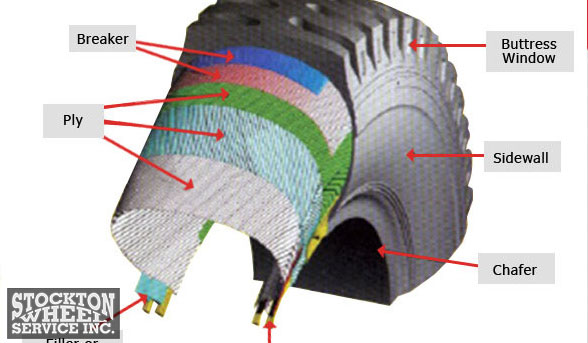
Layer arrangement means how the layers of fabric or steel are placed in the tire. Both 10 ply and 12 ply tires have layers stacked inside the tire carcass. These layers give the tire its shape and strength.
In 10 ply tires, the layers are fewer and may be arranged at different angles to provide flexibility. This makes the tire softer and easier to handle on smooth roads.
12 ply tires have more layers tightly packed. This arrangement increases the tire’s stiffness and load capacity. It also helps the tire last longer under heavy use.
The layers in 12 ply tires are often arranged to improve heat dissipation. This reduces the chance of tire damage during long drives or high speeds.
Durability Factors
Durability is a key factor when choosing between 10 ply and 12 ply tires. It affects how long the tire lasts and how well it performs under stress. Understanding durability helps you pick the right tire for your needs. Both types have strengths, but their durability depends on specific factors.
Resistance To Wear
Resistance to wear means how well a tire can handle rough surfaces. 12 ply tires usually have thicker layers. This makes them tougher against cuts and abrasions. They last longer on rough roads or off-road trails. 10 ply tires are thinner and may wear out faster on harsh terrain. For frequent driving on rough surfaces, 12 ply tires offer better protection.
Load Carrying Capacity
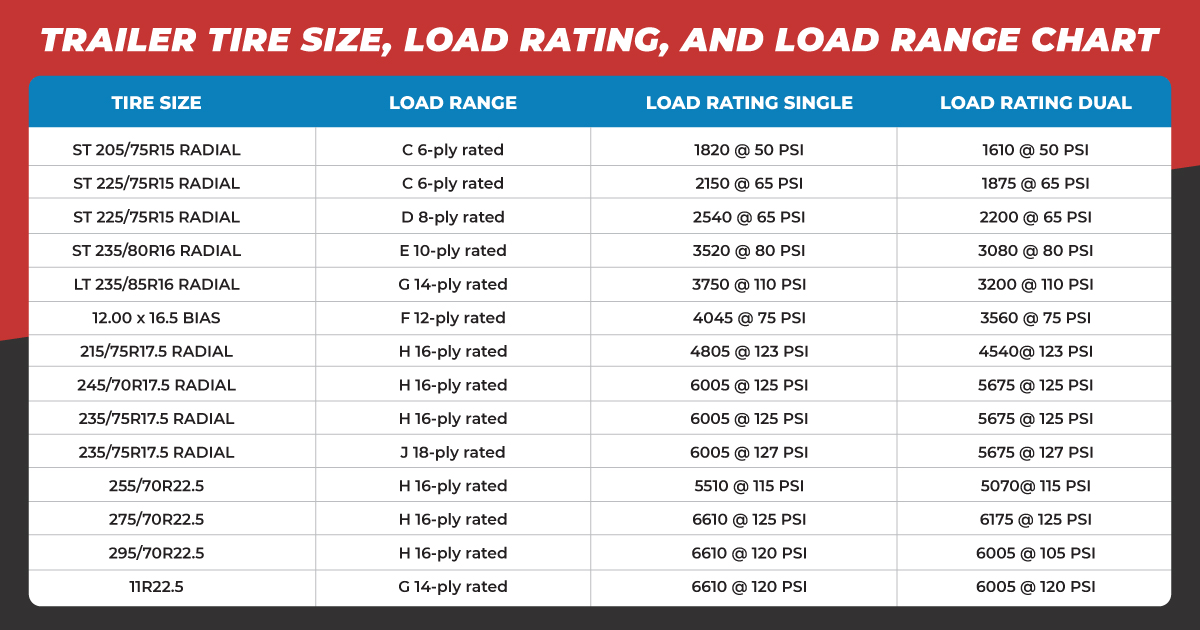
Load carrying capacity is the weight a tire can support safely. More plies add strength to the tire structure. 12 ply tires carry heavier loads than 10 ply tires. This makes them suitable for trucks and heavy vehicles. 10 ply tires work well for lighter vehicles and normal loads. Choosing the right ply helps avoid tire damage from overloading.
Performance Comparison
Comparing 10 ply and 12 ply tires reveals key differences in performance. These tires serve different needs based on strength and flexibility. Understanding their impact helps choose the right tire for your vehicle and driving style.
Handling And Stability
12 ply tires usually offer better handling on rough roads. Their extra layers add strength, reducing tire flex during turns. This improves vehicle stability and control, especially on heavy loads.
10 ply tires are lighter and more flexible. They provide smoother steering on smooth surfaces but may flex more under pressure. This can slightly reduce stability compared to 12 ply tires.
Ride Comfort
10 ply tires absorb road bumps better due to their softer sidewalls. They provide a more comfortable ride on city streets and highways.
12 ply tires have stiffer sidewalls, which can make rides feel firmer. This firmness helps carry heavy loads but might cause a rougher ride on uneven roads.
Fuel Efficiency Impact
Tires play a key role in a vehicle’s fuel consumption. The ply rating affects weight and rolling resistance. These factors impact how much fuel the vehicle uses daily.
Choosing between 10 ply and 12 ply tires can influence your fuel efficiency. Understanding this difference helps in making better tire choices.
Weight Differences And Fuel Use
12 ply tires are heavier than 10 ply tires. Extra weight means the engine works harder. This leads to higher fuel consumption. Lighter 10 ply tires reduce strain on the engine.
Rolling Resistance Effects
Rolling resistance is how much tires resist moving on the road. 12 ply tires usually have higher resistance. This causes the vehicle to use more fuel. 10 ply tires roll more easily and save fuel.
Load Capacity And Fuel Trade-off
12 ply tires carry heavier loads safely. Heavier loads reduce fuel efficiency. 10 ply tires support less weight but use less fuel. Choose tires based on load needs and fuel goals.
Credit: www.tires-easy.com
Cost Considerations
Choosing between 10 ply and 12 ply tires involves more than just performance. Cost plays a big role too. Understanding the price differences helps buyers make smart decisions. This section covers key cost points for these tires.
Initial Price
10 ply tires usually cost less upfront. They are lighter and use fewer materials. 12 ply tires have more layers, making them thicker and stronger. This extra strength raises the price. The difference can be noticeable for buyers on a budget. Choosing 10 ply tires means saving money at first purchase.
Long-term Value
12 ply tires last longer under tough conditions. Their strength reduces wear and tear. This means fewer replacements over time. 10 ply tires may wear out faster on rough roads. Replacing tires more often can increase total expenses. Spending more initially on 12 ply tires can save money later. It offers better value for heavy use or rough terrain.
Best Use Cases
Choosing between 10 ply and 12 ply tires depends on the type of driving you do. Each tire offers different strengths suited for specific conditions. Understanding the best use cases helps pick the right tire for your vehicle. Below, we explore where each tire performs best.
Off-road Applications
12 ply tires excel in rough, off-road environments. Their extra layers provide stronger protection against rocks and sharp objects. This durability reduces the risk of punctures and tire damage. Drivers in construction, farming, or off-road racing often prefer 12 ply tires. They handle heavy loads and tough terrains better. The added toughness increases tire life in harsh conditions.
Highway Driving
10 ply tires work well for highway and city driving. They offer a smoother and quieter ride on paved roads. These tires are lighter, which improves fuel efficiency. Their design focuses on comfort and better handling at high speeds. For daily commuting or long-distance travel on highways, 10 ply tires are a smart choice. They balance durability with performance for everyday use.
Credit: www.n-kcreative.com
Maintenance Tips
Maintaining 10 ply and 12 ply tires is key for safety and long life. Good care helps tires perform well and saves money. Simple steps make a big difference. Proper attention prevents problems and keeps tires strong.
Proper Inflation
Check tire pressure often. Use a reliable gauge to measure it. Keep tires at the recommended pressure level. Both underinflation and overinflation cause wear and damage. Proper inflation improves fuel efficiency and tire grip. Adjust pressure before every long trip or heavy load.
Regular Inspections
Look at tires for cracks, cuts, or uneven wear. Inspect tread depth to ensure safe driving. Remove stones or debris stuck in the tire grooves. Check sidewalls for bulges or blisters that show weakness. Early detection of issues helps avoid tire failure. Schedule inspections monthly or before long journeys.
Choosing Between 10 Ply And 12 Ply
Choosing between 10 ply and 12 ply tires depends on your specific needs. Both options offer strength and durability. Yet, their differences affect performance and cost. Understanding these factors helps in making the right choice. This section breaks down key points to consider before buying.
Assessing Your Needs
Start by thinking about your vehicle type and weight. Heavy trucks or off-road vehicles benefit from stronger tires. 12 ply tires handle more weight and rough terrain better. For lighter vehicles or city driving, 10 ply tires may suffice. Consider your usual driving conditions. Harsh roads demand tougher tires. Also, check how often you drive and the distances covered. Frequent long trips need more durable tires. Budget plays a role too. 12 ply tires usually cost more. Match your tire choice with your daily use and budget.
Expert Recommendations
Experts suggest choosing tires based on load and road type. For heavy loads, 12 ply tires improve safety and tire life. They resist punctures and damage better. For standard loads and smooth roads, 10 ply tires offer good value. Experts also advise checking tire pressure regularly. Proper inflation boosts tire performance and durability. Consulting a professional mechanic helps pick the best option. They can assess your vehicle and driving needs. Follow expert advice for safer and cost-effective tire use.
Credit: www.simbav.de
Frequently Asked Questions
What Is The Main Difference Between 10 Ply And 12 Ply Tires?
10 ply tires have fewer layers than 12 ply tires, making them lighter. 12 ply tires provide extra strength and durability for heavy loads and rough terrains.
Are 12 Ply Tires Better For Heavy-duty Vehicles?
Yes, 12 ply tires offer higher load capacity and tougher construction, making them ideal for trucks and heavy-duty vehicles.
How Does Ply Rating Affect Tire Durability?
Higher ply ratings mean more layers, enhancing tire strength and resistance to punctures. This results in longer-lasting and more durable tires.
Can 10 Ply Tires Handle Off-road Conditions?
10 ply tires can handle moderate off-road use but may wear faster. For rugged terrain, 12 ply tires are more reliable.
Conclusion
Choosing between 10 ply and 12 ply tires depends on your needs. 12 ply tires offer extra strength and durability. 10 ply tires usually weigh less and provide better fuel efficiency. Consider the type of vehicle and road conditions you face.
Safety and performance matter most. Both options have benefits. Think about how you use your tires daily. This helps you pick the right one. Tires affect comfort, control, and cost. Choose wisely for a smooth and safe ride.