Choosing the right tires can make a huge difference in how your vehicle performs and feels on the road. If you’ve been wondering whether 33S or 35S tires are better for your ride, you’re not alone.
These two options often come up in discussions about off-road capabilities, comfort, and fuel efficiency. But which one truly suits your needs? You’ll discover the key differences between 33S and 35S tires, helping you make a confident choice that matches your driving style and goals.
Keep reading—you’re about to find out what really matters when picking between these popular tire sizes.
Credit: www.jlwranglerforums.com
Tire Size Basics
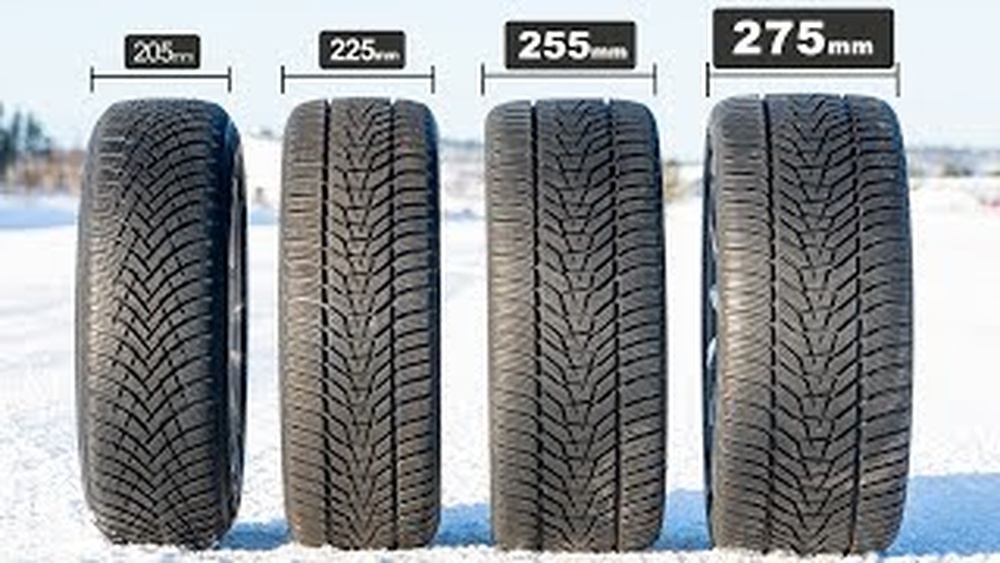
Tire size affects your vehicle’s look and performance. Understanding tire size basics helps in choosing the right tires. Sizes like 33S and 35S tell you about the tire’s height and width. These numbers impact how your vehicle drives and handles. Knowing what these numbers mean makes shopping easier.
Tire size also affects fuel efficiency and ride comfort. Tires that are too big or small can cause problems. Let’s break down what 33S and 35S mean and how they change your vehicle’s size.
What 33s And 35s Mean
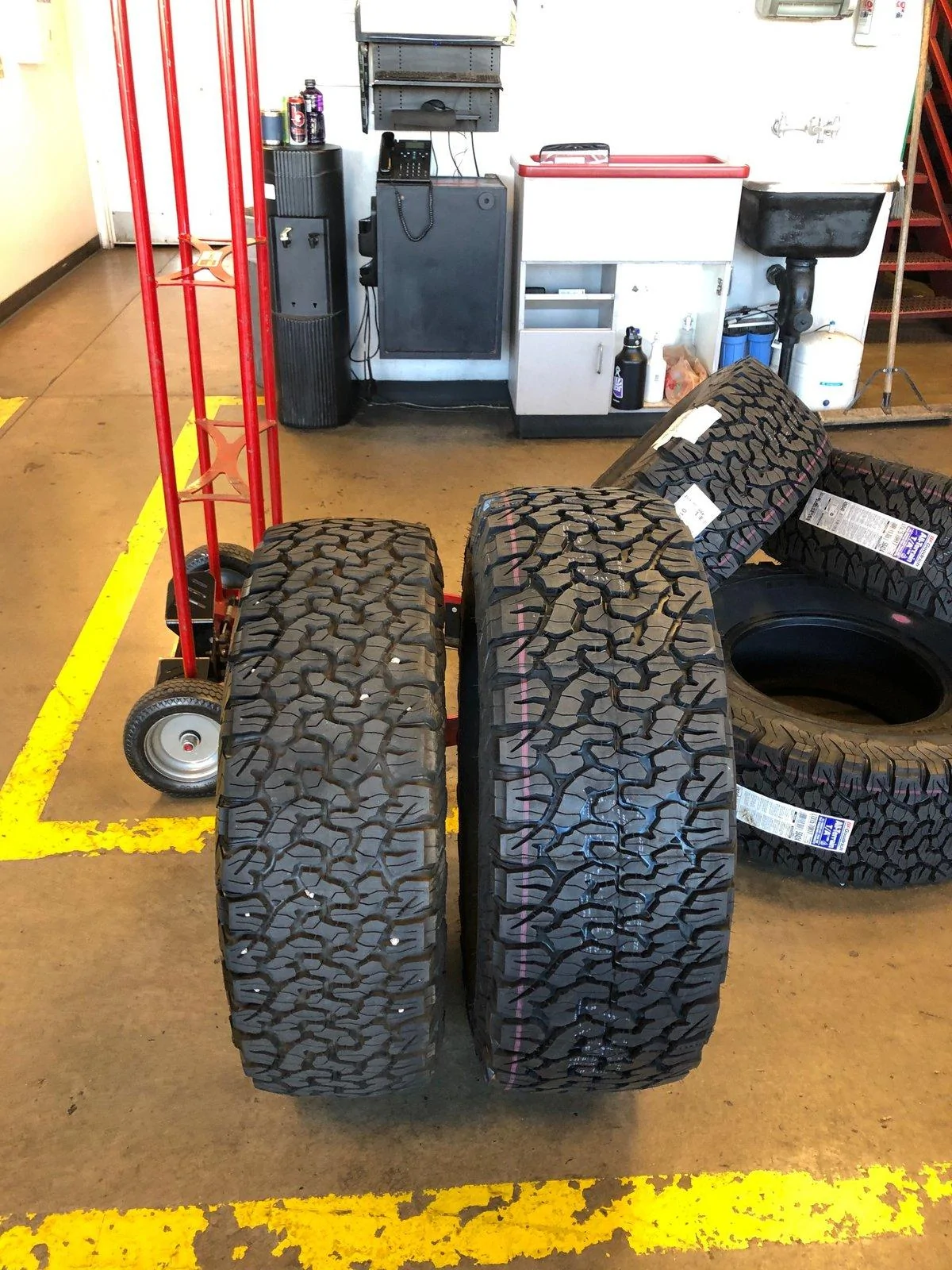
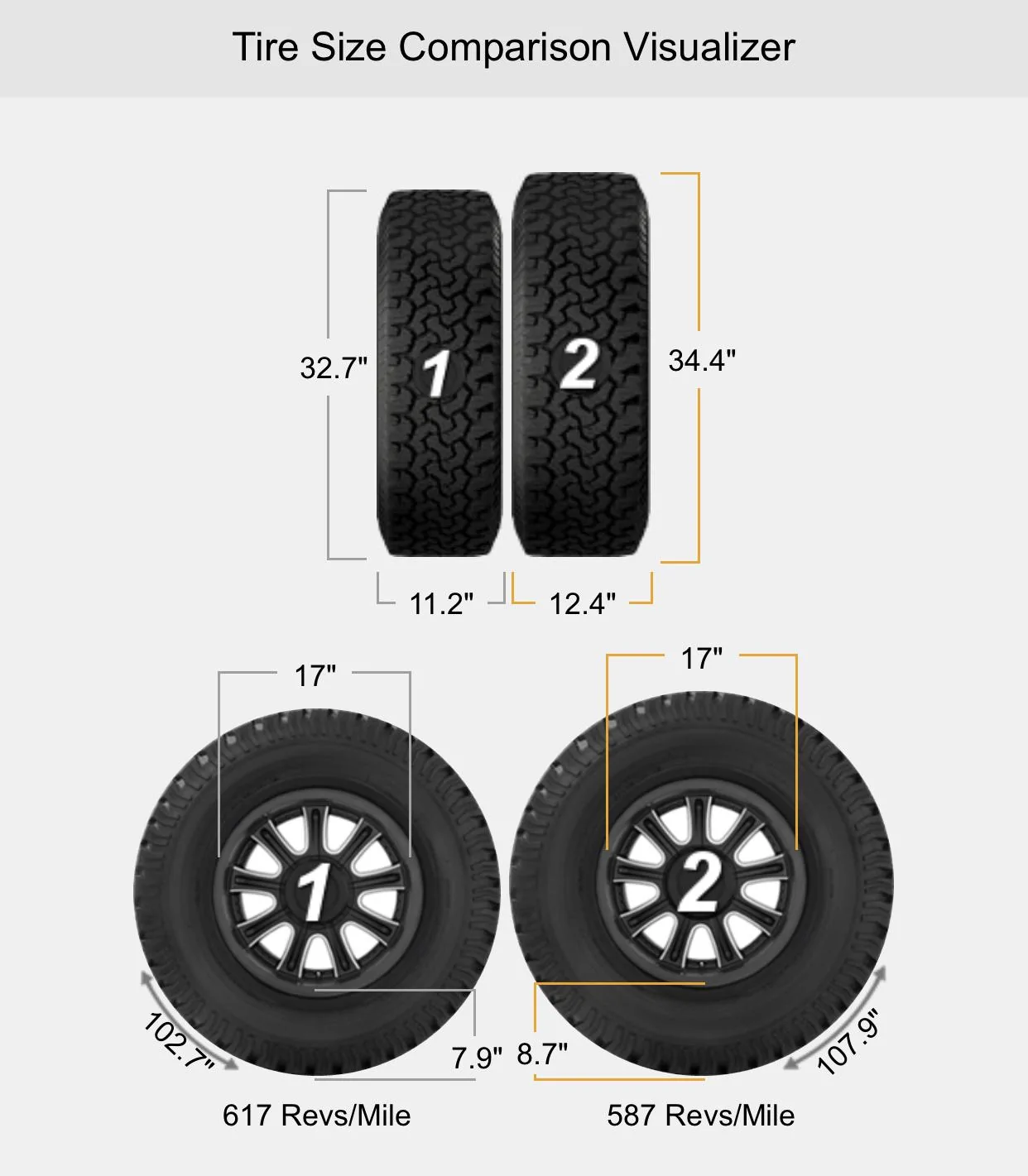
33S and 35S refer to the tire’s overall diameter in inches. A 33S tire is about 33 inches tall. A 35S tire measures roughly 35 inches. The letter “S” stands for standard width, not extra wide or narrow. The bigger the number, the taller the tire. Taller tires can improve ground clearance.
Impact On Vehicle Dimensions
Changing from 33S to 35S raises the vehicle higher off the ground. This change affects the ride height and center of gravity. Taller tires may require adjustments to the suspension. They also change the speedometer reading slightly. Wider tires can increase the vehicle’s width and stance. These changes affect handling and fuel use.
Off-road Traction
Off-road traction is a key factor in choosing between 33S and 35S tires. It affects how well your vehicle moves over rough, loose, or uneven surfaces. Good traction helps prevent slipping and improves control.
Both tire sizes offer different benefits for off-road driving. Understanding their tread patterns and grip helps in picking the best option for your needs.
Tread Patterns And Grip
33S tires usually have tighter tread patterns. This design helps with grip on hard-packed dirt and rocky trails. The smaller tread blocks create more contact with the ground, improving stability.
35S tires feature more aggressive tread patterns. Larger tread blocks and wider gaps allow better grip on mud and loose sand. This design helps the tire dig into soft surfaces for stronger traction.
The wider gap in 35S tires also helps clear mud and debris faster. This keeps the tread open and maintains grip during tough conditions. On the other hand, 33S tires clean themselves better on firm trails.
Performance On Different Terrains
33S tires perform well on mixed terrains like gravel, dirt roads, and light trails. They provide reliable traction without sacrificing ride comfort. These tires handle sharp turns and uneven surfaces with ease.
35S tires excel on deep mud, soft sand, and loose rocks. Their larger size and tread design improve traction in challenging conditions. These tires may feel less smooth on paved roads but shine off-road.
Choosing between 33S and 35S depends on your typical terrain. For balanced off-road use, 33S tires offer good grip and comfort. For more extreme off-road adventures, 35S tires provide superior traction and durability.
Ride Comfort And Handling
Ride comfort and handling are key factors when choosing between 33S and 35S tires. These tires affect how smooth the ride feels and how well the vehicle moves on the road. Small differences in tire size can change the driving experience significantly. Understanding these differences helps you pick the right tire for your needs.
Shock Absorption
33S tires usually offer better shock absorption. Their smaller size means less sidewall flex, which can soften bumps. This helps the vehicle absorb rough road surfaces. On the other hand, 35S tires have taller sidewalls. They can flex more, which also helps with cushioning. But the larger size may transmit more road noise and vibrations into the cabin.
The extra height of 35S tires can handle rough terrains better. They protect the wheel and suspension from impacts. This means less harshness on off-road trails. However, on smooth roads, 33S tires often feel more comfortable. Their balance between size and flexibility suits daily driving.
Steering Response
33S tires provide sharper steering response. The smaller diameter means less tire mass to move. This allows quicker turns and better control. Drivers often feel more connected to the road with 33S tires. They improve handling in tight corners and city driving.
35S tires offer a more stable feel at high speeds. Their larger contact patch improves grip on loose surfaces. But steering can feel slower or heavier. The extra weight makes quick maneuvers harder. For off-road adventures, this trade-off is often worth it. For everyday driving, 33S tires usually feel more agile and responsive.
Credit: www.bronco6g.com
Fuel Efficiency And Speed
Fuel efficiency and speed are important factors when choosing between 33S and 35S tires. Both tire sizes affect how your vehicle uses fuel and how fast it can go. Understanding these effects helps you make a better choice for your driving needs.
Effect Of Tire Size On Mileage
Smaller tires like 33S usually offer better fuel mileage. They weigh less and create less rolling resistance. This means the engine works easier and uses less fuel.
Larger tires like 35S add weight and drag. They require more power to turn, which can lower fuel efficiency. The bigger size also changes the speedometer reading, making your vehicle think it’s going slower than it is.
Choosing 33S tires can save fuel over long distances. But 35S tires may reduce mileage due to extra effort from the engine.
Top Speed Considerations
Tire size affects top speed by changing the tire’s circumference. Larger tires like 35S cover more ground per rotation. This can increase the vehicle’s top speed in theory.
But larger tires also add weight and can reduce acceleration. The engine might struggle to reach higher speeds quickly. Smaller tires like 33S often allow for quicker acceleration and more control at high speeds.
Vehicles with 35S tires may hit a slightly higher top speed. Yet they may feel slower off the line and use more fuel reaching that speed.
Durability And Maintenance
Durability and maintenance are key factors to think about when choosing between 33S and 35S tires. Both tire sizes have their strengths and challenges. Understanding how they wear out and the costs to fix or replace them helps you make a smart choice. This section covers the important details about durability and upkeep.
Wear And Tear Rates
33S tires usually wear out slower than 35S tires. Their smaller size means less stress on the tread and sidewalls. They handle rough roads well but do not last as long as smaller tires. 35S tires face more wear because they are larger and heavier. They often hit rocks and debris harder. This leads to faster tread loss and more sidewall damage. Choosing the right tire depends on your driving style and road conditions.
Repair And Replacement Costs
Repairing 33S tires tends to cost less. Their common size means parts and services are easier to find. Replacement tires are also cheaper for 33S models. 35S tires cost more to fix and replace. They need special handling and parts due to their size. Frequent repairs add up quickly. Budgeting for maintenance is important with 35S tires to avoid surprises.

Credit: www.youtube.com
Installation And Compatibility
Choosing between 33S and 35S tires involves more than size and style. Installation and compatibility play key roles in your decision. These aspects affect how the tires fit and function on your vehicle. Understanding these factors helps avoid problems down the road.
Fitment Challenges
33S tires usually fit most trucks without many issues. They often work with stock suspension and factory wheel wells. 35S tires, being larger, can create fitment problems. They may rub against fenders or suspension parts during turns or bumps. Clearance space becomes tight, requiring careful checks before installation.
Wheel offset and width also affect tire fitment. Incorrect combinations lead to rubbing or uneven wear. Testing fitment on your specific vehicle model is important before purchase. Proper measurements prevent costly adjustments later.
Necessary Vehicle Modifications
Installing 35S tires often needs changes to your vehicle. Common mods include lifting the suspension to increase clearance. This prevents tires from hitting the body or suspension parts. Sometimes, trimming fenders or adjusting wheel wells is needed for extra space.
Upgrading suspension components may improve ride quality and handling. Larger tires add stress to steering and braking systems. Upgrades ensure safe driving with bigger tires. 33S tires usually need fewer or no modifications, making them easier to install.
Cost Comparison
Choosing between 33S and 35S tires involves considering the cost carefully. Understanding the price differences helps buyers decide which tire fits their budget best. Cost affects both the initial buy and how much value the tire holds over time.
Initial Purchase Price
33S tires usually cost less than 35S tires. Smaller size means less material, which lowers the price. Prices vary by brand and tread type but expect 35S tires to be pricier. The higher price comes from bigger size and more rubber used. Budget buyers often prefer 33S tires for this reason.
Long-term Value
35S tires may last longer due to larger size and thicker tread. This can save money over time despite the higher upfront cost. Larger tires also perform better in rough conditions, reducing damage risks. 33S tires wear faster but cost less to replace. Consider how often you drive and the road type to choose wisely.
User Experiences
User experiences give real insight into 33S and 35S tires. They show how these tires perform in daily use. Users share their thoughts on grip, comfort, and durability. These reviews help others decide which tire fits their needs best.
Common Feedback On 33s
Many users find 33S tires easier to handle. They say these tires work well on both roads and light trails. The ride feels smoother, with less noise inside the vehicle. Some mention better fuel efficiency compared to larger tires. Drivers appreciate the balance between size and performance. A few users note that 33S tires fit well without modifying the vehicle.
Common Feedback On 35s
Users of 35S tires often praise the rugged look. These tires offer strong traction on rough terrain. Some find them perfect for off-road adventures and mud. The larger size can improve ground clearance. However, some mention a slight drop in fuel economy. A few users report a firmer ride and more road noise. Vehicle modifications may be needed to fit 35S tires properly.
Choosing The Right Tire
Choosing the right tire for your vehicle is important for safety and performance. Tires affect how your vehicle handles on different surfaces. Picking between 33S and 35S tires depends on your driving needs and vehicle setup. This section helps you make a clear choice.
Matching Tires To Off-road Needs
Consider where you will use the tires most. 33S tires work well on rocky trails and dirt roads. They offer good grip and control. 35S tires are larger and better for deep mud or sand. They provide more floatation but need more power to turn. Think about the terrain before choosing.
Balancing Performance And Budget
33S tires usually cost less and use less fuel. They also put less strain on your vehicle’s suspension. 35S tires cost more and may reduce fuel efficiency. They can require upgrades like stronger axles or lift kits. Decide what fits your budget and how much work you want to do on your vehicle.
Frequently Asked Questions
What Are The Main Differences Between 33s And 35s Tires?
33S tires are slightly smaller in diameter and width compared to 35S tires. This affects ride height, clearance, and performance. The 35S offers better off-road traction and ground clearance, while 33S tires provide improved fuel efficiency and a smoother on-road ride.
Which Tire Size Is Better For Off-road Driving?
35S tires are generally better for off-road driving. Their larger diameter and width improve traction, ground clearance, and obstacle handling. However, they may reduce fuel efficiency and increase road noise compared to 33S tires, which are more suited for mixed on-road and mild off-road use.
How Do 33s And 35s Tires Affect Fuel Economy?
33S tires usually offer better fuel economy due to their smaller size and lighter weight. Larger 35S tires increase rolling resistance and vehicle weight, which can reduce fuel efficiency. Choosing the right tire depends on balancing fuel economy with desired off-road performance.
Can I Use 33s Tires Instead Of 35s On My Vehicle?
You can use 33S tires instead of 35S if your vehicle has enough clearance and suspension compatibility. However, expect a slight decrease in ride height and off-road capability. Always check manufacturer recommendations to ensure safety and performance.
Conclusion
Choosing between 33S and 35S tires depends on your needs. 33S tires offer better fuel economy and smoother rides. 35S tires give more ground clearance and off-road grip. Think about your driving style and road conditions. Smaller tires suit city and highway driving.
Bigger tires work well for rough, uneven paths. Both have pros and cons to consider. Pick the tires that match your vehicle and use. This will help you drive safely and comfortably. Tires matter more than you might think. Choose wisely and enjoy the road ahead.