What Size Tires Are On A Nissan Altima
If you own a Nissan Altima or are thinking about buying one, you might wonder about the right tire size. The answer isn’t simple, because Altima models change over the years. Tire size affects how your car handles, how comfortable your ride feels, and even your fuel economy. Using the wrong tires can cost you money and cause safety problems. Understanding the details can help you choose tires that fit your Altima perfectly. This guide will break down the common tire sizes, explain why size matters, and show you how to find the right tires for your car.
Common Nissan Altima Tire Sizes
The Nissan Altima has been around since 1992, and tire sizes have changed with each generation. Most Altimas use 16-inch, 17-inch, or 18-inch wheels, but some newer models use 19-inch wheels for sportier trims.
Here are the most common tire sizes for different Altima years:
| Model Year | Typical Tire Size | Wheel Size |
|---|---|---|
| 2013–2018 | 215/60R16 | 16-inch |
| 2013–2018 | 215/55R17 | 17-inch |
| 2019–2024 | 235/40R19 | 19-inch |
| 2019–2024 | 215/60R16 | 16-inch |
| 2019–2024 | 215/55R17 | 17-inch |
Not every Altima uses the same size, so always check your car’s manual or the sticker inside the driver’s door.
How To Read Tire Size
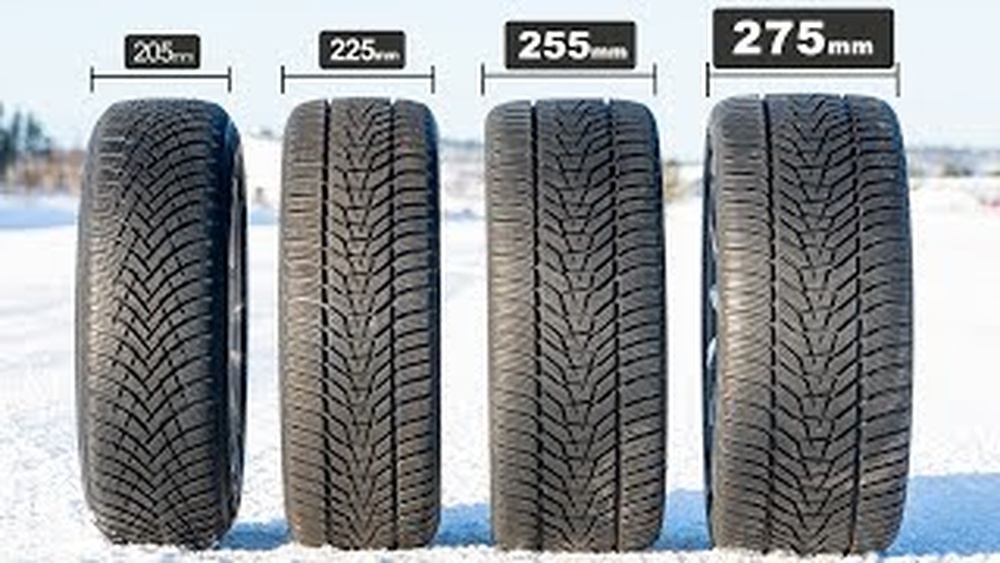
Tire size looks confusing at first, but it’s easy to understand once you know what the numbers mean. For example, 215/55R17 breaks down like this:
- 215: Tire width in millimeters
- 55: Sidewall height (as a percentage of width)
- R: Radial construction (almost all modern tires)
- 17: Wheel diameter in inches
If you see a tire labeled 235/40R19, it’s wider (235 mm), has a lower sidewall (40% of width), and fits a larger wheel (19 inches).
Why Tire Size Matters
Picking the correct tire size is important for several reasons:
- Safety: Wrong size tires can affect braking and handling.
- Comfort: Bigger wheels often mean a firmer ride.
- Fuel Economy: Larger, wider tires may lower gas mileage.
- Wear and Tear: Incorrect size can lead to uneven tire wear.
Many Altima owners think only about the wheel diameter. But the width and sidewall height matter just as much. For example, low-profile tires (short sidewalls) give a sporty look but make bumps feel rougher.
Altima Trim Levels And Tire Sizes
Different Altima trims come with different wheels and tires. Here’s how the sizes match up:
| Trim | Wheel Size | Tire Size |
|---|---|---|
| S | 16-inch | 215/60R16 |
| SV | 17-inch | 215/55R17 |
| SR | 19-inch | 235/40R19 |
| SL | 17-inch | 215/55R17 |
| Platinum | 19-inch | 235/40R19 |
Some models offer optional wheels. Always check your car before buying new tires.
How To Check Your Altima’s Tire Size
The easiest way is to look at the sticker inside the driver’s door. It shows the recommended tire size and air pressure. You can also find the tire size printed on the side of your tire. If you see 215/60R16, that’s your tire size.
If you buy used, ask the seller if the wheels are original. Some owners change wheels for style, which can affect size.
Can You Use Different Tire Sizes?
Many Altima owners wonder if they can upgrade to a bigger wheel or tire. It is possible, but there are limits:
- The overall diameter should stay close to original. Too big or too small changes your speedometer and handling.
- If you go wider, make sure the tires don’t rub against the car body.
Tire shops can help you check if a new size will work. A difference of 1–2 inches in wheel diameter is usually safe, but always confirm.
Tire Types For Nissan Altima
Picking the right tire type is as important as the size. Most Altima owners use all-season tires, but there are other options:
- All-Season Tires: Good for most weather, last longer, affordable.
- Performance Tires: Better grip, sharper handling, but often wear faster.
- Winter Tires: Designed for snow and ice, softer rubber.
- Touring Tires: Smooth ride, low noise, good for long trips.
If you drive in snow, winter tires are smart. If you want a sportier feel, performance tires fit best on models with 19-inch wheels.
Altima Tire Size And Performance
A bigger tire can make your Altima look and feel sportier. For example, the SR and Platinum trims use 235/40R19 tires, giving better grip. But larger tires can be more expensive and may affect ride comfort.
Wider tires help with cornering but can lower fuel economy. Narrower tires cost less and ride softer. If you drive mostly in the city, a standard 215/60R16 tire is usually best.
Tire Size And Fuel Economy
A common mistake is choosing the biggest tire possible. Many think larger tires look cool, but they can drop your gas mileage. Bigger tires weigh more and have more rolling resistance.
For example, switching from 215/60R16 to 235/40R19 might lower your fuel economy by 1–2 mpg. It’s not a huge drop, but it adds up over time.

Credit: www.autocentersnissan.com
Tire Replacement Tips For Altima Owners
Replacing tires isn’t just about size. Here are practical tips to get the best results:
- Always replace all four tires if you switch sizes.
- Match the speed rating and load index (shown on the tire sidewall).
- Avoid mixing tire brands and types.
- Make sure the new tires don’t rub against the wheel wells.
A non-obvious tip: If you upgrade wheels, ask for a wheel alignment. Changing wheel size can affect how your Altima handles.
Altima Tire Size Comparison With Other Sedans
To see how Altima tire sizes compare, here’s a quick look at similar cars:
| Model | Typical Tire Size | Wheel Size |
|---|---|---|
| Nissan Altima | 215/60R16 | 16-inch |
| Toyota Camry | 215/55R17 | 17-inch |
| Honda Accord | 225/50R17 | 17-inch |
| Hyundai Sonata | 215/55R17 | 17-inch |
| Ford Fusion | 235/45R18 | 18-inch |
Altima’s tire size is close to other mid-size sedans, making it easy to find replacements.

Credit: www.discounttire.com
How Tire Size Affects Insurance And Resale Value
One thing many buyers miss: Changing tire size can affect your insurance. If you use tires not recommended by Nissan, some insurers may charge higher rates or refuse to cover damage. Also, non-original tires can lower resale value.
Sticking to factory sizes is safest. If you upgrade, keep your old wheels to swap back when you sell.
Where To Find Accurate Tire Size Data
If you’re unsure, use these methods:
- Check the sticker on the door frame
- Read your owner’s manual
- Look at the tire sidewall
- Visit the official Nissan website
For deeper information, you can check Tire Rack, which lists every Altima model and compatible tire sizes.
Credit: www.tiresplus.com
Frequently Asked Questions
What Is The Standard Tire Size For A Nissan Altima?
Most Nissan Altima models use 215/60R16 or 215/55R17 tires. Newer sport trims like SR and Platinum often use 235/40R19. Always check your car’s sticker or manual to be sure.
Can I Put Bigger Tires On My Nissan Altima?
You can use bigger tires, but the overall diameter must stay close to factory size. Too large can affect handling, speedometer readings, and may cause tires to rub. It’s best to ask a tire shop before upgrading.
How Often Should I Replace Altima Tires?
Most Altima tires last 40,000–60,000 miles. Replace them sooner if you see cracks, uneven wear, or low tread. Check your tires every month for safety.
What Tire Pressure Is Recommended For Nissan Altima?
The recommended tire pressure is usually 32–35 psi. Check the sticker inside your door for the exact number. Proper pressure makes tires last longer and helps your car drive safely.
Are All-season Tires Best For Altima?
For most drivers, all-season tires are best. They work in rain, light snow, and dry roads. If you drive in heavy snow, winter tires are better. Performance tires are good for sport trims and summer driving.
Finding the right tire size for your Nissan Altima is more than just picking a number. It affects safety, comfort, and even how much you spend on gas. Using the correct size keeps your car running smoothly and protects its value. Don’t guess—check your Altima’s manual, sticker, or tire sidewall. If you want to upgrade for style, always confirm the new size won’t cause problems. With the right tires, your Altima will stay safe, comfortable, and ready for the road.