If you drive a UTV (utility task vehicle), you know how much tire performance matters. UTVs tackle rough terrain, mud, sand, rocks, and even paved roads. But many owners wonder: Do you balance UTV tires? Is it really needed, or just something for cars and trucks? Let’s dive deep and clear up all confusion about UTV tire balancing. You’ll learn what works, what doesn’t, and what most experts recommend.
What Does Tire Balancing Mean?
Tire balancing is the process of equalizing the weight of a tire and wheel assembly. In simple terms, it makes sure the tire spins smoothly at any speed. Mechanics do this by adding small weights to the wheel rim. The goal is to fix any heavy or light spots so the tire doesn’t shake or vibrate.
On cars, trucks, and SUVs, balancing is standard. It keeps the ride smooth, improves tire life, and helps with safety. But UTVs are different—let’s see how.
Are Utv Tires Usually Balanced?
Most new UTV tires are not balanced at the factory. When you buy a UTV, the tires are often mounted and inflated without balancing. Dealerships rarely balance UTV tires during setup, unless you ask for it. Why?
- UTVs are built for rough terrain. Vibrations are expected.
- UTV tires are larger and knobbier. The tread is designed for grip, not smoothness.
- Lower speeds. Many UTVs don’t go as fast as cars, so balance issues are less noticeable.
But some UTVs do go fast—especially sport models, or those used for road travel. For these, balance can become important.
Should You Balance Utv Tires? Key Factors
There’s no simple yes or no. Here’s what matters most when deciding:
| Factor | When Balancing Helps | When Balancing Doesn’t Matter |
|---|---|---|
| Speed | Above 40 mph | Below 30 mph |
| Tire Type | Street/smooth tires | Knobby/off-road tires |
| Terrain | Paved roads, hardpack trails | Sand, mud, rocks |
| Usage | Long rides, racing | Short trips, farm work |
| UTV Model | High-performance, road-legal | Basic utility, slow models |
When Balancing Is Important
If you often drive your UTV above 40 mph, especially on pavement or hardpack trails, balancing can make a big difference. You’ll notice:
- Less steering wheel vibration
- Smoother ride
- Longer tire life
Road-legal UTVs or those used for racing benefit the most. Some riders even report that balancing reduces arm fatigue on long rides.
When Balancing Isn’t Needed
If you only drive off-road, in sand, mud, or rocky terrain, balancing is less critical. The rough surface masks tire vibrations. Also, knobby tires are hard to balance perfectly, because their tread is uneven.
How Is Utv Tire Balancing Done?
You can balance UTV tires just like car tires, but there are a few differences. Let’s break down the process:
- Remove the wheel and tire.
- Mount the assembly on a tire balancing machine.
- Spin the wheel, measure vibrations.
- Add small weights to the rim where needed.
- Repeat until balanced.
Most shops use clip-on weights or stick-on weights. Some UTV owners use bead balancing—tiny beads inside the tire that move as you drive to balance things out.
| Method | Best For | Pros | Cons |
|---|---|---|---|
| Machine Balancing | Pavement, speed | Accurate, fast | Needs shop, costs more |
| Bead Balancing | Mixed terrain | DIY, adapts to tire wear | Less precise, not for all tires |
| No Balancing | Low speed, rough terrain | Simple, free | Possible vibration at speed |
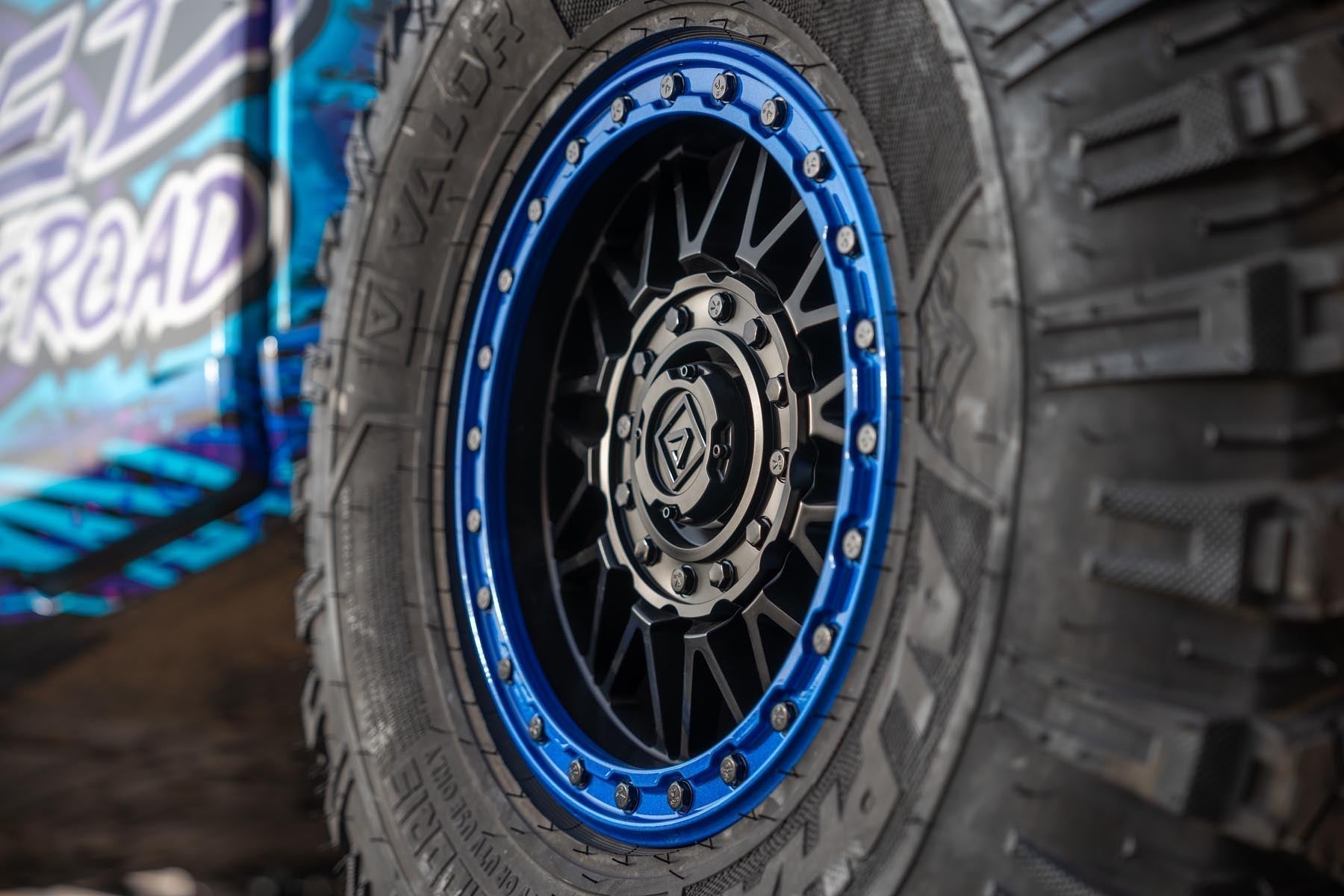
Credit: www.valoroffroad.com
Real-world Examples And Data
Let’s look at what riders actually experience. In a survey by UTV Action Magazine, about 25% of UTV owners balance their tires. Most of these ride on paved roads or at high speeds.
Here’s what users report:
- John (Polaris RZR owner): “I started balancing after feeling steering wheel shake at 50 mph. The difference was huge—my arms don’t get tired anymore.”
- Maria (Honda Pioneer): “I only use my UTV for farm work. Never balanced, never had an issue.”
- Lucas (Yamaha YXZ): “Bead balancing worked for me. I ride mixed terrain and didn’t want weights falling off.”
Another study found that unbalanced UTV tires can reduce tread life by up to 15% in high-speed use. That means you’ll replace tires sooner if you skip balancing.
Common Mistakes When Balancing Utv Tires
It’s easy to make mistakes with UTV tire balancing. Here are some you should avoid:
- Balancing knobby tires for rough terrain: Not worth the effort. The tread is uneven, so perfect balance is almost impossible.
- Using car weights on UTV rims: UTV rims are different. Car weights may not fit, or may fall off during bumpy rides.
- Ignoring tire pressure: Low or uneven tire pressure causes vibration—sometimes more than imbalance!
- Not checking wheel condition: Bent or damaged wheels can’t be balanced properly.
- Overloading tires: Carrying too much weight wears tires unevenly, making balancing pointless.

Credit: www.superatv.com
How To Decide: Should You Balance Your Utv Tires?
Ask yourself these key questions:
- Do you ride above 40 mph often?
- Is your UTV road legal?
- Are you bothered by vibration?
- Do you want maximum tire life?
If you answered yes to any, balancing is worth it. If not, you can skip it.
Here’s a simple decision guide:
| Situation | Balance? |
|---|---|
| Mostly off-road, slow speeds | No |
| Frequent pavement, 40+ mph | Yes |
| Racing or long distance | Yes |
| Farm work, short trips | No |
| Mixed use, sometimes fast | Optional |
Tips For Balancing Utv Tires
If you decide to balance, follow these practical tips:
- Use the right weights. Buy weights made for UTV rims. They stick better and are shaped correctly.
- Keep tire pressure equal. Check it before balancing, and every ride after.
- Check tires for damage. If tires are worn, fix or replace them first.
- Try bead balancing for DIY. Works well for mixed terrain and is easy to install.
- Balance all four tires. Don’t just balance the front; vibration can come from any tire.
A non-obvious tip: Don’t forget the spare. If you swap in a spare tire during a ride, and it’s not balanced, you might suddenly notice vibration.

Credit: www.youtube.com
Utv Tire Balancing: Cost And Time
Balancing UTV tires is affordable. Most shops charge $10–$20 per tire. DIY bead kits cost about $25–$30 for a set.
How long does it take? A shop will balance four tires in about 30 minutes. DIY bead balancing takes even less time—just pour in the beads and go.
Is Tire Balancing Necessary For All Utvs?
It’s not mandatory for all UTVs. For slow, rough-terrain use, it’s optional. For high-speed, road, or racing use, it’s recommended. Balancing improves comfort, safety, and tire life when you need it.
One insight many miss: Some UTVs have heavy accessories (winches, racks, bigger wheels) that change how tires wear. If you upgrade your UTV, consider balancing your tires again.
Expert Recommendations
Most UTV mechanics suggest balancing if you:
- Drive fast
- Use street tires
- Want a smoother ride
For others, it’s not a must. But if you notice vibration, balancing is the first thing to try.
For more technical details, check this official resource from UTV Guide.
Frequently Asked Questions
What Happens If Utv Tires Are Not Balanced?
Unbalanced tires can cause vibration, steering wheel shake, and uneven tire wear. At higher speeds, it can even cause handling problems or reduce tire life.
Can I Balance Utv Tires At Home?
Yes. You can use bead balancing kits, which are poured inside the tire. For machine balancing, you need special equipment, so a shop is best.
Are Bead Balancing Kits Safe For Utv Tires?
Most bead kits are safe for UTV tires, but they work best on smooth or less aggressive tread. For very knobby tires, they may not be as effective.
How Often Should Utv Tires Be Balanced?
If you balance your UTV tires, check balance every time you change tires or wheels. For high-speed or road use, inspect balance once a year.
Do Larger Utv Tires Need Balancing More?
Larger tires can show imbalance more at speed. If you upgrade to bigger tires, it’s smart to balance them—especially if you ride on pavement or hard trails.
Balancing UTV tires isn’t always needed, but it’s a smart move for riders who want top comfort and tire life. Decide based on your use, and you’ll enjoy better performance from your UTV.