If you discover a nail in your tire, your first instinct might be to panic. Many drivers wonder if it’s safe to continue driving or if they need to pull over immediately. This situation is common, but the answer depends on several factors. Understanding the risks and knowing how to respond can help you stay safe and protect your vehicle. Let’s explore what happens when you drive with a nail in your tire, how serious it can be, and what steps you should take.
What Happens When A Nail Is In Your Tire
A nail in a tire often means you have a puncture, which can lead to slow or fast air loss. The nail’s position, depth, and the tire’s condition all matter. Sometimes, the nail creates a seal, causing little to no air loss for hours or days. Other times, air escapes quickly, leading to a flat tire. Most tires lose pressure at a rate of 1–2 psi per month naturally, but a puncture can speed this up dramatically.
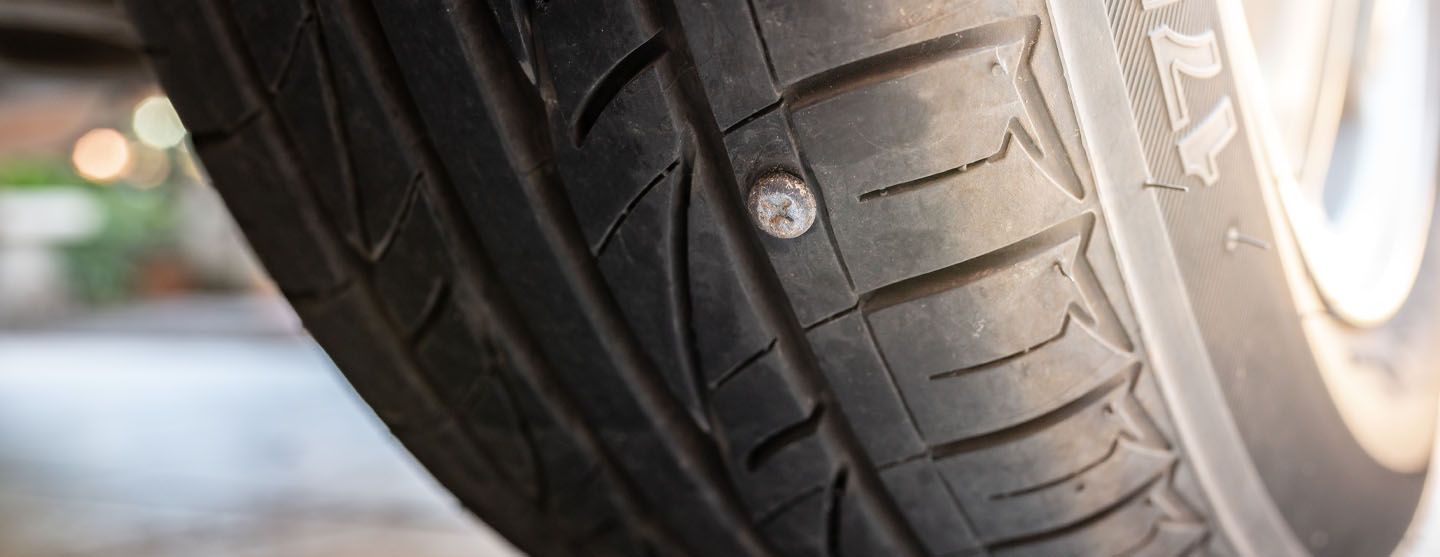
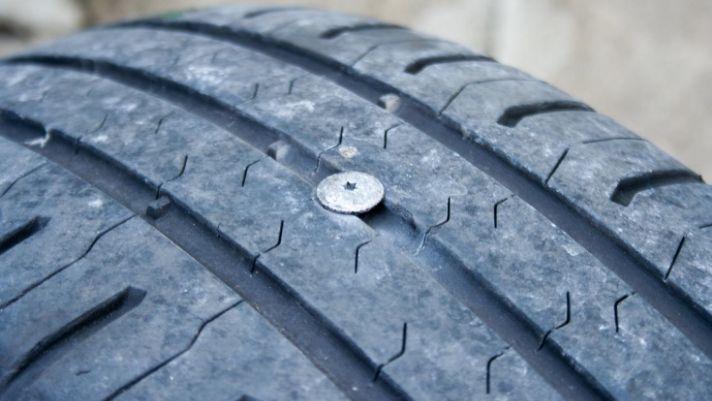
If the nail is in the tread area (the part that touches the road), repair is possible. If it’s in the sidewall or near the edge, the tire may not be repairable. Sidewall punctures are dangerous because the sidewall is thinner and flexes more, so repairs don’t last.
Is It Safe To Drive With A Nail In Your Tire?
Driving with a nail is risky, but sometimes you can drive for a short distance. The key factors are:
- Air pressure: If the tire holds pressure, you may drive to a repair shop.
- Puncture location: Tread punctures are safer than sidewall punctures.
- Size of the nail: Small nails may cause slow leaks; large nails or screws can cause fast leaks.
Here’s a quick comparison of safe and unsafe situations:
| Situation | Safe? | Recommended Action |
|---|---|---|
| Nail in tread, slow leak | Yes (short distance) | Drive carefully to repair shop |
| Nail in sidewall | No | Replace tire immediately |
| Large nail, rapid air loss | No | Stop, use spare tire |
| Small nail, no air loss | Yes (short distance) | Monitor, repair soon |
Even if the tire isn’t losing air, driving with a nail is never fully safe. The nail can shift or fall out, causing a sudden flat. You also risk tire blowouts, which can lead to loss of control, especially at high speeds.
How Long Can You Drive With A Nail In Your Tire?
There’s no exact answer, but most experts say you should drive only as far as needed to reach a repair shop. If you’re losing air quickly, stop immediately. If the tire isn’t losing air, you might drive for a day or two, but this is risky.
Some drivers ignore nails for weeks, but this can cause:
- Uneven tire wear
- Damage to the tire’s internal structure
- Risk of blowout
According to the National Highway Traffic Safety Administration, tire failures cause over 11,000 accidents each year in the US. Ignoring a nail increases your risk of being part of this statistic.
What Should You Do If You Find A Nail In Your Tire?
If you spot a nail, follow these steps:
- Check air pressure: Use a tire gauge. If pressure is below the recommended level (usually 32–35 psi), add air or change the tire.
- Inspect the tire: Look for bulges, cracks, or fast air loss.
- Drive slowly: If you must drive, keep speed low and avoid highways.
- Go to a repair shop: A professional can remove the nail and patch the tire if possible.
Never pull out the nail yourself unless you have repair tools and experience. Removing it without proper repair can cause rapid air loss.
Types Of Tire Repairs For Nail Punctures
Repair options depend on the puncture’s location and size:
| Repair Method | Suitable For | Pros | Cons |
|---|---|---|---|
| Plug | Small, straight tread punctures | Quick, inexpensive | Temporary fix |
| Patch | Small to medium tread punctures | Stronger repair | Requires tire removal |
| Plug-Patch Combo | Most tread punctures | Best seal, lasts longer | More expensive |
| Replace tire | Sidewall or large punctures | Safe, reliable | Costly |
A plug-patch combo is the safest for most tread punctures. Sidewall damage means the tire cannot be safely repaired and must be replaced.
Risks Of Driving With A Nail In Your Tire
Driving with a nail can lead to several problems:
- Blowout risk: The tire may suddenly burst, especially at high speeds.
- Loss of control: A flat tire can make steering difficult.
- Damage to wheel: If the tire deflates, the metal wheel can hit the road and get damaged.
- Reduced fuel efficiency: Low pressure means more drag, using more gas.
- Long-term tire damage: Even if you fix the puncture later, hidden damage may make the tire unsafe.
One insight many drivers miss is that tire repair limits exist: a tire can only be patched a few times before it’s unsafe. Also, some tire warranties become void after a puncture repair.

Credit: metropolitangarage.com
How To Spot A Nail In Your Tire
Sometimes you see the nail, but often you don’t. Signs of a nail puncture include:
- Low tire pressure warning light
- Visible nail or screw in tread
- Thumping or vibration
- Slow air loss
Check your tires regularly, especially after driving on gravel or construction sites. Use a flashlight to inspect the tread, since nails can hide deep inside.
When Should You Replace The Tire Instead Of Repairing?
Replace the tire if:
- The nail is in the sidewall
- The puncture is larger than ¼ inch
- The tire has multiple punctures
- The tire has less than 2/32 inch tread depth
Many shops use the penny test to check tread depth. Place a penny head-down into the tread; if you see all of Lincoln’s head, the tire needs replacement.
Credit: www.tiresplus.com
Emergency Steps If Your Tire Goes Flat
If your tire goes flat after a nail puncture, stay calm:
- Pull over safely: Find a flat, safe area.
- Turn on hazard lights
- Change to a spare tire: Only if you know how and it’s safe.
- Call roadside assistance: If you’re unsure or in a dangerous spot.
Do not drive on a flat tire; this can ruin the wheel and cost much more to fix.
Can Tire Sealants Help?
Tire sealants are liquid products that you inject into the tire. They can seal small punctures temporarily. Sealants like Fix-a-Flat or Slime may help you reach a repair shop, but they are not permanent solutions.
| Sealant Type | Works On | Duration | Notes |
|---|---|---|---|
| Aerosol (Fix-a-Flat) | Small tread punctures | Few days to weeks | Easy to use, may clog sensors |
| Liquid (Slime) | Small tread punctures | Weeks to months | Better for bikes, not long-term for cars |
Sealants cannot fix sidewall punctures or large holes. After using a sealant, get the tire professionally checked as soon as possible.
How To Prevent Nails In Tires
While you can’t always avoid nails, some habits reduce risk:
- Avoid driving near construction sites
- Keep a safe distance from trucks carrying debris
- Check tires before long trips
- Maintain proper tire pressure
Some drivers use tire pressure monitoring systems to alert them early about leaks.
Real-world Examples
Many drivers experience nail punctures each year. In a recent AAA survey, nearly 20% of drivers said they had driven with a nail in their tire at least once. Most made it safely to a repair shop, but a small percentage experienced sudden blowouts or had to replace their tires.
A less-known fact: tires with run-flat technology can handle punctures better, letting you drive up to 50 miles after a loss of pressure. However, these tires are more expensive and often need replacement after a puncture.
Frequently Asked Questions
How Much Does It Cost To Fix A Nail In A Tire?
Repair costs vary by location and method. A plug or patch usually costs $15–$30. A plug-patch combo may cost $40–$60. Replacing a tire can cost $80–$200 or more, depending on brand and size.
Can I Remove The Nail Myself?
It’s not recommended. Removing the nail without repairing the hole can cause rapid air loss and leave you stranded. Only attempt removal if you have a proper repair kit and experience.
Is It Safe To Drive On The Highway With A Nail In My Tire?
No. Even if the tire seems to hold air, highway speeds increase the risk of a blowout. Drive slowly and avoid highways until the tire is repaired.
Will A Nail Ruin My Tire Permanently?
Not always. If the puncture is small and in the tread, repair is possible. Sidewall punctures or large holes usually mean the tire cannot be safely repaired and must be replaced.
Does Tire Insurance Cover Nail Punctures?
Some tire warranties and insurance plans cover puncture repairs. Check your policy for details. After repair, some warranties may not cover future issues. For more information, visit the National Highway Traffic Safety Administration.
Final Thoughts
A nail in your tire is a problem you should not ignore. While you may be able to drive for a short distance, the risks increase with time and speed. Always check your tire pressure and inspect the damage carefully.
Get the tire repaired or replaced as soon as possible to stay safe. Protect your wheels, your wallet, and your peace of mind by acting quickly when you spot a nail. Remember, a small nail can cause big trouble if left unchecked.
Credit: rnrtires.com