Fitting the right tires on your car is more important than most drivers realize. The wrong size can affect handling, safety, and even damage your vehicle. Many people wonder if they can fit 15 inch tires on 16 inch rims. This question seems simple, but the answer involves understanding tire and rim sizes, compatibility, and potential risks. If you’re unsure, you’re not alone. Let’s explore everything you need to know about fitting 15 inch tires on 16 inch rims, with clear explanations and helpful tips.
What Are Tire And Rim Sizes?
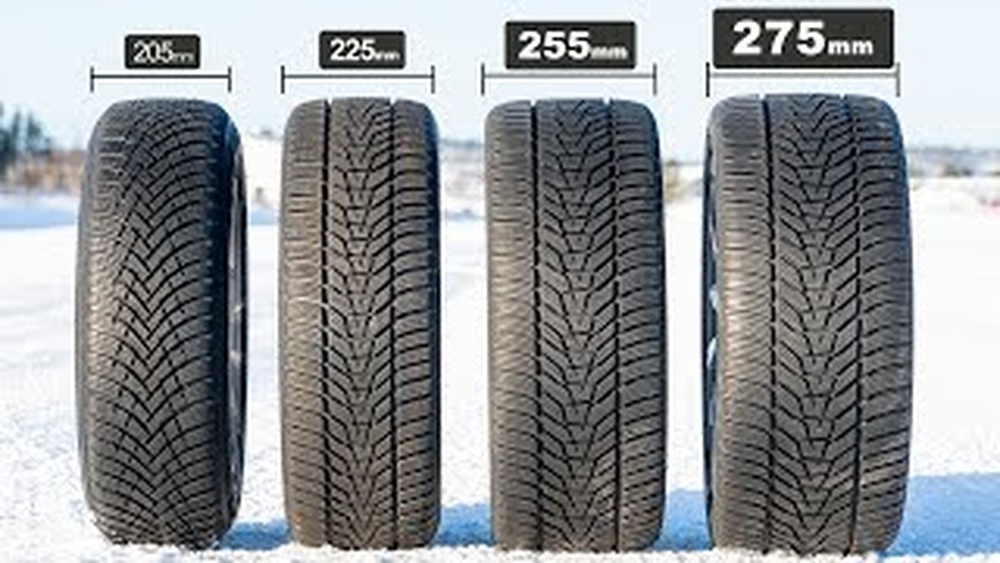
Every tire has a size printed on the sidewall, like 205/60R15. The last number, “15,” means the tire is made to fit a 15 inch rim. The rim size is the diameter measured from edge to edge inside the rim, not the outer lip. For example, a 16 inch rim is one inch larger in diameter than a 15 inch rim.
Tires and rims must match exactly in diameter for safe installation. This is because tires are designed to fit tightly around the rim, creating a secure seal. Using a tire that doesn’t match the rim’s diameter can cause leaks, poor handling, or even a dangerous blowout.
15 Reasons You Can’t Fit 15 Inch Tires On 16 Inch Rims
Let’s dive into the main reasons you cannot, and should not, attempt to fit 15 inch tires on 16 inch rims. Each point explains a specific issue or consequence, so you understand the risks fully.
1. Diameter Mismatch
A 15 inch tire is made for a 15 inch rim. The inner bead of the tire is exactly 15 inches in diameter. A 16 inch rim is larger, so the tire simply cannot stretch to fit. The mismatch is not small—it’s a full inch, which makes installation impossible.
2. Safety Concerns
Trying to force a smaller tire onto a larger rim can damage both. The tire bead may tear, and the rim can get scratched or bent. Even if you somehow get the tire on, it won’t seal properly, risking sudden air loss and unsafe driving.
3. Poor Air Seal
The bead area is designed to sit perfectly on the rim. If you use the wrong size, the tire won’t seal, and air will escape. This means you’ll have constant flat tires or sudden blowouts.
4. Handling Issues
Your car’s handling depends on the tire and rim working together. An incorrect fit changes how the car turns, brakes, and accelerates. This can make the car feel unstable, especially in emergencies.
5. Tire Damage
A tire that’s forced onto the wrong rim will get stretched and stressed. This can cause internal damage, like broken cords or torn rubber, making the tire unsafe.
6. Rim Damage
Rims are designed for a certain tire size. Using a smaller tire can bend the rim edges, scratch the finish, or even crack the rim. Replacing rims is expensive.
7. Legal Issues
Some areas require your tires and rims to match for safety inspections. If your car has mismatched tires and rims, it may fail inspection or even get a ticket.
8. Warranty Void
Most tire and rim warranties require proper fitment. If you use the wrong size, you lose the warranty, and any damage won’t be covered.
9. Increased Wear
Incorrect fit causes uneven wear on the tire. This means you’ll need to replace tires much sooner, costing more money over time.
10. Suspension Stress
Wrong tire and rim sizes change how your suspension works. This can lead to extra stress on shocks, springs, and bushings, causing them to wear out faster.
11. Incorrect Speedometer Reading
Tire size affects your speedometer. If you use an incorrect tire, the speedometer will show the wrong speed, which could lead to speeding tickets or unsafe driving.
12. Reduced Fuel Efficiency
Mismatched tires and rims create more rolling resistance, making your engine work harder. This lowers fuel efficiency and increases costs.
13. Appearance
A car with mismatched tires and rims looks odd. The tires may not fill the wheel wells correctly, and it can make the car look unsafe or poorly maintained.
14. Impossible Installation
Even with advanced tools, a 15 inch tire cannot physically fit on a 16 inch rim. Tire shops will refuse to do it because it’s unsafe and impossible.
15. Manufacturer Guidelines
Car makers design vehicles for specific tire and rim sizes. Ignoring these guidelines can void your car’s warranty and lead to major mechanical problems.

Credit: www.youtube.com
Tire And Rim Compatibility: Basic Facts
Let’s look at some basic compatibility facts to help you understand tire and rim sizing.
| Rim Diameter (inches) | Matching Tire Size (inches) | Can You Swap? |
|---|---|---|
| 15 | 15 | Yes |
| 16 | 16 | Yes |
| 15 | 16 | No |
| 16 | 15 | No |
As you can see, the rim and tire diameter must match exactly. There’s no way to fit a 15 inch tire on a 16 inch rim or vice versa.
Real-world Example: Tire Shop Policy
Most tire shops and mechanics follow strict rules. If you ask them to fit a 15 inch tire on a 16 inch rim, they’ll say no. Not only is it unsafe, but it’s also against their policy. Shops could lose their license for unsafe practices.
This is why you should always trust professional advice when dealing with tires.
Why Tire Diameter Matters For Your Car
The diameter of your tire affects more than just fitment. It impacts how your car drives, your speedometer, and even your fuel economy. Here are some key effects:
- Acceleration: Larger diameter tires can slow your acceleration.
- Handling: Wrong diameter can make steering feel loose or stiff.
- Braking: Brakes work best with the correct tire size.
These effects are not always obvious, but they matter for safe, reliable driving.
Common Tire Sizing Mistakes
Many drivers make mistakes when choosing tires. Here are three common errors:
- Mixing tire and rim diameters: Trying to fit a tire to a rim that’s a different size.
- Ignoring load rating: Using tires not rated for your car’s weight.
- Choosing wrong width: Picking tires too wide or narrow for the rim.
Avoiding these mistakes keeps your car safe and saves money in the long run.

Credit: thecarstuff.com
How To Check Your Tire And Rim Sizes
You can find your tire size on the sidewall, printed in a sequence like 205/55R16. The last number is the rim diameter. Your car’s manual also lists recommended sizes. For rims, check the size stamped on the back side, like 16×6.5J.
If you’re unsure, ask a tire shop or check online guides. Never guess your tire size—mistakes can be costly.
Alternatives To Fitting 15 Inch Tires On 16 Inch Rims
If you want to use 15 inch tires, you need 15 inch rims. If you have 16 inch rims, choose tires designed for 16 inch rims. Sometimes, people want to change tire size for style or performance. In that case:
- Buy matching rims and tires.
- Check compatibility with your car’s suspension and brakes.
- Consult your car’s manual or a professional.
Never try to force a mismatch. It’s unsafe and expensive.
Comparison: Tire And Rim Size Options
To make it easier to understand, here’s a comparison of common tire and rim size options:
| Rim Size | Typical Tire Size | Best Use |
|---|---|---|
| 15 inch | 195/65R15 | Economy cars, older models |
| 16 inch | 205/55R16 | Modern sedans, some SUVs |
| 17 inch | 225/45R17 | Sports cars, performance vehicles |
Choose the tire size that matches your rim and your car’s needs. Bigger isn’t always better—matching size is safest.
Non-obvious Insights: What Beginners Often Miss
Two points that most beginners don’t realize:
- Tire bead technology: Modern tires use a special bead design for a tight seal. If the bead doesn’t match the rim diameter, it cannot seal—no matter how much force you use.
- Insurance impact: Some insurance companies may deny claims if you use mismatched tires and rims. They view it as neglecting vehicle safety.
These details show that tire and rim fitment is about more than just convenience—it’s a matter of safety and responsibility.
Expert Guidance: Best Practices For Tire Fitment
If you need to change tire or rim size:
- Always buy a matching set.
- Check your vehicle’s manufacturer recommendations.
- Consult a professional before making changes.
- Consider the impact on suspension, brakes, and steering.
This careful approach keeps your car safe and avoids costly mistakes.
Data: Tire And Rim Size Distribution In The Us
Here’s a quick look at tire and rim sizes used in the US, based on recent sales data:
| Rim Size | Market Share (%) |
|---|---|
| 15 inch | 28 |
| 16 inch | 34 |
| 17 inch | 21 |
| Other | 17 |
The data shows that 15 and 16 inch rims are very popular, but the sizes are not interchangeable.

Credit: www.reddit.com
Frequently Asked Questions
Can I Force A 15 Inch Tire Onto A 16 Inch Rim?
No, it’s physically impossible. The bead diameter will not stretch enough, and forcing it risks damage and injury.
What Happens If I Use The Wrong Tire Size?
You risk poor handling, increased wear, unsafe driving, and possible legal or insurance problems. Always match tire and rim sizes.
Are There Any Adapters To Fit 15 Inch Tires On 16 Inch Rims?
No, adapters don’t exist for tire-to-rim diameter mismatches. Adapters are only for lug patterns, not tire fitment.
Can I Use A 16 Inch Tire On A 15 Inch Rim?
No, the tire will be too large for the rim and cannot be installed safely or at all.
Where Can I Find Official Tire Size Recommendations?
Check your vehicle’s manual or visit sites like Tire Rack for expert advice and compatibility charts.
Making the right choice for your tires and rims is essential for safety, performance, and peace of mind. Never try to fit mismatched sizes—always follow manufacturer guidelines and trust professional advice. Matching tire and rim sizes is a simple rule, but breaking it can lead to costly and dangerous problems.
If you need new tires, choose the size that fits your rims and your car, and drive with confidence.