Are you trying to decide between the Hyundai Santa Fe and the Tucson? One of the first questions on your mind might be: Is the Santa Fe bigger than the Tucson?
Size matters when it comes to comfort, space, and how your car fits your lifestyle. You’ll get clear answers about their dimensions and what that means for you. Keep reading to find out which SUV truly suits your needs and why size could make all the difference in your next ride.
Hyundai Santa Fe Dimensions
The Hyundai Santa Fe offers a spacious design that many drivers appreciate. Its size affects comfort and utility. Understanding its dimensions helps decide if it suits your needs better than the Tucson.
Let’s explore the Santa Fe’s size in detail. This includes its outside measurements, inside room, and cargo space. These factors show how it compares to the Tucson.
Exterior Size
The Santa Fe measures about 188 inches long. Its width is nearly 74 inches. Height stands close to 66 inches. The wheelbase is roughly 108 inches. These numbers make it larger than the Tucson in most ways. This size gives the Santa Fe a strong road presence.
Interior Space
Inside, the Santa Fe feels roomy. It offers around 42 inches of front legroom. Rear passengers get about 40 inches. Headroom is ample, with about 40 inches in front. Back seat space is good for adults. The cabin design focuses on comfort and ease.
Cargo Capacity
The Santa Fe provides plenty of cargo room. It has about 36 cubic feet behind the rear seats. Folding the rear seats expands this to nearly 72 cubic feet. This capacity is larger than the Tucson’s. It suits families and those who carry gear often.
Hyundai Tucson Dimensions
The Hyundai Tucson is a popular compact SUV known for its balanced size. It fits well in city streets and tight parking spots. Yet, it offers enough space for passengers and cargo. Understanding its dimensions helps compare it to the Hyundai Santa Fe.
Let’s explore the Tucson’s exterior size, interior space, and cargo capacity. These details show what the Tucson offers in terms of room and practicality.
Exterior Size
The Tucson measures about 182 inches in length. It is roughly 73 inches wide and 65 inches tall. These dimensions make it easy to handle on narrow roads. Its compact size suits daily drives and weekend trips.
Interior Space
Inside, the Tucson provides comfortable seating for five people. Front and rear legroom is around 41 and 38 inches respectively. Headroom is spacious enough for most adults. The cabin feels open without being too large.
Cargo Capacity
The Tucson offers about 38 cubic feet of cargo space behind the rear seats. Folding the seats down increases cargo room to 74 cubic feet. This space fits groceries, sports gear, or small furniture well. It balances passenger comfort with storage needs.
Comparing Key Size Metrics
Comparing key size metrics helps us understand the real differences between the Hyundai Santa Fe and Tucson. Size affects comfort, cargo space, and driving ease. Let’s break down the main measurements to see which SUV offers more room.
Length And Width
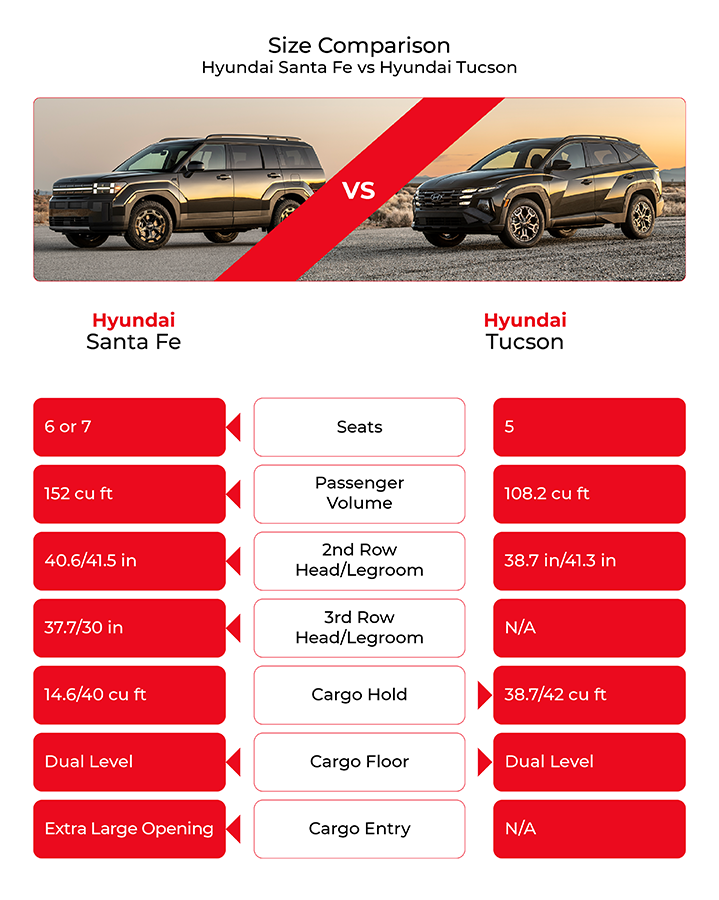
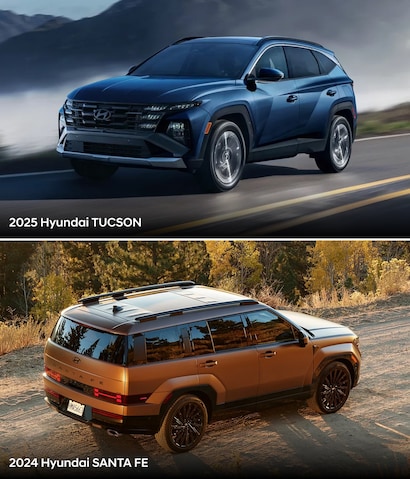
The Hyundai Santa Fe is longer than the Tucson. Santa Fe measures about 188 inches in length. Tucson is shorter, near 182 inches. Width also favors Santa Fe, with about 74 inches. Tucson comes in slightly narrower, near 73 inches. The extra length and width give Santa Fe a bigger road presence.
Height And Ground Clearance
Santa Fe stands taller than Tucson. Its height is around 67 inches. Tucson is a bit shorter, close to 65 inches. Ground clearance matters for rough roads. Santa Fe offers about 8 inches of clearance. Tucson provides roughly 7.8 inches. This means Santa Fe can handle uneven surfaces better.
Passenger Room
Santa Fe has more passenger space inside. It seats five adults comfortably. Legroom in the front reaches about 44 inches. Rear legroom is near 41 inches. Tucson’s legroom is slightly less, with front near 42 inches and rear about 38 inches. Headroom also favors Santa Fe. This makes long rides easier and more relaxing.
Credit: www.earnhardthyundai.com
Impact On Comfort And Practicality
The size difference between the Hyundai Santa Fe and Tucson affects comfort and practicality inside the vehicle. Space inside the cabin changes the driving experience for passengers and drivers. Understanding these differences helps choose the right SUV for your needs.
Both models offer good features, but the Santa Fe has more room overall. This extra space influences seating, storage, and how easy the SUV is to drive in cities.
Seating Comfort
The Santa Fe seats five people more comfortably. It offers more legroom and headroom for both front and rear passengers. Taller passengers feel less cramped during long trips. The Tucson is cozy but better suited for smaller families or shorter rides. Seat materials and support are similar in both models, but space makes a big difference in comfort.
Storage And Cargo Options
The Santa Fe provides more cargo space behind the seats. This extra room helps carry larger items like sports gear or luggage. Folding the rear seats in the Santa Fe creates a flat, spacious area for bulky loads. The Tucson has less cargo space but still offers flexible storage with split-folding rear seats. For daily errands or weekend trips, Santa Fe’s larger storage is a practical advantage.
Maneuverability In Urban Settings
The Tucson is smaller and easier to maneuver in tight city streets. Parking and turning feel simpler in crowded areas. The Santa Fe’s larger size can make parking challenging in narrow spots. Both SUVs have good visibility and assist features, but Tucson’s compact size suits urban driving better. Choosing between them depends on how much city driving you do.
Performance And Efficiency Factors
Performance and efficiency are key when comparing the Hyundai Santa Fe and Tucson. These factors affect daily driving and overall satisfaction. Both SUVs offer good engine choices and fuel economy. Understanding these details helps choose the right model for your needs.
Engine Options And Power
The Hyundai Santa Fe has more powerful engine options than the Tucson. It offers a standard 2.5-liter four-cylinder engine with around 191 horsepower. There is also a turbocharged 2.5-liter engine that produces about 281 horsepower. The Tucson’s engines are smaller and less powerful. It comes with a 2.0-liter engine making 161 horsepower and a 1.6-liter turbocharged engine with 180 horsepower. The Santa Fe’s extra power suits those who need more speed or towing ability.
Fuel Economy
The Tucson generally uses less fuel than the Santa Fe. Its smaller engines help with better miles per gallon. The Tucson gets about 26 miles per gallon in the city and 33 on the highway. The Santa Fe averages around 22 miles per gallon in the city and 28 on the highway. Drivers who want to save on gas may prefer the Tucson. Still, the Santa Fe’s fuel use is reasonable for its size and power.
Driving Experience
The Santa Fe feels more stable on highways due to its larger size and stronger engine. It handles well but may feel heavier in tight turns. The Tucson is easier to park and maneuvers better in cities. Its lighter frame makes it feel quicker in stop-and-go traffic. Both SUVs offer smooth rides and comfortable seats. The choice depends on whether you favor power or agility.
Price And Value Comparison
The Hyundai Santa Fe and Tucson are popular choices for families and daily drivers. Both offer good value, but their prices and features differ. Understanding these differences helps buyers decide which fits their needs and budget better.
Trim Levels And Features
The Santa Fe has more trim options than the Tucson. It usually starts at a higher price but includes more standard features. Basic trims in both models offer safety essentials. Higher trims in the Santa Fe add luxury touches like leather seats and advanced tech. Tucson trims focus on sporty looks and modern infotainment. Both SUVs offer good technology, but Santa Fe’s features are often more extensive.
Cost Vs. Space Benefits
The Santa Fe is bigger, which means more space inside. This size difference comes with a higher price tag. Buyers pay extra for the larger interior and cargo room. The Tucson costs less but offers less passenger and cargo space. For those needing extra room, Santa Fe’s price may be worth it. If budget is tight, Tucson delivers good value for smaller space needs. Both models balance cost and space differently to suit various lifestyles.
Which Suits Your Needs?
Choosing between the Hyundai Santa Fe and the Tucson depends on what you need most. Each model fits different lifestyles and tasks. Knowing your daily routine helps pick the right SUV. Size, space, and features vary, so consider how you plan to use the car.
Family Use
The Santa Fe offers more room for families. It seats up to seven people, which is great for bigger groups. Kids, pets, and gear fit comfortably. Extra cargo space helps with groceries and sports gear. The Tucson works for smaller families or couples. It still offers safety features but less space overall.
City Driving
The Tucson is easier to park and drive in tight city spaces. It is smaller and more agile on busy streets. Fuel efficiency is better for daily commutes. The Santa Fe is larger, which can make city driving tricky. It suits those who don’t mind a bigger vehicle in town.
Adventure And Off-road
The Santa Fe has stronger engine options and more ground clearance. It handles rough roads and trails better. Ideal for weekend trips and outdoor activities. The Tucson can manage light off-road but is mostly for paved roads. Choose the Santa Fe for serious adventure and space.
Credit: www.mcgeehyundai.com
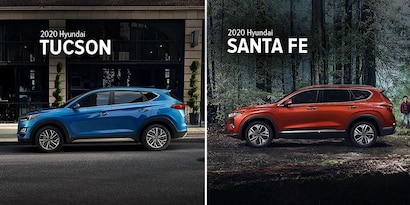
Credit: www.parkwayhyundai.com
Frequently Asked Questions
Is The Hyundai Santa Fe Larger Than The Tucson?
Yes, the Hyundai Santa Fe is bigger than the Tucson. It offers more interior space and a longer wheelbase. The Santa Fe is designed for families needing extra room and cargo capacity compared to the Tucson.
How Do Santa Fe And Tucson Compare In Cargo Space?
The Santa Fe has more cargo space than the Tucson. It provides up to 72. 1 cubic feet with seats folded. Tucson offers less, around 61. 9 cubic feet, making the Santa Fe better for hauling larger items.
Which Suv Has More Passenger Room: Santa Fe Or Tucson?
The Santa Fe has more passenger room than the Tucson. It offers increased legroom and shoulder space in both rows. This makes it more comfortable for taller passengers and longer trips.
Does The Size Difference Affect Fuel Economy Between The Two?
Yes, the Santa Fe’s larger size slightly lowers its fuel economy. Tucson is more fuel-efficient due to its smaller body and lighter weight. Buyers should consider this when prioritizing size versus fuel savings.
Conclusion
The Hyundai Santa Fe is indeed bigger than the Tucson in size. It offers more space for passengers and cargo. This makes it a good choice for families or long trips. The Tucson is still a great compact SUV with its own benefits.
Choosing between them depends on what size fits your needs best. Both models deliver comfort and style in their own way. Think about how much room you need before deciding. Size matters, but so do your personal preferences and budget.