If you own a Chevy with 6 lug wheels, you might think all those wheels are the same. But are they really?
Choosing the right wheels affects how your vehicle looks, drives, and even handles on the road. Getting it wrong can lead to costly mistakes or safety issues. You’ll discover the key differences between 6 lug Chevy wheels and learn exactly what to look for.
By the end, you’ll feel confident picking the perfect wheels for your Chevy—no guesswork needed. Keep reading to find out what makes these wheels unique and how to avoid common pitfalls.
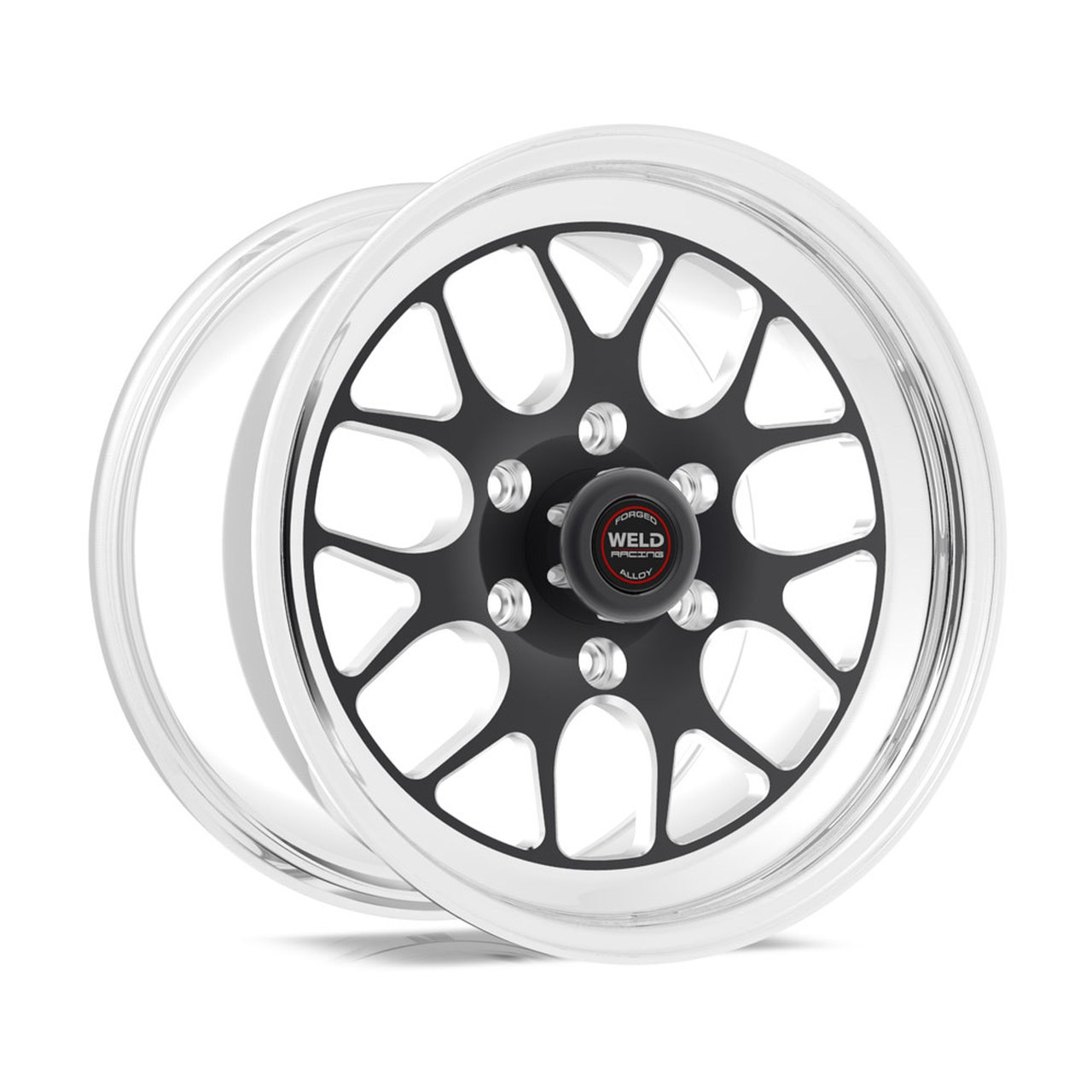
Credit: dragracingwheels.com
Chevy 6 Lug Wheel Basics
Chevy 6 lug wheels are common on many trucks and SUVs. Understanding the basics helps you choose the right wheels. Not all 6 lug wheels are the same. Differences affect fit and performance.
This section covers important facts about Chevy 6 lug wheels. Learn what they are and which models use them.
What Is A 6 Lug Wheel?
A 6 lug wheel has six bolts that hold it to the vehicle. These bolts are called lugs. The lugs keep the wheel secure and stable during driving.
Each lug fits into a hole on the wheel hub. The distance between lugs is important. It must match the vehicle’s pattern exactly. This pattern is called the bolt pattern or lug pattern.
6 lug wheels are stronger than 5 lug wheels. They are common on heavier vehicles. This design helps support more weight and rough road conditions.
Common Chevy Models With 6 Lug Wheels
Many Chevy trucks and SUVs have 6 lug wheels. The Silverado is a popular model with 6 lug wheels. Older models of the Tahoe and Suburban also use them.
Chevy Colorado trucks may have 6 lug wheels too, depending on the year and trim. Some heavy-duty Chevy trucks use 6 lug wheels for added strength.
Knowing which Chevy models have 6 lug wheels helps you find the right wheel size and type. Always check the exact fit for your vehicle before buying.
Key Differences In 6 Lug Chevy Wheels
Not all 6 lug Chevy wheels are the same. Several key differences affect how they fit and perform on your vehicle. Understanding these differences helps you pick the right wheel for your Chevy truck or SUV. This section explains the main factors that separate 6 lug wheels.
Bolt Pattern Variations
The bolt pattern is the number of lug nuts and the space between them. Chevy 6 lug wheels usually have a 6×5.5-inch bolt pattern. Some models use a 6×139.7 mm pattern instead. You must match the wheel’s bolt pattern with your vehicle’s hub. A mismatch can cause unsafe driving or damage.
Wheel Offset And Backspacing
Offset measures how the wheel’s mounting surface sits in relation to its center. Backspacing is the distance from the mounting surface to the back edge of the wheel. Different Chevy wheels have different offset and backspacing. These numbers affect tire clearance and suspension fit. Choosing the wrong offset can cause rubbing or poor handling.
Center Bore Sizes
The center bore is the hole in the wheel’s center that fits over the vehicle hub. Chevy wheels often have a center bore size around 70.6 mm, but this can vary. A proper center bore size ensures the wheel fits tightly on the hub. Using a wheel with a larger bore may require hub-centric rings for a secure fit.
Compatibility Factors To Consider
Choosing the right 6 lug Chevy wheels involves more than just matching the bolt pattern. Several compatibility factors affect how well the wheels fit and perform on your vehicle. Understanding these factors helps avoid costly mistakes and ensures safety on the road.
Vehicle Model And Year
Not all 6 lug Chevy wheels fit every model or year. Different models may have unique wheel designs and sizes. Always check your vehicle’s exact model and production year. This ensures the wheels will mount correctly and work with your suspension system.
Brake System Clearance
Brake components need enough space inside the wheel. Some wheels may be too small or have the wrong offset. This can cause the wheel to rub against brake calipers or rotors. Measure the brake system and compare it to the wheel’s inner dimensions before buying.
Tire Size And Fitment
The tire size must match the wheel diameter and width. Using the wrong tire size affects handling and safety. Check tire compatibility with the wheel and your vehicle’s wheel wells. Proper fitment avoids rubbing and maintains driving comfort.

Credit: www.ebay.com
Aftermarket Vs Oem Chevy Wheels
Choosing between aftermarket and OEM Chevy wheels can affect your vehicle’s look and performance. Each type offers unique benefits and downsides. Understanding these can help you pick the right wheels for your Chevy.
Pros And Cons Of Oem Wheels
OEM wheels come directly from Chevy. They fit perfectly with your vehicle model. This means fewer issues with balance or alignment. OEM wheels usually maintain the original look of your Chevy. Their quality and safety are tested by the manufacturer.
On the downside, OEM wheels can be costly. The design options are limited to what Chevy offers. Some drivers find OEM wheels less exciting in style. Repair or replacement parts might only come from authorized dealers.
Aftermarket Options And Customization
Aftermarket wheels provide many styles and sizes. You can find unique designs that fit your taste. These wheels often use different materials for lighter weight or strength. They can improve your Chevy’s appearance dramatically.
Aftermarket wheels might need extra care to fit properly. Some may affect your vehicle’s warranty. Quality varies between brands, so choose carefully. Installation may require adjustments to avoid rubbing or damage.
How To Identify Your Chevy Wheel Specs
Identifying your Chevy wheel specs helps ensure proper fit and safety. Not all 6 lug Chevy wheels are the same. Each wheel has specific measurements and markings. These details matter when choosing replacements or upgrades.
Knowing how to measure and check your wheels saves time and money. It also prevents damage to your vehicle. The process is simple and requires few tools. Follow these steps to find accurate wheel specs for your Chevy.
Measuring Bolt Pattern
The bolt pattern shows how many lug holes your wheel has. It also shows the distance between them. For a 6 lug wheel, count six holes around the wheel hub.
Measure the distance between two opposite lug holes. Use a ruler or tape measure in millimeters or inches. This distance is the bolt circle diameter.
For example, a common Chevy 6 lug bolt pattern is 6×139.7 mm. That means six holes spaced 139.7 mm apart. Accurate measurement is key to finding the right wheel.
Checking Wheel Stamps And Markings
Look at the back or inside of the wheel for stamps or marks. These often show the wheel size, bolt pattern, and offset.
Common markings include diameter (e.g., 17×8), bolt pattern (e.g., 6×139.7), and offset (e.g., +25). These numbers help confirm the wheel fits your Chevy model.
Clean the wheel surface to see markings clearly. Use a flashlight for better visibility. Record these details before buying or fitting new wheels.
Common Mistakes When Choosing 6 Lug Chevy Wheels
Choosing the right 6 lug Chevy wheels can be tricky. Many people make simple mistakes that cause fit problems. These errors can lead to poor performance and extra costs. Knowing what to avoid helps you pick the best wheels for your Chevy truck.
Here are some common mistakes to watch out for when selecting 6 lug Chevy wheels.
Assuming All 6 Lug Wheels Fit
Not all 6 lug wheels fit every Chevy model. Lug pattern size is just one part. Wheel diameter and width also matter. Different Chevy trucks use different wheel sizes. A wheel that fits one model may not fit another. Always check your truck’s exact wheel specs before buying.
Ignoring Offset And Backspacing
Offset and backspacing affect how wheels sit on the axle. Wrong offset can cause wheels to rub against the fenders. It can also affect steering and suspension parts. Backspacing is the distance from the mounting surface to the back edge of the wheel. Incorrect backspacing causes similar fit and handling problems. Measuring and matching these specs is essential for safe wheel fitment.
Overlooking Brake Clearance
Brake clearance is the space between the wheel and brake parts. Some wheels may be too close to the brake calipers or rotors. This can cause damage or poor brake performance. Bigger brakes need more space. Always check if the wheels clear your truck’s brakes before buying. This step prevents costly issues and keeps your brakes working well.
Tips For Buying The Right Chevy Wheels
Choosing the right Chevy wheels is key for safety and style. Not all 6 lug Chevy wheels fit every model. Knowing the right fit saves money and avoids problems. Follow these tips to find the perfect wheels for your Chevy.
Consulting Manufacturer Guidelines
Start by checking the manufacturer’s guidelines. These guides list the exact wheel sizes and types for your Chevy model. Using this information ensures proper fit and performance. It also helps maintain your vehicle’s warranty.
Using Online Fitment Tools
Online tools can quickly check wheel compatibility. Enter your Chevy model and year to see matching wheels. These tools reduce guesswork and show only safe options. They simplify the buying process and avoid costly errors.
Seeking Expert Advice
Talk to wheel specialists or Chevy dealers for advice. Experts know which wheels fit and work best. They can answer questions about fitment, style, and performance. Getting professional input adds confidence to your purchase.

Credit: www.sdwheel.com
Frequently Asked Questions
Are All 6 Lug Chevy Wheels Interchangeable?
No, not all 6 lug Chevy wheels are interchangeable. Differences in bolt pattern, offset, and hub size affect fitment. Always check your vehicle’s specifications before swapping wheels to ensure safety and proper performance.
What Is The Bolt Pattern For 6 Lug Chevy Wheels?
The standard bolt pattern for most 6 lug Chevy wheels is 6×5. 5 inches (6×139. 7mm). This pattern is common on many Chevy trucks and SUVs but verify your model’s specs for accuracy.
Can I Use 6 Lug Wheels On A Different Chevy Model?
Using 6 lug wheels on a different Chevy model is possible if the bolt pattern, offset, and hub size match. However, verify compatibility to avoid issues with fitment and vehicle handling.
How To Measure Chevy 6 Lug Wheel Bolt Pattern?
Measure the distance between the centers of two opposite lug holes. For 6 lug wheels, measure from the center of one lug to the center of the lug directly across. This helps determine the exact bolt pattern size.
Conclusion
Not all 6 lug Chevy wheels are the same. Differences in size, offset, and bolt patterns matter. Choosing the right wheel keeps your vehicle safe and stable. Always check your truck’s specific requirements before buying. Proper fit means better performance and fewer problems.
Taking time to compare wheels saves you money and effort. Understanding these details helps you make smart choices. Wheels that fit well improve driving comfort and look. Keep your Chevy running smooth with the right wheels.