When it comes to choosing the right tires for your vehicle, you might have noticed labels like C rated or E rated tires. But what do these ratings really mean for you and your safety on the road?
Understanding the difference between C and E rated tires can save you money, improve your driving experience, and keep you safer. If you want to make a smart choice and avoid common mistakes, keep reading—this guide will clear up the confusion and help you pick the best tires for your needs.
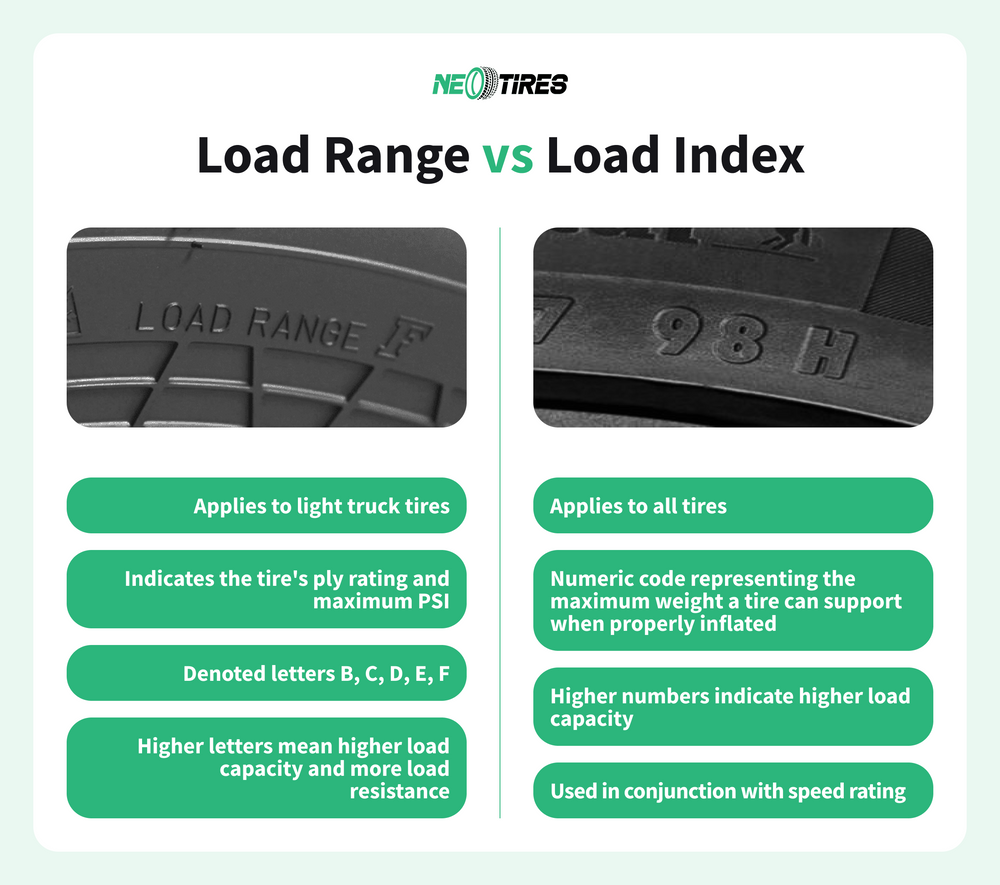
Credit: neotires.com
Tire Ratings Explained
Tire ratings help you understand how tires perform under certain conditions. They show how safe and efficient a tire is. Knowing these ratings helps you pick the right tire for your vehicle.
What C And E Ratings Mean
The C and E ratings are part of a grading system for tires. The C rating means the tire has moderate rolling resistance. It balances fuel efficiency and durability well. The E rating shows the tire has higher rolling resistance. It may use more fuel but can offer better grip or strength. Both ratings guide you on the tire’s energy use and performance.
How Ratings Affect Performance
Tire ratings impact fuel economy and driving comfort. Tires with a C rating usually save more fuel. They reduce the energy your car needs to move. Tires with an E rating might offer stronger traction. This helps in tough road or weather conditions. Choosing the right rating depends on your driving style and needs.
Differences Between C And E Rated Tires
Tires come with ratings that show how they perform in different areas. C and E rated tires are common choices for many drivers. Each rating tells you about the tire’s strength and efficiency. Understanding the differences helps you pick the right tire for your vehicle.
Load Capacity Comparison
C rated tires hold more weight than E rated tires. They are designed for heavier vehicles or loads. E rated tires support lighter loads, suitable for smaller cars. Choosing a tire with the right load capacity is key for safety. Overloading tires can cause damage or accidents.
Durability And Lifespan
C rated tires usually last longer due to stronger materials. They resist wear better under heavy use. E rated tires wear out faster if overloaded or used on rough roads. Durability depends on tire quality and how you drive. Proper maintenance also extends tire life.
Fuel Efficiency Impact
E rated tires often provide better fuel efficiency. They have lower rolling resistance, saving fuel over time. C rated tires can increase fuel use because they are heavier. Fuel savings add up, especially on long trips. Pick tires that balance your needs for power and economy.
Choosing Tires Based On Vehicle Type
Choosing the right tires depends on the type of vehicle you drive. Different vehicles need different tires for safety and performance. Tires are rated by classes like C and E, which show their strength and purpose. Knowing your vehicle’s needs helps pick the best tire.
Passenger Cars And Light Trucks
Passenger cars usually use C-rated tires. These tires support light loads and offer a smooth ride. They provide good traction for everyday driving. Light trucks may also use C-rated tires if they carry small loads. These tires balance comfort and durability well. They work best on highways and city roads.
Commercial Vehicles And Heavy Loads
Commercial vehicles need E-rated tires. E-rated tires handle heavy weights and rough roads. They have stronger sidewalls to carry large loads safely. These tires last longer under tough conditions. Trucks, buses, and vans often require E-rated tires. This rating ensures safety and better performance for heavy-duty use.
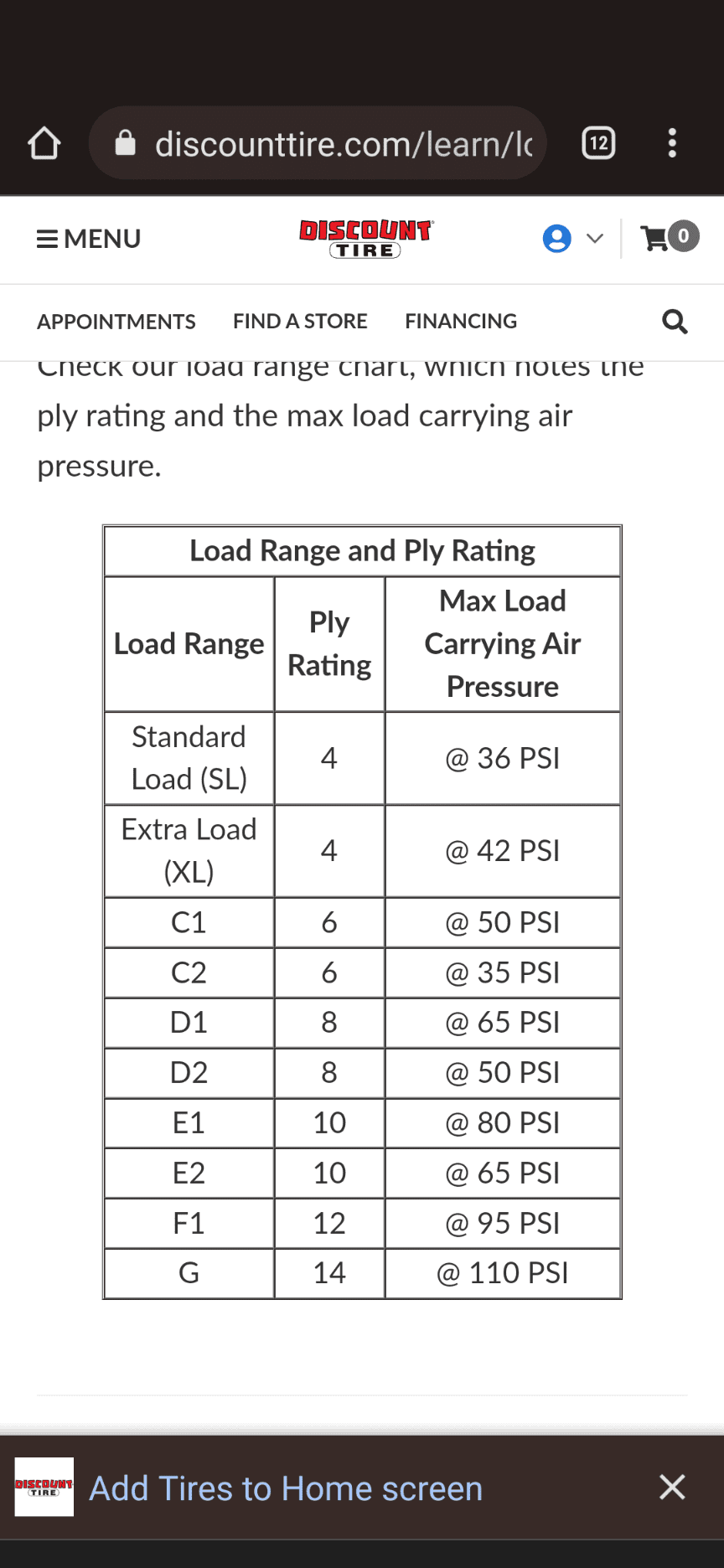
Credit: www.ranger5g.com
Cost Considerations
Cost is a key factor when choosing between C and E rated tires. Understanding the price and value helps you make a smarter purchase. Tires affect your budget both at purchase and over time. Consider both upfront costs and long-term benefits.
Price Differences
C rated tires usually cost less than E rated tires. The price gap reflects differences in quality and performance. E rated tires often have better materials and technology. This makes them more expensive to produce. Budget buyers may prefer C rated tires for short-term savings. Yet, the initial lower price might mean faster wear or lower fuel efficiency.
Long-term Value
Higher-rated tires can save money in the long run. E rated tires last longer and improve fuel efficiency. This reduces how often you buy new tires and how much fuel you use. C rated tires may wear out faster and increase fuel costs. Over time, this can add up to more spending. Think beyond the price tag and weigh ongoing expenses.
Safety Factors
Safety is the top priority when choosing tires. C and E rated tires differ in key safety aspects. These differences affect your driving experience and protection on the road. Understanding safety factors helps you make the right choice.
Traction And Handling
C rated tires provide better traction on dry and wet roads. They grip the surface firmly, offering stable handling. This improves control during sharp turns and sudden stops. E rated tires may feel less stable. They can slip more easily, especially on curves. Strong traction reduces accident risks and boosts driver confidence.
Weather Performance
C rated tires perform well in various weather conditions. They handle rain, light snow, and dry roads effectively. E rated tires struggle more in wet or icy weather. They lack the tread design needed for strong water evacuation. This can cause hydroplaning or loss of control. Choosing tires with good weather performance keeps you safer year-round.
Maintenance Tips For Rated Tires
Maintaining C and E rated tires helps keep your vehicle safe and efficient. These tires need care to last longer and perform well. Simple steps help you avoid costly repairs and improve tire life.
Proper Inflation
Check tire pressure regularly. Use a reliable gauge to measure it. Inflate tires to the recommended pressure found in the vehicle manual. Too low or too high pressure wears tires unevenly. Proper inflation improves fuel economy and driving safety.
Regular Inspections
Look over tires for cuts, cracks, or bulges. Check tread depth to ensure good grip on the road. Remove stones or debris stuck in the tread. Regular checks help spot problems early and prevent accidents.
Common Myths About Tire Ratings
Tire ratings often confuse many drivers. People hear about C and E rated tires but misunderstand what these ratings mean. Myths about tire ratings spread easily. These myths can lead to poor tire choices and unsafe driving. Clearing up these myths helps you pick the right tire. It also improves your vehicle’s safety and performance.
Myth: Higher Letter Means Better Tire
Many think a tire rated E is always better than C. This is not true. The letter rating shows the tire’s load capacity. It does not mean quality or performance. A C rated tire might be perfect for small cars. An E rated tire suits bigger vehicles that carry more weight.
Myth: C Rated Tires Are Unsafe
Some believe C rated tires are less safe than E rated tires. This is false. C rated tires meet safety standards for their use. They are designed for lighter loads and normal driving. Using the right tire rating for your car is what matters most.
Myth: E Rated Tires Use More Fuel
People sometimes think E rated tires increase fuel use. Tire rating does not directly affect fuel consumption. Factors like tire pressure and tread pattern impact fuel use more. Proper maintenance is key to saving fuel, not just the rating.

Credit: www.reddit.com
Frequently Asked Questions
What Are C Rated Tires?
C rated tires are commercial tires designed for light trucks and vans. They offer higher load capacity and durability compared to passenger tires. These tires meet specific standards for commercial use and often have reinforced sidewalls for heavy loads.
How Do E Rated Tires Differ From C Rated?
E rated tires have an even higher load capacity than C rated tires. They are built for heavier commercial vehicles and tougher conditions. E rated tires provide enhanced durability, safety, and performance for demanding transport needs.
Can I Use C Rated Tires On A Passenger Car?
C rated tires are not ideal for passenger cars. They are designed for commercial vehicles and may affect ride comfort and fuel efficiency. Always check vehicle manufacturer recommendations before using C rated tires on non-commercial vehicles.
Why Choose E Rated Tires For Heavy Loads?
E rated tires handle heavier loads with better stability. Their stronger construction reduces tire wear and blowout risk. These tires improve safety and performance for vehicles carrying significant cargo weight.
Conclusion
Choosing between C and E rated tires depends on your vehicle’s needs. C rated tires offer durability for heavier loads. E rated tires focus more on comfort and fuel efficiency. Both types have safety standards to meet. Think about your driving habits and road conditions.
Pick the tire that fits your budget and use. Good tires help your car run smoothly and safely. Always check tire ratings before buying. That way, you make a smart and safe choice for your vehicle.