When it comes to choosing the right tires for your vehicle, you want the best in performance, safety, and value. Continental Tires and Goodyear Tires are two of the top brands you’ve probably heard about.
But which one truly fits your needs? This article will help you understand the key differences, so you can make a smart choice for your car and driving style. Keep reading to discover which tire brand will give you the confidence and comfort you deserve on every road.
Brand Histories
Understanding the histories of Continental and Goodyear helps you see their strengths. Both brands have rich backgrounds filled with innovation and growth. Their stories show how they became leaders in the tire industry. Let’s explore the origins and development of these two famous tire makers.
Continental’s Legacy
Continental started in 1871 in Hanover, Germany. It began as a rubber company making solid tires. The brand grew quickly by focusing on quality and technology. Continental made the first anti-skid tire in 1904, showing early innovation. The company expanded globally and entered the car tire market. Continental’s strong ties to German engineering boosted its reputation. It remains a top choice for safety and performance worldwide.
Goodyear’s Journey
Goodyear was founded in 1898 in Akron, Ohio, USA. Named after Charles Goodyear, the inventor of vulcanized rubber. The brand started with bicycle and carriage tires. It rose fast by creating durable tires for early automobiles. Goodyear played a key role in aviation and racing tire development. The company grew into one of the largest tire makers in the world. Goodyear is known for its innovation and wide product range.
Credit: simpletire.com
Tread Design And Technology
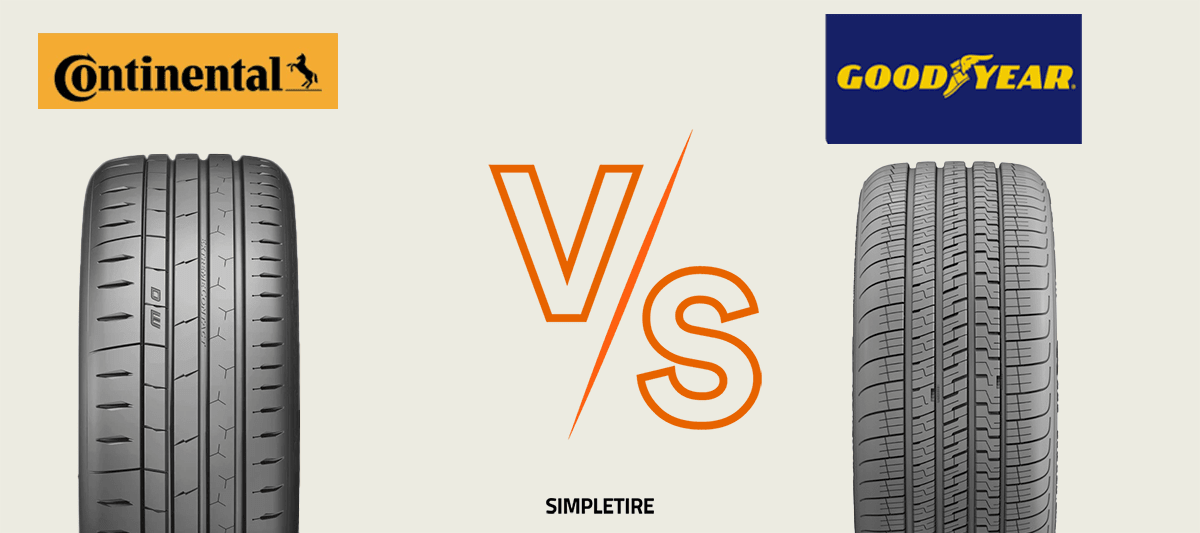
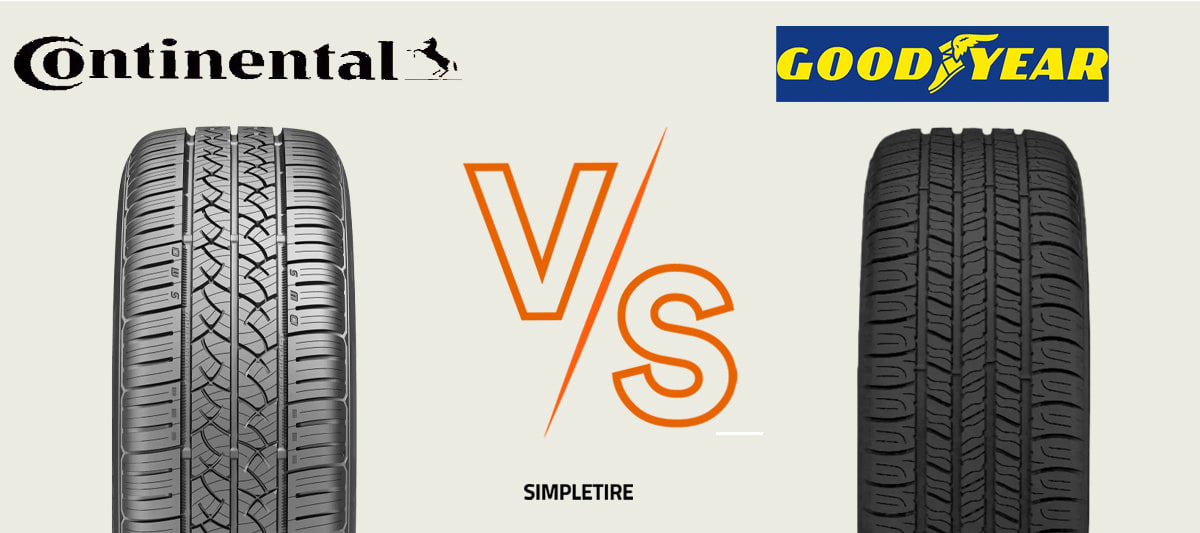
The tread design and technology of a tire greatly affect its performance and safety. Tread patterns help control traction, water evacuation, and noise levels. Advanced tread technology improves grip on wet and dry roads. It also enhances the tire’s lifespan and fuel efficiency. Both Continental and Goodyear invest heavily in tread innovation to deliver better driving experiences.
Continental’s Innovations
Continental uses unique tread patterns for different driving needs. Their tires often feature asymmetric designs. These improve handling and braking on both dry and wet surfaces. Continental’s ContiSeal technology seals small punctures. It prevents air loss and keeps you driving longer. The brand also uses special rubber compounds. These compounds increase grip while reducing rolling resistance. This helps save fuel and extend tire life.
Goodyear’s Features
Goodyear focuses on tread designs that balance performance and comfort. Their tires use tread blocks that reduce road noise. This makes for quieter rides. Goodyear’s AquaTred technology channels water away quickly. It lowers the risk of hydroplaning in wet conditions. The brand also incorporates high-tech silica compounds. These improve traction on slippery roads. Goodyear tires provide strong grip and smooth driving in various weather.
Grip Performance
Grip performance is key for safe driving. Tires must hold the road tightly. This affects control, braking, and comfort. Comparing Continental and Goodyear tires helps understand their grip strengths. Each brand offers unique features for different conditions. Let’s explore how they perform on wet roads, dry surfaces, and off-road paths.
Wet Surface Handling
Continental tires excel at wet grip. Their tread design channels water efficiently. This reduces the risk of slipping or hydroplaning. Goodyear tires also provide solid wet traction. They use special rubber compounds to maintain grip. Both brands keep drivers safe in rainy conditions.
Dry Surface Traction
On dry roads, Continental tires offer stable and firm grip. Their rubber compound stays flexible in heat. Goodyear tires deliver strong traction too. They provide good road contact for sharp turns and quick stops. Both brands ensure confident driving on dry pavement.
Off-road Capabilities
Continental tires perform well on light off-road trails. Their tread pattern gives decent grip on dirt and gravel. Goodyear tires often have more aggressive designs for rough terrain. They offer better traction for mud and rocky surfaces. Choose based on how rough your off-road driving will be.
Durability And Wear
Durability and wear are key factors in choosing the right tire. A tire’s life affects safety and cost. Both Continental and Goodyear make durable tires, but they differ in some ways. This section compares their tread life and resistance to damage.
Tread Life
Continental tires often have long tread life. They use special rubber compounds to last longer on roads. Drivers report smooth performance over many miles. Goodyear tires also offer good tread life. Their designs focus on balancing grip and durability. Some Goodyear models may wear faster on rough surfaces. Overall, Continental may have a slight edge in tread longevity.
Resistance To Damage
Continental tires resist cuts and punctures well. Their strong sidewalls help protect against sharp objects. These tires handle rough roads without easy damage. Goodyear tires are tough too. They use reinforced materials to reduce damage risks. Still, some Goodyear tires can be more vulnerable to road hazards. Continental’s build quality often provides better protection in tough conditions.
Ride Comfort And Noise
Ride comfort and noise are important for a pleasant drive. Tires affect how smooth the ride feels. They also impact the sound inside the car. Both Continental and Goodyear offer tires with strong features in these areas. Understanding their differences helps in choosing the right tire for comfort and quietness.
Vibration Absorption
Continental tires use special rubber compounds that absorb road vibrations well. This results in less shaking and a smoother ride. Goodyear tires also focus on reducing vibrations but with different tread designs. Their tires help soften bumps, making the ride more comfortable. Overall, Continental may provide a slightly softer feel on rough roads.
Noise Levels
Continental tires often have advanced noise reduction technology. They use unique tread patterns to lower road noise. Goodyear tires are designed to cut down on noise too, with quieter tread blocks. Both brands work to keep the cabin peaceful. Continental tires usually perform better on highways for quietness. Goodyear tires are good in city driving with moderate noise control.
Pricing And Value
Choosing the right tire often depends on price and value. Buyers want tires that last long and cost less. Continental and Goodyear offer different price points and benefits. Understanding these differences helps you get the best deal for your money.
Cost Comparison
Continental tires usually have a higher starting price than Goodyear. They focus on premium quality and advanced technology. Goodyear tires often come at a lower cost and offer good performance. Both brands offer tires in various price ranges. Budget-conscious buyers may find more options with Goodyear. Those willing to pay more may prefer Continental’s features.
Warranty And Support
Both brands provide warranties that cover defects and tread life. Continental typically offers a 6-year limited warranty. Goodyear’s warranty length varies by tire model but often matches Continental’s. Both brands have roadside assistance programs in some regions. Customer support is strong for both companies. Warranty coverage and support add value beyond just price.
Customer Feedback
Customer feedback reveals real experiences with Continental and Goodyear tires. It shows how these tires perform on roads every day. Drivers share their thoughts about grip and durability. Their reviews help others decide which tire suits their needs better.
User Reviews On Grip
Many drivers praise Continental tires for excellent grip on wet roads. They feel confident driving in rain and slippery conditions. Goodyear tires also get good marks for grip, especially on dry pavement. Some users say Goodyear handles well on highways. Both brands receive positive comments, but Continental often edges out in wet traction.
User Reviews On Durability
Goodyear tires are known for lasting many miles without issues. Users report fewer punctures and longer tread life. Continental tires also show strong durability but sometimes wear faster in harsh conditions. Drivers who travel on rough roads prefer Goodyear for toughness. Both brands offer reliable durability, with Goodyear slightly favored by heavy users.
Credit: simpletire.com
Final Verdict
The final verdict helps you decide between Continental and Goodyear tires. Both brands offer quality and strong performance. Your choice depends on your driving needs and priorities. Here’s a clear look at which tire leads in grip and durability.
Best Choice For Grip
Continental tires excel in grip on wet and dry roads. Their tread design helps maintain control in sharp turns and sudden stops. Drivers feel safer on rainy days with Continental’s advanced rubber compounds. This makes them a top pick for those who want steady traction.
Best Choice For Durability
Goodyear tires stand out for long-lasting durability. Their tires resist wear and tear even on rough roads. Goodyear uses tough materials that extend tire life. This is ideal for drivers needing tires that last many miles without frequent replacement.

Credit: www.youtube.com
Frequently Asked Questions
Which Tire Brand Offers Better All-season Performance?
Continental tires excel in all-season traction and wet conditions. Goodyear tires provide solid performance but slightly less grip on wet roads. Continental’s advanced tread compounds often deliver superior handling in diverse weather.
Are Continental Tires More Durable Than Goodyear Tires?
Both brands produce durable tires, but Continental often uses innovative materials enhancing longevity. Goodyear tires offer reliable wear life too, with specific models designed for extended mileage. Durability depends on the tire model and usage conditions.
How Do Continental And Goodyear Tires Compare In Price?
Goodyear tires generally have a wider price range, including budget-friendly options. Continental tires tend to be priced slightly higher due to premium technology and materials. Pricing varies by tire size and model.
Which Brand Provides Better Tire Warranty Coverage?
Goodyear typically offers longer mileage warranties on many models. Continental warranties focus on tread life and workmanship with competitive coverage. Both brands provide reliable customer support and warranty services.
Conclusion
Choosing between Continental tires and Goodyear tires depends on your needs. Both brands offer good quality and safety. Continental tires are known for strong grip and smooth rides. Goodyear tires often provide long tread life and durability. Price and availability may also affect your choice.
Think about your driving style and road conditions. Either option can keep you safe on the road. Take time to compare features before deciding. Your vehicle deserves the best tire fit.