Choosing the right tires for your vehicle can feel overwhelming. You want something reliable, safe, and long-lasting.
If you’re stuck between Continental and Hankook tires, you’re not alone. Both brands promise quality, but which one truly fits your driving style and needs? You’ll discover key differences that can help you make a confident choice. Keep reading, because the right tires could change how you experience every drive.
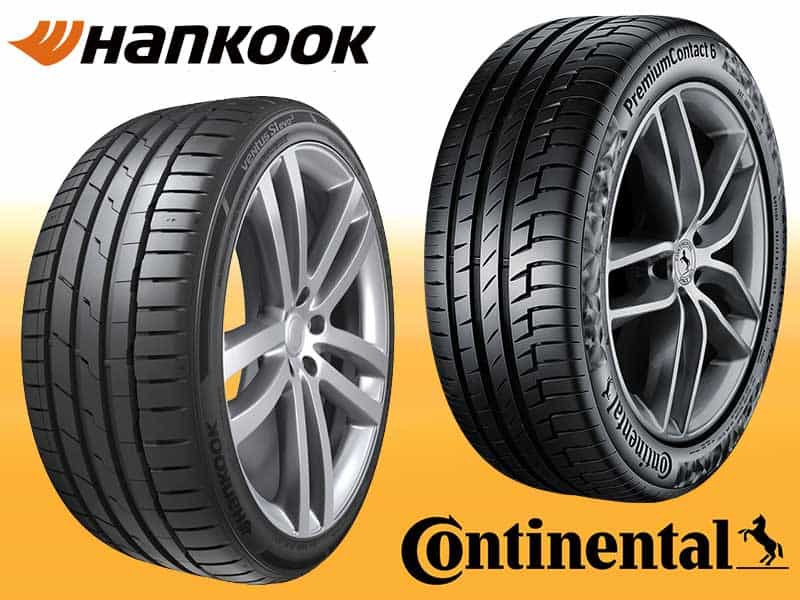
Credit: comparethetire.com
Brand Backgrounds
Understanding the background of a tire brand helps in making a smart choice. Both Continental and Hankook have strong histories. Each brand brings unique experience and values to their products.
History Of Continental
Continental started in 1871 in Germany. It began as a rubber manufacturer. Over time, it grew into a global tire company. Continental focuses on safety and innovation. It supplies tires for cars, trucks, and bicycles. The brand is known for quality and durability. It also invests in new technology to improve tire performance.
History Of Hankook
Hankook was founded in 1941 in South Korea. It began as a small tire factory. The company expanded quickly to serve many countries. Hankook focuses on making tires for cars and trucks. It emphasizes strong performance and value. The brand often partners with car makers worldwide. Hankook also works on eco-friendly tire solutions.

Credit: www.youtube.com
Tire Technology
Tire technology plays a key role in how tires perform on the road. Both Continental and Hankook focus on creating strong and safe tires. Their technologies help improve grip, durability, and comfort. Understanding their approaches helps you see the differences.
Materials And Compounds
Continental uses special rubber compounds to increase tire life and traction. Their materials resist wear and heat well. Hankook also uses advanced compounds but focuses more on balancing grip and fuel efficiency. Both brands use silica and natural rubber to boost performance. The choice of materials affects how tires handle wet and dry roads.
Tread Design Innovations
Continental designs treads to channel water quickly, reducing the risk of hydroplaning. Their patterns often include multiple grooves for better wet traction. Hankook’s tread designs focus on noise reduction and smooth rides. They use asymmetric patterns to enhance cornering and stability. Each brand’s tread design improves safety and driving comfort in different ways.
Performance Comparison
Comparing the performance of Continental and Hankook tires helps you choose the best fit for your car. Both brands offer quality tires but differ in certain key areas. This section breaks down their performance across important driving conditions.
Understanding these differences can improve your driving experience and safety. Let’s dive into how they perform on wet and dry roads, their handling, stability, and ride comfort.
Wet And Dry Traction
Continental tires excel in wet traction due to advanced tread designs. They channel water efficiently to reduce hydroplaning. Dry traction is solid, providing good grip on asphalt and concrete surfaces.
Hankook tires offer reliable traction on dry roads, with strong rubber compounds. Their wet performance is decent but not as sharp as Continental’s. Both brands give confidence in everyday driving conditions.
Handling And Stability
Continental tires provide precise handling and strong stability at higher speeds. Their stiff sidewalls help maintain control during sharp turns. This makes them a good choice for spirited driving.
Hankook tires offer stable handling with a slightly softer feel. They absorb minor road bumps better, giving a smoother ride. Stability is good but leans more towards comfort than sportiness.
Noise And Comfort
Continental tires tend to be quieter, thanks to noise-reducing technology. They minimize road noise and vibrations, enhancing comfort on long drives. The ride feels smooth and controlled.
Hankook tires focus on comfort with flexible sidewalls that absorb shocks well. Road noise is moderate but may be more noticeable than Continental’s. They provide a pleasant ride, especially on rough surfaces.
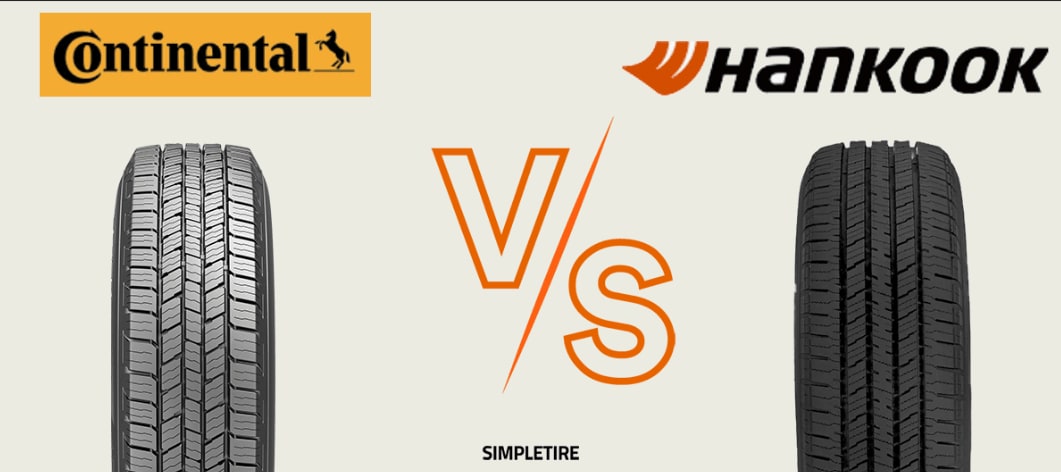
Credit: simpletire.com
Durability And Wear
Durability and wear are key factors when choosing tires. Tires must last long and resist damage well. Both Continental and Hankook offer strong options. This section compares their tread life and damage resistance.
Tread Life
Continental tires generally have a longer tread life. Their rubber compounds are designed to wear slowly. This means you can drive more miles before changing tires.
Hankook tires also provide good tread life. They use advanced materials that help maintain grip and durability. Still, Continental often edges out slightly in tread longevity.
Resistance To Damage
Continental tires resist cuts and punctures effectively. Their strong sidewalls help protect against rough roads. This lowers the chance of tire failure.
Hankook tires show solid damage resistance too. They use reinforced designs to handle impacts. Though durable, they may not match Continental’s toughness fully.
Fuel Efficiency
Fuel efficiency is an important factor when choosing tires. It affects how far your car can go on a tank of gas. Tires with better fuel efficiency save money and reduce pollution.
Both Continental and Hankook offer tires designed to improve fuel economy. Understanding how they perform helps you make a smart choice.
Rolling Resistance
Rolling resistance is the force that tires need to keep moving. Lower rolling resistance means the car uses less fuel. Continental tires often use special rubber compounds to reduce rolling resistance. Hankook also focuses on this by designing tires with optimized tread patterns. Both brands aim to make tires that require less energy to roll.
Impact On Mileage
Lower rolling resistance tires improve your car’s mileage. Continental tires tend to offer slightly better mileage on highways. Hankook tires perform well in city driving with stop-and-go traffic. Choosing the right tire depends on your driving habits. Both brands help increase the distance you can travel per gallon of fuel.
Pricing And Value
Choosing between Continental and Hankook tires means looking closely at pricing and value. Cost matters most for many drivers. But value is about more than just price. It includes the quality, durability, and support you get with the tire. Let’s break down the key points that affect your decision.
Cost Analysis
Continental tires usually cost more upfront. They often come with advanced technology and stronger materials. Hankook tires tend to be cheaper. They offer good performance at a lower price point. Both brands have tires for budget and premium buyers. Continental may save money long term with better durability. Hankook gives a good balance between price and quality. Compare prices for your tire size and type. This helps find the best deal for your budget.
Warranty And Support
Continental offers solid warranties, often covering tread life for many miles. Their customer service is well-rated. Hankook also provides strong warranties but may have shorter coverage in some cases. Both brands give roadside assistance and support options. Check the warranty details before buying. Good warranty means less worry about defects or early wear. Support services add extra value to your purchase.
User Reviews And Ratings
User reviews and ratings reveal real experiences with Continental and Hankook tires. They show how each tire performs in daily use. These insights help buyers decide which brand suits their needs best.
Both brands have strong followings. Continental often scores high for durability and grip. Hankook gets praise for value and comfort. The feedback highlights key strengths and weaknesses.
Customer Feedback
Customers say Continental tires last longer on rough roads. Many note excellent handling in wet weather. Some users mention a higher price but feel it’s worth it.
Hankook tires receive positive comments for smooth rides. Drivers appreciate their quiet performance. Many buyers find Hankook tires affordable and reliable for everyday driving.
Some users report quicker wear on Hankook tires. Others like Continental’s tread design that improves safety. Both brands have loyal fans sharing honest opinions.
Expert Opinions
Experts review Continental tires as top performers in safety tests. They highlight advanced technology in tread and rubber compounds. This leads to better braking and control.
Hankook tires earn respect for innovation and budget-friendly options. Experts mention solid performance in dry and wet conditions. They recommend Hankook for drivers seeking balance between cost and quality.
Professionals advise checking specific tire models. Each brand offers products tailored to different vehicles and climates. Expert advice helps match tires to driving style and needs.
Best Use Cases
Tires play a key role in vehicle safety and comfort. Choosing the right tire brand depends on your driving needs. Both Continental and Hankook offer quality options. Knowing their best use cases helps pick the right tire for you.
Each brand suits different types of driving styles and weather conditions. This guide breaks down their strengths in city driving, performance driving, and all-season use.
City Driving
Continental tires excel in city driving with strong grip and smooth rides. They handle stop-and-go traffic well. Their tires reduce road noise, making daily commutes pleasant. Hankook also provides durable tires for city roads. They focus on fuel efficiency and wear resistance. Both brands offer options that support safe braking on wet streets.
Performance Driving
Continental leads in performance tires with excellent handling and stability. Their tires maintain control at high speeds and sharp turns. Hankook tires balance performance and comfort. They offer good traction and responsive steering. Drivers who want sporty performance on highways will find both brands reliable. Continental slightly edges out for competitive driving needs.
All-season Suitability
Continental all-season tires perform well in rain, light snow, and dry conditions. They provide consistent traction year-round. Hankook all-season tires are designed for varied climates. They offer good grip on wet and snowy roads. Both brands help drivers avoid seasonal tire changes. Hankook may be more budget-friendly for all-season use.
Frequently Asked Questions
What Are The Main Differences Between Continental And Hankook Tires?
Continental tires focus on premium performance and safety. Hankook offers budget-friendly options with good durability. Both brands provide quality, but Continental emphasizes advanced technology, while Hankook balances cost and performance for everyday driving.
Which Tire Brand Is Better For Wet Road Conditions?
Continental tires generally perform better on wet roads due to advanced tread designs. They provide superior grip and shorter braking distances in rain. Hankook tires are decent but may not offer the same level of wet traction as Continental.
Are Continental Tires More Expensive Than Hankook Tires?
Yes, Continental tires typically cost more because of their premium features and technology. Hankook tires are more affordable and offer good value for money. Pricing depends on tire type, size, and specific model.
How Do Continental And Hankook Tires Compare In Tread Life?
Continental tires usually have longer tread life due to durable rubber compounds. Hankook tires offer decent tread life but may wear faster under heavy use. Both brands provide warranties that reflect their expected longevity.
Conclusion
Choosing between Continental and Hankook tires depends on your needs. Continental offers strong grip and long life. Hankook provides good value and decent performance. Both brands have reliable options for daily driving. Think about your budget and road conditions. Quality tires help keep you safe on the road.
Take time to compare features and prices carefully. Your choice will affect comfort and driving experience. Remember, good tires matter more than brand alone. Pick what fits your car and driving style best.