Have you ever faced a flat tire and wondered which spare option is better: a donut or a full-size spare tire? Choosing the right one can save you time, money, and stress when you’re stuck on the road.
But what exactly sets a donut apart from a spare tire? And which one should you rely on when it matters most? Keep reading to discover the key differences, benefits, and drawbacks—so you can make the smartest choice for your safety and peace of mind.
Types Of Backup Tires
Backup tires come in different types for various needs. Choosing the right one can save time and trouble during a flat tire situation. Two common types are the donut tire and the spare tire. Each has unique features and uses. Understanding these helps you decide which fits your car and driving style best.
Donut Tire Features
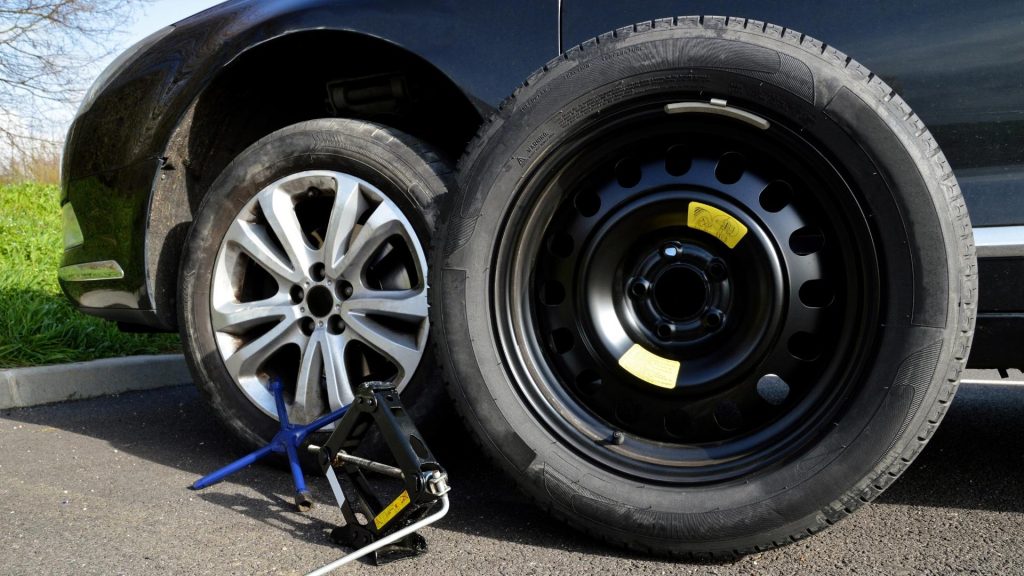
Donut tires are small and lightweight. They take up less space in your trunk. These tires are meant for temporary use only. They have limited speed and distance limits. Usually, you can drive up to 50 miles at 50 mph. Donuts help you reach a repair shop quickly. They are cheaper to produce and replace. Donut tires have a thinner tread than regular tires. This limits their grip on the road.
Spare Tire Features
Spare tires are full-sized or close to full size. They match the regular tires on your car. This allows normal driving after replacement. Spare tires offer better safety and stability. They can last longer than donut tires. Some cars come with a full spare tire. Others have a smaller, compact spare. Full spares take more trunk space. Compact spares are a middle ground in size and use. Spare tires are heavier but more reliable for long trips.
Credit: carfromjapan.com
Size And Weight Comparison
Comparing the size and weight of donut and spare tires helps to understand their use and convenience. Size affects how easy it is to store and carry the tire in your vehicle. Weight impacts how simple it is to handle during a tire change.
Dimensions Of Donut Tires
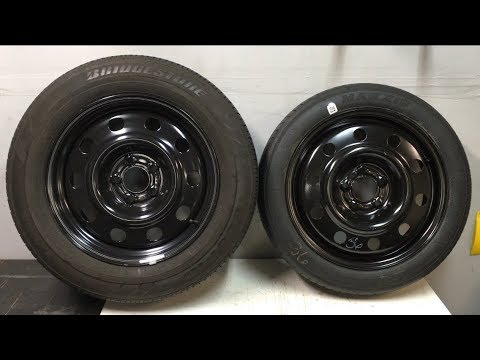
Donut tires are smaller than regular tires. They usually measure about 16 to 18 inches in diameter. Their width is also narrower, often around 4 inches. This small size makes them lightweight and compact.
Donut tires weigh roughly 15 to 20 pounds. The light weight helps drivers lift and change the tire quickly. Their slim design saves space in the car trunk or under the vehicle.
Dimensions Of Spare Tires
Spare tires, also called full-size spares, match the size of regular tires. They typically range from 24 to 30 inches in diameter. Their width is similar to normal tires, often about 7 to 9 inches.
These tires weigh more, usually between 30 and 40 pounds. The heavier weight makes them harder to move and install. They take up more room in storage but offer better driving stability if used.
Performance Differences
Performance differences between a donut tire and a spare tire affect your driving experience. These differences impact safety, comfort, and how far you can drive. Understanding these factors helps you choose the right option in emergencies.
Handling And Speed Limits
Donut tires are smaller and lighter than regular tires. This size change affects how the car handles turns and stops. Donuts can make steering feel less stable, especially at higher speeds.
Spare tires usually match the size of your regular tires. This means the car handles more like normal. Donuts often have a speed limit of 50 mph to keep you safe. Spare tires allow faster driving but still need caution.
Durability And Lifespan
Donut tires are made for short-term use. They wear out quickly and should only be used for a few miles. Using a donut too long can cause damage to your vehicle.
Spare tires last longer and can be used for regular driving until you fix the main tire. They offer better durability and do not wear as fast as donuts. This makes them more reliable for longer trips.
Installation And Storage
Installation and storage are key factors when choosing between a donut and a spare tire. Both affect how quickly you can replace a flat tire and how much space you need in your car.
Knowing the differences helps you decide which option fits your needs best. Below, we compare ease of mounting and space requirements for each.
Ease Of Mounting
Donut tires are smaller and lighter, making them easier to handle. Most people find them simpler to mount during emergencies. The reduced weight means less effort to lift and align.
Spare tires are full-sized and heavier, which can make mounting harder. They often require more strength and time to install. Some drivers may need extra help to change a spare tire quickly.
Space Requirements
Donuts take up much less space in the trunk. Their compact design frees up room for other items. This makes them a popular choice for cars with limited storage.
Spare tires need more space due to their full size. They may reduce available trunk space significantly. Cars with bigger trunks handle spares better, but smaller vehicles might struggle.
Cost Considerations
Cost plays a big role in choosing between a donut and a spare tire. Understanding the price differences helps you make a smart choice. The cost includes the initial price and ongoing expenses. These factors can affect your budget over time.
Initial Price
Donut tires usually cost less to buy than full-size spares. They are smaller and use less material, which lowers the price. Spare tires are bigger and cost more upfront. This price difference matters if you want to save money at purchase.
Sometimes, cars come with a donut as a spare to reduce the vehicle’s overall cost. Full-size spares add weight and cost more to install. The initial price is a key factor in deciding which spare tire to get.
Maintenance Expenses
Donut tires need less maintenance because they are used rarely and for short distances. They require regular pressure checks but not much else. Spare tires, being full size, need the same care as regular tires.
This means spare tires cost more to maintain. They need rotation, balancing, and sometimes repairs. Donuts save money on maintenance but may require replacement sooner. Maintenance costs add up over the life of the tire.
Credit: www.youtube.com
Safety Factors
Safety is the top concern when choosing between a donut and a spare tire. Both have limits that affect your driving. Understanding these limits keeps you and others safe on the road.
Risks And Precautions
Donut tires are smaller and less stable than regular tires. They can cause poor handling and reduce braking power. Driving fast or for long distances on a donut can lead to tire failure. Spare tires are stronger but may still differ from your regular tires. Using a spare with different tread or size can affect vehicle balance. Always check tire pressure before using either type. Avoid sharp turns and sudden stops while using a donut or spare.
Recommended Usage Guidelines
Donut tires are meant for short trips only. Experts suggest driving no more than 50 miles at 50 mph. Spare tires can handle longer distances but should not replace regular tires permanently. Replace or repair your original tire as soon as possible. Use both donut and spare tires only in emergencies. Follow your car’s manual for specific instructions on tire use. Staying within these guidelines helps ensure your safety and your vehicle’s performance.
When To Choose Donut Tires
Donut tires offer a compact and lightweight solution for emergencies. They save space in your trunk and are easier to handle than full-size spares. Knowing the right moments to use donut tires keeps you safe and prevents damage.
Donut tires work best for short distances and low speeds. They are not designed for long drives or rough roads. Choosing a donut tire depends on your situation and the type of drive ahead.
During A Sudden Flat Tire
A donut tire is perfect for quick fixes on flat tires. It helps you reach a repair shop without hassle. Carrying a donut tire means you are ready for unexpected flats.
When Space Is Limited
Donut tires are smaller and take less room in your car. They fit easily into tight trunk spaces. Ideal for vehicles with limited storage or no room for full spares.
For Short And Slow Drives
Donut tires are safe for short trips under 50 miles. They should not exceed speeds of 50 mph. Use donuts only to get to the nearest service center.
In Emergency Situations
Donut tires provide a quick solution during emergencies. They help avoid being stranded far from help. Keep a donut tire as a backup for urgent tire issues.
When To Opt For Spare Tires
Spare tires offer more support and durability than donut tires. Choosing a spare tire suits longer trips and higher speeds. Understanding when to pick a spare tire helps keep you safe on the road.
Long Distance Driving
Spare tires handle long distances better than donut tires. Donut tires are for short, emergency use only. Driving far means you need a tire that lasts. Spare tires allow steady driving without worry.
Higher Speed Travel
Spare tires support higher speeds safely. Donut tires limit your speed to about 50 mph. For highways and fast roads, a spare tire is best. It keeps your vehicle stable and balanced.
Heavy Loads And Larger Vehicles
Spare tires can carry more weight than donuts. Larger cars or trucks need stronger tires. Donut tires may fail under heavy loads. Spare tires provide needed strength and safety.
Extended Use And Reliability
Spare tires are designed for longer use periods. Donut tires wear out quickly and need quick replacement. A spare tire offers reliable performance over many miles. It reduces stress during tire emergencies.
Environmental Impact
The environmental impact of spare tires matters to many drivers. Choosing between a donut and a full-size spare tire affects the planet in different ways. This section explores how each option influences waste and fuel use. Understanding these effects helps make smarter choices for the environment.
Material And Waste
Donut tires use less material than full-size spares. They have smaller rubber amounts and fewer parts. This means fewer resources are needed to make them.
Full-size spare tires require more rubber and metal. They take longer to produce and create more waste. When thrown away, they add to landfill problems.
Donuts often wear out faster and need replacing more often. This can lead to more waste over time. But their smaller size means less space is needed for storage and disposal.
Fuel Efficiency Effects
Donut tires are lighter than full-size spares. Using a donut reduces the car’s overall weight. This helps save fuel during driving.
Full-size spares add more weight to the vehicle. Extra weight lowers fuel efficiency and increases emissions. Carrying a heavy spare tire can slightly raise fuel costs.
Lower fuel consumption means fewer greenhouse gases. Donuts can help reduce a car’s carbon footprint. This makes them a better choice for eco-friendly driving.
Tips For Maintaining Backup Tires
Backup tires are essential for safe driving during emergencies. Keeping them in good condition ensures they work properly when needed. Regular care extends the life of your spare tire and avoids last-minute trouble.
Regular Inspections
Check your backup tire every month. Look for cracks, dry spots, or damage on the surface. Make sure the tread is not worn out. Remove any dirt or debris stuck on the tire. Inspect the rim for rust or bends. These checks help spot problems early and keep the tire ready.
Proper Inflation
Keep your spare tire inflated to the recommended pressure. Use a reliable tire gauge to measure it accurately. Check pressure at least once a month and before long trips. Underinflated tires can fail, and overinflated ones may cause uneven wear. Proper inflation ensures safety and better performance.

Credit: www.reddit.com
Frequently Asked Questions
What Is The Main Difference Between A Donut And Spare Tire?
A donut tire is a smaller, temporary tire for emergencies. A spare tire is a full-size or compact tire that can be used longer. Donuts save space but have speed and distance limits. Spare tires offer better performance and durability.
How Long Can You Drive On A Donut Tire?
Donut tires should be driven no more than 50 miles. They are designed for short-term use only. Driving faster than 50 mph can be unsafe. Use a proper tire replacement as soon as possible.
Can A Spare Tire Replace A Regular Tire Permanently?
Full-size spare tires can replace regular tires temporarily or permanently. Compact spares, like donuts, are only for short-term use. Always check your vehicle’s manual for tire replacement guidelines. Permanent use depends on the spare tire type and condition.
Are Donut Tires Safe For Highway Driving?
Donut tires are not recommended for highway driving. They have limited speed and traction capabilities. Use them only for short distances and low speeds. Replace them with a full tire before long trips.
Conclusion
Choosing between a donut and a spare tire depends on your needs. Donuts are smaller and lighter but meant for short trips only. Spare tires offer better safety and last longer on the road. Both help you keep moving after a flat tire.
Always check your vehicle’s manual for the best option. Carrying a reliable backup tire is smart for any driver. Stay prepared and drive safely.