If you own a 350 Chevy with an Edelbrock carburetor, you know how important it is to keep your engine running smoothly. But sometimes, your carb might need a little fine-tuning to get the best performance and fuel efficiency.
Adjusting your Edelbrock carb doesn’t have to be confusing or time-consuming. In this guide, you’ll learn simple, step-by-step tips to dial in your carburetor just right. By the end, you’ll feel confident making these adjustments yourself and enjoy a stronger, more responsive engine every time you hit the road.
Keep reading to unlock the secrets to mastering your Edelbrock carb on your 350 Chevy.
Carburetor Basics
The carburetor is a key part of any classic 350 Chevy engine. It mixes air and fuel to help the engine run smoothly. Understanding the basics of a carburetor helps in adjusting it properly. This knowledge keeps the engine healthy and improves performance.
Adjusting an Edelbrock carburetor requires knowing its main functions and parts. This section breaks down the essential information. It makes the tuning process easier and more effective.
Role Of Edelbrock Carburetor
The Edelbrock carburetor controls the air-fuel mix in the engine. It ensures the right balance for combustion. This balance affects power, fuel efficiency, and engine idle. Edelbrock carbs are popular for their reliability and smooth performance. They respond well to adjustments for better driving experience.
Key Components On 350 Chevy
Several parts make the carburetor work on a 350 Chevy. The throttle plate controls air flow into the engine. The fuel jets manage the fuel flow to mix with air. The choke helps start the engine when it is cold. The float bowl stores fuel and keeps it steady. Understanding these parts helps in fine-tuning the carburetor for best results.
Tools Needed
Adjusting an Edelbrock carburetor on a 350 Chevy requires specific tools. Having the right tools makes the process easier and safer. This section lists the tools needed and safety tips to follow.
Essential Tools List
Start with a basic screwdriver set, both flathead and Phillips. A small flathead screwdriver is best for adjusting the carburetor screws. You will also need a socket wrench set to remove or tighten bolts.
A carburetor adjustment tool or a small pick tool helps with idle mixture screws. A vacuum gauge can check engine vacuum for fine-tuning. A clean rag or shop towel keeps dirt away during work. A flashlight helps see small parts clearly.
Safety Precautions
Work in a well-ventilated area to avoid breathing fumes. Wear safety glasses to protect your eyes from debris. Use gloves to keep your hands clean and safe from sharp parts. Disconnect the battery before starting to prevent accidental sparks.
Keep a fire extinguisher nearby in case of fuel spills. Avoid smoking or open flames near the work area. Take your time and stay focused to prevent mistakes or injury.
Preparation Steps
Proper preparation is key to adjusting the Edelbrock carburetor on your 350 Chevy. This ensures smooth engine performance and prevents damage. Taking time to prepare helps you make precise adjustments.
The preparation involves warming up the engine and locating the adjustment screws. These steps set the stage for effective tuning and better fuel efficiency.
Engine Warm-up
Start the engine and let it run for 10 to 15 minutes. This warms up the engine parts and the carburetor. Warm engine conditions give accurate adjustment results.
A cold engine can cause wrong readings and poor tuning. Avoid rushing this step to prevent problems later.
Locating Adjustment Screws
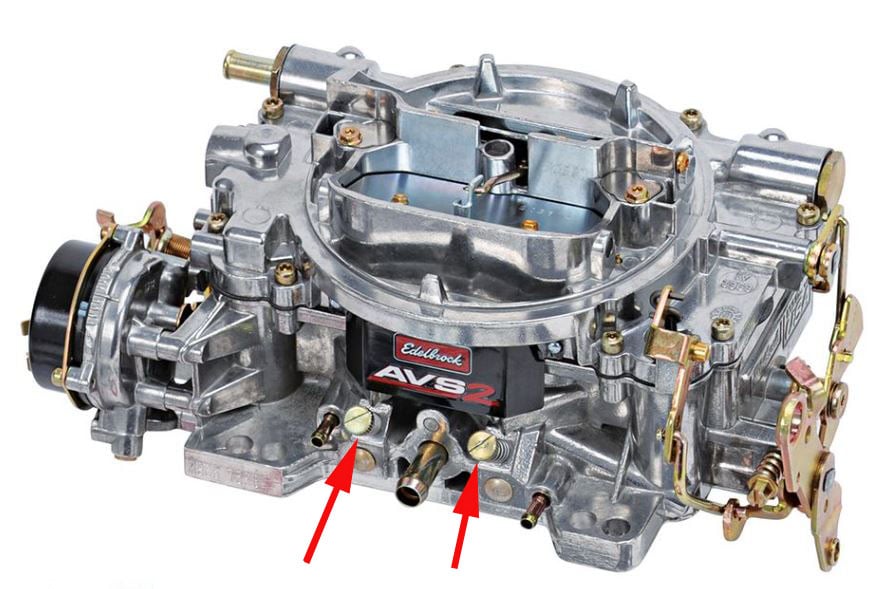
Find the idle mixture screws on the carburetor’s side. These control fuel and air flow at idle speed. Usually, there are two screws, one for each barrel.
Also, locate the idle speed screw. It adjusts how fast the engine runs at idle. Knowing their positions saves time during tuning.

Credit: www.youtube.com
Adjusting Idle Speed
Adjusting the idle speed on your Edelbrock carburetor is key to smooth engine performance. Idle speed controls how fast your engine runs when your foot is off the gas. Setting it right helps your Chevy 350 run quietly and avoid stalling. This process is simple and takes just a few minutes with the right steps.
Finding The Idle Screw
The idle screw is the main control for adjusting idle speed. It is usually found on the side of the carburetor. Look for a small, round screw near the throttle linkage. This screw changes how much air and fuel mix goes into the engine at idle. Turn it slowly to find the best setting.
Setting Optimal Rpm
Start your engine and let it warm up to normal temperature. Use a tachometer to check the RPM. For a Chevy 350, the ideal idle speed is usually between 600 and 750 RPM. Turn the idle screw gently clockwise to increase RPM or counterclockwise to lower it. Adjust until the engine runs steady and smooth.
Tuning Air-fuel Mixture
Tuning the air-fuel mixture on your Edelbrock carb for a 350 Chevy is key to better engine performance. The right mixture improves fuel efficiency and power. It also keeps your engine running smooth and clean. This process involves careful adjustment and keen observation.
Start with small changes. Adjust the mixture screws slowly. Test the engine’s response after each change. This method helps avoid mistakes and engine damage.
Adjusting Mixture Screws
Locate the mixture screws on the carburetor. These control how much air mixes with fuel. Turn the screws gently with a screwdriver.
Turn clockwise to lean the mixture (less fuel). Turn counterclockwise to richen it (more fuel). Make small turns, about a quarter turn at a time.
Listen to the engine’s sound during adjustments. The ideal setting gives a steady, smooth idle. Avoid settings that make the engine sputter or stall.
Signs Of Proper Mixture
A good air-fuel mix gives a strong, steady idle. The engine should run without hesitation or roughness. Fuel consumption stays normal or improves slightly.
Check the exhaust smoke. Little to no black smoke means the mix is not too rich. No backfiring or popping sounds indicate the mixture is not too lean.
Watch engine temperature. It should stay steady, not too hot or cold. These signs confirm the carburetor is tuned correctly.

Credit: www.edelbrock.com
Fine-tuning And Testing
Fine-tuning and testing your Edelbrock carburetor on a 350 Chevy is key to getting smooth engine performance. Small adjustments can make a big difference in how your engine runs. Take your time to listen and feel how the engine responds after each change.
This step is about precision. It helps to improve fuel efficiency and power. Testing ensures your carburetor settings match your engine’s needs perfectly.
Checking Engine Response
Start the engine and let it warm up. Notice how it idles. Is it smooth or rough? Press the gas pedal gently. Does the engine respond quickly or lag? Listen for any unusual sounds or stalling. These signs tell you if the carburetor needs adjustment.
Pay attention to acceleration. It should be steady without hesitation. Also, check for black smoke from the exhaust. That means the engine is running too rich. Blue smoke suggests oil burning, not carburetor related.
Making Small Corrections
Make tiny turns on the idle mixture screws. Turn clockwise to lean the mixture. Turn counterclockwise to enrich it. Adjust in small steps, about a quarter turn at a time.
After each change, let the engine settle for a few seconds. Check the response again. Repeat until the idle is steady and the engine runs smoothly. Avoid over-adjusting. It can cause poor performance and damage.
Common Issues And Fixes
Adjusting an Edelbrock carburetor on a 350 Chevy can sometimes cause common issues. These problems often affect engine performance and drivability. Knowing how to spot and fix these issues saves time and effort.
Understanding typical problems helps keep the carburetor running smoothly. Below are common issues with easy fixes to improve your ride.
Troubleshooting Hesitation
Hesitation happens when the engine slows or stumbles during acceleration. It may feel like the car is choking or losing power. This often points to a fuel delivery problem.
Check the accelerator pump. If it’s weak or broken, the engine lacks fuel when you press the gas. Adjust the pump stroke or replace worn parts.
Look at the idle mixture screws. If the fuel mixture is too lean, the engine hesitates. Turn the screws slightly in or out to find a smooth response.
Also, inspect the fuel filter and lines. Blockages reduce fuel flow and cause hesitation. Clean or replace dirty filters and hoses.
Addressing Rough Idle
A rough idle feels like the engine shakes or stumbles at low speed. This can be caused by air leaks or incorrect fuel mixture.
Check for vacuum leaks around the carburetor base and intake manifold. Use carburetor cleaner spray to find leaks. The idle will change when sprayed on a leak.
Adjust the idle speed screw to keep the engine steady at idle. Too low or too high speed causes rough running.
Fine-tune the idle mixture screws. Turn them slowly until the engine runs smooth and steady. Avoid making the mixture too rich or too lean.
Clean the carburetor’s throttle body and jets. Dirt and deposits block fuel flow and cause poor idle quality.
Credit: www.jegs.com
Frequently Asked Questions
How Do I Adjust The Idle Speed On An Edelbrock Carb?
To adjust idle speed, locate the idle speed screw. Turn it clockwise to increase RPM and counterclockwise to decrease. Use a tachometer for precise adjustment. Ensure the engine is warm before tuning for best results.
What Tools Are Needed To Adjust Edelbrock Carburetor?
You need a flathead screwdriver, a tachometer, and possibly a vacuum gauge. These tools help fine-tune idle mixture, speed, and overall carburetor performance accurately.
How To Set The Idle Mixture On A 350 Chevy Carb?
Turn the idle mixture screws slowly clockwise until the engine stumbles. Then, turn counterclockwise until smoothest idle is reached. Repeat for both screws to balance the mixture perfectly.
When Should I Adjust The Edelbrock Carburetor?
Adjust the carburetor when you notice rough idle, poor fuel economy, or hesitation. Regular tuning ensures smooth engine performance and prevents drivability issues.
Conclusion
Adjusting the Edelbrock carb on your 350 Chevy is simpler than it seems. Small changes can improve your engine’s performance and fuel use. Take your time and check each step carefully. Test your adjustments on the road to feel the difference.
Keep tools handy for quick tweaks later. With patience, you will enjoy a smoother ride and better power. This guide helps you maintain your Chevy with confidence. Keep practicing, and your skills will grow. Your car will thank you for the care.