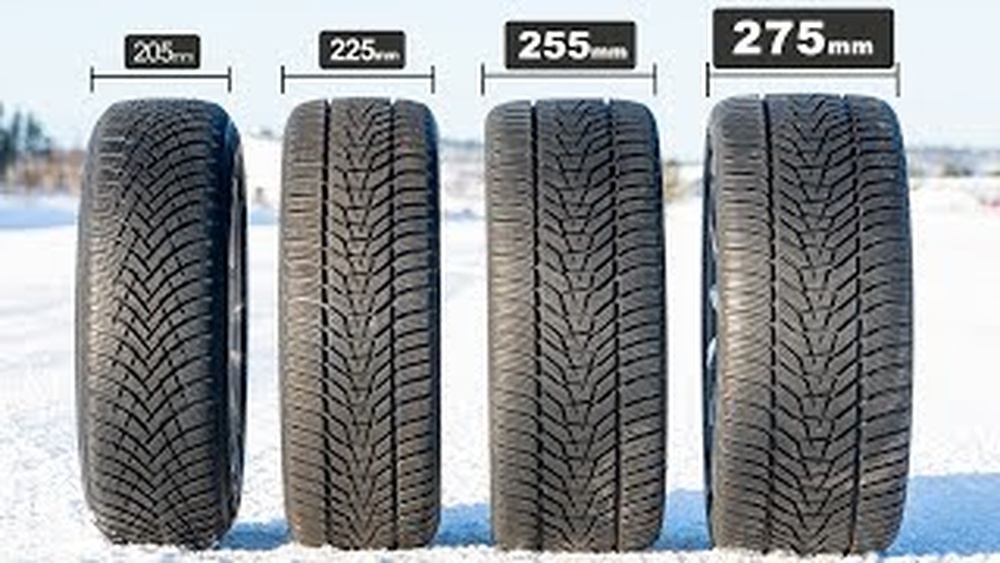
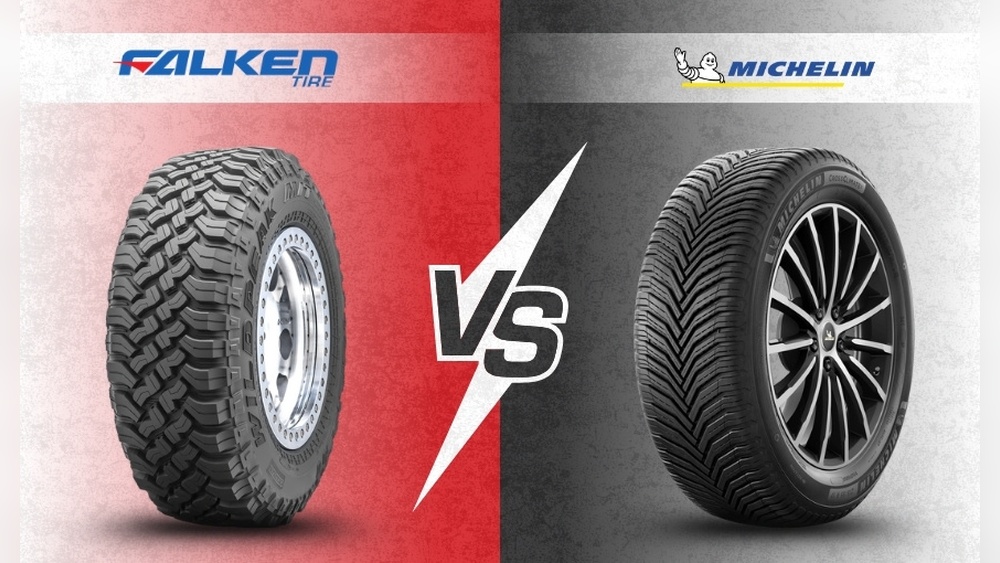
When it comes to choosing tires for your vehicle, you might wonder what difference the tire profile really makes. Should you go for low profile tires or high profile tires?
This choice can affect not just how your car looks, but also how it handles, rides, and even how safe you feel on the road. If you want to make the best decision for your driving style and needs, understanding the pros and cons of each option is key.
Keep reading, and you’ll discover everything you need to know to pick the perfect tires for your ride.
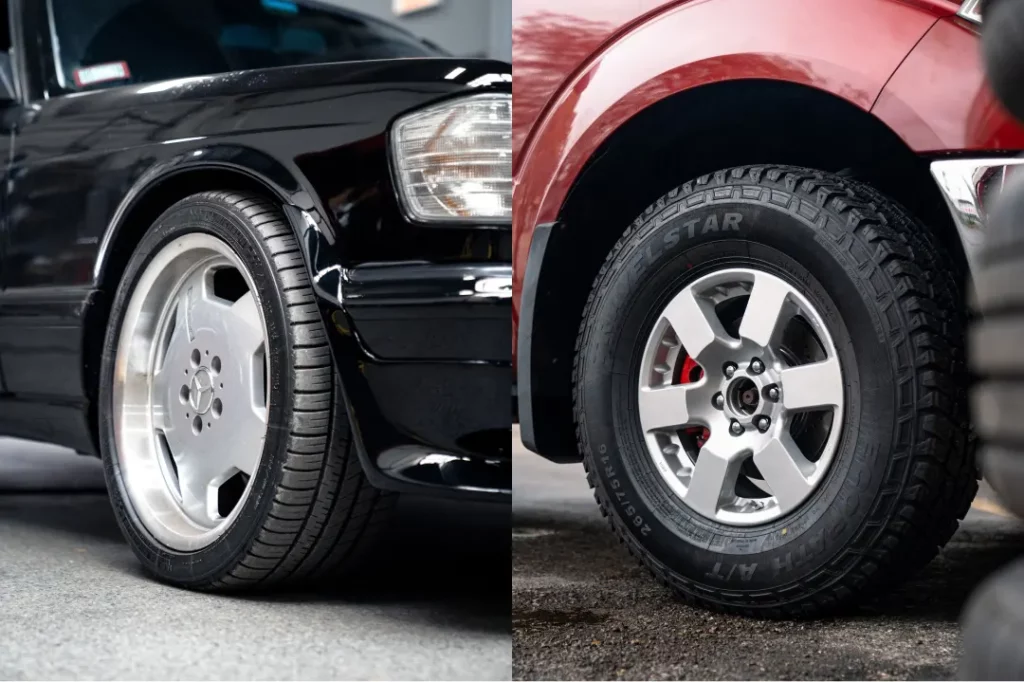
Credit: www.utires.com
Tire Profile Basics
Tire profile affects how a tire looks and performs on your vehicle. It means the height of the tire’s sidewall compared to its width. This measurement changes the driving feel and appearance of your car.
Choosing the right tire profile helps balance comfort, control, and style. Understanding the difference between low and high profile tires can guide your choice.
What Is Tire Profile
Tire profile is the ratio of the sidewall height to the tire width. It is shown as a percentage on the tire’s sidewall. For example, a 50 profile means the sidewall height is 50% of the tire width.
This number tells you how tall the tire’s sidewall is. It impacts ride comfort and handling. Shorter sidewalls give a sportier feel. Taller sidewalls offer more cushioning.
Low Profile Tires Explained
Low profile tires have a small sidewall height. Their profile percentage is usually below 55. These tires look sleek and modern.
They provide better handling and cornering. The shorter sidewall flexes less during turns. This helps the car feel more stable and responsive.
Ride comfort may decrease because the tire absorbs less shock. Roads feel rougher with low profile tires.
High Profile Tires Explained
High profile tires have tall sidewalls. Their profile percentage is usually above 60. These tires are common on trucks and SUVs.
They offer a smoother ride by absorbing bumps better. The taller sidewalls flex more, cushioning the impact.
Handling is softer and less precise. The car may feel less connected to the road.

Credit: www.youtube.com
Performance Differences
Performance differences between low profile and high profile tires affect driving experience. These differences influence handling, comfort, and braking. Understanding these aspects helps in choosing the right tire for your needs.
Handling And Grip
Low profile tires have shorter sidewalls. This design improves cornering stability. They provide better grip on dry roads. Drivers feel more connected to the road surface. High profile tires have taller sidewalls. They flex more, which can reduce sharp handling. Grip on wet or uneven surfaces may be better due to more sidewall movement. Each tire type offers different handling traits for various conditions.
Ride Comfort
High profile tires absorb road bumps better. The taller sidewalls act like shock absorbers. This results in a smoother ride on rough roads. Low profile tires transfer more road feel to the driver. They can make rides feel harsher on uneven surfaces. Comfort depends on road quality and driving style. Choose based on how smooth or firm you want your ride.
Braking Efficiency
Low profile tires usually provide shorter braking distances on dry roads. Their larger contact patch helps in quick stops. High profile tires may perform better on loose or wet surfaces. The extra sidewall can improve traction during braking. Brake performance depends on tire design and road conditions. Both tire types have strengths in different braking scenarios.
Appearance And Style
The appearance of tires plays a big role in a car’s overall look. Tires change how a vehicle feels and stands out on the road. Both low profile and high profile tires have unique styles. Each style suits different tastes and car types. Here is a closer look at their appearances and styles.
Aesthetic Appeal Of Low Profile Tires
Low profile tires have a shorter sidewall. This makes the wheel look larger and more visible. Cars with low profile tires appear sportier and more modern. The sleek look matches well with custom rims. Many people choose low profile tires for a sharp, aggressive style. The tires give cars a fast and clean image.
Visual Impact Of High Profile Tires
High profile tires have taller sidewalls. This gives a thicker and more rugged look. These tires add a classic or off-road feel to vehicles. They are common on trucks and SUVs for a tough appearance. High profile tires make a car look more durable and ready for rough terrain. They give a bold and strong visual effect.
Durability And Maintenance
Durability and maintenance are key when choosing between low profile and high profile tires. These factors affect how long the tires last and how much care they need. Understanding these helps you pick the right tire for your driving needs.
Wear And Tear Factors
Low profile tires have shorter sidewalls. This makes them stiffer and less flexible. They wear out faster on rough roads. High profile tires have taller sidewalls. They absorb bumps better and last longer. Driving style also affects tire wear.
Susceptibility To Damage
Low profile tires are more prone to damage. They can get bent or cracked on potholes. High profile tires are tougher against road hazards. Their thicker sidewalls protect the tire better. Both types need care to avoid damage.
Maintenance Tips
Check tire pressure regularly. Proper pressure extends tire life. Rotate tires every 5,000 to 7,000 miles. This helps even out wear. Inspect tires for cuts or bulges often. Replace tires at the first sign of serious damage.
Cost Considerations
Cost plays a big role when choosing between low profile and high profile tires. Understanding the expenses can help you decide which tire fits your budget and needs. Both types have different price points at purchase and during their lifetime. Knowing these costs helps plan your spending wisely.
Initial Purchase Price
Low profile tires usually cost more upfront. They use special materials and designs for better handling. This adds to the price. High profile tires tend to be cheaper at first. They have a simpler design and are easier to make. If you want to spend less initially, high profile tires may be better.
Long-term Expenses
Low profile tires can wear out faster. Their thin sidewalls are less flexible. This may lead to more repairs or replacements. They also may cause more damage to rims from road bumps. High profile tires last longer because of thicker sidewalls. They absorb shocks better and reduce wear. Over time, high profile tires might save you money on maintenance.
Ideal Use Cases
Choosing the right tire profile depends on the driving conditions and vehicle use. Tires affect ride comfort, handling, and safety. Understanding ideal use cases helps pick the best tire type for your needs.
Best Conditions For Low Profile Tires
Low profile tires have shorter sidewalls and wider treads. These tires suit smooth, paved roads and city driving. They improve steering response and cornering control. Sports cars and performance vehicles benefit from low profile tires. These tires work well in dry weather and on highways. They offer better grip during fast driving. Avoid rough roads or potholes to prevent damage.
Best Conditions For High Profile Tires
High profile tires have taller sidewalls and narrower treads. These tires absorb bumps and rough surfaces better. Off-road vehicles and trucks often use high profile tires. They provide a comfortable ride on gravel, dirt, and uneven roads. These tires are safer in snowy or wet conditions. High profile tires reduce the risk of tire damage. They suit daily driving in mixed road conditions.
Making The Right Choice
Choosing between low profile tires and high profile tires affects your vehicle’s ride and safety. Each tire type offers unique benefits and drawbacks. Understanding these differences helps you pick the best option for your driving style and needs.
Assessing Your Driving Needs
Consider where you drive most. Smooth city roads suit low profile tires well. They offer better handling and sharper turns. Rough roads or off-road conditions favor high profile tires. They provide more cushioning and absorb bumps better.
Think about your usual speed. Low profile tires handle high speeds with stability. High profile tires are better for slower, steady driving. Match your tires to your daily driving habits.
Balancing Performance And Comfort
Low profile tires improve steering response and cornering. They have stiffer sidewalls that reduce tire flex. This gives a sportier feel but less comfort on rough roads. High profile tires offer a softer ride. Their taller sidewalls absorb shocks and vibrations. Choose comfort or performance based on your preference.
Consulting With Experts
Talk to tire specialists or mechanics before deciding. They understand tire types and vehicle compatibility. Experts can recommend tires that fit your car and driving style. They also help with proper installation and maintenance tips. Their advice ensures safety and tire longevity.

Credit: www.tyremarket.com
Frequently Asked Questions
What Are The Main Differences Between Low And High Profile Tires?
Low profile tires have shorter sidewalls and larger rims, offering better handling. High profile tires have taller sidewalls, providing more comfort and cushioning on rough roads.
Which Tire Profile Improves Vehicle Handling And Performance?
Low profile tires improve handling and performance by reducing sidewall flex. They offer better cornering stability and responsiveness compared to high profile tires.
Are High Profile Tires Better For Off-road Driving?
Yes, high profile tires are better for off-road driving. Their taller sidewalls absorb shocks and protect rims from damage on rough terrain.
How Do Low Profile Tires Affect Ride Comfort?
Low profile tires reduce ride comfort due to less cushioning. They transmit more road vibrations, making the ride feel firmer and less smooth.
Conclusion
Choosing between low profile and high profile tires depends on your needs. Low profile tires offer better handling and a sporty look. High profile tires give a smoother ride and more comfort. Consider road conditions and driving style before deciding.
Both types have benefits and drawbacks to weigh. Think about safety, performance, and budget. Your choice affects driving experience and vehicle feel. Take time to pick what suits you best. Simple but important decision for any driver.