Choosing the right tires for your vehicle can feel confusing, especially when you come across terms like LT and E rated tires. You want tires that keep you safe, perform well, and last long—so understanding the difference matters.
What if you could quickly learn which tire fits your needs without getting lost in technical jargon? This article will clear up the mystery, helping you make the best choice for your vehicle and driving style. Keep reading to find out how LT and E rated tires stack up and which one suits you best.
Lt Tires Basics
LT tires are a special type of tire designed for trucks and heavy vehicles. They have unique features that help with tough driving conditions. Understanding LT tires basics helps you choose the right tire for your needs.
These tires differ from regular tires in size, strength, and load capacity. They are built to carry heavier loads and handle rough terrains.
What Are Lt Tires
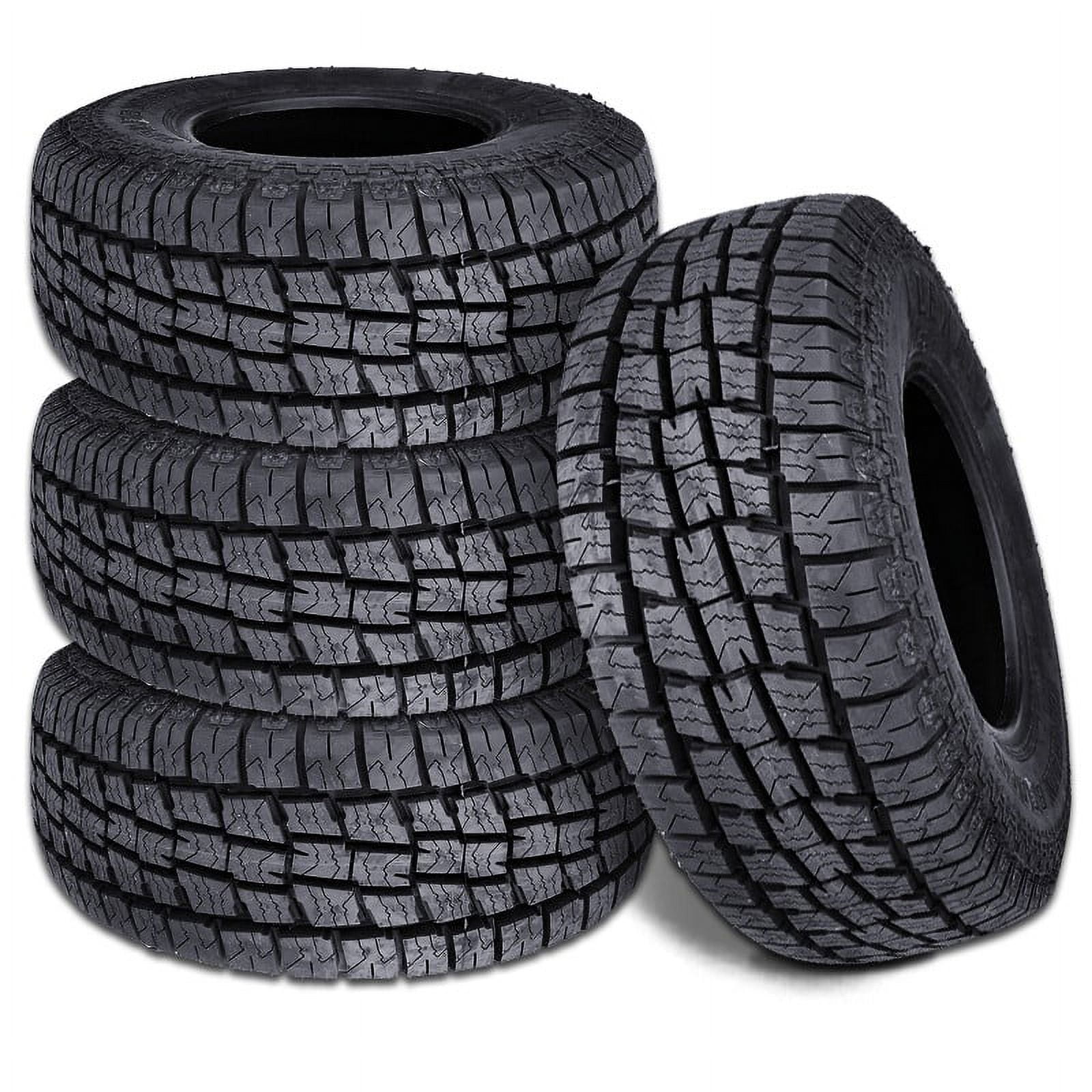
LT stands for Light Truck tires. These tires are made for trucks, SUVs, and vans. They are stronger than regular passenger tires. LT tires have tougher sidewalls and deeper treads. This makes them good for heavy loads and off-road driving.
Typical Uses
LT tires are used mostly on trucks that carry heavy cargo. They work well on construction sites and farms. Many people use them for towing trailers and boats. Off-road drivers prefer LT tires for better grip on dirt and mud. These tires also suit snowy and rough road conditions.
Key Features
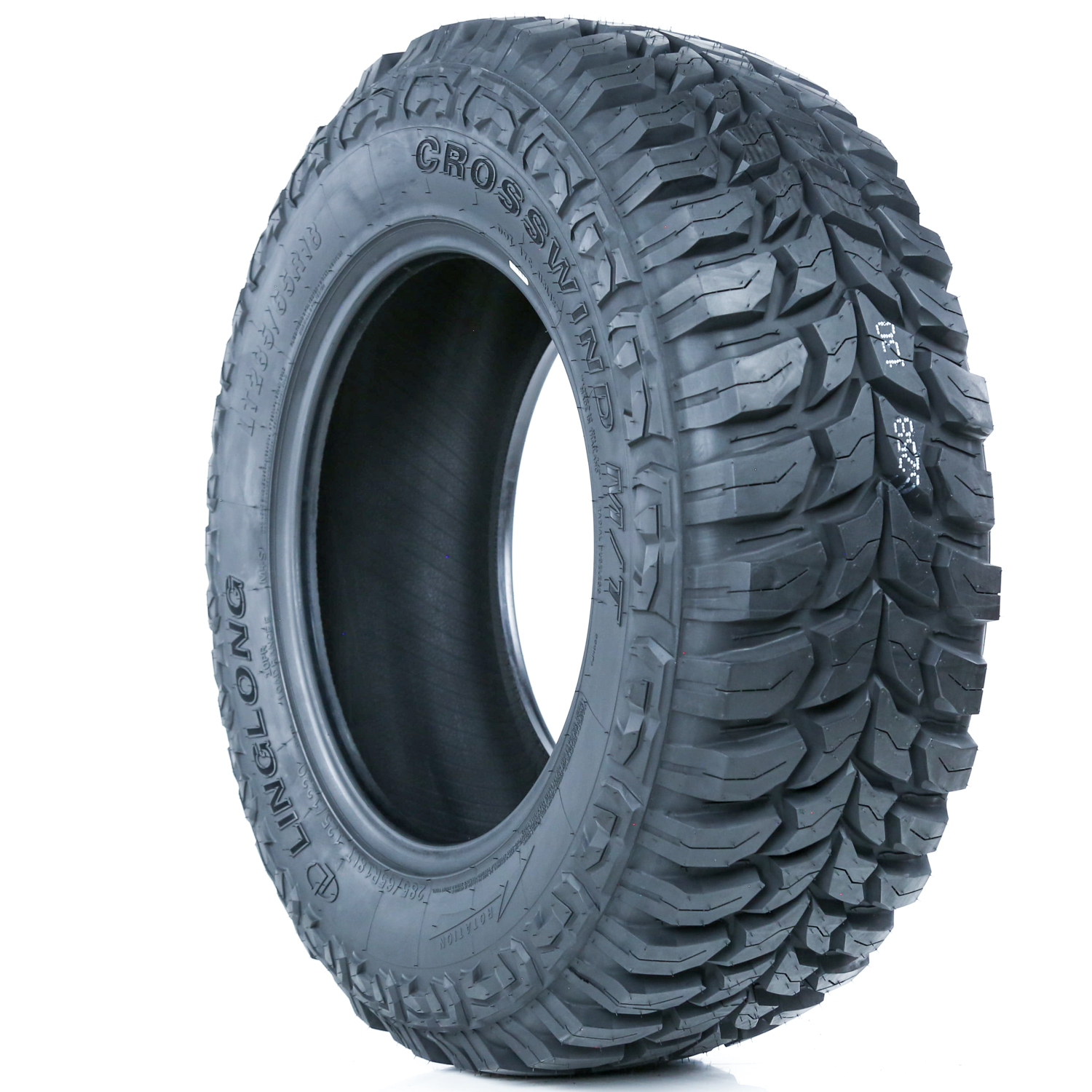
LT tires have thick sidewalls to resist punctures. They carry more weight than regular tires. Their tread designs offer better traction in mud and snow. These tires often have reinforced rubber to last longer. LT tires provide stability and durability for tough jobs.
Credit: www.histamineintolerance.org.uk
E Rated Tires Essentials
E Rated tires play an important role in vehicle safety and performance. They are built to handle heavier loads and higher speeds. Understanding their basics helps in choosing the right tire for your needs.
This section covers what E Rated tires are, where they are used, and their main features. The goal is to give clear and simple facts about these tires.
What Are E Rated Tires
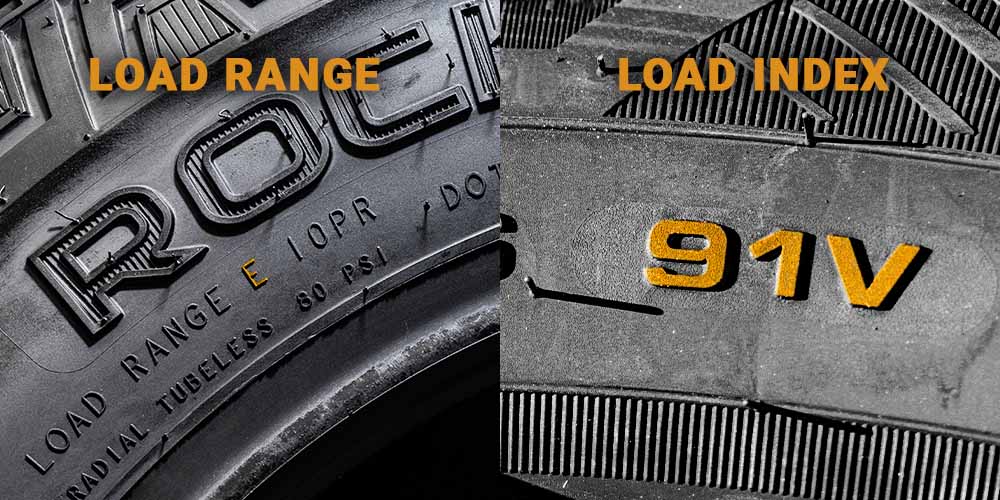
E Rated tires have a load range of E, meaning they support heavy loads. They are stronger than standard tires. The “E” rating shows the tire can carry more weight safely. These tires are made with extra layers for durability. They often have higher pressure limits than other tires.
Common Applications
E Rated tires are common on trucks and large vehicles. They work well on pickups that carry heavy cargo. Many commercial vehicles use them for better load support. They are also found on trailers and some SUVs. Their strength makes them ideal for tough driving conditions.
Main Characteristics
E Rated tires have thick sidewalls and strong tread. They offer better resistance to damage and wear. These tires maintain stability even when fully loaded. They handle rough roads and heavy loads without losing performance. Higher air pressure helps them carry more weight safely.
Performance Comparison
Comparing the performance of LT and E rated tires helps you choose the right tire for your vehicle. Each tire type serves different needs and performs differently on the road. Understanding their traction, load capacity, and durability can guide your decision.
Traction And Grip
LT tires offer strong traction on rough and off-road surfaces. Their deep treads grip dirt, mud, and gravel well. E rated tires focus more on highway use. They have smoother treads that provide good grip on paved roads. For wet conditions, LT tires often handle better due to their aggressive tread design. E rated tires perform well on dry pavement but may slip more on loose surfaces.
Load Capacity
Load capacity is a key difference between LT and E rated tires. LT tires carry heavier loads, designed for trucks and SUVs. They support more weight without losing stability. E rated tires have a lower load rating and suit lighter vehicles. Using the correct load rating ensures safety and tire longevity. Overloading E rated tires can cause damage or blowouts. LT tires provide extra strength for heavy-duty work.
Durability And Wear
Durability varies between LT and E rated tires. LT tires use tougher materials for rough use. They resist cuts and punctures better. These tires wear slower under heavy loads or off-road driving. E rated tires wear faster on rough terrain but perform well on smooth roads. Proper maintenance extends tire life for both types. Choosing the right tire depends on your driving style and conditions.
Credit: www.prioritytire.com
Terrain Suitability
Choosing the right tire depends a lot on the terrain you plan to drive on. Both LT and E rated tires have strengths that suit different surfaces. Knowing these differences helps you pick the best option for your vehicle and needs.
On-road Performance
LT tires offer strong durability for heavy loads on highways. They handle rough roads and long trips well. E rated tires focus more on passenger comfort and smooth rides. They provide better traction on paved streets and city roads.
Off-road Capabilities
LT tires are designed to tackle rough off-road conditions. Their thicker sidewalls resist punctures from rocks and debris. E rated tires are less tough off-road. They work best on mild dirt paths or gravel but may wear quickly on harsh trails.
Weather Adaptability
Both tires perform well in dry conditions. LT tires maintain stability in wet or muddy terrain. Their tread designs help channel water and mud away. E rated tires excel in light rain but may lose grip in heavy mud or snow. Choose based on your usual weather conditions.
Safety Considerations
Safety is the top priority when choosing tires for your vehicle. Both LT (Light Truck) and E-rated tires serve specific purposes. Understanding their safety features helps in making the right choice. This section explores how each tire type affects handling, braking, and heat resistance.
Handling And Stability
LT tires are built for heavy loads and rough roads. They offer strong stability on uneven surfaces. E-rated tires focus on high-speed driving with lighter loads. They provide smooth handling on highways. Choosing the right tire affects your vehicle’s control and safety.
Braking Efficiency
Braking performance changes with tire type. LT tires may take longer to stop due to their size and weight. E-rated tires usually stop quicker on dry and wet roads. Proper braking helps avoid accidents. Matching tires to your driving needs improves safety.
Heat Resistance
Heat buildup can cause tire failure. LT tires handle heat well under heavy loads and slow speeds. E-rated tires resist heat at higher speeds but lighter loads. Correct heat resistance extends tire life and prevents blowouts. This factor is vital for safe driving.
Credit: www.histamineintolerance.org.uk
Cost And Maintenance
Understanding the cost and maintenance of LT and E rated tires helps you choose wisely. These factors affect your budget and tire performance. Knowing the price differences, maintenance needs, and longevity can save you money and time.
Price Differences
LT tires usually cost more than E rated tires. They have stronger materials to carry heavier loads. E rated tires are lighter and less expensive. The price gap depends on brand and size too. Buying LT tires means higher upfront cost but better load support.
Maintenance Needs
LT tires require frequent checks for air pressure and wear. They carry heavy loads and need more care. E rated tires need less frequent maintenance. They work best on lighter vehicles. Proper care extends tire life and ensures safety.
Longevity Factors
LT tires last longer under heavy use. They resist damage from rough roads and weight. E rated tires wear out faster if overloaded. Tire lifespan depends on driving habits and conditions. Regular rotation and balancing improve durability.
Choosing The Right Tire
Choosing the right tire is key to safe and smooth driving. Tires affect your vehicle’s performance, fuel efficiency, and safety. Picking between LT and E rated tires depends on several factors. Understanding these will help you make the best choice for your needs.
Vehicle Type And Usage
LT tires, or Light Truck tires, suit trucks and SUVs that carry heavy loads. They have stronger sidewalls for durability. E rated tires fit trailers and commercial vehicles. These tires handle heavier weights and higher speeds. Match the tire to your vehicle’s weight and purpose.
Driving Conditions
Consider the roads and weather you face most. LT tires perform well on rough, off-road paths. They offer better traction on dirt and gravel. E rated tires excel on highways and paved roads. They provide stability during long-distance travel and heavy towing.
Personal Preferences
Think about comfort and noise. LT tires might be louder due to their tough design. E rated tires often run quieter on smooth surfaces. Also, check tire cost and lifespan. Choose the tire that fits your budget and driving style best.
Frequently Asked Questions
What Is The Difference Between Lt And E Rated Tires?
LT tires are designed for light trucks and heavier loads. E rated tires have a specific load and speed rating for commercial use. LT tires focus on durability, while E rated tires emphasize load capacity and speed limits.
Are Lt Tires Suitable For Off-road Driving?
Yes, LT tires are often built with stronger sidewalls and tread patterns. This makes them ideal for off-road conditions and rough terrains, providing better traction and durability compared to standard tires.
Can E Rated Tires Be Used On Passenger Vehicles?
E rated tires are mainly for commercial trucks and heavy-duty vehicles. Using them on passenger cars is not recommended due to their stiffness, weight, and load specifications which may affect ride comfort and safety.
How Do Load Ratings Differ In Lt Vs E Tires?
LT tires have higher load-carrying capacities than regular tires but vary by size. E rated tires have a standardized load range rating (E) indicating maximum load and pressure, making them suitable for heavy loads.
Conclusion
Choosing between LT and E rated tires depends on your vehicle and needs. LT tires suit heavy loads and off-road driving better. E rated tires work well for lighter trucks and everyday use. Check your vehicle’s manual for the right fit.
Using the correct tire improves safety and performance. Remember, tires affect how your vehicle handles and stops. Take time to pick the best option for your driving style. This small choice makes a big difference on the road.