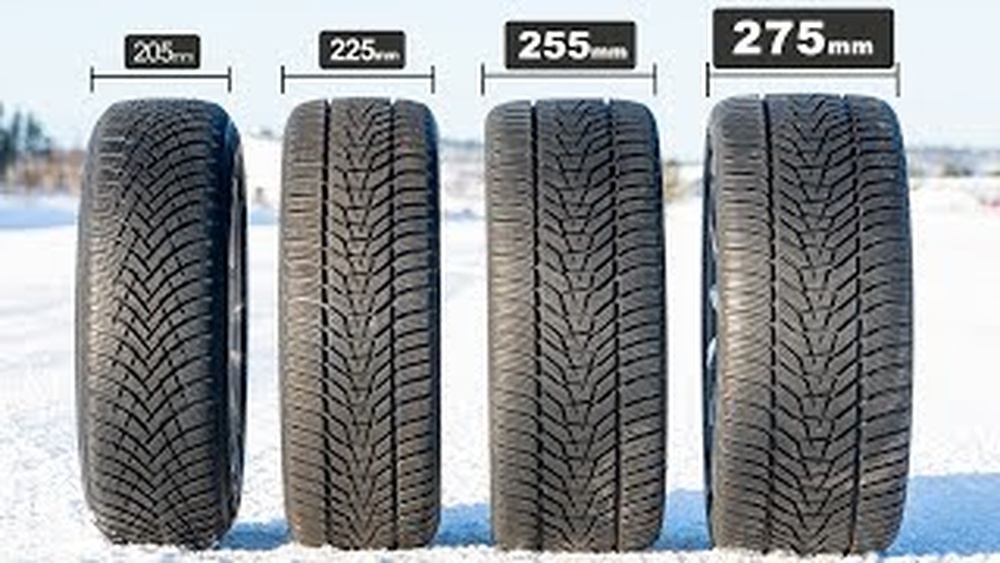
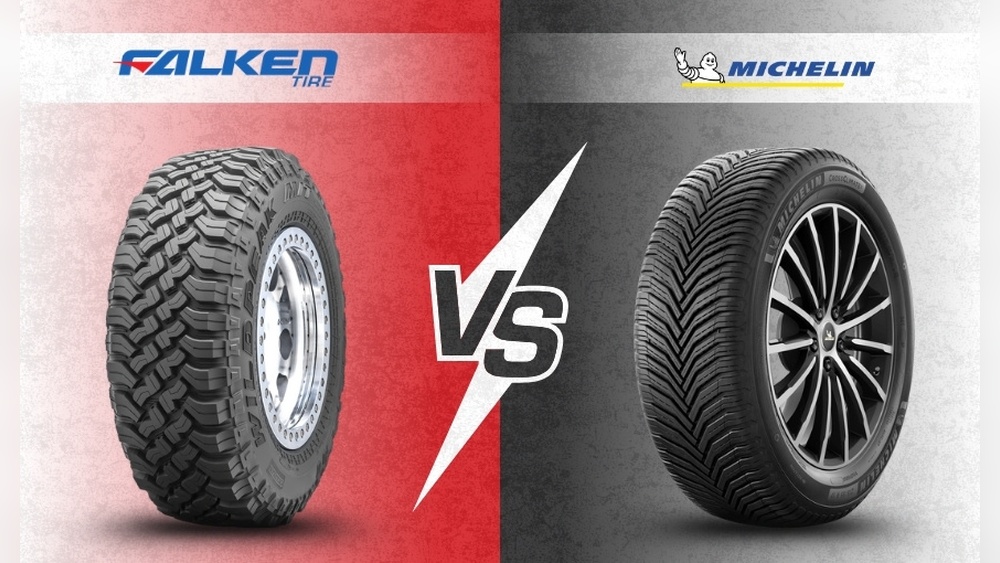
Choosing the right tires can make a huge difference in your safety and driving comfort during winter. If you’re torn between the Michelin Crossclimate 2 and traditional winter tires, you’re not alone.
You want tires that handle icy roads, snowy streets, and cold weather without sacrificing performance on dry pavement. This article will help you understand the key differences so you can make the best choice for your car and your peace of mind.
Keep reading to find out which tires truly fit your winter driving needs.
Credit: forums.redflagdeals.com
Tire Types And Design
Tire types and design play a big role in how a tire performs. Choosing the right tire helps you drive safely in different weather. The Michelin Crossclimate 2 and winter tires differ in many ways. These differences affect grip, comfort, and control. Understanding these can help you decide which tire suits your needs best.
All-season Vs Winter Tires
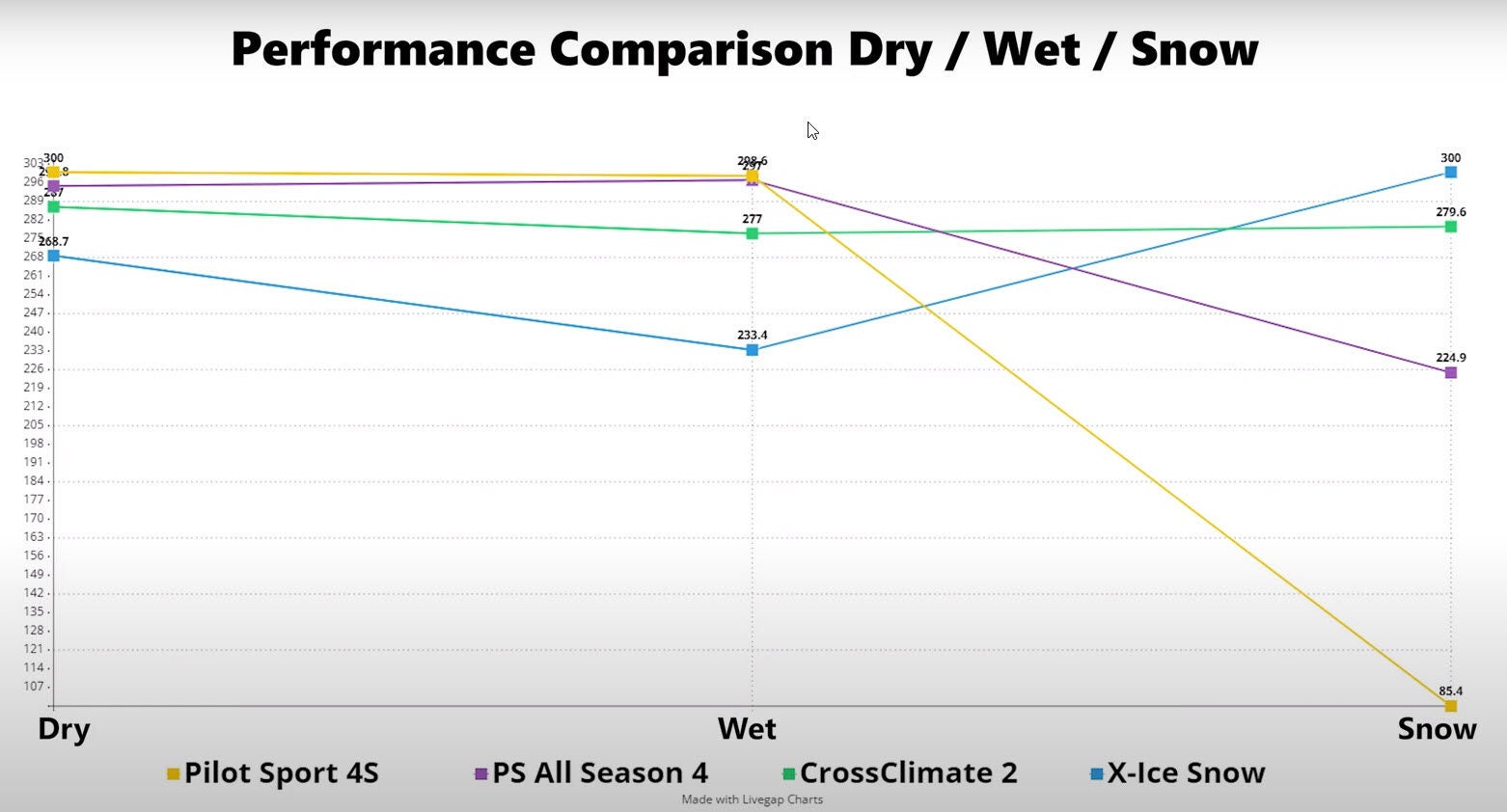
All-season tires like the Michelin Crossclimate 2 work in many weather conditions. They handle dry, wet, and light snow roads well. Winter tires focus only on cold weather and heavy snow. They stay soft in cold temperatures to keep grip. All-season tires harden in cold, reducing traction. Winter tires offer better control on ice and snow. All-season tires give more comfort and longer use in mild weather.
Tread Patterns And Compounds
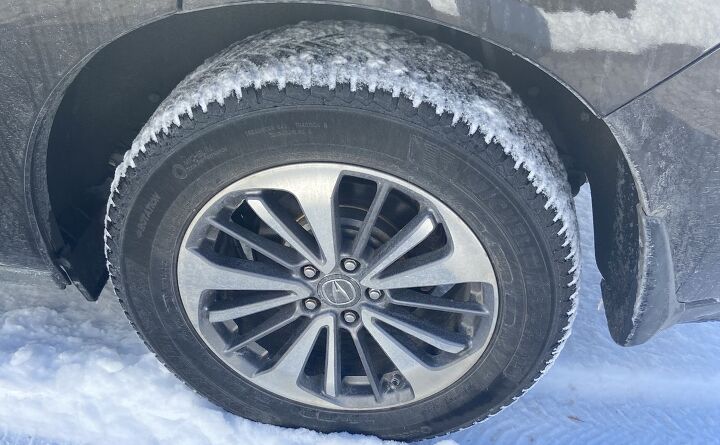
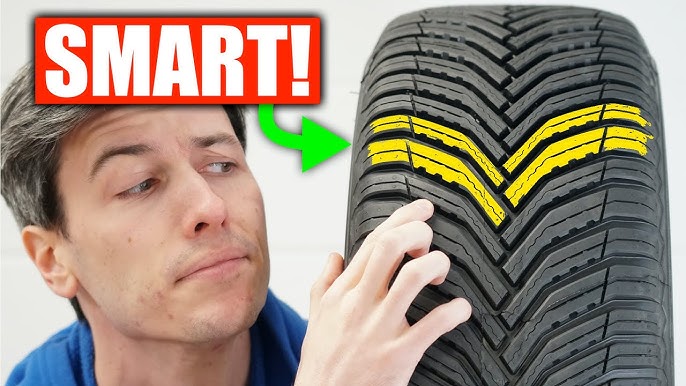
Tread patterns affect how tires grip the road. Winter tires have deep grooves and many sipes. These features help channel snow and water away. They bite into ice and snow for better hold. The Michelin Crossclimate 2 has a special V-shaped tread. It balances grip on dry roads and light snow. Tire compounds also matter. Winter tires use softer rubber to stay flexible. The Crossclimate 2 uses a tougher compound for durability. This means winter tires work best in cold. Crossclimate 2 is better for year-round use.
Credit: www.autoguide.com
Performance On Snow And Ice
Driving on snow and ice demands tires that offer strong grip and control. Both the Michelin Crossclimate 2 and winter tires target these conditions but differ in performance. Understanding how each tire handles traction, braking, and stability helps choose the right option for safe winter driving.
Traction And Braking
The Michelin Crossclimate 2 uses a special rubber compound that stays flexible in cold weather. It grips snowy roads well but can struggle on thick ice patches. Winter tires have deeper tread and more biting edges for better grip on snow and ice. They provide shorter braking distances on icy roads than the Crossclimate 2. This difference matters on slippery surfaces where quick stops are essential.
Handling And Stability
The Crossclimate 2 offers good stability on dry and wet roads in winter. Its design allows smooth cornering on light snow. Winter tires excel in deep snow and icy turns. They keep the vehicle steady with enhanced tread patterns and softer rubber. This makes winter tires more reliable for handling sharp curves and uneven icy surfaces.
Wet And Dry Road Performance
Wet and dry road performance is a key factor in choosing tires. It affects safety, comfort, and control. Both Michelin Crossclimate 2 and winter tires offer unique features for these conditions. Understanding their strengths helps make a better choice for your driving needs.
Hydroplaning Resistance
Hydroplaning happens when water builds between tire and road. It causes loss of control. Crossclimate 2 has deep grooves to channel water away. This reduces hydroplaning risk on wet roads.
Winter tires also have good water evacuation. But their main focus is snow and ice traction. Some models may not perform as well on heavy rain. Crossclimate 2 often offers better hydroplaning resistance in rain.
Cornering And Grip
Cornering requires strong grip to keep the vehicle stable. Crossclimate 2 uses special rubber that stays flexible in warm and cold. It provides good grip on dry and wet roads.
Winter tires excel on slippery surfaces like ice and snow. Their softer rubber and tread patterns boost grip in cold weather. On dry roads, winter tires can feel less stable and wear faster.
For everyday driving in changing weather, Crossclimate 2 offers balanced cornering and grip. Winter tires are best if snow and ice are common in your area.
Durability And Wear
Durability and wear are key factors to consider when choosing between Michelin Crossclimate 2 and winter tires. Tires must last through many miles and tough conditions. Strong tires save money and give peace of mind.
Both tire types offer good durability but differ in design and materials. These differences affect how long they last and how well they resist damage. Understanding these aspects helps pick the right tire for your needs.
Tread Life Comparison
Michelin Crossclimate 2 tires have a longer tread life than many winter tires. They use a special rubber compound that stays strong on hot and cold roads. This means they wear slower and last through more miles.
Winter tires wear faster because their soft rubber suits cold, snowy conditions. On dry or warm roads, they lose tread quickly. Crossclimate 2 tires offer better balance for all seasons, extending tread life.
Resistance To Damage
Crossclimate 2 tires resist cuts and chips better than most winter tires. Their tougher sidewalls protect against sharp objects on the road. This durability reduces chances of punctures and tire damage.
Winter tires focus on grip, so their rubber is softer and more prone to damage. They can suffer from cracks or tears on rough surfaces. Crossclimate 2 tires handle rough roads with less risk of harm.
Comfort And Noise Levels
Comfort and noise levels matter a lot when choosing tires. They affect the driving experience every day. Tires that are quiet and smooth make trips more pleasant. Let’s explore how Michelin Crossclimate 2 compares with winter tires in these areas.
Comfort On Different Roads
Michelin Crossclimate 2 offers a smooth ride on dry and wet roads. It absorbs bumps well and reduces vibrations. Winter tires focus on traction and may feel stiffer. This stiffness can lead to a rougher ride on paved roads.
Crossclimate 2 balances grip and comfort. It suits drivers who want all-season use with less harshness. Winter tires work best on snow but can be less comfy elsewhere.
Noise Levels During Driving
Crossclimate 2 tends to be quieter on highways and city streets. Its tread design reduces road noise significantly. Winter tires have aggressive patterns that often increase noise. This noise can become tiring on long drives.
For those sensitive to sound, Crossclimate 2 offers a calmer cabin. Winter tires might cause more sound inside the car. Noise level differences matter for daily commuting and long trips.
Impact Of Temperature On Comfort
Cold weather can stiffen winter tires, affecting ride smoothness. Crossclimate 2 keeps flexibility in various temperatures. This flexibility helps maintain comfort during changing weather.
Winter tires excel on ice and snow but may feel harsh on cold dry roads. Crossclimate 2 provides a softer feel in cold but dry conditions.
Credit: www.youtube.com
Price And Value
Price and value are important factors to consider when choosing between Michelin Crossclimate 2 and winter tires. Your budget and how long you plan to use the tires affect the best choice. Understanding the costs helps you make a smart decision.
Initial Cost
Michelin Crossclimate 2 tires usually cost more upfront. They combine summer and winter features in one tire. Winter tires tend to be cheaper per set. But you need to buy a second set for other seasons. This adds to the total cost.
Long-term Investment
Crossclimate 2 tires can save money over time. They last through multiple seasons without changing. This reduces installation and storage fees. Winter tires wear out faster in warm weather. You must replace them more often. Using two sets means more expenses. Think about how long you drive each year. This helps decide which option saves money in the long run.
Ideal Usage Scenarios
Choosing the right tires depends on where and how you drive. Both Michelin Crossclimate 2 and winter tires have strengths that fit different needs. Understanding their ideal usage helps you pick the best option for safety and performance.
Climate Considerations
Michelin Crossclimate 2 tires work well in mild winter conditions. They handle light snow and wet roads effectively. These tires suit regions with occasional cold spells and little ice.
Winter tires excel in harsh winter climates. They offer better grip on deep snow and ice. These tires are best for areas with long, cold winters and heavy snowfall.
Driving Habits
Crossclimate 2 suits drivers who want one tire year-round. It reduces the need to change tires each season. Ideal for daily commuting and city driving in varied weather.
Winter tires fit drivers who face extreme winter roads. They provide maximum safety during icy or snowy trips. Perfect for those who drive in rural or mountainous areas often.
Frequently Asked Questions
What Are The Main Differences Between Crossclimate 2 And Winter Tires?
CrossClimate 2 offers year-round use with good snow traction. Winter tires excel in extreme cold and deep snow. CrossClimate 2 balances performance on dry, wet, and snowy roads, while winter tires focus solely on winter conditions for maximum grip.
Is Michelin Crossclimate 2 Suitable For Harsh Winter Conditions?
CrossClimate 2 performs well in mild to moderate winter weather. It handles light snow and cold temperatures effectively. However, for severe ice and deep snow, dedicated winter tires provide better safety and traction.
Can Michelin Crossclimate 2 Replace Winter Tires Completely?
CrossClimate 2 can replace winter tires in regions with mild winters. It offers convenience and good all-season performance. In areas with heavy snow and ice, winter tires are still recommended for optimal safety.
How Does Crossclimate 2 Perform On Dry And Wet Roads?
CrossClimate 2 excels on dry and wet surfaces with strong grip and handling. Its unique tread design provides excellent braking and stability. Winter tires may underperform in these conditions due to softer rubber.
Conclusion
Choosing between Michelin Crossclimate 2 and winter tires depends on your needs. Crossclimate 2 works well in mild winter and all seasons. Winter tires perform better on snow and ice. Both offer safety and good grip. Consider your local weather and driving habits.
This helps you pick the right tire for you. Stay safe and enjoy your drive all year round.