Choosing the right tires for your car can feel overwhelming. You want the best grip, safety, and comfort no matter the road or weather.
But should you go for performance tires or all season tires? The decision you make affects how your car handles, how safe you feel, and even your wallet in the long run. You’ll discover the key differences between performance and all season tires, so you can pick the perfect match for your driving style and needs.
Keep reading to find out which tire will give you the confidence and control you deserve every time you hit the road.
Tire Types At A Glance
Tires play a key role in your car’s safety and performance. Choosing the right tire type affects how your car handles different road and weather conditions. Two common types are performance tires and all season tires. Each has unique features that suit different driving needs. Understanding these traits helps you pick the best option for your vehicle.
This section breaks down the main traits of performance tires and the characteristics of all season tires. It gives a clear view of what to expect from each type.
Traits Of Performance Tires
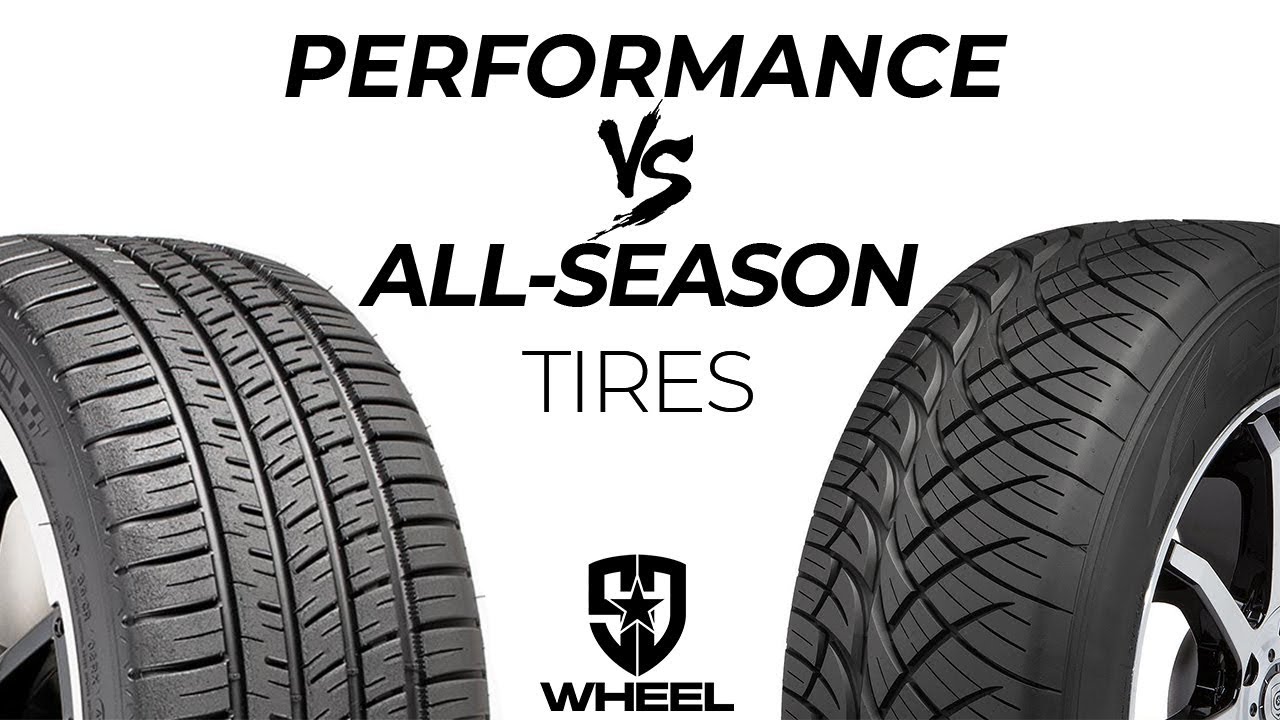
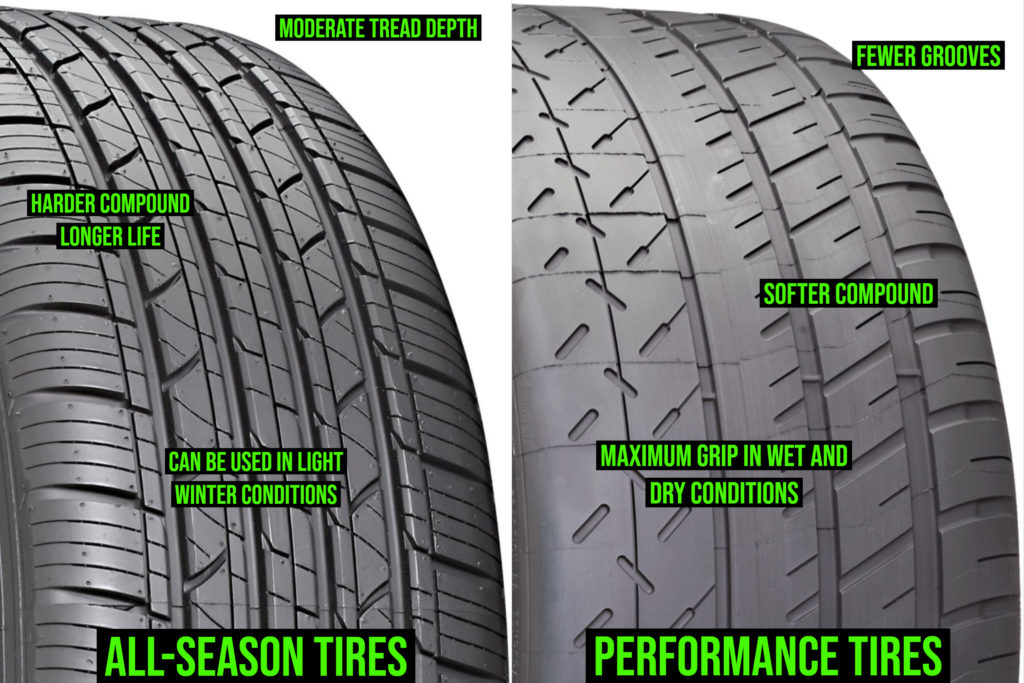
Performance tires are made for speed and control. They provide excellent grip on dry and wet roads. These tires have a softer rubber compound. This helps the tire stick better to the road surface. They also have a tread pattern designed for quick cornering and fast stops.
Performance tires usually wear out faster than other types. Their focus is on handling and traction rather than long life. They work best in warm weather but can struggle in cold or snowy conditions.
Characteristics Of All Season Tires
All season tires offer a balance of grip, comfort, and durability. They have a harder rubber compound than performance tires. This helps them last longer and perform well in various weather conditions.
The tread pattern on all season tires is designed to handle rain, light snow, and dry roads. They provide a smooth ride and good fuel efficiency. These tires are a good choice for drivers who want one set for most seasons.
Credit: www.youtube.com
Grip On Dry Roads
Grip on dry roads is very important for safe and smooth driving. Tires affect how well your car sticks to the road. Good grip helps with faster turns and shorter stops. Both performance and all season tires offer grip, but they do it differently. Understanding these differences can help you choose the right tires for your needs.
Performance Tire Advantages
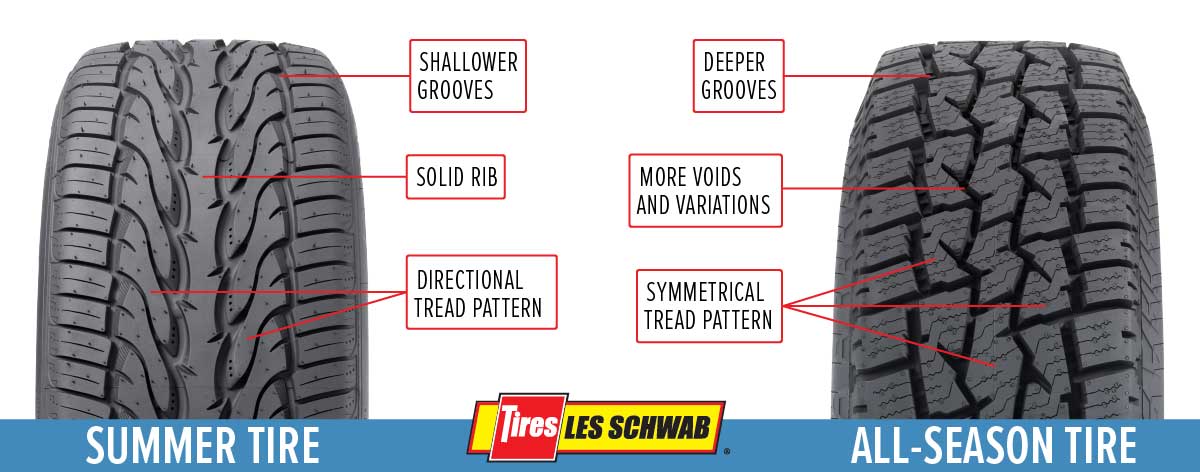
Performance tires use softer rubber compounds. This makes them stick better to dry pavement. They have wider tread blocks for a larger contact area. This design increases traction and improves handling. Performance tires provide sharper steering response. Drivers feel more control during fast driving. They also have fewer grooves, which means more rubber touches the road. This enhances grip and cornering ability.
All Season Tire Capabilities
All season tires use a harder rubber mix. This helps them last longer on dry roads. Their tread design balances grip and durability. They include more grooves to handle wet and light snow conditions. These grooves can slightly reduce grip on dry roads. Still, all season tires provide stable and safe traction. They offer good grip for everyday driving needs. Ideal for drivers who want one tire for all weather.
Handling Wet Conditions
Handling wet conditions is crucial for safe driving. Tires must keep good contact with the road. Slipping or hydroplaning can cause accidents. Choosing the right tire affects control on wet roads.
Water Dispersion And Traction
Performance tires often have special grooves to push water away. This reduces water buildup under the tire. Less water means better grip on wet surfaces. All season tires also have water channels but they are less aggressive. Traction depends on how well the tire clears water and touches the road. Performance tires usually offer sharper handling in rain.
Safety Features In Wet Weather
Many tires include features to improve safety in wet weather. Anti-hydroplaning designs help keep tires on the road. Rubber compounds in performance tires may stay softer, improving grip. All season tires balance wet safety with dry and cold weather use. Both types aim to reduce stopping distance on wet roads. Proper tire choice boosts confidence and reduces risk in rain.
Credit: www.lesschwab.com
Snow And Ice Performance
Snow and ice create tough driving conditions. Tires must grip well to keep control. Choosing the right tire affects safety and performance on slippery roads. Performance tires and all season tires behave very differently in cold weather.
Performance Tire Limitations
Performance tires use soft rubber for better grip on dry roads. This rubber hardens in cold weather. On snow and ice, they lose traction quickly. Tread patterns are shallow and smooth. This reduces their ability to channel snow and water away. Stopping distances on ice become longer. Turning and braking feel less stable. They are not made for winter weather challenges.
All Season Tire Adaptability
All season tires use harder rubber compounds. They stay flexible in colder temperatures. Tread designs have deeper grooves and more siping. These features help grip snow and ice better. All season tires can handle light winter conditions. They provide more control on wet, snowy roads. While not as specialized as winter tires, they offer safer rides in mixed weather.
Durability And Wear
Durability and wear are key factors when choosing tires. Tires must handle different road conditions and last through many miles. Understanding how long tires last helps you make smart choices. Performance and all season tires wear differently. This affects how often you need replacements.
Lifespan Of Performance Tires
Performance tires focus on grip and speed. They use softer rubber for better traction. This rubber wears out faster than other types. Drivers may see less than 30,000 miles from performance tires. High speeds and sharp turns increase wear. These tires need careful driving to last longer.
Longevity Of All Season Tires
All season tires use harder rubber. This material lasts longer on many road surfaces. These tires often reach 50,000 miles or more. They balance wear with good performance in various weather. All season tires suit everyday driving and longer trips. Regular maintenance helps extend their life.
Impact On Fuel Efficiency
Fuel efficiency is an important factor for many drivers. Tires affect how much fuel a vehicle uses. Different types of tires can change the distance a car travels on a gallon of gas. Understanding the impact of performance tires and all-season tires helps in choosing the right option.
Tire design, tread patterns, and rubber compounds all play roles. These features influence rolling resistance and grip on the road. Rolling resistance is the force that tires need to keep moving. Higher rolling resistance means the engine works harder, using more fuel.
Rolling Resistance Differences
Performance tires usually have softer rubber and wider tread blocks. These features improve grip but increase rolling resistance. Higher rolling resistance lowers fuel efficiency.
All-season tires have harder rubber and narrower tread blocks. This design reduces rolling resistance, improving fuel economy. They offer a balance between grip and fuel savings.
Weight And Fuel Consumption
Performance tires tend to be heavier than all-season tires. Extra weight means the engine needs more power to move the car. This leads to higher fuel consumption.
All-season tires are generally lighter. Less weight helps the vehicle use fuel more efficiently. This is helpful for daily driving and long trips.
Driving Conditions And Tire Choice
Performance tires excel in dry and wet conditions but may waste fuel in stop-and-go traffic. All-season tires perform well in varied weather and keep fuel use steady.
Choosing the right tire depends on driving style and road conditions. For better fuel efficiency, all-season tires often provide an advantage.
Cost Considerations
Cost is an important factor when choosing between performance and all-season tires. Understanding the expenses helps you make a better choice for your budget. This section breaks down the main costs involved.
Initial Purchase Price
Performance tires usually cost more than all-season tires. They use special materials and designs for better grip and speed. This raises their price at the store.
All-season tires are made for durability and versatility. They tend to be cheaper at the start. This makes them a good option for daily drivers.
Maintenance And Replacement Costs
Performance tires wear out faster due to softer rubber. This means you replace them more often. The cost to maintain them, including balancing and alignment, can add up.
All-season tires last longer because they use harder rubber. They need less frequent replacement. Maintenance costs tend to be lower with these tires.
Choosing Based On Driving Needs
Choosing the right tires depends on your driving needs. Different tires suit different styles and conditions. Knowing your daily routes and weather helps you pick the best option. This section explains how to choose between performance and all-season tires based on your driving habits.
City And Highway Driving
For city and highway driving, comfort and durability matter. All-season tires provide a smooth ride and last longer on paved roads. They handle wet and dry surfaces well. These tires reduce road noise, making long drives pleasant. Performance tires may wear faster in stop-and-go traffic. All-season tires suit drivers with daily commutes and highway trips.
Performance And Sport Enthusiasts
Performance tires offer better grip and handling. Sporty drivers enjoy sharper turns and faster response. These tires improve braking on dry roads. They work best in mild weather and dry conditions. Performance tires may not be ideal for rough or snowy roads. Drivers who like speed and control often choose these tires.
Climate And Seasonal Factors
Climate plays a big role in tire choice. All-season tires handle a variety of weather, including light snow. They are versatile for places with mild winters. Performance tires excel in warm, dry climates. They lose grip in cold or icy conditions. Consider your local weather before picking tires.
Credit: www.wheelhero.com
Frequently Asked Questions
What Are The Main Differences Between Performance And All Season Tires?
Performance tires offer better grip and handling in dry and wet conditions. All season tires provide balanced traction for various weather, including light snow. Performance tires prioritize speed and responsiveness, while all season tires focus on versatility and durability.
Which Tire Type Is Better For Winter Driving Conditions?
All season tires are generally better for mild winter conditions due to their tread design. However, performance tires may struggle on ice and snow. For severe winter weather, dedicated winter tires are recommended for optimal safety and control.
Can Performance Tires Be Used Year-round Safely?
Performance tires can be used year-round in mild climates but may wear faster. They lack traction in cold or snowy conditions compared to all season tires. For consistent safety, all season tires are more practical in varied weather.
How Do All Season Tires Impact Fuel Efficiency Compared To Performance Tires?
All season tires often provide better fuel efficiency due to their harder rubber compounds. Performance tires have softer compounds, increasing rolling resistance and fuel consumption. Choosing all season tires can help save fuel over time.
Conclusion
Choosing between performance and all-season tires depends on your needs. Performance tires offer better grip and handling on dry roads. All-season tires provide safety and comfort in varied weather. Think about your driving habits and local climate. Regular tire checks keep your vehicle safe.
Good tires help you drive with confidence and control. Select the right type for smooth, secure rides all year.