When it comes to choosing the right tires for your vehicle or equipment, you might wonder which option suits you best: pneumatic tires or solid tires. Each type has its own strengths and weaknesses that can affect your comfort, performance, and safety.
If you want to make a smart decision that saves you time and money, understanding the key differences is crucial. Keep reading to discover how these tires work, what benefits they offer, and which one fits your needs perfectly. Your next ride could depend on it.
Pneumatic Tires Basics
Pneumatic tires are a popular choice for many vehicles. They use air to provide cushioning and support. This makes rides smoother on rough roads. Understanding their basics helps you see why they are widely used.
These tires offer flexibility and better grip. They adapt well to different surfaces. Their design plays a key role in their performance.
Design And Structure
Pneumatic tires have a hollow center filled with air. The outer part is made of rubber. Inside, layers called plies add strength and shape. The air inside acts as a cushion. It absorbs shocks from bumps and holes. This design helps improve comfort and control.
Common Uses
Pneumatic tires are common on cars, bikes, and trucks. They work well on paved and rough roads. These tires are chosen for speed and smooth rides. They also appear on some industrial machines. Their ability to handle different surfaces makes them popular.
Material Composition
The main material is rubber, which provides grip and durability. Inside, steel or fabric belts add strength. The air chamber is made from tough rubber or nylon. These materials work together to keep the tire strong. They also help prevent punctures and wear.

Credit: www.isinwheel.com
Solid Tires Basics
Solid tires are a popular choice for many vehicles and machines. They offer durability and require low maintenance. Understanding their basics helps choose the right tire for your needs. This section explains their design, uses, and materials.
Design And Structure
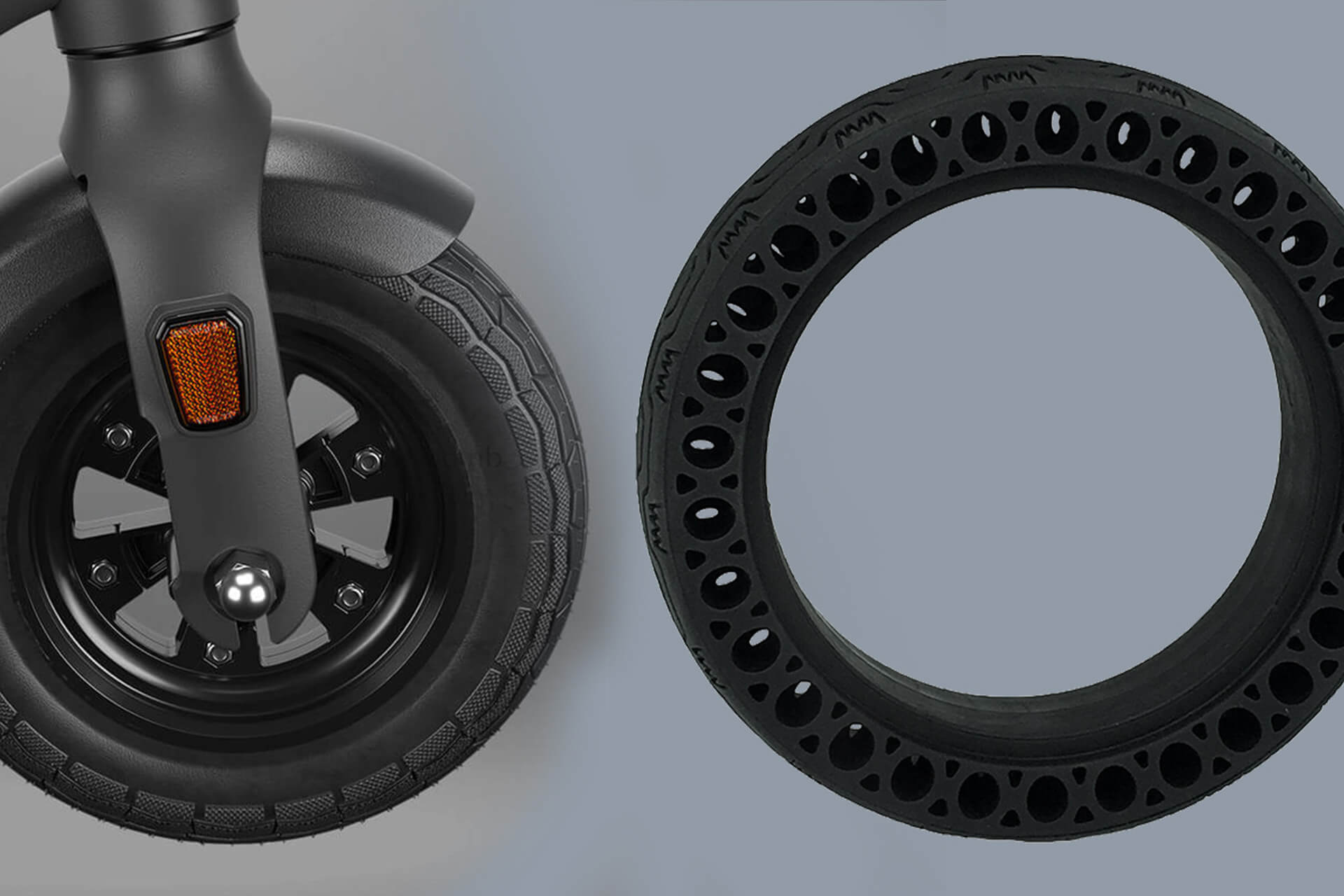
Solid tires are made from a single piece of rubber or similar material. They do not have air inside like pneumatic tires. This solid build gives them a tough and sturdy feel. Their shape is similar to regular tires but without the need to inflate. The solid structure helps resist punctures and damage.
Common Uses
Solid tires are often used on forklifts, carts, and small industrial vehicles. They work well on rough or sharp surfaces where punctures are common. These tires suit indoor and outdoor use. They provide good stability and support heavy loads without changing shape.
Material Composition
Solid tires are made from rubber compounds mixed with fillers. Some include synthetic rubber for extra strength. They may also have layers of fabric or steel for reinforcement. The materials make tires hard and durable. This mix helps tires resist wear and tear over time.
Performance Factors
Performance factors play a key role in choosing between pneumatic and solid tires. These factors affect how the tires handle different surfaces and conditions. Understanding these helps in picking the right tire for your needs.
Shock Absorption
Pneumatic tires excel in shock absorption. They use air to cushion impacts from bumps and rough roads. This makes rides smoother and reduces wear on machinery. Solid tires lack this air cushion, so they transfer more shocks to the vehicle. This can lead to a rougher ride and more strain on parts.
Traction And Grip
Pneumatic tires offer better traction on uneven or loose surfaces. Their flexible sidewalls help maintain contact with the ground. Solid tires provide good grip on hard, flat surfaces but struggle on rough or slippery terrain. The choice depends on the surface where the tires will be used most.
Durability
Solid tires are highly durable and resist punctures well. They last longer in harsh environments and reduce downtime. Pneumatic tires are more prone to punctures and require frequent maintenance. Their lifespan depends on road conditions and load but generally is shorter than solid tires.
Credit: gotrax.com
Maintenance And Repairs
Maintenance and repairs are important factors when choosing between pneumatic and solid tires. Each type requires different care and has unique repair needs. Understanding these differences helps in managing costs and downtime effectively.
Routine Maintenance
Pneumatic tires need regular air pressure checks. Low pressure causes poor performance and faster wear. They also require inspection for punctures and cuts. Solid tires do not need air checks or inflation. Cleaning and checking for cracks is usually enough. Solid tires need less daily maintenance overall.
Repair Costs
Repairing pneumatic tires can be costly. Puncture repairs and air leaks are common issues. Sometimes, tire replacement is necessary after damage. Solid tires rarely need repairs. They resist cuts and punctures well. When solid tires wear out, replacement is the main cost.
Lifespan Expectations
Pneumatic tires generally last less time than solid tires. Rough surfaces and sharp objects reduce their life. Solid tires last longer in harsh environments. They handle heavy loads without damage. Choosing the right tire type affects how often replacements happen.
Cost Comparison
Cost is a key factor when choosing between pneumatic and solid tires. Understanding the price differences helps buyers make smart decisions. Both types have unique costs at purchase and over time. This section breaks down these costs clearly.
Initial Purchase Price
Pneumatic tires usually cost less upfront. They are made from rubber and filled with air. This makes them cheaper to produce. Solid tires are more expensive at first. They are made of solid rubber or polyurethane. This adds to their price. Buyers may pay more initially for solid tires.
Long-term Expenses
Pneumatic tires need more maintenance. They can get punctures and require frequent repairs. This adds to long-term costs. Solid tires last longer and resist damage. They need less repair and replacement. This reduces expenses over time. Choosing solid tires can save money in the long run.
Environmental Impact
The environmental impact of tires matters a lot. Tires affect the earth from production to disposal. Choosing between pneumatic and solid tires means thinking about their effect on nature. Both types have different footprints on resources and waste. Understanding these differences helps in making better choices for the planet.
Material Sustainability
Pneumatic tires use rubber, fabric, and air inside. The rubber often comes from natural or synthetic sources. Synthetic rubber comes from petroleum, a non-renewable resource. Solid tires usually contain more rubber and other tough materials. They last longer but use more raw materials upfront. Manufacturing both types needs energy and chemicals, impacting the environment.
Disposal And Recycling
Tires create waste when no longer usable. Pneumatic tires can be recycled into playground surfaces or road materials. Solid tires are harder to recycle due to their dense structure. Many old tires end up in landfills, causing pollution. Recycling programs exist but vary by location. Proper disposal reduces harm to soil and water.
Choosing The Right Tire
Choosing the right tire is key for safety and performance. Tires affect how a vehicle moves and handles. Picking the best type depends on many factors. Knowing these helps make a smart choice.
Two main types are pneumatic and solid tires. Each works well in certain situations. Understanding their differences helps find the best fit for your needs.
Application Considerations
Think about what the tire will be used for. Pneumatic tires suit vehicles that need smooth rides. They absorb shocks and handle rough roads well. Solid tires fit heavy loads and rough work sites. They resist punctures and last longer in tough use.
Terrain And Conditions
Consider the ground where the tire will run. Pneumatic tires perform best on paved or uneven surfaces. They offer good traction and comfort. Solid tires work well on hard, flat surfaces. They handle debris and sharp objects without damage.
Budget And Priorities
Cost matters in choosing tires. Pneumatic tires usually cost less upfront but need more care. They may require repairs or replacements sooner. Solid tires cost more at first but save money over time. They reduce downtime and repair costs in busy environments.

Credit: www.youtube.com
Frequently Asked Questions
What Are The Main Differences Between Pneumatic And Solid Tires?
Pneumatic tires are air-filled, offering better shock absorption and comfort. Solid tires are made of solid rubber, providing durability and puncture resistance but less cushioning.
Which Tire Type Is Better For Rough Terrain?
Pneumatic tires perform better on rough terrain due to their flexibility and shock absorption. Solid tires are better suited for smooth, hard surfaces.
How Does Maintenance Differ Between Pneumatic And Solid Tires?
Pneumatic tires require regular air pressure checks and repairs for punctures. Solid tires need minimal maintenance as they cannot go flat or puncture.
Are Solid Tires More Cost-effective Than Pneumatic Tires?
Solid tires last longer and reduce downtime, making them cost-effective for heavy-duty use. Pneumatic tires may need frequent replacements and repairs.
Conclusion
Choosing between pneumatic and solid tires depends on your needs. Pneumatic tires offer a smooth ride and better grip. Solid tires last longer and need less care. Each type suits different surfaces and uses. Think about where you will drive and how often.
Your choice affects comfort, safety, and cost. Both tire types have clear benefits and limits. Pick the one that fits your situation best. Simple and smart decisions make a big difference.