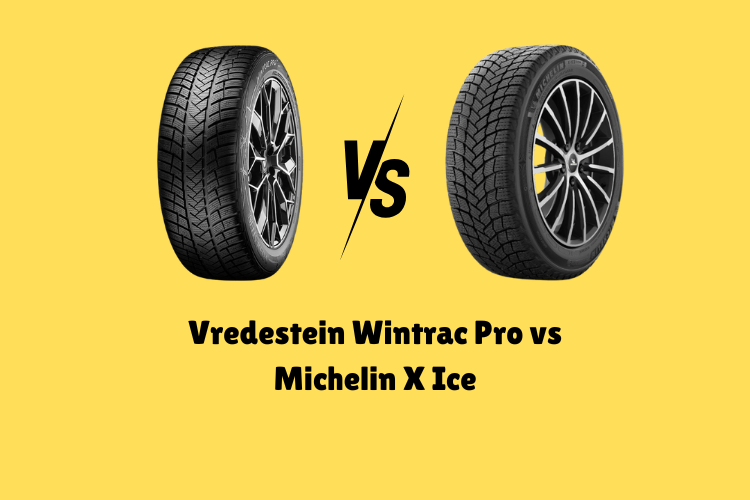
Choosing the right tires for your vehicle can make all the difference in your driving experience. When you’re deciding between Vredestein tires and Michelin, you want to know which brand offers the best safety, comfort, and value for your money.
This isn’t just about getting from point A to B—it’s about how confident and secure you feel behind the wheel. Keep reading to discover how these two tire giants stack up, so you can make the best choice for your car and your peace of mind.
Credit: vehicleindoor.com
Brand Histories
Tires are more than just rubber. Their brands tell stories of skill and trust. Understanding the history of Vredestein and Michelin helps you see their strengths. Both brands have long roots in the tire world. Their past shapes their quality and design today.
Vredestein Origins
Vredestein started in the Netherlands in 1909. It began as a small rubber factory. The company focused on making tires for cars and bicycles. Over time, Vredestein grew by adding new technology and design. It became known for stylish, safe tires. The brand mixes Dutch design with solid performance. Today, Vredestein serves drivers who want quality and comfort.
Michelin Legacy
Michelin began in France in 1889. The founders, two brothers, aimed to improve travel safety. They created the first removable tire, a big step forward. Michelin grew fast by pushing tire innovation. The brand is famous for high performance and long life. It also made maps and guides for travelers. Michelin’s legacy is built on strong science and trust. The brand leads in many tire markets worldwide.

Credit: www.youtube.com
Tire Technology
Tire technology shapes how tires perform on the road. Both Vredestein and Michelin use advanced methods. They focus on materials, design, and new features. These elements help improve grip, safety, and tire life. Understanding their technology helps you choose the right tire.
Each brand has a unique approach. Vredestein blends innovation with tradition. Michelin invests heavily in research and development. Let’s explore their tire technology in detail.
Rubber Compounds
Rubber compounds affect tire grip and durability. Vredestein uses special blends for wet and dry roads. Their compounds balance softness and toughness well. Michelin develops compounds that adapt to temperature changes. Their formulas improve fuel efficiency and wear resistance. Both brands aim for longer tire life and better control.
Tread Patterns
Tread patterns influence how tires handle water and road surface. Vredestein designs treads with deep grooves to clear water fast. Their patterns enhance safety on wet roads. Michelin uses asymmetric tread designs for better cornering and stability. Their tread blocks reduce noise for a quiet ride. Each pattern suits different driving needs.
Innovative Features
Vredestein adds features like reinforced sidewalls for extra strength. They also use special layers to reduce road vibrations. Michelin integrates technology like EverGrip to maintain grip as tires wear. They focus on eco-friendly materials and smart designs. These features improve comfort, safety, and tire lifespan.
Grip Performance
Grip performance is a key factor in choosing tires. It affects safety and driving comfort. Both Vredestein and Michelin offer strong grip, but their strengths differ by conditions.
Wet Conditions
Vredestein tires have deep grooves that help channel water away. This reduces the risk of slipping on wet roads. Michelin tires use advanced rubber compounds that stick well on wet surfaces. Both brands provide good control, but Michelin often excels in heavy rain.
Dry Conditions
On dry roads, Vredestein tires deliver solid traction and stability. Their tread design supports sharp cornering and smooth braking. Michelin tires offer excellent grip and precise handling under dry conditions. Drivers feel confident at higher speeds with both brands, with Michelin slightly edging ahead in performance.
Snow And Ice
Vredestein tires perform well on snowy and icy roads. Their special tread patterns improve grip on slippery surfaces. Michelin also makes tires suited for winter conditions, with rubber that stays flexible in cold weather. Both brands ensure safer driving in snow, but Vredestein often provides better grip on ice.
Durability And Wear
Durability and wear are key factors in choosing the right tire. They affect safety, performance, and cost over time. Both Vredestein and Michelin offer strong durability, but differences exist. Understanding tread life and resistance to damage helps make a good choice.
Tread Life
Vredestein tires provide solid tread life suitable for regular driving. Their tread compounds balance grip and longevity. Michelin tires often last longer thanks to advanced rubber technology. They maintain performance even after many miles. Both brands suit daily use, but Michelin may offer extra mileage.
Resistance To Damage
Vredestein tires resist cuts and punctures well on city roads. Their sidewalls are designed to handle rough surfaces. Michelin tires excel with tough sidewalls and durable materials. They better resist damage from sharp objects and rough terrain. This makes Michelin a strong choice for varied driving conditions.
Comfort And Noise
Comfort and noise play a big role in tire choice. They affect how pleasant a drive feels. Tires that offer smooth rides and low noise levels improve daily driving. Both Vredestein and Michelin focus on these aspects. Let’s see how they compare.
Ride Smoothness
Vredestein tires provide a soft and steady ride. Their design absorbs bumps well on rough roads. This reduces shaking inside the car. Michelin tires also offer smooth rides. They use advanced materials to keep vibrations low. Drivers often feel less tired on long trips with these tires.
Noise Levels
Vredestein tires are known for quiet performance. Their tread patterns minimize road noise effectively. This makes city and highway driving more pleasant. Michelin tires are also quiet but slightly louder on rough surfaces. They balance noise reduction with grip and durability. Both brands aim to keep cabin noise low for comfort.

Credit: www.tire-reviews.com
Price And Value
Price and value matter a lot when choosing tires. Both Vredestein and Michelin offer quality tires but differ in cost and benefits. Understanding these differences helps buyers make smart choices for their needs and budget.
Cost Comparison
Vredestein tires usually cost less than Michelin tires. This makes them attractive for budget-conscious buyers. Michelin tires often have a higher price due to advanced technology and strong brand reputation. Still, both brands offer options for different budgets and car types.
Warranty And Support
Michelin provides a longer warranty period on most tires. This shows confidence in product durability. Vredestein offers a decent warranty but typically shorter than Michelin’s. Both brands have good customer support, helping with questions and claims. Buyers should check warranty details before purchasing.
User Reviews
User reviews offer a clear picture of how Vredestein and Michelin tires perform in daily use. They show real experiences from drivers on different roads and conditions. These opinions help buyers decide which brand suits their needs best.
Real-world Feedback
Many drivers praise Michelin for its smooth ride and long tread life. Users often mention strong grip on wet roads. Vredestein gets points for excellent handling and stylish designs. Some users find Vredestein tires quieter than expected. Both brands receive mixed comments on price versus value.
Common Praise And Complaints
Michelin tires are liked for durability and consistent performance. Few users report faster wear on rough roads. Vredestein is praised for good traction in dry weather. Some drivers say Vredestein tires wear unevenly. Noise levels can vary with both brands depending on tire model.
Best Use Cases
Choosing the right tires depends on how and where you drive the most. Both Vredestein and Michelin offer excellent options, but their strengths vary by use. Knowing the best use cases helps you pick tires that fit your driving style and needs perfectly.
Each brand performs differently in city streets, off-road trails, and high-speed conditions. Understanding these differences ensures safety, comfort, and better tire life.
City Driving
Michelin tires excel in city driving. They provide a quiet, smooth ride on paved roads. Their tread design reduces road noise and improves fuel efficiency. Vredestein tires also offer good grip but focus more on style and comfort. For daily commuting and stop-and-go traffic, Michelin tires deliver reliable performance and durability.
Off-road Adventures
Vredestein tires are better for off-road use. Their tread patterns handle mud, gravel, and uneven surfaces well. They offer strong traction and resistance to damage from rough terrain. Michelin has off-road tires too, but Vredestein stands out for rugged conditions. Choose Vredestein if your trips include trails or unpaved roads often.
High-performance Needs
Michelin leads in high-performance tires. Their products provide excellent grip and control at high speeds. They are popular among sports car owners and racing enthusiasts. Vredestein offers sporty tires but with a focus on comfort and style. For fast driving and sharp handling, Michelin tires offer the best balance of safety and performance.
Frequently Asked Questions
Which Tire Brand Offers Better Durability, Vredestein Or Michelin?
Michelin tires generally provide superior durability due to advanced rubber compounds. Vredestein also offers good wear resistance, but Michelin leads in lifespan and consistent performance.
How Do Vredestein And Michelin Compare In Wet Traction?
Both brands excel in wet traction, but Michelin tires often have better grip thanks to innovative tread designs. Vredestein performs well too, making both reliable for rainy conditions.
Are Vredestein Tires More Affordable Than Michelin?
Yes, Vredestein tires are usually priced lower than Michelin. They offer good value without compromising quality, making them a budget-friendly option compared to Michelin’s premium pricing.
Which Brand Provides Better Fuel Efficiency, Vredestein Or Michelin?
Michelin tires tend to offer better fuel efficiency due to lower rolling resistance. Vredestein tires are competitive but slightly less optimized for fuel savings.
Conclusion
Choosing between Vredestein and Michelin depends on your needs. Vredestein offers good value with solid performance. Michelin provides top quality and advanced technology. Both brands ensure safety and comfort on the road. Consider your budget and driving style carefully. Either choice can help you drive with confidence.
Think about where and how often you drive. This will guide you to the right tire brand. Remember, good tires improve your car’s safety and efficiency. Take your time to decide what fits best. Safe driving starts with smart tire choices.