When winter hits, your safety on the road depends a lot on the right tires. You might be wondering whether winter tires or studded snow tires are best for your car.
Choosing the wrong set can cost you control, comfort, and even money. But don’t worry—this guide will help you understand the key differences so you can make the smart choice for your driving needs. Keep reading to find out which tires will keep you safer and more confident when the roads turn icy and snowy.
Winter Tires Basics
Winter tires are essential for safe driving in cold and snowy conditions. They help maintain control and reduce the risk of accidents. Understanding the basics of winter tires can help you choose the right type for your vehicle and climate.
Tread Design Features
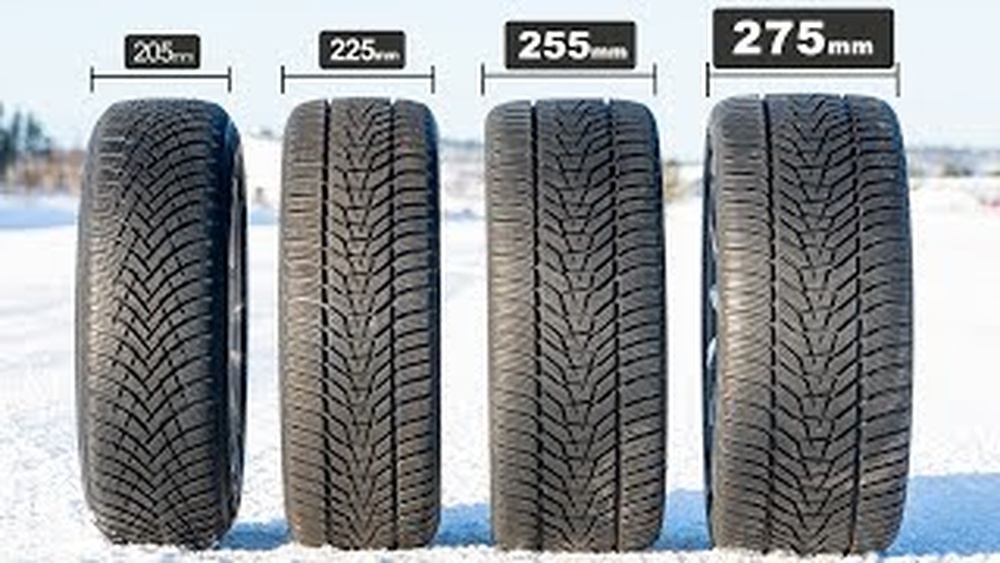
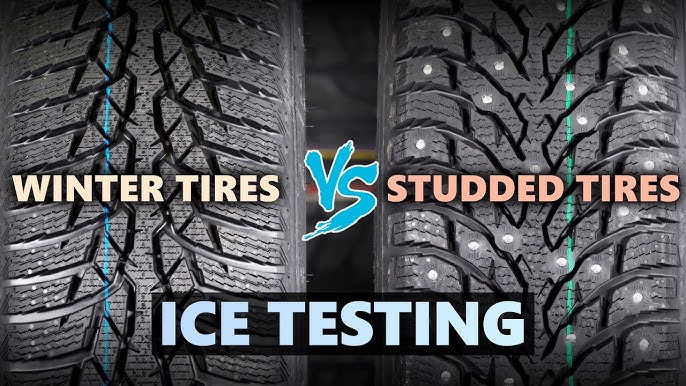
Winter tires have deep grooves and unique tread patterns. These designs help channel snow, slush, and water away from the tire. This improves grip on slippery roads. The tread blocks also have small cuts called sipes. Sipes create extra biting edges for better traction on ice.
Rubber Compound Benefits
Winter tires use a special rubber that stays soft in cold temperatures. This flexibility helps the tire grip the road better. Regular tires become hard and less effective in the cold. The soft compound in winter tires ensures better contact with the road surface.
Performance In Cold Weather
Winter tires perform best in temperatures below 45°F (7°C). They provide better braking and steering on snow and ice. These tires reduce the chances of skidding and slipping. Using winter tires improves your safety during cold months.
Credit: www.vipauto.com
Studded Snow Tires Features
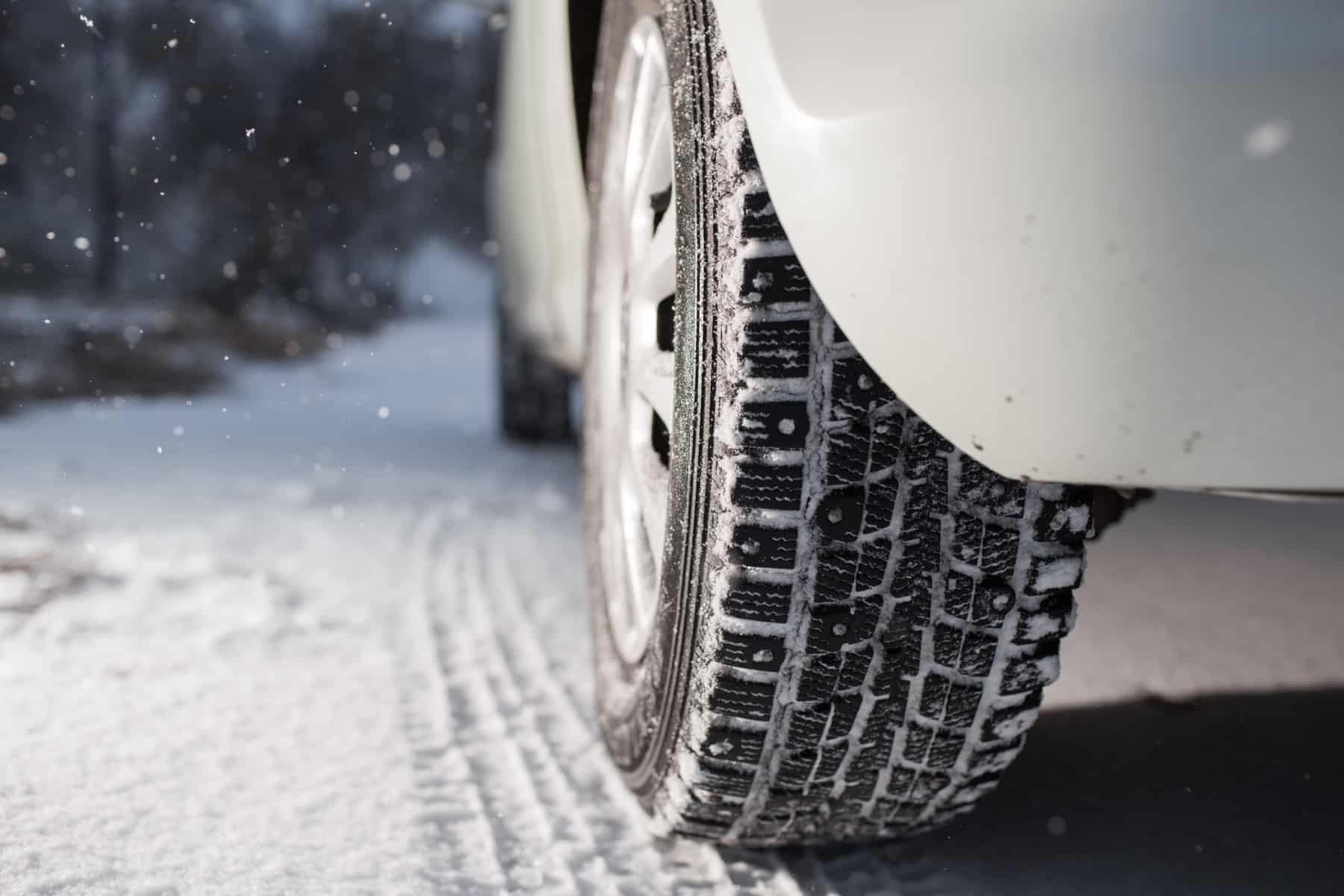
Studded snow tires offer unique features designed for icy roads. They include metal studs embedded in the tire tread. These studs improve grip and prevent slipping on frozen surfaces.
Understanding these features helps decide if studded tires suit your winter driving needs. Below, explore their key aspects in detail.
Stud Technology Explained
Studs are small metal pins fixed into the tire surface. Each stud has a sharp tip to dig into ice. They work by breaking the ice layer for better contact. The studs are placed in patterns for maximum coverage. This design keeps the tire stable and balanced.
Enhanced Traction On Ice
Studded tires excel on hard ice and packed snow. The metal studs grip icy patches firmly. This reduces the risk of sliding or skidding. Drivers feel safer controlling their vehicle. Stopping distances on ice shorten noticeably with studs.
Road Impact And Noise
Studded tires can cause more road noise than regular winter tires. The metal studs create a rougher contact with pavement. This may lead to louder sounds inside the vehicle. Also, they can wear down some road surfaces faster. Some areas restrict or ban studded tires due to this impact.
Traction Comparison
Traction is the key factor in choosing between winter tires and studded snow tires. It affects safety and control on winter roads. Each tire type offers different benefits depending on road conditions. Understanding their traction helps pick the right tire for your needs.
Grip On Snowy Roads
Winter tires have deep tread patterns that dig into snow. They use soft rubber to stay flexible in cold temperatures. This design provides good grip on fresh and packed snow. Studded tires also work well on snow. Their metal studs bite into the surface for extra hold. Studded tires may offer slightly better grip on hard-packed snow.
Handling On Icy Surfaces
Studded snow tires excel on ice. The small metal studs penetrate ice layers, improving traction. This makes braking and turning safer on icy roads. Winter tires rely on rubber compounds and tread design. They provide decent grip but less than studded tires on ice. Studded tires are the safer choice on slippery ice.
Performance In Slush And Wet Conditions
Winter tires handle slush and wet roads better. Their tread channels water and slush away from the tire. This reduces the risk of slipping or hydroplaning. Studded tires may struggle in wet and slushy conditions. The metal studs reduce surface contact, lowering wet traction. Winter tires offer more balanced performance in these conditions.
Durability And Wear
Durability and wear are key factors when choosing between winter tires and studded snow tires. Tires face tough conditions like ice, snow, and cold temperatures. These conditions affect how long the tires last and how well they perform. Understanding durability helps drivers pick the right tires for their needs.
Tread Life Expectancy
Winter tires usually last longer than studded tires. Their tread is made from soft rubber that stays flexible in cold weather. This flexibility helps grip the road and slows down wear. On average, winter tires last about 4 to 6 seasons if used only in cold months.
Studded snow tires wear out faster on dry roads. The metal studs dig into pavement, causing faster tread wear. Using studded tires on clear roads can reduce their life to 2 or 3 seasons. They work best on icy or snowy surfaces only.
Effect Of Studs On Tire Longevity
Studs add extra traction but can reduce tire longevity. The metal pins create more friction with the road. This friction wears down the rubber faster than non-studded tires. Studs can also loosen or fall out over time, affecting tire performance.
Driving on bare asphalt with studs causes quick damage. The studs wear down and the tire tread thins faster. This means studded tires need more frequent replacement. Their use should be limited to heavy ice and snow conditions.
Maintenance Tips
Check tire pressure regularly to prevent uneven wear. Cold weather can reduce tire pressure quickly. Rotate tires every 5,000 to 7,000 miles to extend tread life. This helps all tires wear evenly and last longer.
Inspect studded tires for loose or missing studs often. Replace tires if the tread depth goes below 4/32 inches. Store tires in a cool, dry place during off-season months. Proper care keeps tires durable and safe for winter roads.
Safety Considerations
Safety is the top priority when choosing tires for winter. Both winter tires and studded snow tires offer protection, but their safety features differ. Understanding these differences helps you make the best choice for your driving needs. Below are key safety aspects to consider.
Stopping Distances
Stopping distance is critical on icy roads. Studded snow tires grip ice better, often reducing stopping distances. Winter tires perform well on snow and slush but may take longer to stop on pure ice. Shorter stopping distances can prevent accidents in sudden stops.
Cornering Stability
Cornering safely is essential on slippery surfaces. Winter tires provide good traction and flexibility, allowing stable turns on snow. Studded tires offer extra grip on ice but may feel less smooth on dry roads. Balanced cornering stability helps maintain control through curves.
Impact On Vehicle Control
Vehicle control depends on tire design and road conditions. Studded tires improve control on icy patches by digging into the surface. Winter tires adapt well to various winter conditions, offering consistent handling. Better control reduces the risk of skidding and sliding.
Legal And Environmental Factors
Choosing between winter tires and studded snow tires involves more than just performance. Legal rules and environmental effects play a big role. These factors can affect where and when you can use each tire type. Understanding these rules helps drivers avoid fines and protect nature.
Regulations On Studded Tires
Many places have strict laws about studded tires. Some allow them only during certain months. Others ban them altogether due to road damage concerns. Fines can be high if you break these rules. Always check local laws before using studded tires.
Environmental Impact
Studded tires can harm roads and nature. The metal studs wear down pavement quickly. This creates dust and debris that pollutes the air. Winter tires without studs do not cause this damage. They are better for the environment in most cases.
Seasonal Usage Restrictions
Studded tires often have seasonal limits. Many regions only permit them in winter months. Outside these months, using studded tires can lead to penalties. Winter tires usually do not have such restrictions. They offer more flexibility for year-round use.
Cost And Value
Choosing the right tire for winter is not just about safety and performance. Cost and value matter a lot too. This section explains the price difference and what you get in return. Understanding these points helps you make a smart choice for your vehicle and budget.
Initial Purchase Price
Winter tires usually cost less than studded snow tires. Basic winter tires fit most cars and cost less upfront. Studded tires have metal pins added, which raises the price. Expect to pay more for studded tires because of this extra feature.
Long-term Investment
Winter tires wear out faster on dry roads than studded tires. Studded tires last longer on icy surfaces. Using the right tire for your climate extends tire life. Proper care and storage also affect how long tires last. Think about how many winters you can use them before buying again.
Cost Vs Performance
Winter tires offer good grip on snow and cold roads without damaging pavement. Studded tires give better traction on ice but can harm road surfaces. Some cities limit or ban studded tires due to road damage. Weigh the extra cost against the performance you need. Choose tires that fit your driving conditions and budget.
Credit: www.discounttire.com
Choosing The Right Tire
Choosing the right tire for winter driving is very important. The right tire keeps you safe and helps your car perform well. Both winter tires and studded snow tires have strengths. Picking the best one depends on several factors. These include the weather, your driving style, and your car type.
Climate And Road Conditions
Think about the usual weather in your area. Winter tires work best on cold, dry, or wet roads. They stay soft in low temperatures and grip well. Studded snow tires are made for icy roads. The metal studs dig into ice for better control. Use studded tires if ice covers roads often. For snow and slush, winter tires often do better.
Driving Habits
How you drive matters a lot. If you drive slowly and carefully, winter tires might be enough. For fast or emergency stops, studded tires offer better grip on ice. Consider how often you drive in tough winter conditions. Studded tires can be noisy and wear out roads faster. Winter tires give a quieter, smoother ride on most surfaces.
Vehicle Type Compatibility
Not all tires fit every car. Check your vehicle’s manual for tire recommendations. Some cars, like sports cars, need special winter tires for good handling. Larger vehicles, like trucks or SUVs, may handle studded tires well. Make sure the tires match your car’s size and weight. Proper fit improves safety and tire life.
Credit: www.youtube.com
Frequently Asked Questions
What Are The Main Differences Between Winter And Studded Snow Tires?
Winter tires use soft rubber for grip on cold roads. Studded tires have metal studs for ice traction. Studded tires excel on ice but are noisier and less street-friendly. Winter tires perform well on snow and dry cold surfaces.
Are Studded Snow Tires Legal Everywhere?
Studded snow tire laws vary by region. Some places allow them only during winter months. Others ban them due to road damage concerns. Always check local regulations before using studded tires to avoid fines.
How Do Winter Tires Improve Safety In Snow?
Winter tires have deep treads and softer rubber. This design enhances grip on snow and ice. They reduce braking distance and improve vehicle control. Using winter tires significantly increases driving safety in cold conditions.
Can I Use Winter Tires On Dry Roads?
Winter tires work best in cold, icy conditions. On dry roads, they wear faster than all-season tires. They may also reduce fuel efficiency. Using winter tires year-round is not recommended for optimal performance.
Conclusion
Choosing between winter tires and studded snow tires depends on road conditions. Winter tires work well on cold, dry, or wet roads. Studded tires offer extra grip on icy surfaces. Consider local laws before using studded tires. Both types improve safety in winter weather.
Think about your driving needs and environment. Proper tires help you stay safe and confident. Drive carefully and maintain your tires regularly. Good tires make winter travel easier and safer.