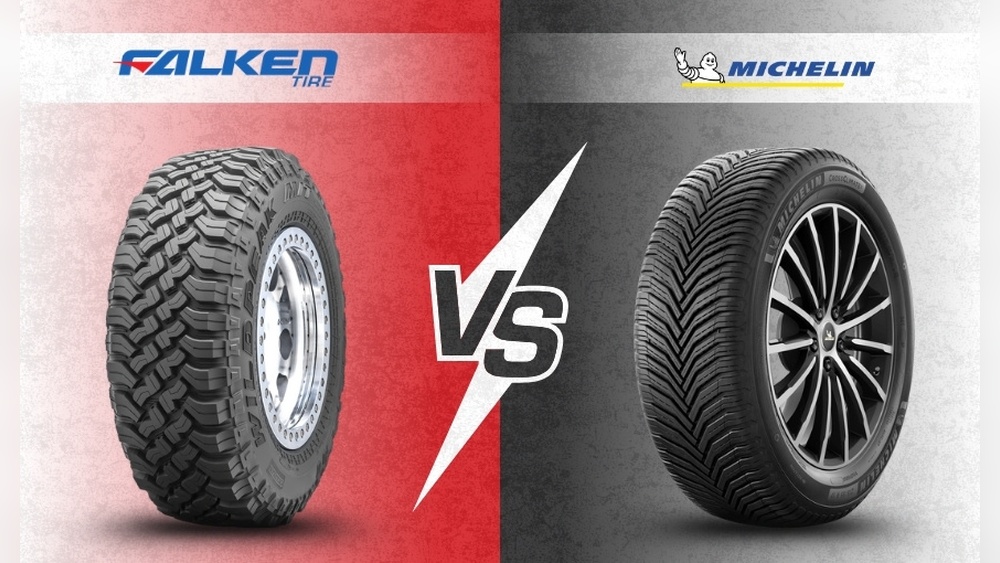
Choosing the right tires can make a huge difference in your vehicle’s performance, comfort, and safety. When you come across terms like “285 vs 35 tires,” it might feel confusing.
What do these numbers really mean? How do they affect your ride? If you want to know which tire size suits your needs best and why it matters, you’re in the right place. Keep reading, and you’ll discover clear answers that will help you make the smartest choice for your vehicle.
Tire Size Basics
Understanding tire sizes helps you choose the right tires for your vehicle. Tire numbers tell you about width, height, and fit. These details affect how the tire performs and fits on your wheels.
Knowing the difference between sizes like 285 and 35 is important for safety and driving comfort. Let’s explore what these numbers mean and how they affect tire dimensions and fitment.
What 285 And 35 Mean
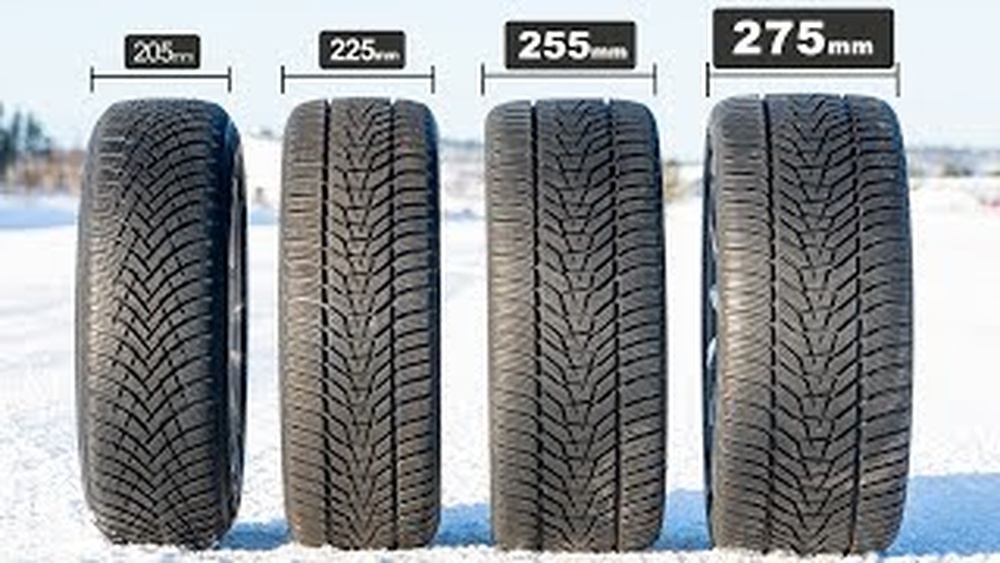
The number 285 shows the tire’s width in millimeters. It means the tire is 285 mm wide from sidewall to sidewall.
The number 35 refers to the aspect ratio. This is the height of the tire’s sidewall as a percentage of the width. So, 35 means the sidewall height is 35% of 285 mm.
These two numbers help describe the tire’s size and shape. A bigger width means a wider tire. A smaller aspect ratio means a shorter sidewall.
Dimensions And Fitment
Tires with a 285 width are wider than many standard tires. They offer better grip on the road but need wider wheels.
A 35 aspect ratio gives a low-profile look. It makes the tire sidewall shorter and stiffer, improving handling on smooth roads.
Fitment depends on your vehicle’s wheel size and clearance. Wider tires need enough space in the wheel wells to avoid rubbing.
Choosing the right size keeps your vehicle safe and driving well. Always check manufacturer recommendations before upgrading tire size.
Credit: www.youtube.com
Performance Differences
Tire size affects how your vehicle performs on roads and trails. Choosing between 285 and 35 tires changes the driving experience. Each tire size offers distinct benefits and trade-offs. Understanding these helps pick the right tires for your needs.
Performance differences focus on handling, off-road ability, and fuel use. These factors matter for daily driving and adventurous trips. Let’s explore how 285 and 35 tires compare in these areas.
Handling And Stability
285 tires provide good stability on paved roads. They have a wider contact patch that improves grip. This makes cornering and braking more controlled. Smaller tires usually respond faster to steering.
35 tires are larger and heavier. They offer more traction on rough surfaces but can feel less nimble on asphalt. The bigger size may cause slower steering response. Stability improves mostly in off-road conditions.
Off-road Capabilities
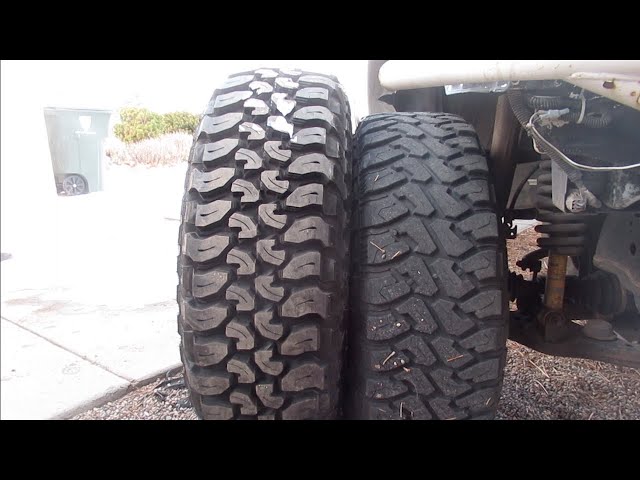
35 tires excel in off-road settings. Their larger diameter helps clear rocks and obstacles easily. They give better ground clearance and float on soft surfaces like mud or sand. Larger tires also absorb bumps well.
285 tires work fine off-road but have limits. They may struggle in deep mud or rocky terrain. Smaller size means less ground clearance. However, they are lighter and easier to control on moderate trails.
Fuel Efficiency Impact
285 tires usually offer better fuel economy. Their lighter weight reduces rolling resistance. This helps the engine use less power on highways and city roads.
35 tires tend to lower fuel efficiency. Larger size and weight increase drag and rolling resistance. Engines work harder, leading to more fuel consumption. Fuel savings decrease significantly with bigger tires.
Durability Factors
Durability is a key factor when choosing between 285 and 35 tires. It affects how long the tires last and how well they handle rough roads. Understanding these factors helps you pick the right tire for your needs.
Tread Life Comparison
285 tires generally have deeper tread patterns. This helps them last longer on rough surfaces. The 35 tires often wear faster due to their larger size. Their tread may wear unevenly on some vehicles.
Resistance To Damage
285 tires are usually stronger against cuts and punctures. Their smaller sidewalls reduce the chance of damage from sharp objects. 35 tires, with bigger sidewalls, absorb impacts better but can be more prone to sidewall damage.
Maintenance Needs
Both tire sizes need regular checks for wear and air pressure. 285 tires require less frequent balancing and alignment. 35 tires may need more upkeep due to their size and weight. Proper care extends the life of any tire.

Credit: www.wranglerforum.com
Cost Considerations
Choosing between 285 and 35 tires means thinking about costs. Tires affect your budget in many ways. Not just the price tag, but also ongoing expenses matter. Understanding these costs helps you make a smart choice.
Initial Purchase Price
285 tires usually cost less than 35 tires. They use less material and are smaller in size. This lowers the price when you buy them. 35 tires are bigger and heavier. This increases the price at the store. If you need tires for daily driving, 285 might be cheaper upfront.
Long-term Expenses
Big tires like 35s can increase fuel use. Your engine works harder to turn larger tires. This means you spend more on gas over time. Also, bigger tires wear out parts faster. Suspension and brakes may need repairs sooner. Smaller 285 tires tend to cause less wear. This lowers your maintenance bills in the long run. Tires also wear differently. 35 tires may need replacing more often. This adds to your total cost over time.
Best Use Cases
Choosing between 285 and 35 tires depends on how you use your vehicle. Each tire size fits different needs and conditions. Understanding their best use cases helps you pick the right tire for your driving style and vehicle type.
Both sizes offer unique benefits. The right choice can improve performance, safety, and comfort.
Everyday Driving
285 tires suit daily driving on city roads and highways. They offer a smooth ride and good fuel efficiency. These tires provide enough grip for wet and dry surfaces. They fit many trucks and SUVs comfortably. Handling is stable, making them ideal for regular commutes and errands.
Off-road Adventures
35 tires excel in off-road conditions. Their larger size helps with ground clearance. These tires handle mud, rocks, and sand better than smaller ones. They offer better traction on rough terrain. Ideal for drivers who explore trails and rugged paths. They provide more stability on uneven surfaces.
Heavy-duty Applications
285 tires work well for moderate towing and hauling. Their size supports heavier loads without sacrificing control. Suitable for light trucks used in construction or farming. They balance durability and comfort for tough tasks. 35 tires can also handle heavy loads but may reduce fuel economy. Choose based on load weight and vehicle capability.
Credit: www.youtube.com
Installation And Compatibility
Choosing between 285 and 35 tires involves more than size. Installation and compatibility play a key role in performance and safety. Knowing what your vehicle needs helps avoid problems.
Vehicle Requirements
Your vehicle must support the tire size. Check the owner’s manual for recommended sizes. Larger tires like 35s may not fit all vehicles. They need enough space in the wheel wells. Suspension and brakes should handle the bigger tires. Also, the vehicle’s drivetrain affects tire choice. Some models need upgrades to use wider tires like 285s or larger 35s.
Potential Modifications
Installing larger tires often requires changes. Lift kits create space for 35 tires on small vehicles. You might need to trim fenders or adjust suspension. Wider tires can cause rubbing on stock parts. Upgraded brakes improve stopping power with bigger tires. Recalibrating speedometers ensures accurate readings. Modifications add cost and effort but improve fit and function.
Frequently Asked Questions
What Is The Difference Between 285 And 35 Tires?
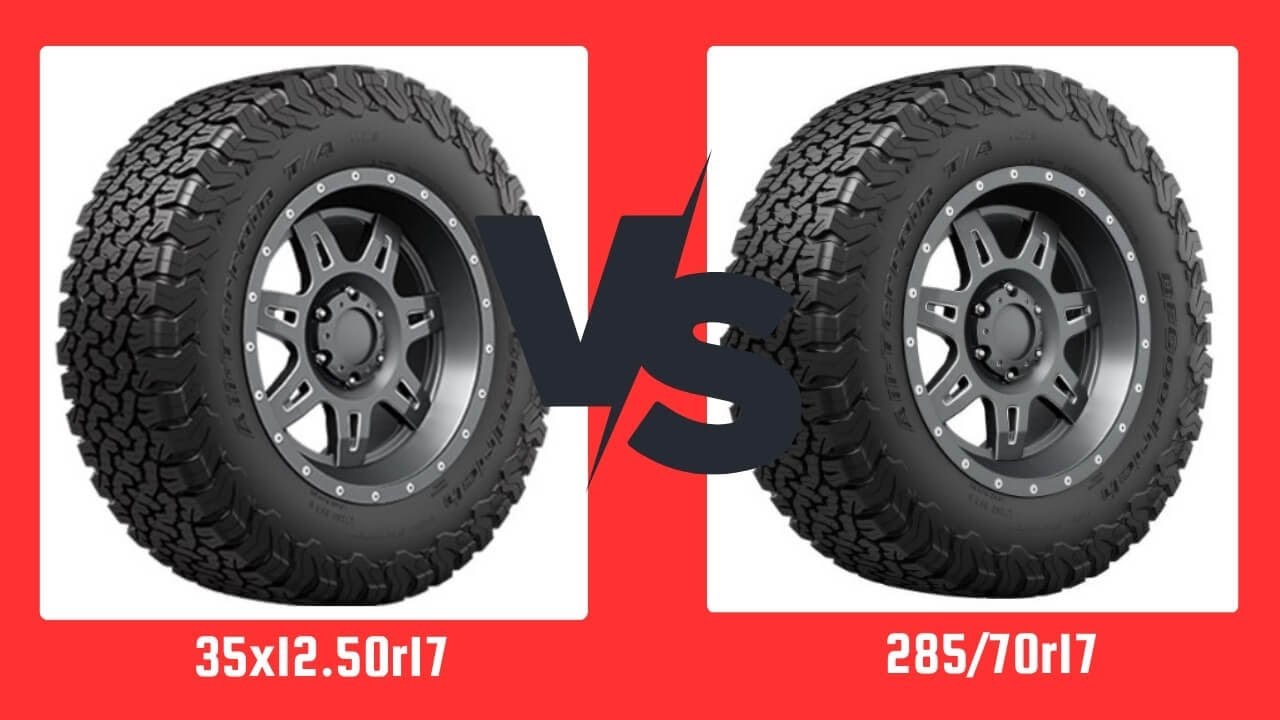
285 tires refer to width in millimeters, while 35 tires indicate tire height as a percentage of width. The 285 is wider, and 35 is a low-profile tire. This affects grip, ride comfort, and vehicle handling.
Which Tire Size Is Better For Off-road Driving?
285 tires are generally better for off-road due to wider tread and increased surface area. They provide improved traction and stability on rough terrain compared to 35-profile tires.
How Do 285 And 35 Tires Affect Fuel Efficiency?
Wider 285 tires usually increase rolling resistance, reducing fuel efficiency slightly. Narrower or lower-profile 35 tires often improve fuel economy by lowering drag and weight.
Can 285 And 35 Tires Fit The Same Vehicle?
Not always. 285 width and 35 profile tires may require different rims and clearance. Always check vehicle specifications and consult a tire professional before changing sizes.
Conclusion
Choosing between 285 and 35 tires depends on your needs. Wider 285 tires offer better grip and stability. Narrower 35 tires give improved fuel efficiency and smoother rides. Think about your driving style and road conditions. Both tire sizes have pros and cons to consider.
Pick the one that matches your vehicle and goals. Proper tire choice boosts safety and performance. Keep your tires well-maintained for best results. Simple steps lead to safer and more comfortable drives.