Are you trying to decide between 32-inch and 33-inch tires for your vehicle? Choosing the right tire size can change how your ride feels, handles, and looks.
You might think a one-inch difference is small, but it can make a big impact on your driving experience. You’ll discover the real differences between 32 and 33-inch tires and how each option affects your performance, fuel efficiency, and safety.
By the end, you’ll feel confident making the best choice for your needs. Keep reading to find out which tire size fits you perfectly.
Size Differences
Choosing between 32 and 33 inch tires means understanding their size differences. These differences affect how the tires fit and perform on your vehicle. Size impacts ride height and tire width, which changes the look and feel of your drive. Knowing these details helps make the right choice for your needs.
Diameter And Width
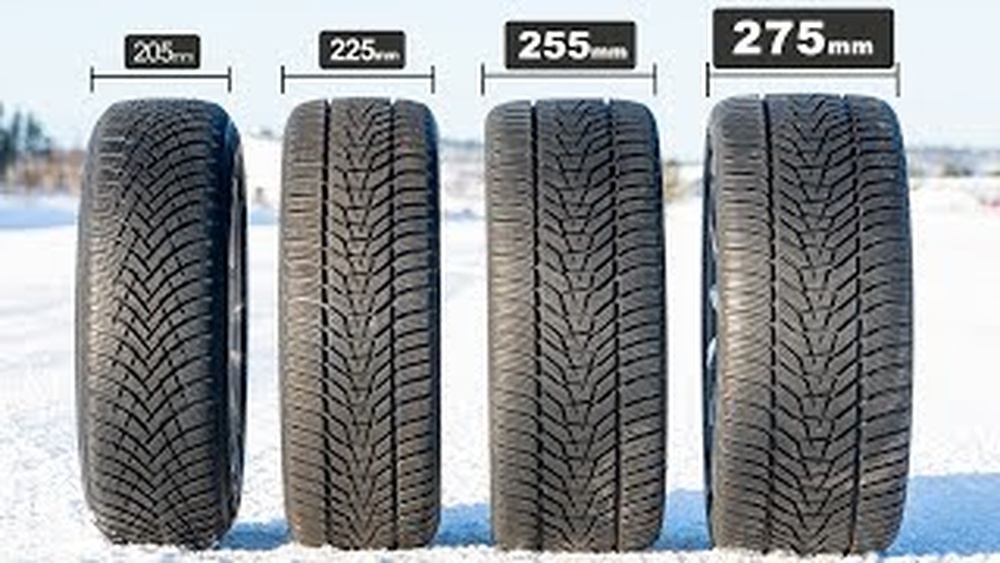
32 inch tires have a diameter of about 32 inches. 33 inch tires are slightly larger, measuring about 33 inches in diameter. The one-inch difference may seem small, but it changes tire contact with the road. Width also varies, with 33 inch tires often being wider. Wider tires offer better grip on rough terrain. This affects traction and stability while driving.
Impact On Vehicle Height
Using 33 inch tires raises your vehicle higher off the ground. This increases ground clearance by about half an inch. Higher clearance helps avoid obstacles and rough roads. However, it can also change the vehicle’s center of gravity. This may affect handling and stability during turns. 32 inch tires keep the vehicle closer to its original height, offering a more stable ride.

Credit: www.discountedwheelwarehouse.com
Performance Effects
Choosing between 32 inch and 33 inch tires impacts your vehicle’s performance in many ways. These effects show up in off-road ability, fuel use, and how the car feels on the road. Small changes in tire size can lead to different driving experiences.
Off-road Capability
33 inch tires offer better ground clearance than 32 inch tires. This helps avoid rocks and rough patches more easily. Bigger tires also provide a larger footprint, which improves grip on dirt and mud. The 32 inch tires work well on trails but may struggle in deep mud or snow. Bigger tires give extra confidence on tough terrains.
Fuel Efficiency
Smaller tires like the 32 inch size usually help save fuel. They weigh less and roll with less effort. Larger 33 inch tires add weight and increase rolling resistance. This means the engine uses more power and burns more fuel. The difference is small but noticeable over time. Choose 32 inch tires if fuel economy is a priority.
Handling And Ride Comfort
32 inch tires often provide a smoother ride on paved roads. Their lighter weight helps with quicker steering response. Larger 33 inch tires may feel less nimble in tight turns. They can also add more vibration on highways. However, 33 inch tires absorb bumps better off-road. Each size offers different comfort levels depending on the driving style.
Compatibility Factors
Choosing between 32 and 33 inch tires involves more than just size. Compatibility plays a key role. It affects your vehicle’s performance and safety. Three main factors influence compatibility: wheel well clearance, suspension, and speedometer accuracy. Understanding these helps you make the best choice for your vehicle.
Wheel Well Clearance
Wheel well clearance refers to the space inside the wheel arch. Larger tires need more room to avoid rubbing. A 33 inch tire takes up more space than a 32 inch tire. Check if your vehicle’s wheel well can fit the bigger tire without contact. Tight clearance can cause damage during turns or bumps. Sometimes, trimming or modifying the wheel well is needed.
Suspension Considerations
The suspension system affects how your vehicle handles larger tires. Bigger tires add weight and change the ride height. Suspension may need upgrading to support the extra load. Stronger springs or shocks keep the ride smooth and safe. Without suspension upgrades, you may face poor handling or uneven tire wear. Consider your vehicle’s suspension before switching tire sizes.
Speedometer Accuracy
Tire size impacts your speedometer reading. Bigger tires cover more ground per rotation. A 33 inch tire makes your speedometer show a slower speed than actual. This can affect speed limits and mileage tracking. Recalibrating the speedometer corrects this error. It ensures your speed and distance readings stay accurate.

Credit: www.youtube.com
Cost Implications
Choosing between 32 and 33 inch tires affects more than just appearance. Cost plays a big role in deciding which tire size fits your budget. Understanding the cost differences helps you make a smart choice for your vehicle.
Tire Price Differences
33 inch tires usually cost more than 32 inch tires. The larger size needs more material and special design. Retailers often charge extra for bigger tires. Prices can vary by brand, but expect a higher price tag for 33 inch tires.
Fuel Costs
Bigger tires can reduce your fuel efficiency. 33 inch tires weigh more and create more rolling resistance. Your engine works harder, using more fuel. Over time, this can increase your fuel expenses compared to 32 inch tires.
Maintenance Expenses
Maintaining larger tires may cost more. 33 inch tires put extra strain on suspension and brakes. This can lead to faster wear and more repairs. Balancing and rotating tires also might cost more due to the size difference.
Visual Impact
The visual impact of tire size affects how your vehicle looks on the road. Choosing between 32 and 33 inch tires changes the overall style and presence. Even a small difference in size can make your vehicle appear more aggressive or balanced. This section explores how these tire sizes influence the look of your vehicle.
Aesthetic Appeal
33 inch tires give a bolder, more rugged look. They stand out more and create a stronger impression. The extra inch adds a sense of power and readiness for off-road adventures. In contrast, 32 inch tires offer a cleaner, more subtle style. They suit drivers who want a neat, sporty appearance without being too loud.
Vehicle Stance
Vehicle stance changes noticeably with tire size. Larger 33 inch tires raise the vehicle slightly, giving it a taller and tougher stance. This can improve presence and give a feeling of readiness. Smaller 32 inch tires keep the stance lower and more grounded. This helps with a balanced look and often improves on-road handling.

Credit: www.dirtwheels-digital.com
Choosing Tips
Choosing the right tire size matters for your vehicle’s performance and safety. Tires that fit well improve driving comfort and fuel efficiency. This guide helps you pick between 32 and 33 inch tires easily.
Assessing Driving Needs
Think about your daily driving style. Do you drive on city roads or rough trails? Smaller tires like 32 inch suit smooth roads better. Bigger tires like 33 inch handle rough terrain well. Consider weather conditions too. Larger tires offer better grip in snow and mud.
Consulting Experts
Talk to tire dealers or mechanics. They know what works best for your vehicle model. Experts can suggest options that match your driving habits. They also help avoid problems like rubbing or poor handling. Their advice saves time and money.
Testing Before Purchase
Try test-driving cars with both tire sizes. Feel how each size affects steering and ride comfort. Notice if the tires fit well without scraping. Testing helps you experience the difference firsthand. It ensures you make a confident choice.
Frequently Asked Questions
What Are The Size Differences Between 32 And 33 Inch Tires?
32-inch tires are approximately 1 inch smaller in diameter than 33-inch tires. This size difference affects ground clearance, speedometer accuracy, and vehicle handling.
How Do 33 Inch Tires Affect Vehicle Performance?
33-inch tires improve off-road traction and ground clearance. However, they may reduce fuel efficiency and slightly alter speedometer readings.
Can I Fit 33 Inch Tires On A Vehicle With 32 Inch Tires?
Often, yes. But you must check wheel well clearance, suspension, and possible modifications to avoid rubbing or damage.
Do 33 Inch Tires Impact Fuel Economy Compared To 32 Inch Tires?
Yes, 33-inch tires generally decrease fuel economy due to increased weight and rolling resistance compared to 32-inch tires.
Conclusion
Choosing between 32 and 33 inch tires depends on your needs. Smaller tires offer better fuel efficiency and easier handling. Larger tires provide more ground clearance and a tough look. Consider your vehicle type and driving style carefully. Both sizes have pros and cons to weigh.
Think about road conditions and vehicle performance. This helps you pick the right tire size for your ride. Make a choice that fits your daily driving best.