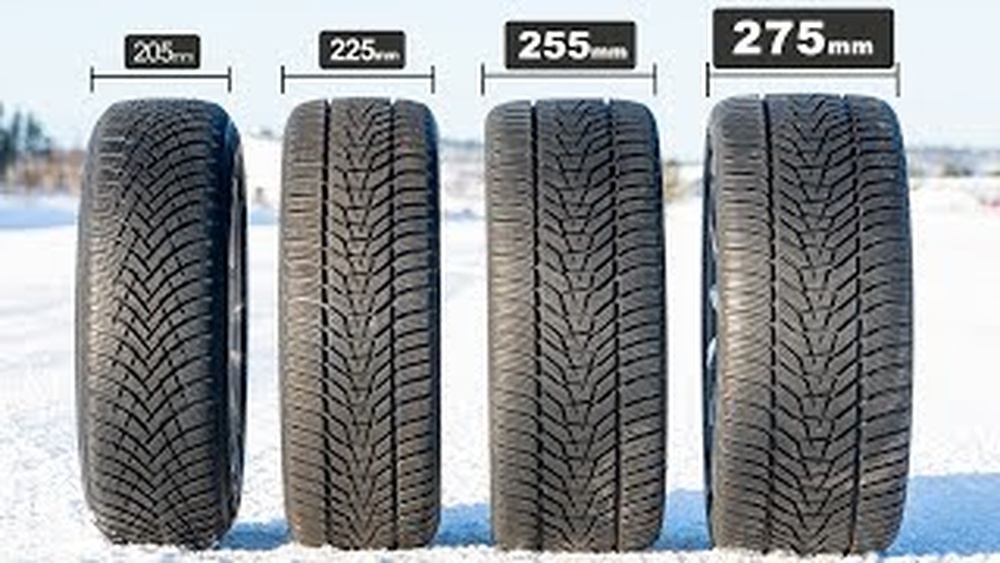
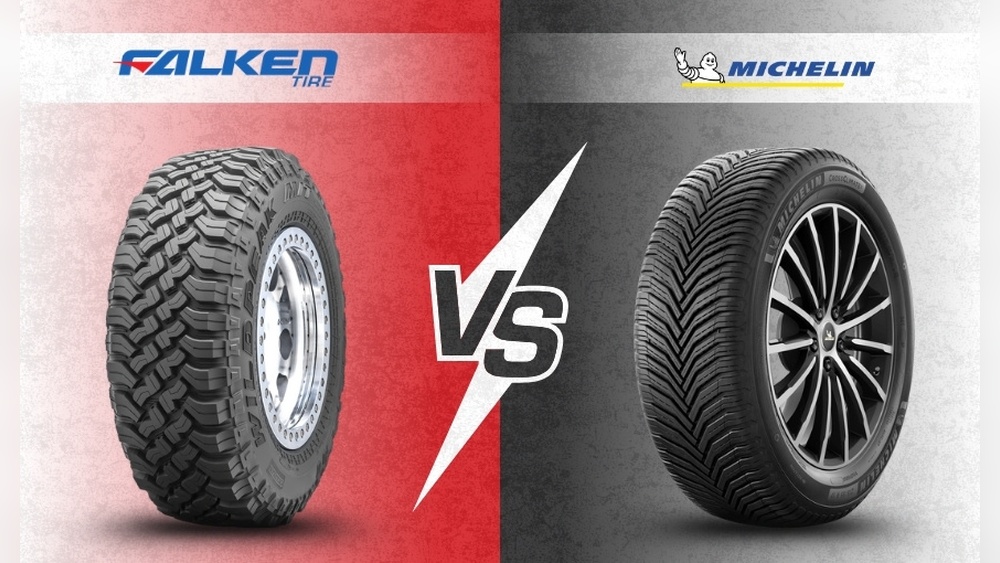
Choosing the right tire size can change how your vehicle handles, looks, and performs. You’ve probably come across 33, 35, and 37-inch tires and wondered which one fits your needs best.
Each size brings unique benefits and challenges that can impact your driving experience. If you want to make the smartest choice for your ride, you need to understand what sets these tires apart. Keep reading, and you’ll discover the key differences that will help you pick the perfect tire size for your vehicle and driving style.
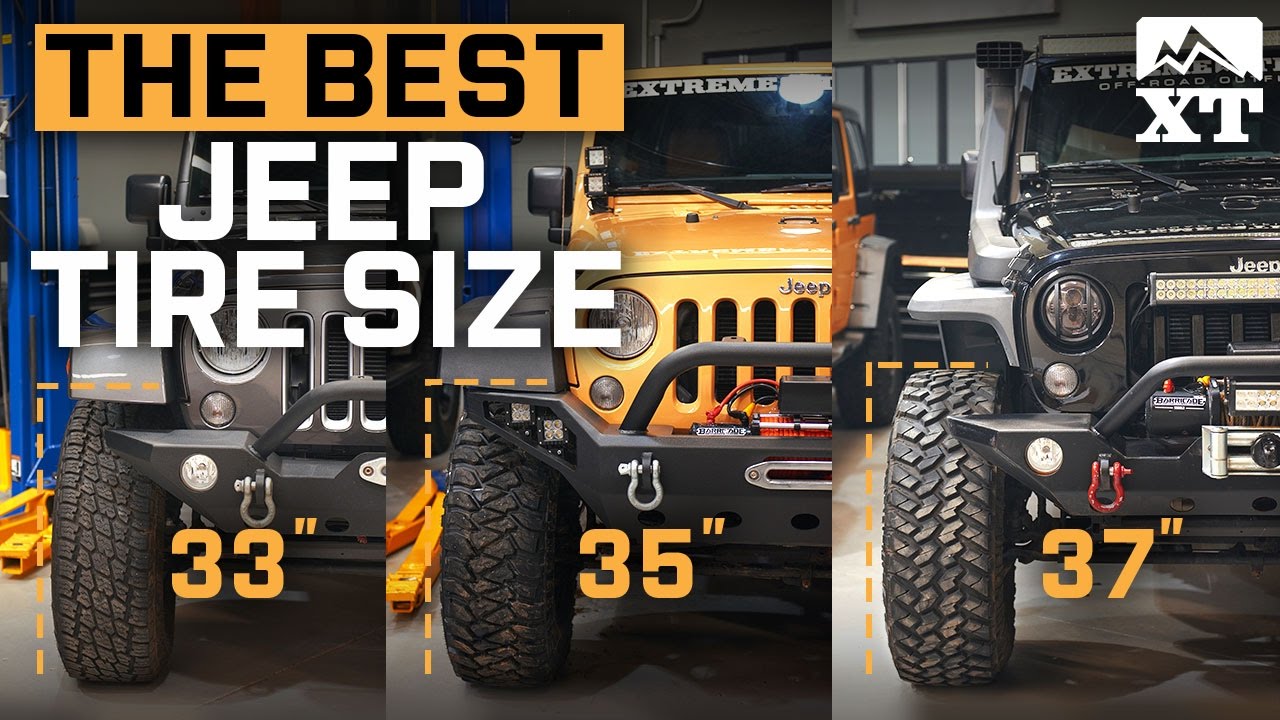
Credit: www.youtube.com
Tire Size Basics
Tire size plays a key role in how your vehicle drives and feels. Understanding basic tire sizes helps you pick the right tires. This guide focuses on three popular sizes: 33, 35, and 37 inches. These numbers refer to the tire’s overall diameter. Each size affects your ride differently.
Choosing the correct size improves safety, performance, and comfort. It also impacts fuel efficiency and handling. Knowing how to read tire sizes makes shopping easier and smarter.
Decoding Tire Dimensions
Tire sizes use three main numbers. For example, 35×12.5R17 breaks down into diameter, width, and rim size. The first number shows the tire’s height in inches. The second number is the tire’s width in inches. The last number is the rim diameter the tire fits.
“33,” “35,” and “37” refer only to the tire height. A 33-inch tire is smaller than a 37-inch tire. Width and rim size also matter. They affect compatibility and performance. Always check all numbers before buying new tires.
How Size Affects Performance
Larger tires offer better ground clearance. This helps on rough roads and off-road trails. Bigger tires also improve traction and grip. But they may reduce fuel efficiency.
Smaller tires usually provide a smoother ride. They can improve fuel economy and steering response. However, they may struggle in tough terrain.
Heavier tires add weight to your vehicle. This can affect acceleration and braking. Choose a size that matches your driving needs and vehicle limits.
Key Differences Among 33, 35, And 37 Tires
Choosing the right tire size matters for your vehicle’s performance. Tires sized 33, 35, and 37 inches differ in height, width, and weight. Each size affects driving experience and fuel use. Off-road ability also changes with tire size. Understanding these differences helps pick the best tire for your needs.
Height And Width Comparison
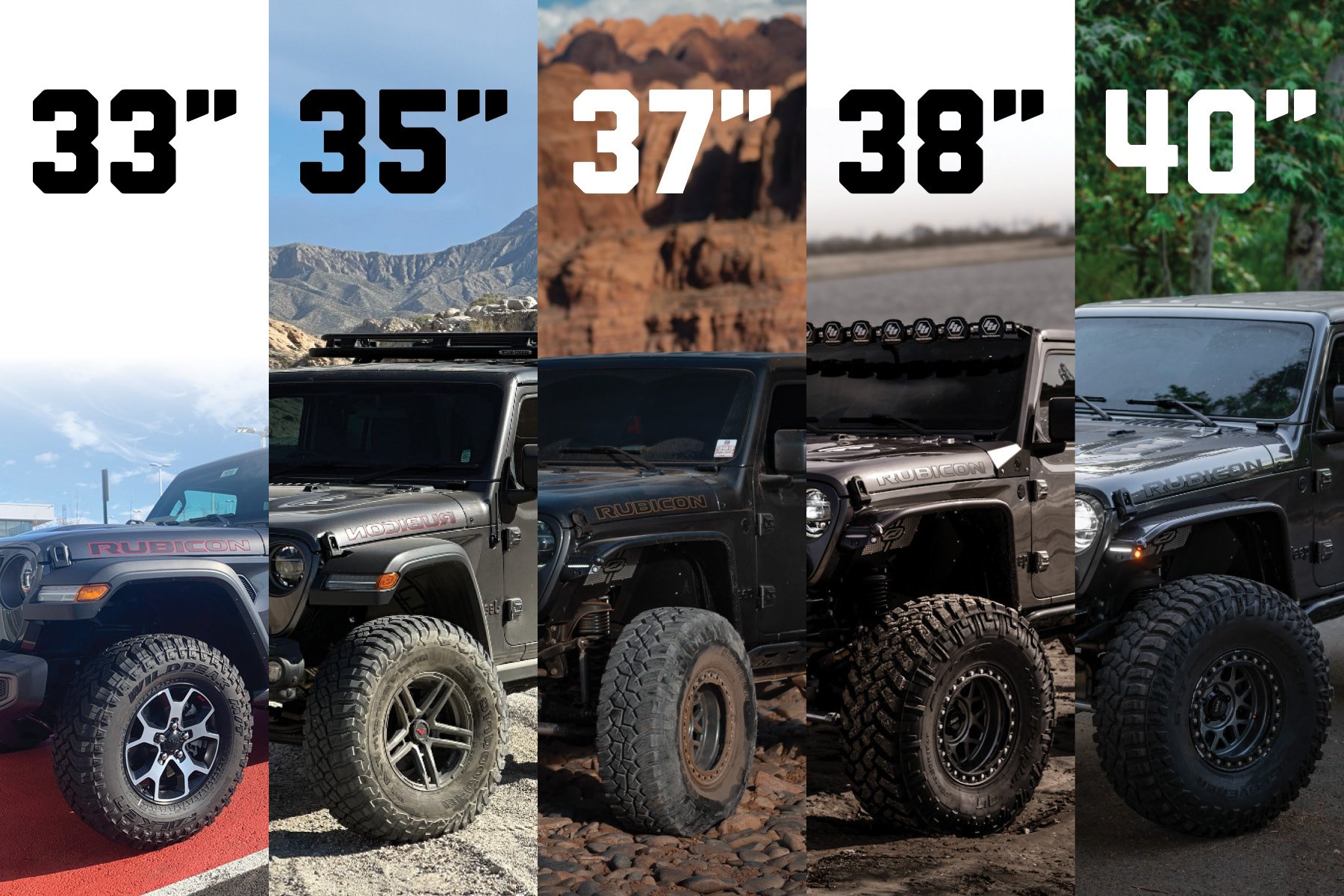
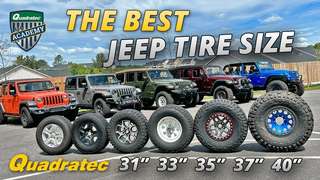
33-inch tires are the smallest among the three. They fit most trucks and SUVs without major changes. 35-inch tires are taller and wider, offering better ground clearance. 37-inch tires are the largest, providing maximum height and width. Bigger tires cover more surface, improving traction on rough terrain.
Weight And Fuel Impact
Heavier tires increase the vehicle’s overall weight. 33-inch tires are lighter, causing less strain on the engine. 35-inch tires add more weight, slightly lowering fuel efficiency. 37-inch tires are the heaviest, which can reduce miles per gallon. Bigger tires require more power to turn, increasing fuel consumption.
Off-road Capability Variations
33-inch tires handle light to moderate off-road driving well. 35-inch tires improve off-road performance by enhancing grip and clearance. 37-inch tires excel in tough terrains like deep mud and rocks. Larger tires allow for better obstacle clearance and traction. They provide a smoother ride over rough surfaces.
Pros And Cons Of 33-inch Tires
Choosing the right tire size can change your vehicle’s performance. 33-inch tires offer a good balance for many drivers. They are larger than stock tires but not too big to cause major issues. These tires suit both daily driving and some off-road activities. Knowing their pros and cons helps decide if they fit your needs.
Handling And Comfort
33-inch tires provide better grip on rough roads. They improve stability without making the ride too stiff. The tires absorb bumps well, keeping rides smooth. Handling stays close to the original setup, so driving feels natural. Turning and braking remain easy, with less strain on the vehicle.
Compatibility With Stock Setups
Most stock suspensions work well with 33-inch tires. They fit without major modifications to the vehicle. No need for lifts or new gears in many cases. This makes installation quicker and simpler. Also, these tires avoid rubbing on wheel wells during sharp turns.
Cost And Availability
33-inch tires cost less than larger sizes like 35 or 37 inches. They are more common, so finding replacements is easier. Many brands offer options in this size. This helps keep maintenance affordable over time. Buyers can choose tires suited for both on-road and off-road use.
Credit: metalcloak.com
Advantages And Drawbacks Of 35-inch Tires
Choosing the right tire size is key for your vehicle’s performance. 35-inch tires offer a middle ground between smaller and larger sizes. They bring certain benefits but also come with some limits. Understanding these helps you decide if 35-inch tires fit your needs.
They work well for many drivers, balancing off-road ability with everyday use. Still, there are factors to consider before making the switch.
Balance Of Size And Performance
35-inch tires provide a good mix of height and width. They improve ground clearance without being too big. This helps with obstacle clearance and traction on rough surfaces. At the same time, they do not heavily impact fuel economy or speed. They keep driving stable on highways and city streets. This size suits drivers wanting versatility and moderate off-road power.
Lift Requirements
Using 35-inch tires usually needs a moderate lift on your vehicle. This prevents rubbing against the fenders or suspension parts. A lift of about 2 to 3 inches often works well. Too little lift causes tire damage and poor handling. Too much lift can raise the center of gravity and affect stability. Proper lift helps keep ride quality and safety balanced.
Terrain Adaptability
35-inch tires handle various terrains with ease. They perform well on dirt, gravel, and mud. Their size allows better grip and less chance of getting stuck. They also manage snow and rocky trails fairly well. These tires suit drivers who travel different paths but avoid extreme off-road challenges. Their design offers a solid balance for mixed terrain use.
Benefits And Challenges Of 37-inch Tires
Choosing 37-inch tires offers clear advantages for off-road driving and rugged terrain. These tires boost vehicle height and toughness but also bring challenges. Understanding these helps in making the right choice for your vehicle.
Maximum Ground Clearance
37-inch tires raise the vehicle higher off the ground. This helps avoid rocks, mud, and other obstacles easily. More ground clearance means fewer chances of getting stuck. It improves off-road capability significantly. Drivers can explore rough trails with better confidence.
Impact On Vehicle Dynamics
Larger tires affect how the vehicle handles on roads. Turning and braking may feel slower or heavier. The ride might be bumpier on smooth surfaces. Fuel efficiency often drops due to extra weight and size. Speedometer and odometer readings may become less accurate.
Necessary Modifications
Installing 37-inch tires usually needs vehicle changes. Suspension lifts help fit the bigger tires properly. Wheel wells might need trimming to prevent rubbing. Upgrading gears and brakes may be required. These modifications add extra cost and time to the upgrade.
Choosing Based On Vehicle Type
Choosing the right tire size depends on the type of vehicle. Different vehicles need different tire sizes for best performance and safety. Understanding how 33, 35, and 37 tires fit your vehicle helps you pick the best option. This section breaks down tire choices by vehicle type.
Suvs And Crossovers
SUVs and crossovers usually come with smaller tires. The 33-inch tire fits well with many models. It offers a good mix of comfort and off-road ability. Larger tires like 35 or 37 can cause rubbing or affect fuel economy. Most daily drivers find 33-inch tires the best balance.
Trucks And Pickups
Trucks and pickups often have stronger suspensions. They can handle bigger tires without problems. The 35-inch tire is popular here for off-road and highway use. It improves ground clearance and traction. Some trucks even use 37-inch tires for extreme off-road work. Make sure to check if your truck needs lifts or mods first.
Jeep And Off-road Vehicles
Jeeps and dedicated off-road vehicles use larger tires for rough terrain. The 35-inch tire is common for serious off-roaders. The 37-inch tire suits extreme rock crawling and deep mud. Bigger tires improve grip but may reduce street comfort. Off-roaders often modify suspensions to fit these large tires safely.
Cost Considerations
Choosing the right tire size affects your budget in many ways. Cost is not just about the price tag. There are other factors like upkeep and how it impacts your vehicle’s fuel use. Understanding these can help you pick the best tire size for your needs and wallet.
Initial Purchase Price
33-inch tires usually cost less than 35-inch or 37-inch tires. The bigger the tire, the higher the price. This is because larger tires use more materials and may require special designs. Budgeting for tires means knowing these price differences upfront.
Maintenance And Replacement
Bigger tires may wear out faster due to extra weight and stress on your vehicle. They can also cause more wear on suspension parts. Repair costs might rise with bigger tires. Keep in mind how often you may need to replace or fix parts when choosing tire size.
Fuel Economy Effects
Larger tires usually reduce fuel efficiency. They add weight and increase rolling resistance. This means your engine works harder and uses more fuel. Smaller tires tend to help save fuel over time. Think about fuel costs as part of your tire choice.
Credit: www.quadratec.com
Installation And Maintenance Tips
Choosing between 33, 35, and 37 tires means understanding how to install and maintain them properly. Proper care keeps tires safe and extends their life. Follow simple steps for fitting, rotating, and checking wear patterns. These steps help you enjoy better performance and safety on any road or trail.
Fitting And Alignment
Select tires that fit your vehicle’s specifications. Larger tires like 35 or 37 may need adjustments to suspension or lift kits. Always balance tires after fitting to avoid vibrations. Proper wheel alignment prevents uneven tire wear and improves handling. Check alignment regularly, especially after installing bigger tires.
Tire Rotation And Care
Rotate tires every 5,000 to 7,000 miles. Rotating spreads wear evenly across all tires. Clean tires regularly to remove dirt and debris. Check tire pressure monthly and adjust it to the recommended level. Proper pressure improves fuel efficiency and tire life. Avoid harsh chemicals that can damage rubber.
Monitoring Wear Patterns
Look for uneven wear on tire tread. Inner or outer edge wear may signal alignment or suspension issues. Track changes in tread depth to know when to replace tires. Uneven wear reduces traction and can be unsafe. Early detection helps fix problems before they get worse.
Real-world User Experiences
Real-world user experiences offer valuable insights into choosing between 33, 35, and 37 tires. Actual drivers share honest feedback about how these tires perform on different terrains. Their stories reveal strengths and weaknesses not always clear in product specs. Understanding these experiences helps pick the right tire size for your needs.
Performance Feedback
Many users say 33 tires handle well on city roads and light trails. They feel stable and easy to control. Drivers with 35 tires note better grip on mud and loose dirt. These tires improve off-road traction and offer a smoother ride. Users of 37 tires report strong performance on tough, rocky trails. They deliver excellent ground clearance but require more power to drive.
Durability Insights
33 tires last long under normal driving conditions. They resist wear well on paved roads. 35 tires show good durability in rougher environments. Users mention fewer punctures and cuts compared to smaller tires. 37 tires are built tough for extreme off-road use. Some users find them prone to faster tread wear on hard surfaces.
Common Issues Encountered
Several drivers find 33 tires limit off-road capability on deep mud. They sometimes struggle with larger obstacles. 35 tires can cause slight fuel efficiency drops due to weight and size. Some users report rubbing issues without suspension upgrades. For 37 tires, many notice increased steering effort and noise. Installation can be tricky without vehicle modifications.
Frequently Asked Questions
What Are The Main Differences Between 33, 35, And 37 Tires?
33, 35, and 37 tires differ mainly in diameter and width. Larger tires offer better off-road traction and ground clearance but may reduce fuel efficiency and require vehicle modifications.
Which Tire Size Is Best For Off-road Performance?
35 tires are often preferred for off-road use. They balance traction, ground clearance, and drivability without excessive strain on the vehicle compared to 37-inch tires.
How Do Larger Tires Affect Fuel Economy?
Larger tires like 35 and 37 inches increase rolling resistance and weight. This typically lowers fuel economy compared to smaller 33-inch tires.
Can I Fit 37-inch Tires On A Stock Vehicle?
Most stock vehicles need modifications for 37-inch tires. Lifts, suspension upgrades, and gearing changes are usually required for proper fit and performance.
Conclusion
Choosing between 33, 35, and 37 tires depends on your needs. Smaller tires offer better fuel economy and handling. Larger tires give more ground clearance and off-road ability. Think about your vehicle type and where you drive most. Balance comfort, performance, and cost before deciding.
Each size has its own strengths and trade-offs. Pick what fits your driving style best. This helps you enjoy your ride safely and smoothly.