Choosing the right tires for your vehicle can feel overwhelming. You want something safe, reliable, and worth your money.
When it comes to Goodyear tires vs Michelin tires, you might wonder which brand truly fits your needs. This comparison will help you understand the key differences and benefits of each. By the end, you’ll feel confident about which tires will keep you driving smoothly and safely.
Ready to find out which tire brand is the best match for your car? Let’s dive in.
Brand Histories
The history of a tire brand shows its strength and trust. Both Goodyear and Michelin have long stories. These stories explain why many drivers choose their tires. Understanding their past helps us see their values and quality.
Goodyear’s Legacy
Goodyear started in 1898 in the United States. It was named after Charles Goodyear, who invented rubber vulcanization. This process made tires stronger and more durable. Goodyear quickly grew and became a top tire maker. The brand focused on innovation and safety. It made tires for cars, planes, and even space missions. Many drivers trust Goodyear for its long history and solid products.
Michelin’s Origins
Michelin began in 1889 in France. The founders were two brothers, Édouard and André Michelin. They created the first removable pneumatic tire. This invention changed transportation forever. Michelin also made maps and guides to help travelers. The company focuses on quality and technology. It constantly improves its tires for better performance. Michelin is known worldwide for its strong commitment to safety and comfort.
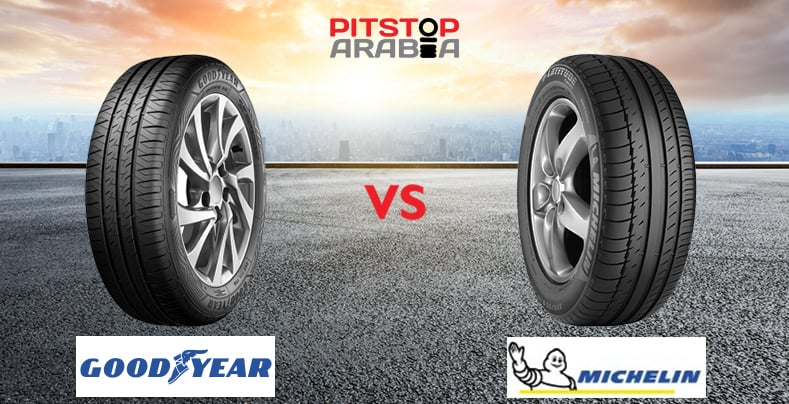
Credit: www.pitstoparabia.com
Tire Technology
Tire technology shapes how tires perform on roads. It affects safety, comfort, and fuel efficiency. Both Goodyear and Michelin invest heavily in new technology. Their innovations help drivers get better control and longer tire life.
Innovations By Goodyear
Goodyear uses advanced materials to make tires strong and light. They developed the Eagle F1 Asymmetric tire with a special tread for better grip. Goodyear also created the RunOnFlat technology. It lets drivers keep moving after a puncture. Their self-inflating tire concept aims to keep tires at perfect pressure.
Michelin’s Technological Edge
Michelin focuses on durability and fuel savings. Their EverGrip technology improves wet traction as tires wear. They use a special rubber compound for longer tread life. The Michelin Primacy line offers a quiet and smooth ride. Michelin also works on eco-friendly tires that reduce CO2 emissions.
Performance On Road
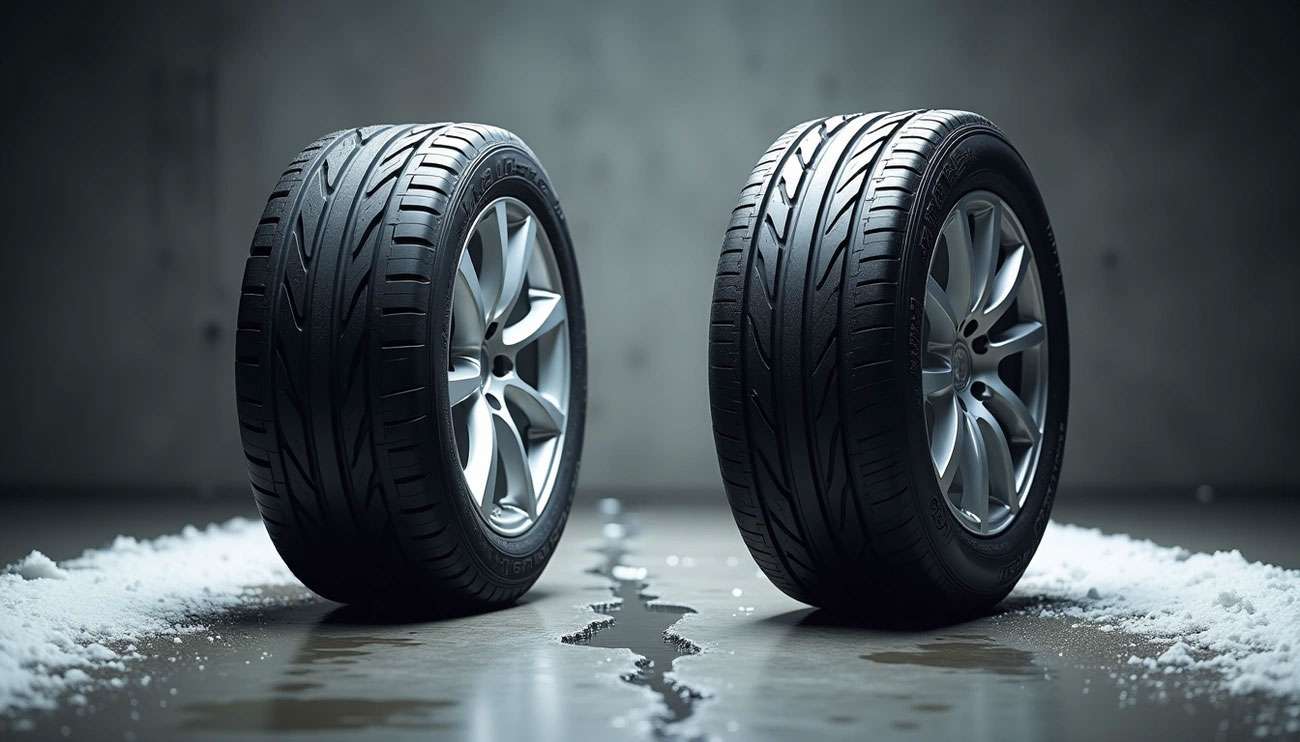
Performance on the road is a key factor when choosing between Goodyear and Michelin tires. Drivers want tires that provide safety, control, and comfort. Both brands have strong reputations, but they offer different experiences on the road. Let’s explore how they compare in handling, ride comfort, and noise levels.
Handling And Grip
Goodyear tires deliver solid grip on dry and wet roads. Their tread patterns help maintain control during sharp turns and quick stops. Michelin tires excel in providing excellent traction on slippery surfaces. They often use advanced rubber compounds to boost grip. Both brands perform well, but Michelin tires tend to have a slight edge in wet conditions.
Ride Comfort
Michelin tires are known for their smooth ride quality. They absorb bumps and vibrations effectively. Goodyear tires also offer a comfortable ride, but some models feel firmer on rough roads. Comfort varies by tire type and size, but Michelin usually leads in cushioning and shock absorption.
Noise Levels
Michelin tires often produce less road noise, making for a quieter drive. Their tread designs reduce sound caused by tire-road contact. Goodyear tires can be a bit louder, especially on highways. Noise differences are subtle but noticeable during long drives. Quiet tires improve overall driving comfort and reduce fatigue.
Credit: www.performanceplustire.com
Durability And Wear
Durability and wear are key factors when choosing tires. They affect safety and cost over time. Tires that last longer save money on replacements. Strong tires resist damage better on rough roads. Both Goodyear and Michelin offer solid options. Each brand has unique features for durability. Let’s explore how they compare.
Tread Life
Tread life measures how long tires stay usable. Goodyear tires often provide good tread life for many miles. Their rubber compounds balance grip and wear. Michelin tires are known for longer tread life. They use advanced materials to reduce wear. Both brands offer warranties that show confidence in tread durability. The choice depends on driving style and road conditions.
Resistance To Damage
Damage resistance means how well tires handle cuts and impacts. Goodyear tires have reinforced sidewalls to protect from sharp objects. They perform well on rough, uneven surfaces. Michelin tires use strong materials that resist punctures and tears. Their designs often include extra layers for protection. Both brands reduce the risk of flats and tire damage. This helps drivers stay safe and avoid repair costs.
Fuel Efficiency
Fuel efficiency is a key factor when choosing tires. It affects how much fuel your car uses. Tires with better fuel efficiency save money at the pump. They also reduce harmful emissions. Both Goodyear and Michelin design tires to improve fuel economy. Understanding their differences helps you pick the best option.
Rolling Resistance
Rolling resistance means how hard tires roll on the road. Lower rolling resistance means less energy is needed to move. Michelin tires often have lower rolling resistance. This helps cars use less fuel. Goodyear tires also focus on reducing rolling resistance. Their designs balance grip and fuel savings. Tires with low rolling resistance keep your car moving smoothly with less fuel.
Impact On Mileage
Tires affect your car’s mileage directly. Michelin tires usually provide better mileage due to efficient tread patterns. Goodyear tires offer good mileage but may vary by model. Choosing tires with good fuel efficiency increases distance per gallon. This reduces fuel costs over time. Both brands offer options that help you save fuel. Checking specific tire ratings helps find the best fit for mileage needs.
Price And Value
Price and value are key factors when choosing between Goodyear tires and Michelin tires. Both brands offer quality products, but they vary in cost and benefits. Understanding these differences helps you make a smart purchase that fits your budget and needs.
Cost Comparison
Goodyear tires usually cost less than Michelin tires. This makes Goodyear a good choice for those on a tight budget. Michelin tires often come with a higher price tag but offer advanced technology and longer tread life. The extra cost can be worth it for drivers who want better performance and durability.
Warranty And Support
Both Goodyear and Michelin provide solid warranties. Goodyear offers a limited warranty that covers defects and tread life. Michelin’s warranty often lasts longer and covers more issues. Customer support is strong for both brands, helping with claims and questions quickly. Choosing a tire with a good warranty adds value beyond just the price.
User Reviews
User reviews offer valuable insights into the real performance of Goodyear and Michelin tires. Buyers share their experiences, highlighting strengths and weaknesses. These opinions help potential buyers make smarter choices based on actual use.
Customer Satisfaction
Many Goodyear users praise the tires for good grip and long tread life. They often report smooth rides and strong handling on wet roads. Michelin customers highlight excellent comfort and quietness. They appreciate the tires’ durability and fuel efficiency. Both brands receive high marks for safety and reliability from most users.
Common Complaints
Some Goodyear buyers mention faster wear on rough surfaces. A few complain about noise at high speeds. Michelin users sometimes report higher prices compared to other brands. Some find the tires less responsive in extreme winter conditions. Both brands have occasional reports of balancing issues right after installation.
Best Use Cases
Choosing the right tire depends on where you drive most. Both Goodyear and Michelin offer strong options, but each shines in different conditions. Understanding their best use cases helps pick the perfect tire for your needs.
Off-road Performance
Goodyear tires handle rough terrains well. Their tough tread design offers strong grip on dirt and rocks. These tires resist cuts and tears, ideal for rugged trails. Michelin tires also perform off-road but focus more on comfort and control. Goodyear suits drivers who need durable tires for heavy off-road use.
Highway Driving
Michelin tires excel on highways. They provide smooth rides and reduce road noise. Their tread lasts long and improves fuel efficiency. Goodyear tires also offer good highway performance but with a bit more road feedback. For long highway trips, Michelin gives a quieter, comfortable experience.
All-weather Conditions
Both brands offer tires that work well in all weather. Michelin tires have advanced compounds for wet and dry grip. They perform well in light snow too. Goodyear tires focus on strong traction in rain and snow. Their tread design helps prevent hydroplaning. Choose based on your local weather and driving style.

Credit: www.reddit.com
Frequently Asked Questions
Which Brand Offers Better Tire Durability, Goodyear Or Michelin?
Michelin tires generally provide superior durability due to advanced rubber compounds. Goodyear also offers strong durability but Michelin often lasts longer in various conditions. Both brands invest in technology to enhance tire life and performance.
How Do Goodyear And Michelin Tires Compare In Wet Traction?
Michelin tires are known for excellent wet traction with innovative tread designs. Goodyear also performs well but Michelin often edges out in safety and grip on wet roads. Both brands prioritize wet-weather performance for driver safety.
Are Michelin Tires More Expensive Than Goodyear Tires?
Yes, Michelin tires typically cost more than Goodyear due to premium materials and technology. However, Michelin’s longer tread life can offer better value over time. Goodyear provides a range of budget-friendly options without compromising quality.
Which Brand Has Better Fuel Efficiency, Goodyear Or Michelin?
Michelin tires usually provide better fuel efficiency thanks to low rolling resistance technology. Goodyear also offers fuel-efficient models, but Michelin often leads in reducing fuel consumption and emissions. Both brands focus on eco-friendly tire options.
Conclusion
Choosing between Goodyear and Michelin tires depends on your needs. Both brands offer good quality and safety. Goodyear tires often focus on durability and value. Michelin tires tend to provide better fuel efficiency and comfort. Consider your driving style and budget carefully.
Check reviews and ratings for specific tire models. Remember, the right tire helps keep you safe on the road. Take time to compare features before deciding. Your choice should match your car and driving conditions. Quality tires make every trip smoother and safer.