Choosing the right tires for your vehicle can feel overwhelming. You want something reliable, durable, and safe—but with so many options, how do you decide?
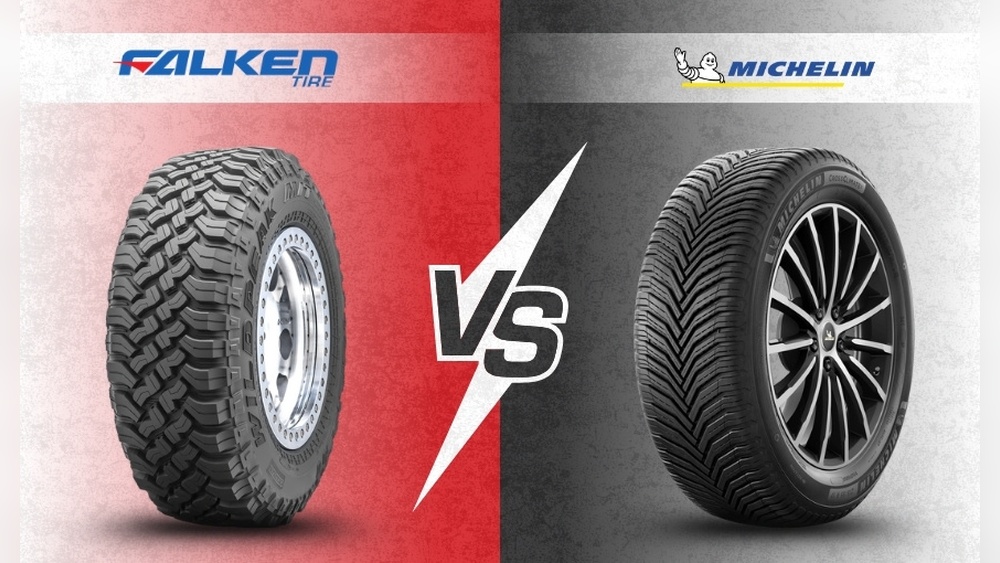
If you’re stuck between Summit Tires and Michelin, you’re not alone. Both brands promise quality, but which one truly fits your needs and budget? You’ll discover the key differences, benefits, and drawbacks of each brand. By the end, you’ll have a clear picture to help you make the best choice for your car and your peace of mind.
Keep reading to find out which tires will take your driving experience to the next level.
Brand Histories
The history of a tire brand tells a lot about its quality and trust. Both Summit Tires and Michelin have unique stories. These stories shape their products and customer trust. Knowing their origins helps buyers make smart choices. Let’s explore how these brands started and grew.
Origins Of Summit Tires
Summit Tires began as a part of a larger tire group. It was created to offer reliable tires at fair prices. The brand focuses on everyday drivers who want value. Summit invests in good materials and modern technology. It has grown steadily, gaining respect among budget-conscious buyers. The company works hard to improve safety and durability.
Michelin’s Legacy
Michelin is one of the oldest tire makers in the world. It started in France in 1889 with two brothers. They invented the removable pneumatic tire, a big innovation. Michelin is known for quality, safety, and innovation. The brand supplies tires for cars, trucks, and planes. Over the years, Michelin has set many industry standards. Its reputation is built on performance and long-lasting tires.
Product Range
Choosing the right tire brand depends on the variety of products offered. Both Summit Tires and Michelin provide options for different vehicles and driving needs. Their product ranges cater to everyday drivers, performance seekers, and off-road enthusiasts. Understanding their lineups helps buyers decide which brand fits their lifestyle and budget.
Summit Tires Lineup
Summit Tires offers a practical selection focused on value and performance. Their lineup includes all-season, winter, and performance tires. These tires suit cars, SUVs, and light trucks. Summit also provides budget-friendly options without sacrificing quality. The range covers standard sizes and some specialty tires for niche needs. This brand targets drivers who want reliable tires at a reasonable price.
Michelin Tire Selection
Michelin presents a broad and advanced tire collection. Their range covers passenger cars, SUVs, trucks, and motorcycles. Michelin tires include all-season, summer, winter, and high-performance models. They emphasize innovation and durability. Many Michelin tires feature special compounds for better grip and longer life. The brand also offers eco-friendly choices to reduce fuel consumption. Michelin suits drivers seeking top-quality and technology in their tires.
Performance Comparison
Performance is a key factor when choosing between Summit Tires and Michelin. Both brands offer solid options, but their strengths differ. This section compares their traction, handling, comfort, and noise levels. Understanding these aspects helps you pick the right tire for your needs.
Traction And Grip
Michelin tires provide excellent grip on wet and dry roads. Their tread design helps prevent slipping during rain. Summit Tires also offer good traction, especially in dry conditions. They perform well on highways and city streets. For snowy or icy roads, Michelin usually has an edge with specialized models. Summit tires may struggle more in extreme winter conditions.
Handling And Stability
Michelin tires are known for stable handling at high speeds. They respond quickly to steering changes, making driving safer. Summit Tires give decent control but feel less precise on sharp turns. Their stability is fine for everyday driving but may not satisfy aggressive drivers. Michelin’s advanced rubber compounds help maintain better road contact.
Ride Comfort
Both brands focus on comfort, but Michelin often leads. Their tires absorb bumps and reduce vibrations well. Summit Tires offer a smooth ride but can feel firmer on rough roads. Noise and harshness levels affect comfort, and Michelin’s softer compounds help create a quieter cabin.
Noise Levels
Michelin tires usually produce less road noise than Summit Tires. Their tread patterns minimize sound waves. Summit Tires can be louder, especially on highways. Noise levels vary by tire model and road surface. Quiet tires improve long drives and reduce fatigue.
Durability And Lifespan
Durability and lifespan are key factors when choosing tires. Tires that last longer save money and reduce hassle. Both Summit Tires and Michelin offer durable products, but they differ in how long their tires perform well. Understanding these differences helps you pick the best tire for your needs.
Tread Life
Tread life shows how long tires keep good grip on the road. Michelin tires usually have longer tread life. They use advanced rubber compounds that wear slowly. Summit Tires offer decent tread life but may wear faster on rough roads. Regular tire rotation can improve tread life for both brands.
Wear Resistance
Wear resistance means how well tires stand against damage and rough surfaces. Michelin tires have strong wear resistance due to their design and materials. They handle daily driving and harsh conditions well. Summit Tires provide good wear resistance but may not last as long under heavy use. Proper maintenance helps improve wear resistance for any tire.
Price And Value
Price and value are key factors when choosing between Summit Tires and Michelin. Buyers want good quality without paying too much. Both brands offer different pricing and benefits. Understanding these differences helps make a better choice.
Cost Differences
Summit Tires are usually cheaper than Michelin tires. Summit focuses on budget-friendly options. Michelin tires cost more but offer advanced technology. The price gap reflects the difference in materials and design. Summit suits drivers on a tight budget. Michelin fits those who want premium quality.
Value For Money
Michelin tires last longer and provide better performance. They give more miles per tire, saving money over time. Summit tires serve well for everyday driving and short trips. They offer decent quality for their price. Choosing depends on how much you drive and your needs.
Safety Features
Safety is the top priority for any tire. Both Summit Tires and Michelin focus on features that protect drivers on the road. Their designs help maintain control and reduce risks. Understanding these safety aspects helps you choose the right tire.
Wet And Dry Performance
Summit Tires offer solid grip on wet roads. Their tread patterns channel water away to prevent slipping. Michelin tires use advanced rubber compounds for better traction. This improves stability on dry pavement too. Both brands aim to keep you steady in different weather.
Braking Efficiency
Quick stopping distances matter most in emergencies. Summit Tires provide reliable braking with strong road contact. Michelin excels with technology that shortens braking lengths. This means safer stops in unexpected situations. Choosing a tire with good braking helps avoid accidents.
Customer Feedback
Customer feedback gives real insight into tire performance. It shows how Summit and Michelin tires work in daily use. Reviews reveal strengths and weaknesses from actual buyers. This helps you decide which brand fits your needs best.
User Reviews On Summit
Summit tires get praise for their affordable price. Many users say these tires offer good grip on dry roads. Some reviews mention decent performance in light rain. People like the quiet ride Summit tires provide. A few customers note faster wear after heavy use. Overall, users find Summit tires good for budget buys.
Michelin Customer Ratings
Michelin tires have high ratings for durability and safety. Buyers often mention excellent traction in wet and snow conditions. Many say these tires last longer than others they tried. Comfort and smooth driving get frequent positive comments. Some users find Michelin tires a bit expensive. Most agree the quality justifies the price.

Credit: www.discountedwheelwarehouse.com
Warranty And Support
Warranty and support are key factors when choosing tires. They show how much a brand trusts its products. Good warranty offers peace of mind. Support helps if problems arise. Let’s explore the warranty details for Summit Tires and Michelin.
Summit Tires Warranty Details
Summit Tires offers a limited warranty on most products. It covers defects in materials and workmanship. Coverage usually lasts up to 50,000 miles. Some tires come with a treadwear warranty. It protects against abnormal wear under normal use.
Summit also provides free replacement for tires with manufacturing defects. Road hazard protection may be available on select models. Customers must keep purchase receipts for warranty claims. Support is accessible via phone or website for assistance.
Michelin Warranty Coverage
Michelin includes a limited warranty covering defects and workmanship. Treadwear warranties vary, with some tires covering up to 70,000 miles. They also offer a limited road hazard warranty on many tires.
Michelin’s support team helps with claims and questions. Customers can register tires online for easier service. They provide clear instructions for submitting warranty claims. Michelin’s extensive dealer network aids in fast replacements.
Environmental Impact
Choosing tires affects the environment more than many realize. Both Summit Tires and Michelin take steps to reduce their impact. Understanding their environmental efforts helps you make a better choice. This section compares their eco-friendly actions and recycling programs.
Eco-friendly Practices
Summit Tires uses materials that lower pollution during production. They focus on reducing energy use in their factories. Their tires are designed to last longer, cutting waste.
Michelin invests heavily in green technology. They develop tires that improve fuel efficiency, reducing carbon emissions. Their factories use renewable energy to limit their carbon footprint.
Recycling Programs
Summit Tires supports local tire recycling initiatives. They encourage customers to return old tires for proper disposal. This reduces waste in landfills and promotes reuse.
Michelin runs global recycling programs. They collect used tires and transform them into new products. Their efforts help reduce environmental damage from tire waste.
Credit: www.summitracing.com
Choosing The Right Tire
Choosing the right tire affects your vehicle’s safety and performance. Tires impact fuel efficiency, comfort, and handling. Both Summit Tires and Michelin offer quality options. Understanding their differences helps you pick the best fit.
Factors To Consider
Start with your driving style. Do you drive mostly in the city or off-road? Check tire durability and tread life. Consider weather conditions in your area. Wet, dry, or snowy roads need different tires. Look at the tire’s warranty and price. Find a balance between cost and quality. Noise level and ride comfort also matter. Finally, ensure the tire fits your vehicle’s size and load needs.
Best Use Cases For Each Brand
Summit Tires often suit budget-friendly buyers. They work well for daily driving on paved roads. Their tires provide decent traction and comfort. Summit is a good choice for light trucks and small SUVs.
Michelin tires excel in performance and durability. They offer advanced grip on wet and dry surfaces. Michelin is ideal for long trips and tough weather. Their tires support high-speed stability and fuel savings. Choose Michelin for premium cars and heavy-duty vehicles.

Credit: www.youtube.com
Frequently Asked Questions
What Are The Key Differences Between Summit Tires And Michelin?
Summit Tires offer budget-friendly options, while Michelin focuses on premium quality. Michelin provides better durability, performance, and technology. Summit suits casual drivers, Michelin fits performance and safety-conscious users.
Which Tire Brand Offers Better Durability, Summit Or Michelin?
Michelin tires generally last longer due to superior materials and engineering. Summit tires provide decent durability but may wear faster under heavy use.
Are Summit Tires Or Michelin Better For All-weather Conditions?
Michelin tires excel in all-weather traction and safety features. Summit tires perform adequately in mild conditions but may lack advanced weather technologies.
How Do Summit Tires Compare To Michelin In Price?
Summit Tires are more affordable, targeting budget buyers. Michelin tires are pricier but offer greater value through performance and longevity.
Conclusion
Choosing between Summit Tires and Michelin depends on your needs. Summit offers good value and decent performance. Michelin provides top quality and longer tire life. Both brands have their strengths and weaknesses. Consider your budget and driving habits carefully. Quality, price, and safety matter most for your tires.
Make a smart choice for better road experience. Tires keep you safe and comfortable on the road. Trust your decision to enjoy every drive.