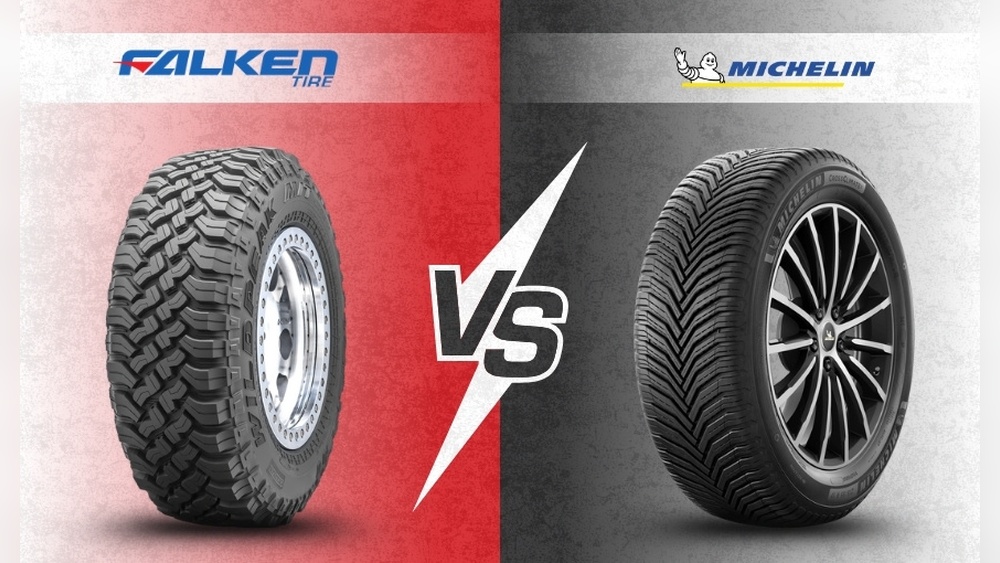
Choosing the right tires can make a huge difference in how your car handles, feels, and performs. When you’re deciding between Otani Tires and Michelin, you want to know which brand will give you the best value, safety, and comfort.
You might wonder which one lasts longer, grips better on wet roads, or offers a smoother ride. This guide breaks down everything you need to know about Otani Tires vs Michelin, so you can make a confident choice that keeps you safe and satisfied on every drive.
Keep reading to discover which tire brand truly fits your needs and driving style.
Brand Backgrounds
Understanding the background of a tire brand helps in making smart choices. Each brand carries its own story and values. These stories influence product quality and customer trust. Let’s explore the origins of Otani Tires and Michelin to see how they differ.
History Of Otani Tires
Otani Tires started in the late 20th century. The brand focuses on affordable tires. It serves mainly budget-conscious drivers. Otani aims to provide good performance at a low price. The company grew quickly in Asia and parts of Europe. Otani uses basic technology to keep costs down. Many drivers choose Otani for everyday use.
Michelin’s Legacy
Michelin began in 1889 in France. It is one of the oldest tire makers worldwide. The brand is known for high quality and innovation. Michelin invests heavily in research and safety. Their tires are popular among luxury and sports car owners. Michelin also supports road safety education globally. This rich history gives Michelin a strong reputation.
Performance And Handling
Performance and handling are key factors when choosing tires. They affect your car’s safety and driving comfort. Both Otani and Michelin offer tires designed to improve grip and control. Understanding their differences helps you pick the best option for your needs.
Wet And Dry Traction
Otani tires provide solid traction on dry roads. Their tread design helps maintain good contact with the pavement. Michelin tires excel in wet conditions. They use advanced rubber compounds that grip slippery surfaces well. Both brands aim to reduce the chance of skidding. Michelin has a slight edge for wet traction, while Otani performs well in dry conditions.
Cornering And Stability
Cornering ability is vital for safe turns and sharp bends. Otani tires offer decent stability during cornering. Their sidewalls are firm but flexible. Michelin tires provide excellent cornering control. They keep the car steady even at higher speeds. Stability on straight roads is strong with both brands. Michelin tires tend to offer a smoother and more confident ride when handling curves.
Durability And Tread Life
Durability and tread life are key factors for anyone choosing tires. These qualities affect safety, cost, and how often you replace tires. Both Otani and Michelin offer strong options, but they differ in wear and longevity. Understanding these differences helps you pick the best tire for your needs.
Wear Resistance
Otani tires use tough rubber compounds to resist wear. This helps them last longer on rough roads. Michelin tires also have strong wear resistance with advanced materials. Their tread design spreads pressure evenly, reducing uneven wear. Overall, Michelin often lasts longer, but Otani provides good value for moderate use.
Warranty And Guarantees
Otani offers standard warranties that cover tread life for most tires. These warranties usually promise a certain number of miles before wear out. Michelin stands out with longer tread life warranties on many models. These guarantees show confidence in durability and give peace of mind. Checking warranty details is smart before buying any tire.
Pricing And Value
Choosing the right tires involves balancing price and quality. Both Otani and Michelin offer options that suit different budgets and needs. Understanding their pricing helps buyers make smart choices. Value is not just about the price tag but the overall benefit from the tire.
Cost Comparison
Otani tires usually cost less than Michelin tires. Otani targets budget-friendly buyers. Michelin tires come with a higher price but include advanced technology. The price difference can be seen clearly across similar tire types. Otani focuses on affordability, while Michelin emphasizes premium features.
Value For Money
Michelin tires last longer and perform better in safety tests. This can save money over time on replacements and repairs. Otani tires offer good performance for their lower price. They fit well for daily driving and moderate use. Choosing depends on how much you drive and what you expect from your tires.
Safety Features
Safety is a top priority when choosing tires. Both Otani and Michelin focus on features that protect drivers. These features help keep control in different road conditions.
Brake Performance
Brake performance shows how fast a tire stops a vehicle. Michelin tires use special rubber compounds for strong grip. This helps cars stop quickly on dry and wet roads. Otani tires offer good brake response too. Their tread design helps maintain contact with the road. Both brands aim to reduce stopping distance and improve safety.
Hydroplaning Resistance
Hydroplaning happens when water builds under tires, causing loss of control. Michelin tires have deep grooves that channel water away. This lowers the risk of slipping on wet roads. Otani tires also feature wide channels for water drainage. They provide steady handling in rainy conditions. Choosing tires with strong hydroplaning resistance helps keep you safe in wet weather.

Credit: www.wheelsetgo.com
Customer Feedback
Customer feedback reveals real experiences with Otani and Michelin tires. It shows how each brand performs on roads and in daily use. Buyers share pros and cons that help others choose the right tire.
User Reviews On Otani
Many Otani users praise the tires for good grip and durability. They often mention the tires work well in wet conditions. Some users note the price is affordable compared to other brands. A few reviews point out the tires can wear faster on rough roads. Overall, Otani customers find decent value for the cost.
Michelin Customer Ratings
Michelin tires receive high ratings for comfort and long life. Users say the tires provide smooth rides and strong road hold. Many highlight excellent performance in dry and wet weather. Some customers mention the higher price but feel it is worth it. Michelin reviews often show strong trust in the brand’s quality.
Environmental Impact
Tire production and disposal affect the environment in many ways. Both Otani Tires and Michelin work to reduce their impact. This section compares their efforts in eco-friendly technologies and recycling practices.
Eco-friendly Technologies
Michelin invests heavily in green technology. They develop tires that use less fuel and produce fewer emissions. Their energy-saving tires help cars run cleaner and longer. Otani Tires also focuses on eco-friendly materials. They use compounds that lower rolling resistance. This helps improve fuel economy. Both brands aim to reduce carbon footprints through innovation.
Recycling And Sustainability
Michelin has strong recycling programs worldwide. They reclaim old tires and turn them into new products. Their factories use renewable energy sources to cut waste. Otani Tires promotes tire reuse and recycling. They partner with local centers to manage tire disposal better. Both companies take steps to support a circular economy. Their efforts help lessen landfill waste and conserve resources.
Credit: www.youtube.com
Availability And Warranty
Availability and warranty are key factors when choosing tires. They affect your buying ease and peace of mind. Both Otani Tires and Michelin offer different strengths in these areas. Understanding their global reach and service options helps you decide which fits your needs best.
Global Reach
Michelin has a vast global presence. It sells tires in many countries and regions. Finding Michelin tires is easy almost everywhere. Otani Tires have a smaller but growing network. They focus more on select markets and online sales. This means Michelin is often easier to find locally. Otani may require ordering from specific dealers or websites.
Service And Support
Michelin provides strong customer support worldwide. Their warranty covers defects and some road hazards. Customers can access help at many service centers. Otani offers warranties too, but they vary by region. Their support is improving but less extensive than Michelin’s. Checking warranty terms before purchase is important for both brands.

Credit: www.youtube.com
Frequently Asked Questions
Which Tire Brand Offers Better Durability, Otani Or Michelin?
Michelin tires generally offer superior durability due to advanced rubber compounds. Otani tires provide decent wear but may not last as long under harsh conditions.
How Do Otani And Michelin Compare In Wet Traction?
Michelin tires excel in wet traction with advanced tread designs. Otani tires perform adequately but may not match Michelin’s superior grip on wet roads.
Are Otani Tires More Affordable Than Michelin Tires?
Yes, Otani tires are typically more budget-friendly. Michelin tires come at a premium price reflecting their high quality and technology.
Which Tire Brand Provides Better Ride Comfort?
Michelin tires are known for a smoother, quieter ride. Otani tires offer reasonable comfort but might lack Michelin’s refined ride quality.
Conclusion
Choosing between Otani tires and Michelin depends on your needs and budget. Otani offers good value for everyday driving. Michelin provides excellent performance and durability but costs more. Both brands have strengths in safety and traction. Think about how often and where you drive.
Your decision should balance quality and price. Either choice can keep your vehicle safe on the road. Choose what fits your priorities best. Simple and smart.