Choosing the right tires can make a big difference in how your vehicle feels and performs on the road. If you’ve been wondering whether to go with 215 or 225 tires, you’re not alone.
This simple number affects your ride’s comfort, grip, and even fuel efficiency. But how do you know which size fits your needs best? Keep reading, and you’ll discover what sets these two tire sizes apart and which one could give your car the boost it deserves.
Your next smooth drive might just depend on the choice you make here.
Tire Size Basics
Tire size can be confusing at first. Knowing the basics helps you choose the right tire. The numbers on a tire tell you about its width and height. This affects how your car drives and handles. Understanding the difference between 215 and 225 tires is a good place to start.
Let’s break down what these numbers mean. This simple knowledge helps you pick a tire that fits your needs. It also ensures safety and performance on the road.
What 215 And 225 Mean
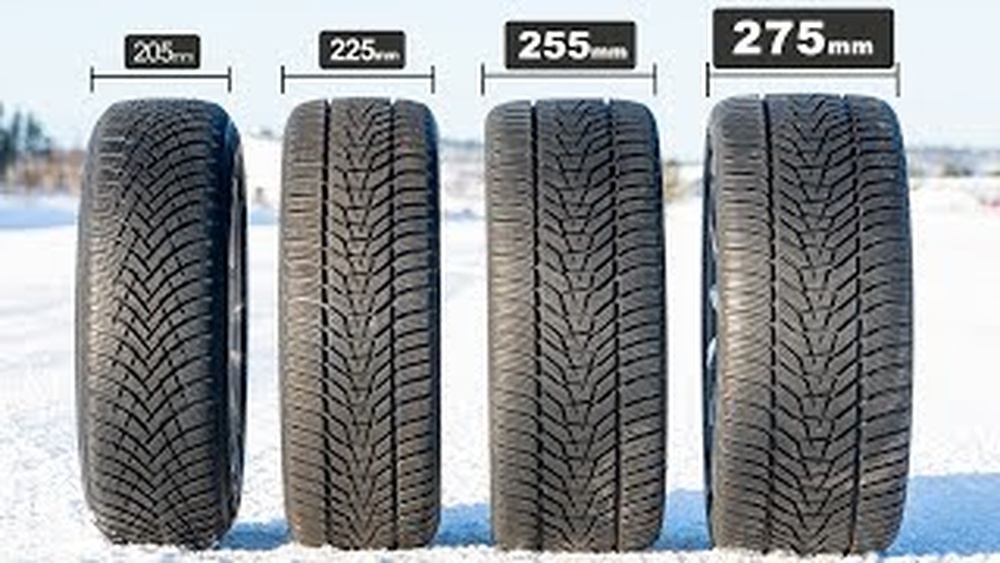
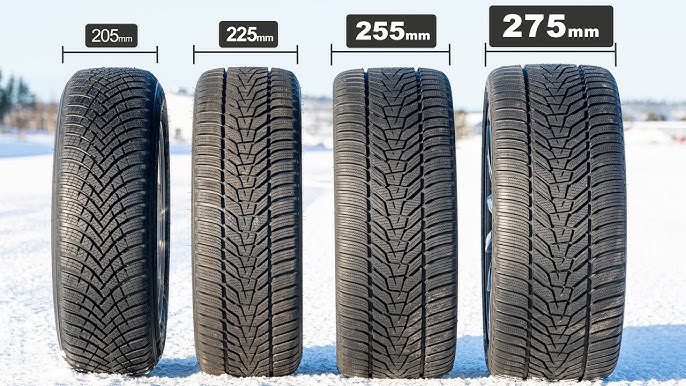
The numbers 215 and 225 show the tire’s width in millimeters. A 215 tire is 215 millimeters wide. A 225 tire is 225 millimeters wide. This means the 225 tire is slightly wider than the 215. Width affects grip and how your car feels on the road.
Width And Profile Differences
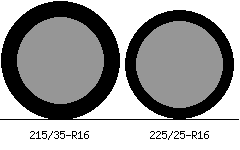
Besides width, tires have a profile or aspect ratio. This is the height of the tire sidewall as a percentage of the width. A common profile might be 60, meaning the height is 60% of the width. A wider tire like 225 often has a shorter profile. This makes the sidewall lower. Lower sidewalls can improve handling but may reduce ride comfort.
Choosing between 215 and 225 tires means balancing grip and comfort. Wider tires offer more grip but may feel stiffer. Narrower tires can be softer but might have less traction. Your choice depends on your driving style and road conditions.
Impact On Performance
The choice between 215 and 225 tires influences your vehicle’s performance in several ways. Tire width affects how your car behaves on the road. It changes how fast you can go, how well you handle turns, and how quickly you can stop. Understanding these effects helps you pick the right tire for your needs.
Acceleration And Speed
Narrower 215 tires usually weigh less. This helps your car accelerate faster. They create less rolling resistance, allowing better fuel efficiency. Wider 225 tires have more grip but add weight. This can slow acceleration slightly. Speed at steady cruising may not differ much between them.
Handling And Cornering
Wider 225 tires provide better traction on corners. They offer more surface contact with the road. This improves stability and reduces body roll. Narrower 215 tires can feel lighter and more responsive. They work well on smooth roads but may slip more on wet surfaces.
Braking Efficiency
225 tires usually offer shorter stopping distances. More rubber on the road means better grip under braking. This can increase safety, especially in emergencies. The 215 tires may take a bit longer to stop. Tire quality and tread pattern also affect braking performance.
Safety Considerations
Choosing between 215 and 225 tires affects your safety on the road. Tire size changes how your car grips the road and handles different conditions. Understanding safety factors helps you make the right choice for driving confidence.
Traction In Wet And Dry Conditions
215 tires often provide better traction in dry conditions. They have a smaller contact patch, which can improve handling. 225 tires offer a wider surface, which helps grip wet roads better. Wider tires can reduce slipping on rain-soaked surfaces. Consider your usual driving environment before choosing.
Hydroplaning Risks
Hydroplaning happens when water lifts your tires off the road. Wider 225 tires face a higher chance of hydroplaning. They push more water under the tire, which can reduce contact with the road. Narrower 215 tires cut through water more easily. This can improve safety during heavy rain or flooded roads.
Tire Wear And Longevity
215 tires tend to wear more evenly and last longer. Their smaller size means less friction and heat build-up. 225 tires may wear faster due to their larger surface area. They create more heat and stress during driving. Regular tire maintenance can help extend the life of both sizes.
Fuel Efficiency Effects
Choosing between 215 and 225 tires affects your car’s fuel efficiency. The size and type of tire influence how much fuel your vehicle uses. Small differences in tire width can change driving habits and fuel costs.
Understanding the fuel efficiency effects helps you pick the right tire for daily driving. Two key factors are rolling resistance and weight impact. Both affect how hard your engine must work.
Rolling Resistance
Rolling resistance is the force a tire needs to roll on the road. Wider tires like 225 usually have higher rolling resistance. This means the engine uses more fuel to move the car. Narrower 215 tires have less rolling resistance. They help save fuel by reducing the effort needed to move forward.
Lower rolling resistance tires can improve your miles per gallon. The difference might be small but adds up over time. Choosing tires with less resistance helps keep fuel costs down.
Weight Impact
Heavier tires increase the car’s overall weight. The 225 tires tend to weigh more than 215 tires. Extra weight makes the engine work harder. This reduces fuel efficiency. Lighter tires like 215 help the car use less fuel during acceleration and braking.
Weight also affects how the car handles. Heavier tires can slow acceleration slightly. This leads to more fuel consumption. Picking lighter tires supports better fuel economy and smoother driving.
Ride Comfort And Noise
Ride comfort and noise play a big role in choosing between 215 and 225 tires. These factors affect how smooth and quiet your drive feels. Small changes in tire width can change your experience on the road.
Road Feel Differences
215 tires often give a softer ride. They absorb bumps better due to their narrower width. This means less vibration inside the car. 225 tires offer more grip but can feel firmer. The wider surface touches more of the road, making the ride stiffer. Drivers may feel bumps more with 225 tires. The choice depends on whether you want comfort or a sportier feel.
Noise Levels
Noise from the tires affects cabin quietness. 215 tires tend to produce less road noise. Their smaller contact patch creates fewer sounds. 225 tires usually make more noise at higher speeds. The wider tread can increase wind and road noise. Quiet rides favor 215 tires, while 225 tires may be louder but provide better traction.
Credit: www.youtube.com
Cost And Availability
Choosing between 215 and 225 tires often depends on cost and availability. These factors affect your budget and how quickly you can get new tires. Understanding the price and options helps make a better choice.
Price Comparison
215 tires usually cost less than 225 tires. The narrower size uses less material, which lowers the price. You can find 215 tires at many price points, from budget to premium.
225 tires tend to be slightly more expensive. The wider design needs more rubber, which adds to the cost. Prices vary by brand and tire type, but expect to pay more than for 215 tires.
Availability And Options
215 tires are more common on many cars and trucks. Many stores stock them, so you find them easily. The wide range of models and brands gives many options.
225 tires are also popular but less common than 215. Some specialty or performance tires come only in 225. Availability depends on your location and the store’s selection.
Choosing The Right Tire
Choosing the right tire is important for your vehicle’s safety and performance. Tires affect how your car handles, rides, and stops. Picking between 215 and 225 tires depends on several key factors. Understanding these will help you make a smart choice for your driving needs.
Consider your vehicle type, how you drive, and the road conditions. These points guide you to the best tire size for your car or truck. Let’s explore these factors in detail.
Vehicle Compatibility
Not all tires fit every vehicle. Check your owner’s manual for recommended tire sizes. A 215 tire is usually narrower and lighter. A 225 tire offers a wider tread, giving more contact with the road. Choose a tire size that matches your vehicle’s rim and suspension. Using the wrong size can affect fuel economy and handling.
Driving Style Influence
Your driving habits affect the best tire choice. For city driving, a 215 tire provides better fuel efficiency and easier steering. If you drive fast or take sharp turns, a 225 tire can give more grip and stability. Consider how often you drive on highways or rough roads. Match your tire choice to your usual speed and control needs.
Weather And Terrain Factors
Road and weather conditions impact tire performance. In wet or slippery conditions, a wider 225 tire can improve traction. For dry and smooth roads, a 215 tire works well and lasts longer. Off-road or uneven terrain demands tires with strong sidewalls and good tread. Think about the climate and surface where you drive most.

Credit: www.lotustalk.com
Credit: www.tacomaworld.com
Frequently Asked Questions
What Are The Main Differences Between 215 And 225 Tires?
215 tires are narrower, offering better fuel efficiency. 225 tires are wider, providing improved grip and handling. The choice depends on your driving needs and vehicle specifications.
How Does Tire Width Affect Vehicle Performance?
Wider tires like 225 provide better traction and stability. Narrower tires like 215 offer less rolling resistance, improving fuel economy. Tire width impacts comfort, handling, and road contact.
Can I Replace 215 Tires With 225 Tires?
Yes, if your vehicle supports the size change. Ensure the new tires fit your rims and wheel wells properly. Consult your vehicle manual or a tire expert before switching.
Do 225 Tires Wear Out Faster Than 215 Tires?
225 tires may wear slightly faster due to increased road contact. However, proper maintenance and driving habits heavily influence tire lifespan regardless of width.
Conclusion
Choosing between 215 and 225 tires depends on your needs. Narrower tires like 215 offer better fuel economy and smooth rides. Wider 225 tires give more grip and stability on the road. Consider your driving style, road conditions, and vehicle type.
Both sizes have pros and cons worth thinking about. Pick the tire that suits your daily use best. This way, you get safety and comfort every time you drive. Tires matter—choose wisely for a better driving experience.