Have you ever faced a flat tire and wondered whether to patch it or plug it? Knowing the difference can save you time, money, and even keep you safe on the road.
You might think both options do the same job, but they don’t—and choosing the right one matters. You’ll discover exactly when to patch your tire and when plugging is enough. By the end, you’ll feel confident making the best choice for your tire and your journey.
Keep reading to find out which fix is right for you.
Tire Damage Types
Tires can suffer different types of damage. Knowing the damage type helps decide between patching or plugging. Some damage is simple and easy to fix. Other damage is serious and needs a new tire. Understanding tire damage types saves time and money.
Damage can affect the tire’s sidewall, tread, or inner layers. Each part has a different repair method. Some damage causes air leaks quickly. Others weaken the tire slowly. Detecting the damage early improves safety on the road.
Common Puncture Causes
Sharp objects like nails and screws often cause punctures. Roads with debris increase the risk of tire damage. Potholes and rough surfaces can also harm tires. Overloading the vehicle stresses tires and causes damage. Driving on underinflated tires makes punctures more likely.
Most punctures happen in the tread area. This part can sometimes be safely repaired. Sidewall damage is less common but more serious. Small holes in the tread can be fixed by patching or plugging. Larger or irregular holes require more attention.
When Damage Is Beyond Repair
Some tire damage is too severe to fix. Sidewall cuts or large holes weaken the tire structure. Damaged tires may cause sudden air loss or blowouts. Deep cracks and worn-out tread reduce tire safety. Repairs cannot restore full strength in these cases.
Visible damage inside the tire means replacement is needed. Tires with multiple punctures risk failure even after repair. If the tire does not hold air, it is unsafe. Tire damage beyond repair calls for a new tire. Safety must always come first on the road.

Credit: www.sullivantire.com
Patching A Tire
Patching a tire fixes small holes or damage on the inside surface. It is a common repair method that can save time and money. Patching keeps the tire safe to use and extends its life. This repair is best for punctures caused by nails or sharp objects.
Patch Materials And Tools
You need a patch kit, which includes rubber patches, glue, and sandpaper. A tire buffer or scraper helps roughen the damaged area. A tire repair cement or vulcanizing solution bonds the patch to the tire. Some kits have a roller tool to press the patch firmly.
Step-by-step Patch Process
First, remove the tire from the wheel for better access. Find the puncture by inflating and submerging the tire in water. Mark the hole with chalk. Use sandpaper to roughen the area around the hole. Apply the glue or cement and wait until it becomes sticky. Place the patch over the hole carefully. Press the patch firmly using a roller or hand. Let the patch cure for the recommended time. Reinstall the tire and check for leaks before use.
Advantages Of Patching
Patching restores the tire’s inner lining, preventing air loss. It is a durable fix that can last for a long time. Patching works well for holes up to 1/4 inch in diameter. It keeps the tire safe and roadworthy. This method is cost-effective compared to buying a new tire. Patching helps reduce waste by extending tire life.
Plugging A Tire
Plugging a tire is a simple way to fix small holes in the tread area. It stops air from leaking out by filling the hole with a sticky plug. This method works best for punctures caused by nails or screws. Plugging does not require removing the tire from the wheel, making it a quick fix.
Plug Types And Kits
Tire plug kits usually include rubber plugs, a reamer tool, and an insertion tool. The plugs are made of sticky rubber that seals the hole tightly. Some plugs come coated with a sealing compound for extra protection. Kits are small and easy to keep in your car for emergencies.
How To Plug A Tire Correctly
First, find the puncture and remove the object. Use the reamer tool to clean and widen the hole slightly. Insert the plug into the insertion tool. Push the plug into the hole until only a small part sticks out. Pull the tool out carefully, leaving the plug inside. Cut off any excess plug material flush with the tire.
Benefits Of Plugging
Plugging is fast and can be done on the roadside. It costs less than other repairs and saves time. The plug seals the hole well, allowing you to drive safely again. It is a good temporary or permanent fix for small punctures in the tread. Plugging avoids the need to remove the tire from the wheel.
Patching Vs Plugging
Choosing between patching and plugging a tire can affect your tire’s life and safety. Both methods fix punctures but work differently. Understanding these differences helps you make the right choice for your tire repair needs.
Durability And Safety Comparison
Patching seals the inside of the tire. It covers the hole fully and bonds with the tire material. This creates a strong, long-lasting fix.
Plugging fills the hole from the outside. It plugs the hole with a sticky strip. This method is faster but less durable than patching.
Patching is safer for larger or sidewall damage. Plugging suits small, clean punctures in the tread area only.
Cost And Time Considerations
Plugging costs less and takes less time. It can be a quick fix on the road.
Patching is more expensive and takes longer. It requires removing the tire from the rim.
For quick repairs, plugging saves money and time. For longer use, patching is worth the cost.
Best Practices For Each Method
Use patching for holes larger than 1/4 inch. Always repair from the inside of the tire.
Use plugging only for small punctures in the tread. Avoid plugs on sidewalls or large holes.
Inspect the tire fully before repair. Replace the tire if damage is severe or unsafe.
When To Replace Tires
Knowing when to replace tires is very important for safety. Tires wear out over time. Some damage cannot be fixed by patching or plugging. Replacing tires keeps your car safe and smooth on the road.
Signs Of Irreparable Damage
Look for deep cuts or large holes on the tire. Sidewall damage is usually dangerous and cannot be repaired. Bulges or bubbles on the tire surface show weak spots. Cracks that go deep into the rubber mean the tire is unsafe. Tires with uneven or worn-out tread lose grip and should be replaced.
Impact Of Age And Wear
Tires get old even if they look fine. Rubber breaks down with time and loses strength. Most experts suggest replacing tires every six years. Check the tire’s manufacture date on the sidewall. Worn tread below 2/32 inch means the tire needs replacement. Old and worn tires increase the risk of blowouts and accidents.
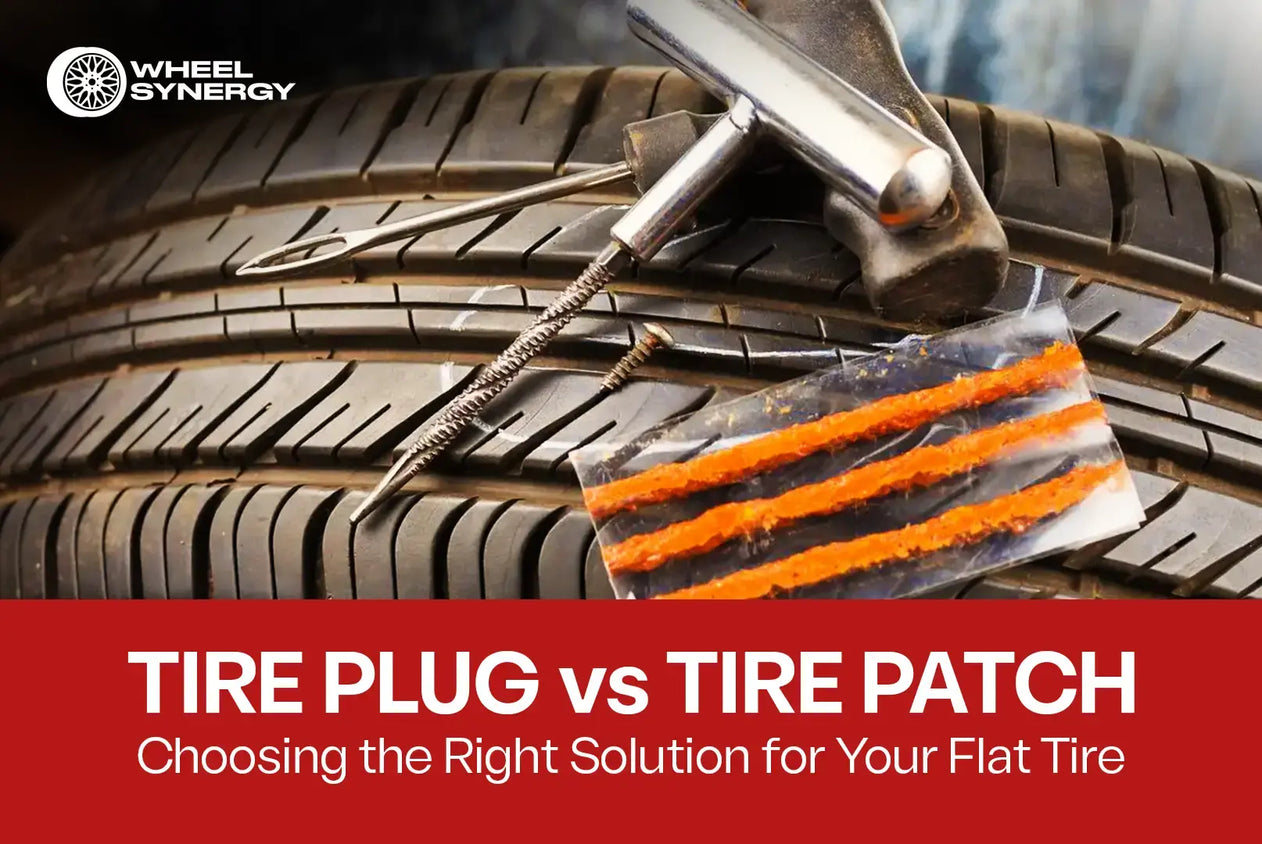
Credit: www.wheelsynergy.com
Safety Tips After Repair
After repairing a tire by patching or plugging, safety remains a top priority. Proper care helps avoid accidents and tire damage. Follow these safety tips to keep your tire in good shape and protect your drive.
Tire Pressure Monitoring
Check your tire pressure often after repair. Proper pressure keeps tires stable and safe on the road. Use a reliable gauge to measure pressure weekly. Low pressure can cause tire wear and reduce fuel efficiency. Overinflated tires risk bursting or uneven wear. Keep the pressure at the level your vehicle manufacturer suggests.
Regular Inspection Routines
Look at your repaired tire closely every time before driving. Check for any signs of air leaks, cracks, or bulges. Watch for unusual vibrations or noises while driving. Inspect the repair area to ensure it stays secure. Regular checks help catch problems early and prevent bigger issues. A well-maintained tire ensures a safer and smoother ride.

Credit: www.sullivantire.com
Frequently Asked Questions
What Is The Difference Between Patching And Plugging A Tire?
Patching seals the tire’s inner surface, while plugging fills the hole from the outside. Patching is more durable. Plugging is quicker but less reliable. Both fix small punctures but patching is preferred for long-term safety.
When Should I Patch Instead Of Plug My Tire?
Patch your tire when the damage is inside the tread and accessible. Patching is best for larger or multiple punctures. Plugging suits small, single holes in the tread area only. Avoid both for sidewall damage.
Can Patched Or Plugged Tires Be Driven Safely?
Yes, properly patched or plugged tires are safe to drive on. Ensure the repair is done by a professional. Avoid high speeds or heavy loads until the tire is inspected. Regularly check tire pressure after repair.
How Long Does A Tire Patch Or Plug Last?
A quality tire patch can last the tire’s lifespan if applied correctly. Plugs may last less due to exposure and wear. Regular inspections help ensure continued safety and performance after repair.
Conclusion
Patching and plugging both fix tire problems fast. Patching works best inside the tire for bigger holes. Plugging is quick and easy for small punctures. Choosing the right method saves money and time. Always check your tire’s condition before deciding.
Proper repair keeps you safe on the road. Regular tire care helps avoid sudden issues. Know the difference to fix tires correctly. Safety and durability come first with any repair. Keep your tires ready for every trip ahead.