Choosing the right tires for your e-bike can make a huge difference in how you ride. Are you wondering whether fat tires or regular tires are better for your needs?
This choice affects your bike’s comfort, speed, and control. By the time you finish reading, you’ll know exactly which tire suits your riding style and terrain. Keep reading to discover what sets fat tires apart from regular ones and how to pick the perfect fit for your e-bike.
Credit: rizebikes.ca
Fat Tire Ebikes
Fat tire ebikes stand out with their wide, thick tires. These bikes offer a unique ride experience. They are built for tough paths and soft surfaces. Fat tire ebikes bring power and control to many riders.
Design And Features
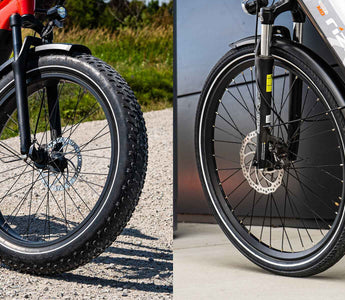
Fat tire ebikes have wide tires, usually 3.8 inches or more. The frames are strong to hold larger tires. These bikes often include powerful motors. They have big batteries for long rides. The design supports rough and uneven roads.
Terrain Capabilities
Fat tire ebikes work well on sand, snow, and mud. Their wide tires spread weight to prevent sinking. They handle rocky and root-filled trails smoothly. These bikes are good for city streets and off-road paths. They give riders the freedom to explore various terrains.
Comfort And Stability
Wide tires absorb shocks from bumps and holes. This makes rides smoother and more comfortable. The bike feels stable, even on tricky surfaces. Riders gain better balance and control. Fat tire ebikes reduce fatigue on long rides.
Regular Tire Ebikes
Regular tire ebikes are the most common type of electric bikes on the market. They use standard bike tires that are thinner than fat tires. These ebikes suit city roads and paved paths. They offer a smooth and fast ride on hard surfaces. Many riders prefer them for daily commutes and errands.
Design And Features
Regular tire ebikes feature slim tires that range from 1.5 to 2.5 inches wide. Their frames are usually lightweight and designed for speed. These bikes often have a simple look with fewer bulky parts. They include basic electric motors that provide enough power for city riding. Most models come with standard brakes and gear sets.
Speed And Efficiency
Thin tires reduce rolling resistance, which helps these ebikes move faster. They require less energy to pedal, saving battery life. Regular tire ebikes can reach higher speeds on smooth roads. They are ideal for riders who want quick, efficient transport. The lighter weight also improves overall performance.
Handling And Maneuverability
These ebikes offer sharp handling due to their narrow tires. They are easy to turn and weave through traffic. The tires provide good grip on pavement and concrete. Riders can control the bike well at different speeds. Regular tire ebikes feel agile and responsive on city streets.
Performance Differences
Fat tire and regular tire eBikes offer different riding experiences. Their performance varies based on where and how you ride. Understanding these differences helps choose the right tire for your needs.
Off-road Vs On-road
Fat tires excel on rough and uneven surfaces. They provide better grip and stability on dirt, sand, and snow. Regular tires perform well on smooth roads and pavement. They offer less rolling resistance, which makes riding faster on flat surfaces.
Battery Life Impact
Fat tires are heavier and have more contact with the ground. This increases energy use, reducing battery life. Regular tires are lighter and more efficient. They help extend the distance you can travel on a single charge.
Weight Considerations
Fat tire eBikes weigh more due to larger tires and stronger frames. This can make them harder to carry or lift. Regular tire eBikes are lighter and easier to handle. Weight affects how easy the bike is to ride and transport.
Cost And Maintenance
Cost and maintenance are key factors when choosing between fat tire and regular tire eBikes. Understanding these aspects helps you plan your budget and keep your bike in good shape. Both types have different needs that affect your spending and effort.
Initial Investment
Fat tire eBikes usually cost more upfront. Their wider tires and stronger frames add to the price. Regular tire eBikes tend to be cheaper and more common. You pay less to start but still get good performance. Your choice depends on your budget and riding style.
Upkeep And Repairs
Fat tire eBikes need more care. Their big tires can wear faster on rough roads. You may spend more time checking tire pressure and cleaning. Regular tire eBikes require less frequent upkeep. Their parts are easier to find and fix. Repair costs for regular tires are often lower.
Tire Replacement
Replacing fat tires can be costly. They are larger and less common than regular tires. Finding replacements may take longer. Regular tires are cheaper and widely available. You can replace them quickly and at a low cost. Tire choice affects how much you spend over time.
Choosing The Right Tire
Choosing the right tire for your e-bike is important. Tires affect how your bike rides, feels, and performs. Picking the right one helps you enjoy your ride more and stay safe. Consider your riding style, the places you ride, and your budget. These factors guide you to the best tire choice.
Riding Style
Your riding style decides the tire you need. Fat tires offer extra grip and comfort on rough trails. They are wide and absorb shocks well. Regular tires are slimmer and faster on smooth roads. They work well for city streets and paved paths. Match your tire to how you ride most often.
Environment And Terrain
Think about where you ride your e-bike. Fat tires handle mud, sand, and snow better. They keep you stable on uneven ground. Regular tires perform best on pavement and hard surfaces. They roll smoothly and save energy on flat roads. Choose tires that fit your usual terrain.
Budget And Preferences
Tire prices vary by size and type. Fat tires usually cost more due to their size and materials. Regular tires tend to be cheaper and easier to replace. Your budget may limit your options. Also, consider your personal preference for tire look and feel. Choose what fits your money and style.

Credit: www.buybestgear.com

Credit: www.youtube.com
Frequently Asked Questions
What Are The Key Differences Between Fat And Regular Ebike Tires?
Fat tires are wider, offering better traction and stability on rough terrain. Regular tires are narrower, providing faster speeds and efficiency on smooth roads. Fat tires excel in off-road conditions, while regular tires suit urban commuting and paved trails.
Which Tire Type Is Better For Off-road Ebiking?
Fat tires are better for off-road ebiking. Their wide surface improves grip and cushions impacts on sand, snow, and mud. Regular tires may struggle with traction and stability in such conditions.
Do Fat Tires Reduce Ebike Speed Compared To Regular Tires?
Yes, fat tires generally reduce ebike speed. Their increased rolling resistance and weight slow down acceleration and top speed. Regular tires offer quicker rides on paved surfaces due to lower friction.
How Do Fat Tires Affect Ebike Battery Life?
Fat tires can shorten ebike battery life. They create more rolling resistance, requiring more power to maintain speed. Regular tires are more energy-efficient, helping extend battery range during rides.
Conclusion
Choosing between fat tire and regular tire e-bikes depends on your riding needs. Fat tires offer better grip on rough or snowy roads. Regular tires work well on smooth city streets and paths. Think about where you will ride most often.
Comfort, speed, and terrain matter a lot. Both tire types have their strengths. Pick the one that fits your daily rides best. Your e-bike will feel just right with the right tires. Simple and smart choice leads to happy rides ahead.