Choosing the right tires for your vehicle can feel overwhelming. You want something reliable, safe, and long-lasting.
That’s why comparing top brands like Sumitomo Tires and Michelin is so important. Which one will give you better performance on the road? Which fits your budget without compromising quality? You’ll get clear answers to help you make a confident decision.
Keep reading to find out which tire brand truly meets your needs.
Brand Histories
Understanding the histories of Sumitomo Tires and Michelin helps appreciate their strengths. Each brand carries a unique story of growth and innovation. Their legacies shape the quality and trust in their tires today.
Sumitomo Tires Legacy
Sumitomo Tires began as part of Japan’s Sumitomo Group. The company started making tires in the early 20th century. It focused on durable and reliable tires for various vehicles. Over the years, Sumitomo invested in technology and research. This helped improve tire performance and safety. Today, Sumitomo Tires is known for quality and value. It serves markets worldwide with a strong presence in Asia and North America.
Michelin’s Heritage
Michelin was founded in France in 1889. It was one of the first companies to make pneumatic tires. Michelin’s innovation led to better road safety and comfort. The brand introduced the radial tire, changing the tire industry. Michelin also created the famous Michelin Guide for restaurants. The company’s focus on quality and innovation remains strong. Michelin is a global leader with a reputation for premium tires. It serves cars, trucks, and specialty vehicles around the world.

Credit: www.discountedwheelwarehouse.com
Performance Metrics
Performance metrics help measure how well tires do on the road. These numbers show how safe and comfortable a tire is. Sumitomo and Michelin have strong reputations, but their performance differs in key areas. Understanding traction, handling, and braking helps choose the right tire.
Traction And Grip
Traction means how well a tire sticks to the road. Sumitomo tires offer good grip in dry conditions. Michelin tires provide excellent traction on wet and slippery roads. This difference comes from their tread designs and rubber compounds. Michelin usually performs better in rain and snow.
Handling And Stability
Handling shows how easy it is to control a vehicle. Sumitomo tires give solid control on smooth roads. Michelin tires offer sharper handling on curves and rough surfaces. Stability matters at high speeds or in sharp turns. Michelin tires often feel more stable and confident.
Braking Efficiency
Braking efficiency measures how quickly a tire can stop a vehicle. Sumitomo tires stop well on dry roads with short distances. Michelin tires have superior braking on wet roads, reducing slip risks. Faster stops mean safer drives, especially in emergencies.
Tire Technology
Tire technology plays a key role in how tires perform on the road. It affects safety, comfort, and fuel efficiency. Sumitomo and Michelin use different approaches to develop their tires. Each brand focuses on unique materials, features, and tread designs to meet driver needs.
Material Composition
Sumitomo tires use a mix of synthetic and natural rubber. This blend helps improve durability and grip. They add silica to boost wet traction and lower rolling resistance. Michelin often uses special rubber compounds. These compounds help tires last longer and perform well in various weather. Both brands balance strength and flexibility in their materials.
Innovative Features
Sumitomo integrates technologies that reduce road noise and enhance ride comfort. Their tires often include advanced sidewall designs for better handling. Michelin focuses on eco-friendly features. They use compounds that reduce fuel consumption. Michelin also adds safety features like better wet braking. Both brands invest in innovation to improve tire safety and efficiency.
Tread Design
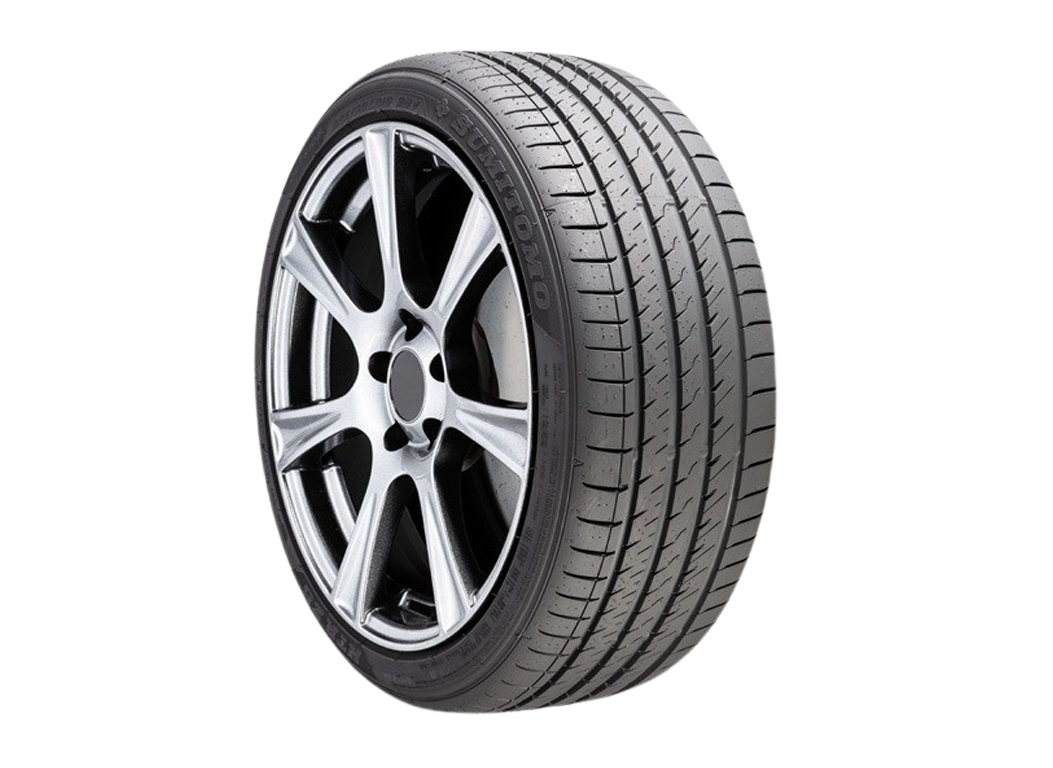
Sumitomo tires have tread patterns designed for strong traction on dry and wet roads. They use wide grooves to channel water away, reducing hydroplaning risk. Michelin tread designs often focus on longer wear and quiet rides. Their tread blocks are shaped for even wear and good grip. Both brands tailor tread patterns to match different driving conditions and styles.
Durability And Longevity
Durability and longevity are key factors in choosing the right tire. Tires that last longer save money and offer better safety. Both Sumitomo and Michelin focus on building tires that resist wear and deliver great mileage. Understanding how each brand performs helps you pick the best option for your vehicle.
Wear Resistance
Sumitomo tires use advanced rubber compounds to reduce wear. Their tread design spreads pressure evenly across the tire surface. This helps prevent early tread loss and keeps the tire strong over time.
Michelin tires are known for their durable rubber blends. They combine materials that resist cuts and abrasions on rough roads. This means they maintain grip and safety for longer miles.
Mileage Warranty
Sumitomo offers mileage warranties that cover many tens of thousands of miles. These warranties show confidence in their tire’s lifespan. Customers get assurance against premature tread wear.
Michelin also provides strong mileage warranties. Their coverage often matches or exceeds industry standards. This warranty supports drivers who want reliable performance over many miles.
Fuel Efficiency And Environmental Impact
Fuel efficiency plays a big role in how tires affect the environment. Tires that use less fuel help save money and lower harmful emissions. Both Sumitomo and Michelin design tires with these goals in mind. Understanding their differences in fuel efficiency and eco-friendly efforts can guide better choices.
Rolling Resistance
Rolling resistance means how hard tires roll on the road. Lower rolling resistance means less energy is needed to move the car. Sumitomo tires often focus on balanced rolling resistance for fuel savings. Michelin uses advanced materials to reduce rolling resistance even more. This helps cars use less gas and produce fewer emissions.
Eco-friendly Practices
Sumitomo works on reducing waste in their tire production. They aim to use safer materials and recycle old tires. Michelin takes a strong stand on sustainability. They invest in renewable materials and cleaner factories. Both companies try to lower their carbon footprint. Their eco-friendly efforts support greener driving and healthier air.
Credit: www.consumerreports.org
Price And Value
Price and value are key factors when choosing tires. Buyers want to spend smartly without losing quality or safety. Sumitomo and Michelin offer different price points but aim to provide strong value. Understanding their cost and benefits helps make a better choice.
Cost Comparison
Sumitomo tires usually cost less than Michelin tires. This lower price suits those on a tight budget. Michelin tires are often priced higher. Their price reflects advanced technology and premium materials. Prices vary by tire type and size for both brands. Sumitomo offers affordable options for everyday driving. Michelin targets drivers who want top performance and durability.
Value For Money
Sumitomo tires give good value for their price. They deliver reliable performance and safety. Many drivers find Sumitomo tires suitable for city and highway use. Michelin tires offer longer tread life and better grip. They perform well in various weather conditions. Michelin’s durability often means fewer replacements. This saves money over time despite the higher upfront cost. Both brands provide solid value but serve different budgets and needs.
Customer Feedback
Customer feedback offers real insights into tire performance and satisfaction. It shows how Sumitomo and Michelin tires work on different roads and conditions. Listening to users and experts helps potential buyers make smart choices.
User Reviews
Sumitomo tires often receive praise for their value and durability. Many users note good traction in wet and dry weather. Some say these tires last long without losing grip.
Michelin tires get high marks for comfort and quiet rides. Drivers mention smooth handling and better fuel efficiency. Some users appreciate the strong grip on snow and ice.
Both brands have loyal fans. Some prefer Sumitomo for budget-friendly options. Others choose Michelin for premium quality and advanced technology.
Expert Opinions
Tire experts highlight Michelin’s cutting-edge designs and consistent performance. They point to excellent braking and cornering abilities. Experts often recommend Michelin for safety and reliability.
Sumitomo is praised for solid engineering at a lower price. Professionals note its good balance of quality and cost. Experts suggest Sumitomo for drivers seeking dependable tires without high cost.
Experts agree both brands meet safety standards. The choice depends on budget and driving needs. Careful comparison helps find the best fit for each driver.

Credit: car-travels.com
Best Use Cases
Choosing the right tire depends on where and how you drive. Sumitomo and Michelin tires serve different purposes well. Each brand suits specific driving needs. Knowing their best use cases helps pick the right tire for your vehicle.
Urban Driving
Sumitomo tires offer a smooth and quiet ride on city roads. They handle well in stop-and-go traffic. Their tread design reduces road noise and improves comfort. Michelin tires also perform well in cities. They provide excellent grip and fuel efficiency. Both brands suit daily commuting and errands.
Off-road Performance
Michelin tires excel on rough and uneven terrain. They have strong sidewalls and deep treads for traction. Sumitomo tires handle light off-road conditions. They work best on gravel and dirt roads. For serious off-roading, Michelin is the safer choice. Sumitomo suits occasional outdoor adventures.
All-weather Conditions
Michelin tires shine in rain and snow. Their advanced rubber compounds improve grip in wet conditions. Sumitomo tires perform well in dry and mild weather. They may not match Michelin in heavy rain or snow. For all-season safety, Michelin offers more reliable traction.
Frequently Asked Questions
Which Tire Brand Offers Better Durability, Sumitomo Or Michelin?
Michelin tires generally offer superior durability due to advanced rubber compounds. Sumitomo tires are durable but often have a shorter lifespan in comparison. Michelin’s focus on long-lasting performance makes them a preferred choice for drivers seeking extended tire life.
Are Sumitomo Tires More Affordable Than Michelin Tires?
Yes, Sumitomo tires are typically more affordable than Michelin tires. Sumitomo offers good quality at a lower price point. Michelin tires come with a premium price reflecting their high performance and advanced technology.
How Does The Performance Of Sumitomo Compare To Michelin?
Michelin tires excel in overall performance, including handling and traction. Sumitomo provides reliable performance but may lack Michelin’s precision and advanced features. For high-performance needs, Michelin is often the better option.
Which Brand Has Better Fuel Efficiency, Sumitomo Or Michelin?
Michelin tires are known for better fuel efficiency due to low rolling resistance technology. Sumitomo tires offer decent fuel economy but generally do not match Michelin’s efficiency standards.
Conclusion
Sumitomo and Michelin offer strong tire options for drivers. Sumitomo tires are budget-friendly with good performance. Michelin tires provide excellent durability and better grip. Both brands focus on safety and comfort on roads. Choose based on your budget and driving needs.
Either brand can keep you safe on your journey. Think about where and how often you drive. Quality tires matter for smooth and safe rides. Decide what fits your car and wallet best.