Choosing the right tires for your vehicle isn’t just about getting from point A to point B—it’s about safety, performance, and value for your money. When you see names like Continental and Pirelli, it’s easy to wonder which one truly fits your driving needs.
You want tires that give you confidence on the road, no matter the weather or terrain. You’ll discover the key differences between Continental and Pirelli tires, so you can make a smart choice that keeps you safe and comfortable every mile you drive.
Keep reading to find out which brand matches your style and priorities perfectly.
Brand Histories
Brand histories give us a clear view of the values and strengths behind each tire company. Continental and Pirelli have rich pasts that shape their products today. Knowing their origins helps buyers make smart choices. Each brand has unique stories that reflect their focus and innovation.
Legacy Of Continental
Continental started in 1871 in Germany. It grew from making rubber products to becoming a top tire maker. The brand is known for safety and quality in tires. Continental focuses on technology that improves driving comfort and control. It has a long history of innovation in tire design. This legacy builds trust among drivers worldwide.
Pirelli’s Racing Heritage
Pirelli began in 1872 in Italy. Racing is at the heart of Pirelli’s brand. The company has supplied tires for many famous car races. This experience helps Pirelli create tires with strong performance. Their racing background means they understand speed and precision. Pirelli tires often appeal to drivers who want sporty and reliable tires.
Credit: www.youtube.com
Tire Technology
Tire technology plays a key role in how tires perform on roads. It affects safety, comfort, and fuel efficiency. Both Continental and Pirelli invest heavily in new tire technologies. Their focus is on improving materials and tread designs. These advances help tires last longer and grip better.
Material Composition
Continental uses special rubber blends to enhance durability. Their compounds resist wear and heat well. This means tires stay strong under tough conditions. Pirelli combines natural and synthetic rubbers for balance. Their materials improve flexibility and grip on wet roads. Both brands add silica to reduce rolling resistance. This helps save fuel and lowers carbon emissions. The choice of materials directly impacts tire life and safety.
Tread Design Innovations
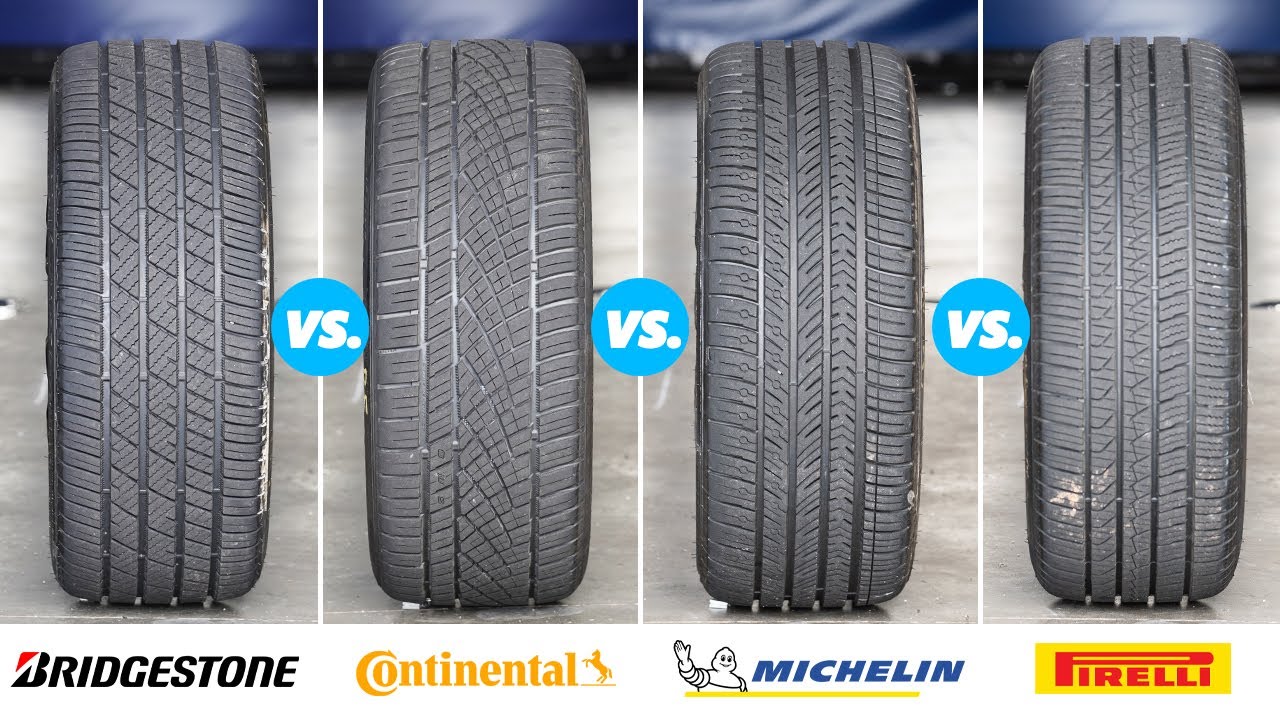
Continental’s tread patterns focus on water evacuation. This reduces hydroplaning risks on wet surfaces. Their designs often include multiple grooves for better drainage. Pirelli uses asymmetric tread patterns for better cornering. Their tires offer stable handling at high speeds. Both brands use computer simulations to optimize tread layout. These innovations improve traction and braking performance. Tread design shapes the driving experience significantly.
Performance In Different Conditions
Performance in different driving conditions is key when choosing tires. Each brand offers unique strengths. Continental and Pirelli both deliver quality, but their performance varies by road and weather. Understanding these differences helps you pick the right tire for your needs.
Dry Road Grip
Continental tires provide strong grip on dry roads. Their tread design offers stability during fast turns. Drivers feel confident and in control. Pirelli tires also excel on dry surfaces. They focus on sporty handling and sharp response. Both brands ensure good traction, but Pirelli leans slightly toward performance driving.
Wet Weather Handling
Continental tires shine on wet roads. Their advanced water evacuation technology reduces hydroplaning risks. This means safer braking and steering in rain. Pirelli tires perform well in wet conditions too. They use special rubber compounds to improve grip. Yet, Continental often edges ahead for wet weather safety.
Winter And Snow Performance
Continental offers winter tires designed for snow and ice. Their tread patterns increase traction and control. These tires handle cold temperatures better than many rivals. Pirelli winter tires are good but focus more on dry and wet road balance. For harsh winter climates, Continental usually provides better snow performance.
Durability And Wear
Durability and wear are key factors in choosing the right tire. They affect how long the tire lasts and how well it holds up under different conditions. Both Continental and Pirelli offer strong options, but their performance varies in some areas.
Tread Life Expectancy
Continental tires often have a longer tread life. Their rubber compounds are designed to resist wear over many miles. This means fewer replacements and better value.
Pirelli tires focus more on performance, which can lead to quicker tread wear. They still provide good life but usually less than Continental in everyday driving.
Resistance To Damage
Continental tires show strong resistance to cuts and punctures. Their build quality helps protect the tire from road hazards.
Pirelli tires also resist damage well but often prioritize grip and handling. This can make them slightly more prone to wear from rough roads.
Price And Value
Choosing between Continental and Pirelli tires means weighing price against value. Both brands offer quality, but their costs and benefits differ. Understanding these differences helps you pick the best tire for your money.
Cost Comparison
Continental tires generally cost less than Pirelli. Their prices fit well within a mid-range budget. Pirelli tires often come with a higher price tag. This reflects their focus on premium and performance models. The price gap can be significant on some tire types. Budget matters, but so does the tire’s purpose.
Warranty And Support
Continental offers a solid warranty covering defects and mileage. Their support network is wide and reliable. Pirelli provides similar warranty terms with some extras. These may include road hazard protection in certain regions. Both brands have good customer service. Warranty length and coverage should influence your choice.

Credit: www.youtube.com
User Reviews And Feedback
User reviews and feedback provide a real look at how Continental and Pirelli tires perform in daily use. These insights come from drivers worldwide. They share their satisfaction, problems, and overall experience. This section breaks down what customers say about both brands.
Customer Satisfaction
Many users praise Continental tires for their strong grip on wet roads. They also note quiet rides and good mileage. Pirelli tires receive high marks for sporty handling and style. Drivers enjoy the smooth drive and sharp cornering. Both brands have loyal fans who value quality and safety.
Common Complaints
Some Continental users mention faster wear on rough roads. A few say the tires feel stiff on dry pavement. Pirelli customers sometimes report higher prices compared to other brands. Others find Pirelli tires less durable over time. These complaints appear in small numbers but are worth noting.
Best Tires For Different Vehicles
Choosing the right tires depends on the vehicle type. Different cars need tires that match their use and style. Continental and Pirelli offer strong options but suit various vehicles differently.
Picking the best tire can improve safety, performance, and comfort. Let’s explore which brand fits best for sports cars, SUVs, trucks, and daily drivers.
Sports Cars
Sports cars demand tires that handle speed and sharp turns. Pirelli tires often excel here. They provide excellent grip on dry and wet roads. Their designs focus on performance and control at high speeds. Continental tires also offer good traction but lean more toward balanced performance and durability. For pure speed and cornering, many choose Pirelli.
Suvs And Trucks
SUVs and trucks need tough tires for rough roads and heavy loads. Continental tires shine in this area. They offer strong sidewalls and long tread life. These tires perform well on highways and off-road. Pirelli also makes SUV tires but tends to focus on sporty feel rather than ruggedness. For heavy use and durability, Continental is often preferred.
Everyday Commuters
Daily drivers require tires that balance comfort, fuel efficiency, and safety. Continental tires often lead here. They provide quiet rides and good fuel savings. Pirelli tires offer comfort but sometimes at a higher price. For city and highway driving, Continental tires offer great value and reliability.

Credit: www.discountedwheelwarehouse.com
Frequently Asked Questions
Which Brand Offers Better Performance: Continental Or Pirelli?
Both Continental and Pirelli provide excellent performance. Continental excels in wet traction and durability. Pirelli is known for high-speed stability and sporty handling. Your choice depends on driving style and road conditions.
Are Continental Tires More Affordable Than Pirelli Tires?
Generally, Continental tires are priced lower than Pirelli. Continental offers budget-friendly options without sacrificing quality. Pirelli often targets premium and high-performance markets. Prices vary by tire model and size.
How Do Continental And Pirelli Compare In Tire Longevity?
Continental tires typically offer longer tread life due to durable compounds. Pirelli focuses more on performance, which may reduce longevity. Proper maintenance also affects tire lifespan for both brands.
Which Brand Is Better For All-season Tires?
Continental has a strong reputation for reliable all-season tires. Pirelli’s all-season range focuses on sportier performance and grip. Continental’s options often provide better wet and snow traction.
Conclusion
Choosing between Continental and Pirelli depends on your needs. Both brands offer strong performance and safety. Continental tires excel in wet grip and durability. Pirelli tires shine in sporty handling and style. Your driving habits and conditions guide the best choice.
Think about what matters most: comfort, grip, or price. Each brand meets quality standards and provides reliable options. Take your time to compare features and reviews. This helps you pick the right tires for your vehicle. Safe driving starts with the right tire choice.