When winter hits, your safety on the road depends a lot on the right tires. But how do you choose between winter tires and mud and snow tires?
Both promise better grip, but which one truly keeps you safe in icy, snowy, or muddy conditions? If you want to avoid slipping, sliding, or getting stuck, you need to know the real differences. Keep reading to discover which tires are best for your driving needs this winter—and how to make your journeys safer and smoother.

Credit: www.discountedwheelwarehouse.com
Tire Types At A Glance
Tires make a big difference in how your car drives in cold weather. Choosing the right tire helps you stay safe on icy roads or muddy paths. Two main types of tires work best in winter: winter tires and mud and snow tires. Each type has special features for different conditions.
Understanding these tire types helps you pick the best one for your needs. Let’s take a quick look at what makes each tire type unique.
Winter Tires Basics
Winter tires are made for cold, icy, and snowy roads. They use soft rubber that stays flexible in low temperatures. This helps the tire grip the road better. The tread pattern has many small cuts. These cuts improve traction on ice and packed snow. Winter tires also reduce stopping distance on slippery surfaces. They are the best choice for harsh winter weather.
Mud And Snow Tires Basics
Mud and snow tires, also called all-season or all-terrain tires, work on wet, muddy, and light snowy roads. They have a tougher rubber mix that lasts longer. Their tread is deeper and wider to clear mud and slush. These tires provide good traction on uneven surfaces. They are good for drivers who face mixed road conditions but not extreme ice or snow.
Tread Design Differences
Tread design plays a big role in how tires perform in different conditions. Winter tires and mud and snow tires look different and work differently on road surfaces. Each type has a special tread pattern that helps with grip and safety. Understanding these differences helps you pick the right tire for your needs.
Winter Tire Patterns
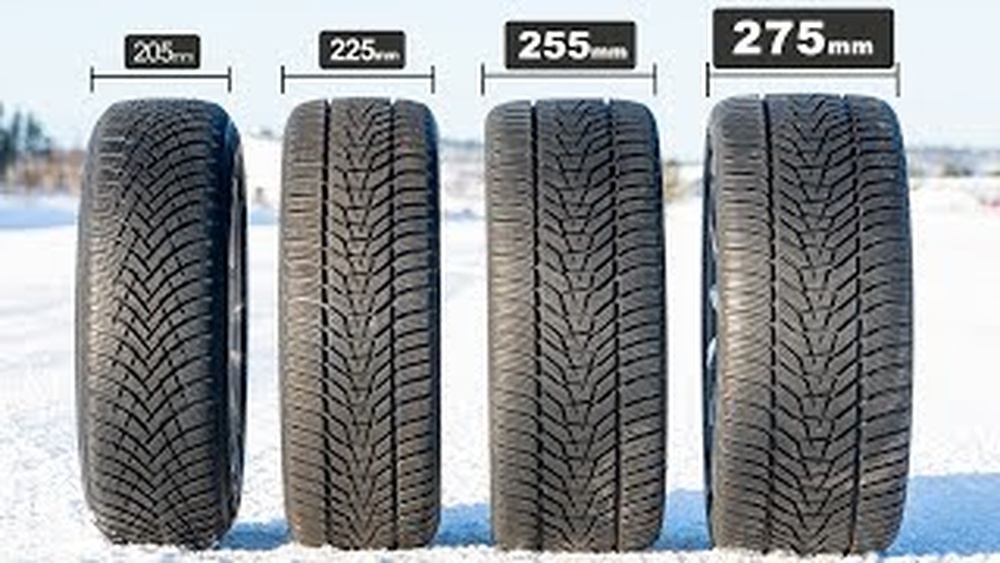
Winter tires have many small grooves called sipes. These sipes create extra edges that grip ice and snow. The tread blocks are softer and closer together. This helps the tire stay flexible in cold weather. The design also channels slush and water away to prevent slipping.
Winter tires have deep grooves, but they are not very wide. This helps keep good contact with the road. The tread pattern looks more like many little blocks. This design improves traction on ice and packed snow.
Mud And Snow Tire Patterns
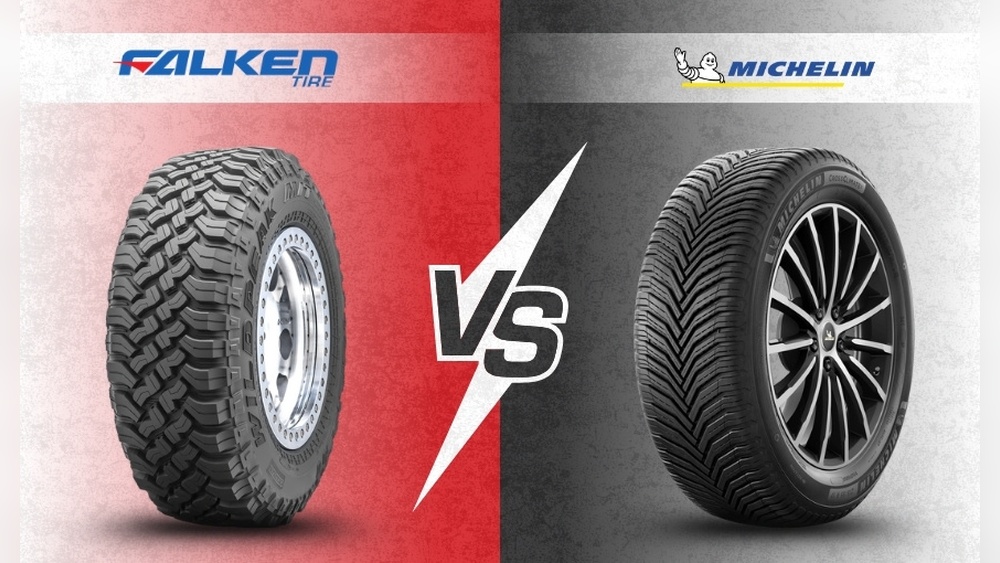
Mud and snow tires have bigger and wider tread blocks. The grooves between these blocks are much wider. This wide spacing helps clear mud, snow, and dirt from the tire. It stops the tire from getting clogged and losing grip.
The tread pattern is more aggressive and rugged. It works well on loose surfaces like mud and deep snow. The larger blocks and gaps give strong traction off-road. These tires can handle rough terrain better than winter tires.
Rubber Compounds And Performance
Rubber compounds play a key role in tire performance. They affect grip, wear, and handling in different conditions. Winter tires and mud and snow tires use unique compounds to meet specific needs. Understanding these differences helps choose the right tire for your vehicle and road conditions.
Winter Tire Compounds
Winter tires use soft rubber compounds. These stay flexible in cold temperatures. Softness helps the tire grip icy and snowy roads better. This flexibility keeps the tire surface in contact with the road. It improves traction and braking on slippery surfaces.
These compounds are designed to resist hardening. Hard tires lose grip and increase stopping distance. Winter tire rubber also contains special additives. These increase traction on ice and packed snow. The result is safer driving in cold weather.
Mud And Snow Tire Compounds
Mud and snow tires use harder rubber compounds. They balance grip with durability on rough terrain. Harder compounds resist cuts and tears from rocks and branches. This makes them ideal for off-road driving.
These tires provide good traction on muddy and snowy surfaces. The rubber is less flexible than winter tire compounds. This helps the tire maintain shape and performance in mixed conditions. Mud and snow tires handle both soft mud and loose snow well.
Grip On Ice And Snow
Driving on ice and snow demands tires with strong grip. Grip means how well tires hold the road. Good grip helps cars stop, turn, and move safely. Winter tires and mud and snow tires offer different levels of grip on icy and snowy roads. Understanding their traction helps choose the right tire for cold weather.
Winter Tire Traction
Winter tires have soft rubber that stays flexible in cold weather. This softness helps the tire grip ice and snow better. They have many small cuts, called sipes, on the tread. Sipes increase traction by biting into ice and snow. The tread pattern also helps push snow and water away. Winter tires give better control and shorter stops on slippery roads.
Mud And Snow Tire Traction
Mud and snow tires use harder rubber than winter tires. Their tread is deeper and more aggressive to handle mud and loose snow. This helps in rough off-road conditions but offers less grip on ice. They have fewer sipes, so they do not bite ice as well. Mud and snow tires work well in soft snow but may slip on ice more than winter tires.
Handling On Muddy Terrain
Handling on muddy terrain requires tires that can grip soft, slippery surfaces. Mud can cause wheels to slip and lose control. Tires need to push mud away to keep traction. Different tires perform in unique ways on muddy ground. Understanding these differences helps pick the right tire.
Winter Tire Mud Performance
Winter tires focus on cold weather and ice grip. Their tread has many small grooves to bite into snow and ice. These grooves help slightly on mud but are not deep enough to clear thick mud. Mud may stick in the tread, reducing traction. Winter tires can handle light mud but struggle on heavy, sticky mud. The rubber stays soft in cold, helping grip but not removing mud well.
Mud And Snow Tire Mud Performance
Mud and Snow tires, or M+S tires, have deeper and wider tread patterns. This design helps push mud out from under the tire. Mud clears quickly, keeping the tire in contact with the ground. These tires provide better grip on wet, slippery mud. The tread blocks are stronger to handle rough terrain. M+S tires offer more control and less slipping on muddy trails than winter tires.

Credit: www.youtube.com
Wear And Durability
Tire wear and durability matter a lot for safe driving. Tires face rough roads, cold weather, and many miles. Choosing the right tire means understanding how long it lasts. Winter tires and mud and snow tires have different designs. This affects how they wear out and how long they last.
Winter Tire Longevity
Winter tires use soft rubber to stay flexible in cold. This helps grip ice and snow better. The soft rubber wears faster on dry or warm roads. Expect winter tires to last about 20,000 to 40,000 miles. Driving on clear roads shortens their life. Using winter tires only in cold months helps them last longer.
Mud And Snow Tire Longevity
Mud and snow tires have harder rubber than winter tires. They suit mixed conditions like mud, snow, and dry roads. These tires wear slower on dry roads than winter tires. They last longer, often 40,000 to 60,000 miles. The tougher tread design handles rough surfaces well. Using mud and snow tires all year can save money over time.
Fuel Efficiency And Noise
Fuel efficiency and noise are key factors when choosing tires for cold and rough conditions. Tires affect how much fuel your vehicle uses. They also influence how loud the ride feels inside your car. Understanding these impacts helps pick the right tire for winter roads.
Winter Tire Impact
Winter tires have soft rubber and special tread patterns. These features improve grip on ice and snow. The soft rubber can cause more rolling resistance. This means your car uses more fuel than with regular tires.
Winter tires tend to be quieter on snowy roads. The tread design reduces road noise. This makes the ride more comfortable during cold months. Still, on dry roads, they might create slightly more noise.
Mud And Snow Tire Impact
Mud and snow tires have deeper treads and stronger sidewalls. These features help in mud and loose snow. The aggressive tread pattern creates more rolling resistance. This can lower fuel efficiency compared to winter tires.
These tires often produce more road noise. The large gaps in the tread can cause a louder ride. Noise is more noticeable at high speeds. Still, they offer good traction on rough and muddy roads.
Choosing The Right Tire
Choosing the right tire is important for safe driving in winter. Tires affect how your vehicle handles snow, ice, and mud. Picking the best tire depends on several factors. These include the climate you face, how you drive, and your vehicle type.
Climate Considerations
Winter tires work well in cold, icy conditions. They have soft rubber to stay flexible in freezing temperatures. Mud and snow tires suit rough, muddy roads and deep snow. They have bigger tread blocks to dig into soft surfaces. Knowing your local weather helps you pick the right tire.
Driving Habits
Think about your usual drives. Short trips in the city need tires that grip ice and slush. Long drives on snowy highways benefit from tires with good traction and stability. Off-road driving calls for tires that handle mud and uneven terrain. Match your tire to how you drive most of the time.
Vehicle Type
Your vehicle size and type affect tire choice. Small cars use different tires than trucks or SUVs. Heavy vehicles need stronger tires with deeper treads. Check your owner’s manual for recommended tire sizes. Using the right tire helps your vehicle perform better and stay safe.

Credit: www.prioritytire.com
Frequently Asked Questions
What Are The Main Differences Between Winter And Mud And Snow Tires?
Winter tires have softer rubber for icy roads, while mud and snow tires have deeper treads. Winter tires excel on ice and packed snow. Mud and snow tires perform better in slushy, muddy, or loose snow conditions.
Can Winter Tires Be Used In Mud And Snow Conditions?
Winter tires can handle light mud and snow but are less effective in deep mud. Mud and snow tires provide better traction in off-road, muddy, and slushy environments. Choose based on your typical winter driving conditions.
Are Mud And Snow Tires Suitable For Icy Roads?
Mud and snow tires offer some ice traction but less than winter tires. Winter tires have specialized compounds and tread designs for better ice grip. For icy roads, winter tires are the safer choice.
How Do Tire Tread Patterns Differ Between These Tires?
Winter tires have smaller, closely spaced tread blocks with sipes. Mud and snow tires feature larger, widely spaced tread blocks for mud clearing. Tread design directly affects performance in snow, ice, and mud.
Conclusion
Choosing between winter and mud and snow tires depends on your driving needs. Winter tires work best on ice and snow-covered roads. Mud and snow tires handle rougher, muddy terrain well. Both improve safety compared to regular tires in bad weather.
Remember to pick the right tire for your local conditions. This keeps your ride safer and more comfortable. Stay prepared and drive carefully during cold months. Your tires make a big difference in winter.