Choosing the right tires for your tractor can make all the difference in how well your work gets done. When it comes to R1 tires versus R4 tires, you might feel stuck wondering which one suits your needs best.
Are you looking for maximum traction in muddy fields, or do you need tires that perform well on both soil and pavement? This guide will help you understand the key differences between R1 and R4 tires, so you can make the smartest choice for your equipment and your work.
Keep reading to discover which tire will give you the edge you need.
R1 Tires Features
R1 tires have specific features designed for tough farming tasks. They offer strong grip and good soil handling. Understanding these features helps choose the right tire for your tractor. Here is a clear look at R1 tires’ main qualities.
Tread Design
R1 tires have deep, wide lugs arranged in a V-shape. This design digs into soft soil effectively. It helps tractors move smoothly without slipping. The wide gaps between lugs clear mud quickly. This keeps the tire clean and working well.
Soil Traction
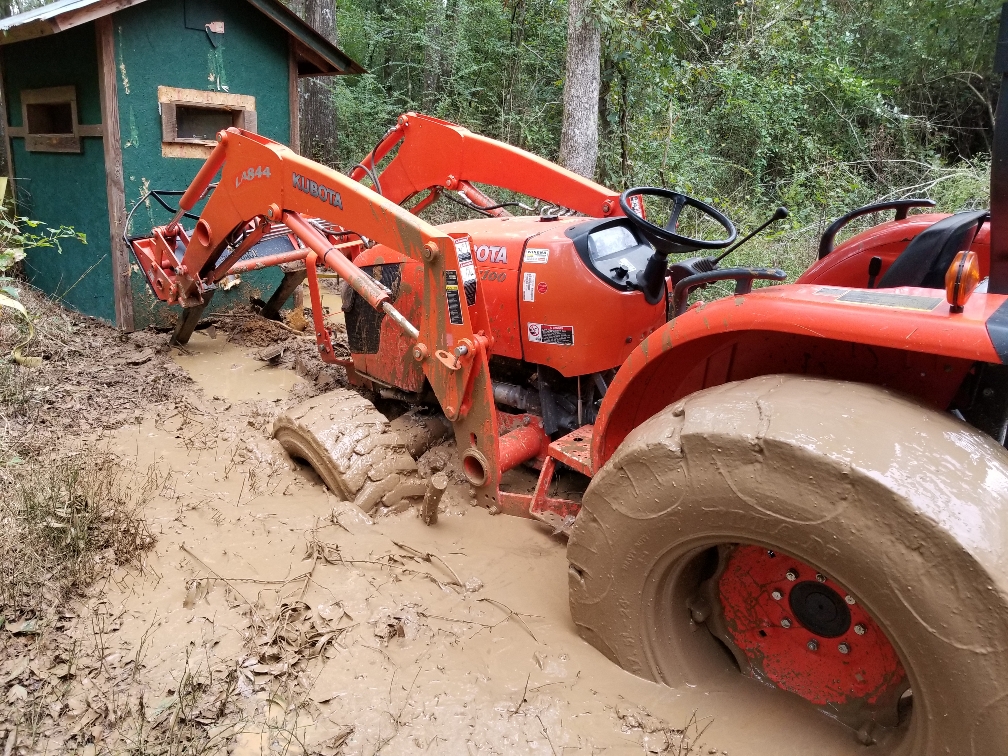
These tires provide excellent traction on loose, wet, or muddy fields. The deep lugs grip soil firmly. This prevents the tractor from getting stuck. R1 tires improve pulling power for heavy farming tools. They keep the tractor steady on uneven ground.
Durability
R1 tires are made with strong rubber compounds. This makes them resistant to cuts and punctures. They last long even in rough field conditions. The thick sidewalls protect against damage from rocks and roots. This durability reduces downtime and repair costs.
Best Uses
R1 tires are best for plowing, planting, and harvesting. They work well in soft, muddy, or loose soil. These tires suit tractors used in wet or heavy soil conditions. Avoid using them on hard surfaces to prevent fast wear.
R4 Tires Features
R4 tires are designed to offer good performance on various surfaces. They combine features that make them suitable for both fieldwork and road use. These tires balance traction, durability, and comfort. Understanding their features helps choose the right tire for your needs.
Tread Pattern
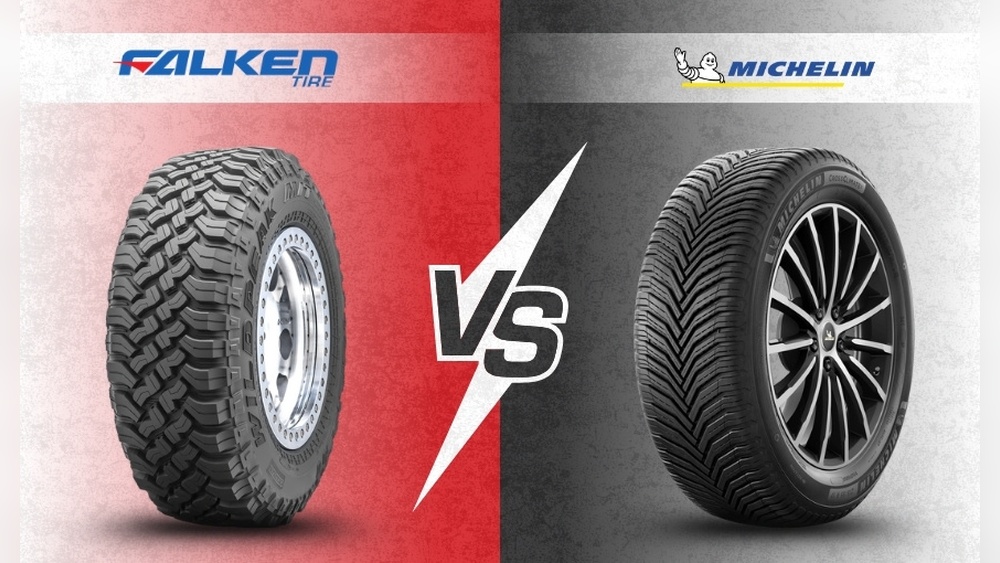
The tread pattern on R4 tires is less aggressive than R1 tires. It has smaller, closer lugs. This design improves traction on soft soil and hard surfaces. It also reduces soil disturbance. The pattern helps the tire roll smoothly on roads.
Versatility
R4 tires work well on many terrains. Farmers can use them in fields and on highways. They perform well in mud, dirt, and gravel. This versatility makes them a practical choice for mixed farming tasks.
Wear Resistance
R4 tires have strong rubber compounds. These resist wear and tear from rough surfaces. The tire lasts longer on hard ground and pavement. This durability saves money on frequent replacements.
Common Applications
R4 tires suit tractors used for light fieldwork and transport. They are common on loader tractors and utility vehicles. These tires are perfect for farms needing both field traction and road speed. They handle tasks like hauling and mowing efficiently.
Performance Comparison
Comparing R1 and R4 tires highlights their unique strengths. Each tire type suits different farming needs and conditions. Understanding their performance helps you pick the right tire for your work.
Field Efficiency
R1 tires excel in soft soil and muddy fields. Their deep, aggressive tread digs into the ground for strong traction. This helps tractors pull heavy equipment easily. R4 tires have shallower treads, better for firm or dry soil. They offer good grip but less digging power than R1 tires. In loose soil, R1 tires perform better and reduce slippage.
Road Handling
R4 tires provide a smoother ride on paved roads. Their tread pattern reduces noise and vibration. This makes driving on highways more comfortable. R1 tires are rougher on roads due to their aggressive tread. They can cause more noise and wear faster on pavement. For frequent road travel, R4 tires offer better control and comfort.
Fuel Economy
R4 tires often improve fuel efficiency. Their less aggressive tread lowers rolling resistance. This means the tractor uses less fuel on hard surfaces. R1 tires need more power to roll because of their deep lugs. They may increase fuel consumption in some conditions. Choosing the right tire can help save fuel costs over time.
Load Capacity
R1 tires usually have higher load capacity. They are built to support heavy weights in tough fieldwork. R4 tires carry moderate loads and focus on versatility. Both tire types can handle typical farming equipment weights. Match tire load capacity to your tractor and implements for safety.

Credit: www.youtube.com
Terrain Suitability
Choosing the right tire depends on the terrain. R1 and R4 tires each have strengths that fit different ground types. Knowing their terrain suitability helps you pick the best tire for your needs.
Soft Soil Conditions
R1 tires excel in soft soil. Their deep, sharp lugs dig into loose dirt and mud. This provides excellent traction and reduces slippage. R4 tires work okay, but they cannot grip soft soil as well as R1 tires.
Hard Surfaces
R4 tires perform better on hard surfaces like packed dirt or gravel. Their tread design offers stability and less wear on tough ground. R1 tires wear out faster on hard surfaces due to their aggressive tread pattern.
Mixed Terrain
R4 tires handle mixed terrain well. They balance traction and durability across soft and hard ground. R1 tires may struggle on rocky or rough patches but shine in softer areas.
Weather Impact
Wet conditions favor R1 tires because of deep tread channels that shed mud. R4 tires maintain steady traction in dry and light wet weather. Neither tire is perfect for icy or extremely slippery surfaces.
Cost And Maintenance
Cost and maintenance play a big role in choosing between R1 and R4 tires. Each type has different expenses for buying, caring for, and replacing. Knowing these differences helps you pick the right tire for your needs.
Initial Investment
R1 tires usually cost more upfront. They have deeper treads and stronger build for tough soil. R4 tires are cheaper at first. Their design suits softer ground and lighter use. The price difference depends on size and brand too.
Upkeep Needs
R1 tires need regular checks for damage and proper inflation. Their deep treads can trap dirt and stones. Cleaning helps them last longer. R4 tires require less cleaning. They still need pressure checks and basic care to avoid wear.
Replacement Frequency
R1 tires last longer on hard or rough fields. Their tough tread wears slower. R4 tires wear faster on rough surfaces. On soft soil, both last about the same time. Replace tires when tread is shallow or cracked.
Resale Value
R1 tires keep value better due to durability. Buyers pay more for used R1 tires. R4 tires lose value quicker. They show wear sooner and have less demand. Proper care helps keep resale value higher for both.
Credit: deerhunterforum.com
Choosing Tips
Choosing the right tire for your tractor is important. The right tire helps your work and protects your equipment. R1 and R4 tires have different uses. Knowing how to pick the best one saves time and money. Here are some tips to help you decide.
Assessing Farm Needs
Think about the soil on your farm. R1 tires work best in soft, muddy fields. They dig deep for better grip. R4 tires suit hard or mixed soils. They offer a balance of traction and smooth ride. Also, consider the kind of work you do daily. Heavy tillage needs strong traction. Light fieldwork needs less aggressive tires.
Matching Tires To Equipment
Check your tractor’s size and power. Big tractors need bigger, stronger tires. Small machines do better with smaller tires. Look at the tire’s load and speed rating. Make sure it fits your tractor’s needs. Using the right tires keeps your tractor safe and efficient.
Budget Considerations
Set a clear budget for tire purchase. R1 tires tend to cost more than R4. But they last longer in rough fields. R4 tires may save money upfront. They wear faster on tough soil. Think about how often you will replace tires. Long-term costs matter more than price alone.
Expert Recommendations
Ask local farmers about their tire choices. They know what works in your area. Consult with tire dealers or tractor specialists. They can suggest the best tire for your farm. Use their advice to avoid costly mistakes. Experience helps in making the right choice.

Credit: www.youtube.com
Frequently Asked Questions
What Are The Main Differences Between R1 And R4 Tires?
R1 tires have deep, aggressive treads for muddy fields. R4 tires feature shallower treads, designed for hard surfaces like roads and dry soil. R1 focuses on traction, while R4 balances traction and durability on various terrains.
Which Tire Type Is Best For Wet Field Conditions?
R1 tires are best for wet and muddy conditions. Their deep lugs dig into soft soil, providing superior grip. R4 tires may slip in wet fields due to shallower treads.
Can R4 Tires Be Used On Paved Roads Safely?
Yes, R4 tires are designed for paved roads. Their tread pattern offers a smoother ride and less wear on hard surfaces. R1 tires are less suitable for road use due to aggressive treads.
How Do R1 And R4 Tires Affect Fuel Efficiency?
R4 tires generally improve fuel efficiency with lower rolling resistance. R1 tires consume more fuel due to aggressive tread and higher traction. Choosing the right tire can reduce operational costs.
Conclusion
Choosing between R1 tires and R4 tires depends on your field needs. R1 tires offer great traction in muddy soil. R4 tires work well on mixed terrain and harder ground. Each tire has strengths for different farming tasks. Think about your soil type and work style.
The right tire can save time and effort. Keep your tractor’s performance in mind too. Select the tire that fits your work best. This helps you get the job done smoothly. Simple choices lead to better results on the farm.