Choosing the right tires can make a big difference in your ride’s performance and comfort. When it comes to Eva tires and rubber tires, you might wonder which one fits your needs best.
Are you looking for durability, smoothness, or better grip? Understanding the key differences between these two types can help you make a smarter choice. Keep reading to discover what sets Eva tires apart from rubber tires and find out which option suits your lifestyle perfectly.
Your next ride could depend on it.
Material Differences
Eva tires and rubber tires differ mainly in the materials used to make them. These material differences affect their performance, durability, and cost. Understanding the composition helps you choose the right tire for your needs.
Composition Of Eva Tires
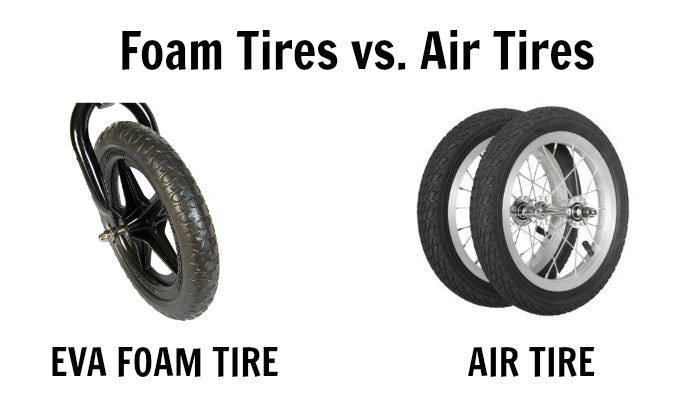
Eva tires are made from Ethylene Vinyl Acetate. This is a soft, lightweight plastic. It feels like foam and is flexible. Eva material absorbs shocks well. It resists water and many chemicals. Eva tires are easy to mold into shapes. They do not wear down quickly on smooth surfaces.
Composition Of Rubber Tires
Rubber tires use natural or synthetic rubber. Natural rubber comes from rubber trees. Synthetic rubber is made from chemicals. Rubber is tough and elastic. It grips the road well, even when wet. Rubber tires handle rough surfaces better than Eva. They also resist heat and abrasion. This makes rubber tires last longer in harsh conditions.
Credit: www.tikesbikes.com
Performance Factors
Performance matters most when choosing between EVA tires and rubber tires. Different factors affect how these tires behave on the road. These include traction, durability, and noise levels. Each factor can change your ride experience. Understanding these helps you pick the right tire for your needs.
Both EVA and rubber tires have strengths and weaknesses in performance. Knowing these details can save you time and money. Let’s explore the main performance factors.
Traction And Grip
Traction means how well tires hold the surface. Rubber tires usually offer better grip. They stick well on wet and dry roads. EVA tires are lighter but often less grippy. This can affect safety, especially on slippery roads. For rough or uneven surfaces, rubber tires perform stronger. EVA tires work fine on smooth paths but may slip more.
Durability And Wear
Durability shows how long tires last before wearing out. Rubber tires tend to last longer. They resist cuts and tears better. EVA tires wear down faster under heavy use. They may crack or crumble with time. For daily or rough use, rubber tires are more reliable. EVA tires suit light, occasional rides but need more frequent replacement.
Noise And Vibration
Noise and vibration affect ride comfort. EVA tires absorb shocks well, making rides quieter. Rubber tires can be noisier on hard surfaces. Yet, rubber often handles vibrations better on rough roads. EVA tires feel softer but may transmit more road bumps. Choosing depends on whether you want a quiet or stable ride.
Maintenance And Care
Maintaining EVA tires and rubber tires ensures longer use and better performance. Each type needs specific care to keep it in top shape. Proper maintenance avoids costly repairs and replacements.
Cleaning Tips
Clean EVA tires with mild soap and water. Avoid harsh chemicals that can damage the foam material. Use a soft cloth or sponge to wipe dirt gently. Dry them naturally to prevent moisture buildup.
Rubber tires require regular washing to remove mud and grime. Use water and a gentle brush for tough spots. Avoid strong solvents that can cause rubber to crack. Regular cleaning helps maintain grip and safety.
Repair And Replacement
EVA tires are lightweight but can tear easily. Small tears can be fixed with foam adhesive. Larger damage often means replacing the tire. Check for holes or cracks before each ride.
Rubber tires last longer but wear down over time. Look for worn tread or sidewall damage. Patch kits can fix minor punctures quickly. Replace tires when tread is too thin or damage is severe.
Cost Comparison
Cost plays a key role when choosing between EVA tires and rubber tires. Understanding the price differences helps buyers pick the right option for their needs. Both types have unique costs at different stages, not just at purchase.
Initial Purchase Price
EVA tires usually cost less than rubber tires at the start. They use lighter materials, which lowers production costs. Rubber tires need more raw materials and a complex process, making them pricier. For budget buyers, EVA tires offer a good way to save money upfront.
Long-term Expenses
Rubber tires tend to last longer and resist wear better than EVA tires. This can lower replacement costs over time. EVA tires may wear out faster, leading to more frequent purchases. Maintenance costs for rubber tires are often lower because of their durability. Buyers should think about how long they will use the tires before deciding.
Environmental Impact
The environmental impact of tires affects many parts of our planet. Tires made from different materials leave different marks on the environment. Understanding these differences helps us choose better options. Eva tires and rubber tires have unique effects on nature and waste.
Manufacturing Footprint
Eva tires use ethylene-vinyl acetate, a plastic-like material. Their manufacturing needs less energy than rubber tires. Rubber tires come from natural or synthetic rubber. Making rubber tires uses more water and energy. This process also releases more pollutants into the air. Eva tires produce fewer emissions during production. This means less harm to the environment in the making stage.
Recyclability
Recycling rubber tires is difficult and costly. Rubber tires take a long time to break down in landfills. They often end up as waste or are burned, causing pollution. Eva tires are easier to recycle because of their material. They can be melted down and reused more efficiently. This reduces waste and the need for new raw materials. Choosing tires that recycle well helps reduce environmental damage.

Credit: www.pu-tire.com
Best Uses For Each Tire
Choosing the right tire depends on where and how you use it. Eva tires and rubber tires each fit different needs. Knowing their best uses helps you pick the perfect tire for your task. This guide explains the ideal conditions for each type.
Ideal Conditions For Eva Tires
Eva tires work best on smooth surfaces. They suit indoor areas like warehouses or factories. Their light weight makes them easy to handle. Eva tires resist water and chemicals well. They last longer without cracking on flat floors. Quiet operation is another plus for indoor use. They perform well in dry or slightly wet places. Avoid rough or rocky ground with Eva tires.
Ideal Conditions For Rubber Tires
Rubber tires excel outdoors on rough terrain. They handle dirt, gravel, and uneven surfaces easily. Their strong grip prevents slipping on wet or muddy ground. Rubber tires absorb shocks well, giving a smooth ride. They suit construction sites and agricultural areas. These tires work in both wet and dry conditions. Rubber tires also perform well on paved roads. They wear slower under heavy loads and harsh use.
Buyer Considerations
Choosing between EVA tires and rubber tires needs careful thought. Different factors affect which tire fits best. Buyers must consider their lifestyle and how they plan to use the tires. Budget also plays a key role in making the right choice.
Lifestyle And Usage
Think about where and how often you will use the tires. EVA tires are lighter and resist punctures well. They suit smooth surfaces and less rough use. Rubber tires offer better grip and absorb shocks better. They work well on rough and uneven roads. For heavy-duty or off-road use, rubber tires last longer. For casual rides or indoor use, EVA tires can be enough.
Budget Constraints
Price matters for many buyers. EVA tires usually cost less upfront. They require less maintenance over time. Rubber tires cost more but often last longer. They may need repairs but handle wear better. Consider total cost, not just the initial price. Balance quality with what you can spend comfortably.

Credit: rafplay.com
Frequently Asked Questions
What Are Eva Tires And How Do They Differ?
Eva tires are foam-filled and lightweight. They offer puncture resistance but less cushioning than rubber tires, which provide better shock absorption and durability.
Are Eva Tires Better Than Rubber Tires For Scooters?
Eva tires require less maintenance and resist flats, making them practical for scooters. Rubber tires offer superior comfort and grip, ideal for rougher terrains.
How Does The Lifespan Of Eva Tires Compare?
Eva tires typically last longer due to their solid foam structure. Rubber tires wear out faster but provide better traction and ride quality.
Which Tire Type Offers Better Traction And Grip?
Rubber tires provide better traction and grip on various surfaces. Eva tires have less grip but excel in flat resistance and low maintenance.
Conclusion
Eva tires offer lightness and good shock absorption. Rubber tires provide strong grip and last longer. Each type suits different needs and budgets. Choose Eva tires for soft rides and less weight. Pick rubber tires for tough roads and durability.
Think about where and how you will use them. Both have pros and cons to consider. Your choice depends on comfort or strength needs. Simple and clear decisions lead to better satisfaction.